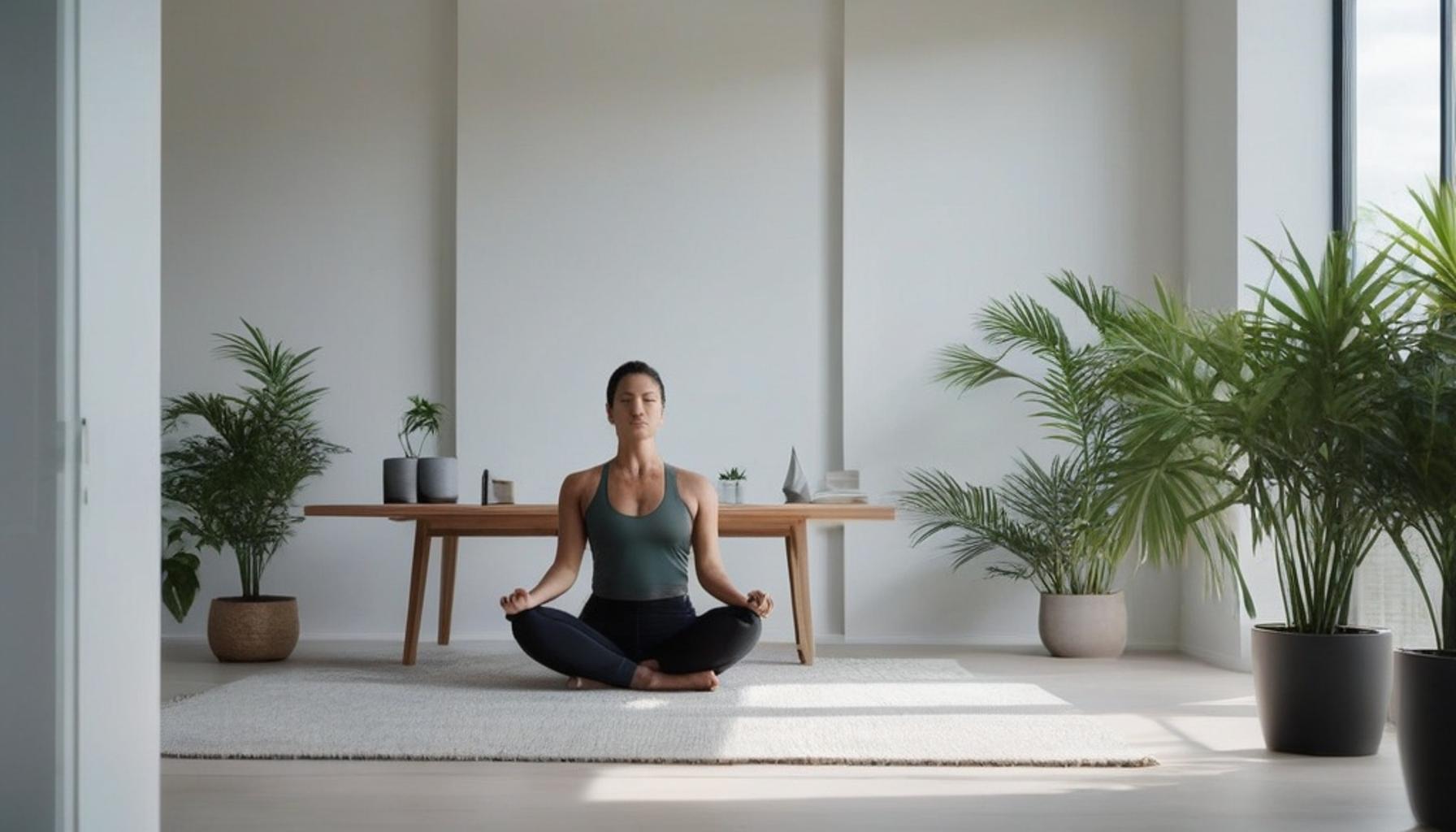
The Art of Letting Go: How Simplified Living Transforms Spaces and Minds
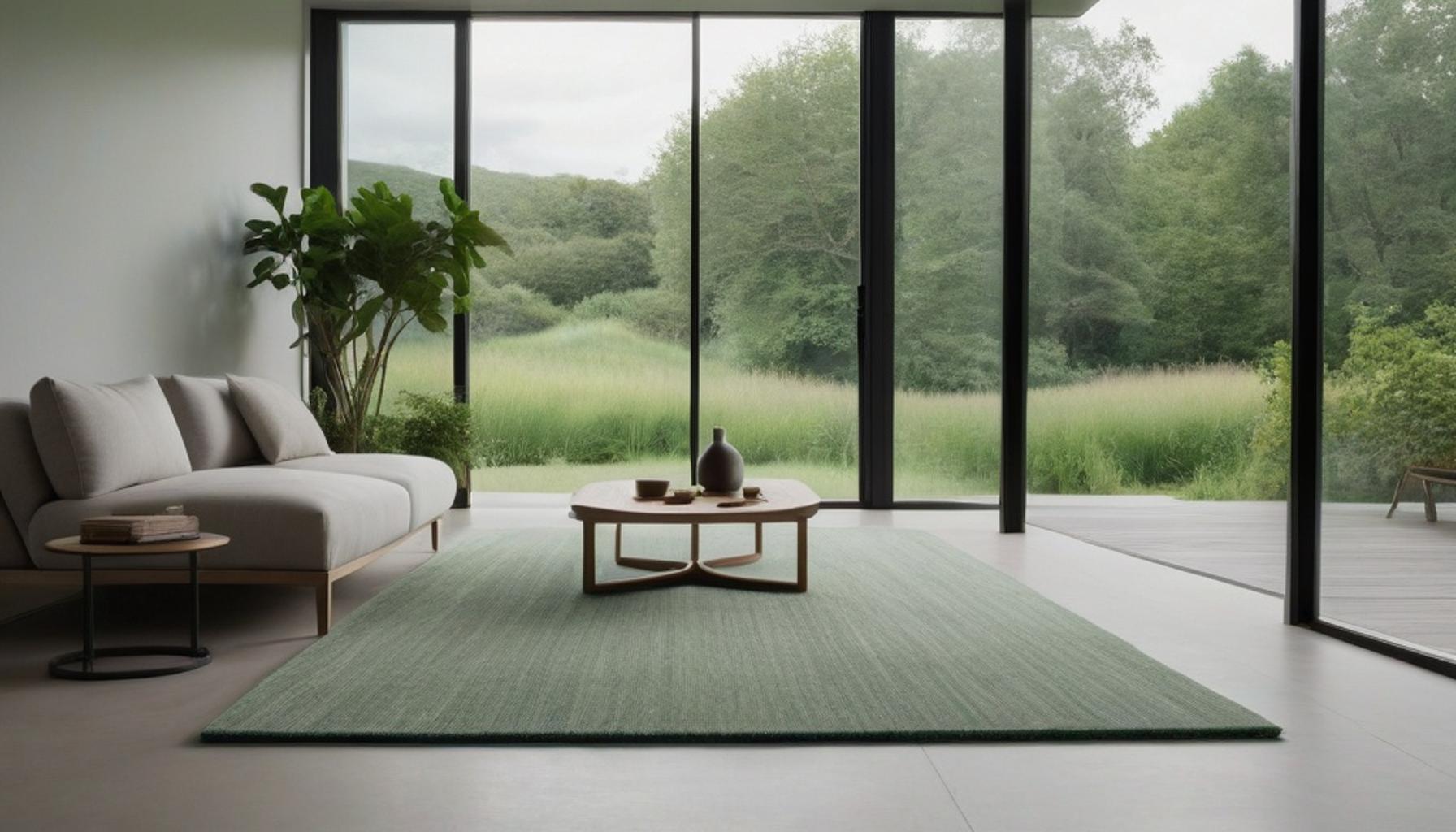
Across the United States, from cramped New York apartments to sprawling suburban homes in Texas, a quiet revolution is unfolding. People are opening their closets, garages, and junk drawers, and asking a simple question: do I really need this? This shift toward simplified living is not just a passing trend; it is reshaping how millions think about space and mental well-being. The drive to downsize and declutter has touched cities and towns alike, creating a cultural moment focused on intentionality in ownership.
The Numbers Behind the Movement
Research suggests the average American home contains roughly 300,000 items. This staggering number reflects a deep-seated consumer culture where accumulation often overshadows necessity. The self-storage industry, boasting a robust market valued at 22 billion dollars in the U.S. alone, serves as evidence that many Americans are struggling to manage their belongings. The prevalence of storage units indicates that households are filled to the brim with items that are seldom used, further contributing to stress.
- Excess belongings linked to higher stress and anxiety levels: Living surrounded by clutter can lead to feelings of being overwhelmed and anxious, as maintaining an orderly environment often turns into a stressful burden.
- Cluttered spaces shown to reduce focus and productivity: Studies have demonstrated that disorganized spaces can create mental distractions, making it difficult to concentrate on tasks at hand.
- Minimalist households reporting greater life satisfaction: Individuals who embrace minimalism often find that having fewer possessions cultivates a sense of freedom and clarity, improving their overall quality of life.
More Than Tidying Up
This transformative process is far more than just a seasonal tidying session; it emphasizes the importance of letting go techniques that encourage individuals to assess their relationships with their belongings. Valuable methodologies like the KonMari Method and the Four-Box Method provide structured approaches to simplifying one’s possessions. It is not about owning nothing but about owning intentionally, making conscious decisions regarding what items truly contribute to one’s happiness.
Throughout this article, we will explore the minimalist lifestyle benefits that extend far beyond tidy shelves and empty countertops. We will discuss how transforming your space can lead to genuine mental clarity through simplicity. This intentional act of decluttering encourages individuals to focus on experiences rather than possessions, prompting a realization that true happiness often lies in connections with others and the appreciation of life’s simple pleasures.
As the minimalist movement continues to evolve, it invites curious minds to discover how embracing less can lead to a more fulfilling and enriched life.
SEE ALSO: Efficient Living: Practical Organization Tips for Every Room in Your Home
The Psychology of Clutter: Why Our Brains Crave Order
Walk into a room piled high with unopened mail, forgotten exercise equipment, and clothes that no longer fit, and something shifts in the body before the mind even registers why. Researchers at institutions like Princeton University have found that visual clutter competes for attention, taxing the brain’s limited cognitive resources. The result is a subtle but persistent drain on mental energy, one that many Americans experience daily without naming it.
This is where decluttering your mind becomes less of a metaphor and more of a measurable outcome. When physical chaos recedes, the nervous system often follows suit. Cortisol levels, the hormone tied to stress, have been shown to drop in tidier environments. For a nation where anxiety disorders affect an estimated 40 million adults annually, according to the Anxiety and Depression Association of America, the connection between physical space and emotional state is impossible to ignore.
Practical Entry Points Into Simplified Living
Adopting simplified living does not require torching every possession or moving into a tiny house on wheels, though some do choose that path. It often starts smaller, with deliberate, repeatable habits that chip away at excess over time.
- The one-in, one-out rule: For every new item brought home, one must leave. This keeps accumulation in check without demanding a dramatic overhaul.
- The 90/90 rule: Popularized by minimalist advocates Joshua Fields Millburn and Ryan Nicodemus, this method asks whether an item has been used in the past 90 days and whether it will be used in the next 90. If not, it is likely disposable.
- Digital decluttering: Simplified living extends beyond physical objects. Clearing out unused apps, subscriptions, and email inboxes contributes to the same sense of mental spaciousness.
- Room-by-room audits: Rather than attempting an entire home in one exhausting weekend, many experts recommend tackling one space at a time, allowing momentum and clarity to build gradually.
These letting go techniques share a common thread: they replace vague intentions with concrete action. Instead of hoping to feel less overwhelmed someday, individuals create small, repeatable moments of decision-making that compound into lasting change.
What emerges from this process is rarely just a cleaner home. It is often a clearer sense of what actually matters, a theme that continues to surface as more households across the country experiment with owning less and living, by most accounts, considerably more.

CHECK OUT: Smart Storage Hacks: Innovative Solutions for Maximizing Small Space Organization
The Ripple Effect: From Living Rooms to Bank Accounts
Beyond the emotional payoff, simplified living carries a financial logic that many households are only beginning to calculate. The average American home contains roughly 300,000 items, according to figures cited by the Los Angeles Times, and a significant portion of those purchases go largely unused. Every unworn jacket or unopened gadget represents money spent, storage space rented or mortgaged, and, often, a subscription to a lifestyle that never quite fit.
Real estate professionals have started noticing the shift too. Homes staged with fewer belongings, cleaner lines, and open sightlines tend to sell faster and, in some markets, for higher prices. This has pushed the minimalist lifestyle benefits conversation into an unexpected arena: home equity. Fewer possessions can translate into less need for larger storage units, garages converted into makeshift warehouses, or the ballooning self-storage industry, which now generates over $40 billion annually in the United States alone.
Community and Connection in a Less-Is-More World
Simplified living rarely stays a private matter. Across cities like Portland, Austin, and Asheville, informal networks of minimalist-minded neighbors have formed swap groups, repair cafes, and tool libraries, allowing people to share rather than individually own items used only occasionally. This model of transforming your space collectively, rather than in isolation, suggests that letting go is not purely a solo psychological exercise. It has social dimensions that echo older traditions of communal resourcefulness.
Workplaces have taken note as well. Companies redesigning offices around minimalist principles report fewer distractions and, in some internal surveys, higher employee satisfaction. Open, uncluttered environments appear to support sharper focus during long stretches of concentrated work, reinforcing the broader idea that mental clarity through simplicity is not confined to the home.
What the Research Suggests About Long-Term Habits
Behavioral scientists studying habit formation note that decluttering, when repeated consistently, can reshape decision-making patterns more broadly. Small, low-stakes choices, such as deciding whether to keep a coffee mug, appear to build the same mental muscle used in larger financial or relationship decisions.
- Reduced decision fatigue: Fewer possessions mean fewer daily choices about what to wear, use, or maintain.
- Increased savings rates: Households practicing intentional consumption often report redirecting funds toward experiences or debt reduction rather than accumulation.
- Improved sleep quality: Bedrooms free of clutter have been linked, in several sleep studies, to falling asleep faster and experiencing fewer nighttime disturbances.
These findings hint that the practice of letting go extends its influence well past closets and countertops, quietly reshaping habits, budgets, and even the way communities relate to one another.
Rethinking What We Keep, and Why
The evidence gathered across homes, offices, and neighborhoods points to a conclusion that is difficult to dismiss: simplified living is not a fleeting design trend but a measurable shift in how people relate to their possessions, their money, and their mental space. From the psychological relief of an uncluttered room to the financial sense of resisting a $40 billion storage industry, the case for owning less continues to build.
What stands out most is how interconnected these benefits turn out to be. Better sleep, sharper focus at work, stronger community ties through swap groups and repair cafes, these are not separate outcomes but branches of the same root habit. Practicing letting go techniques in one area of life, whether a closet or a calendar, tends to spill into others.
A Practical Starting Point
For readers wondering where to begin, experts generally agree that small, repeated actions outperform dramatic overhauls. Clearing a single drawer, donating one bag of unused clothing, or committing to a 30-day no-buy challenge can build momentum without triggering the overwhelm that often derails larger decluttering attempts.
This gradual approach also supports decluttering your mind alongside physical spaces, since the two processes seem to reinforce one another. Fewer physical decisions each day appears to free up mental bandwidth for choices that carry more weight, from budgeting to relationships.
Ultimately, the growing body of research and real-world testimony suggests that mental clarity through simplicity is not about deprivation. It is about recalibration, choosing intentionally rather than accumulating passively. Whether the motivation is financial, emotional, or environmental, the underlying invitation remains the same: examine what fills your space, and ask whether it still deserves to.
Frequently Asked Questions
What are the first steps to start practicing simplified living?
To begin practicing simplified living, start by decluttering your physical space. Assess your belongings and keep only items that bring you joy or serve a purpose. Next, evaluate your daily routines and eliminate any non-essential activities that don’t contribute to your well-being.
How does simplified living impact mental health?
Simplified living can greatly enhance mental health by reducing stress and overwhelming feelings associated with clutter and disorganization. By focusing on essential items and experiences, individuals often feel more in control and can cultivate a sense of peace and clarity in their lives.
Can simplified living improve productivity at work?
Yes, simplified living can significantly boost productivity in the workplace. A decluttered environment minimizes distractions, allowing for better focus and efficiency on tasks at hand. Additionally, simplified systems and processes can streamline workflows, making work more manageable.
What are some common misconceptions about simplified living?
A common misconception about simplified living is that it means living with little to no belongings. In reality, it’s about curating your space and life to reflect what truly matters to you, which may still include a variety of meaningful possessions. Another misconception is that it’s a one-time task when, in fact, simplified living is an ongoing practice and mindset.
How can I maintain a simplified lifestyle once I’ve decluttered?
To maintain a simplified lifestyle, regularly revisit your belongings and routines to ensure they align with your values and needs. Practice the ‘one in, one out’ rule for new items and continually streamline processes to reduce complexity. It’s also helpful to set aside time for reflection on what is contributing positively to your life.
What role does emotional attachment play in the process of simplified living?
Emotional attachment can significantly influence the decision-making process when decluttering. It’s important to recognize these feelings and understand why certain items hold value for you, but also to challenge whether they contribute to your current happiness or future goals. Finding a balance between nostalgia and practicality is key to successful simplified living.

Beatriz
Beatriz Johnson is a seasoned minimalist and writer with a passion for simplifying the complexities of personal organization and intentional living. With over a decade of experience in decluttering strategies and mindful consumption, she specializes in topics like space optimization, habit simplification, and sustainable lifestyle choices. Through her work on our website, Beatriz empowers readers to embrace minimalism, reduce mental and physical clutter, and create more meaningful, organized lives in today's fast-paced world.