
Transform Your Space Minimalist Philosophy for a Clutter-Free Home
Discover the Essentials of Minimalism
The modern world bombards us with constant stimuli, leading many individuals to feel overwhelmed by clutter in their environments. Embracing minimalism can be a game-changer, providing not only physical space but also mental clarity. This approach encourages thoughtful consumption and organization, urging us to discern what truly adds value to our lives.
The Importance of a Clutter-Free Environment
Creating a minimalistic space transforms more than just your home; it impacts your overall well-being. A clutter-free environment is associated with:
- Increased productivity due to reduced distractions.
- Enhanced focus as you simplify your surroundings.
- Improved mental health from the stress-reducing benefits of order and simplicity.
What to Expect
In this article, we will explore the Top 5 strategies influenced by minimalism that can help you turn your chaotic spaces into serene retreats. By adopting these concepts, you’ll not only declutter your home but also foster a lifestyle that prioritizes quality over quantity.
Top 5: How Minimalist Philosophy Can Transform Your Space Into a Clutter-Free Environment
Minimalist philosophy is gaining worldwide acclaim as an effective approach to creating more organized and tranquil environments. Rooted in the idea that “less is more,” this philosophy not only inspires a simplified lifestyle but also offers valuable tools to maintain our spaces free of clutter. Below, we explore how minimalism can transform your space into a clutter-free haven, ranked from fifth to first place, along with practical tips and meaningful insights.
5. The Value of Simplicity
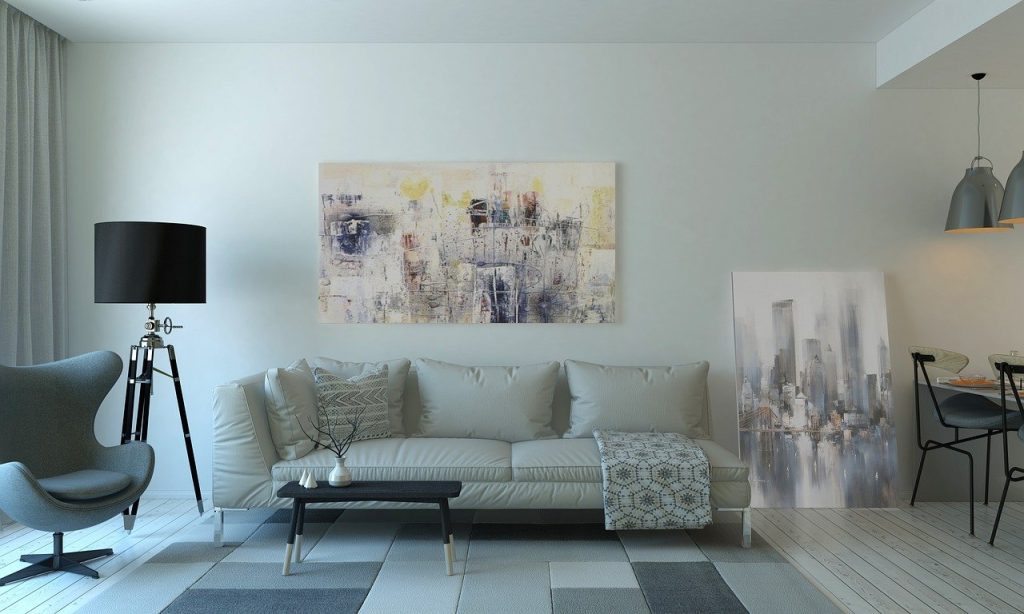
Minimalism emphasizes simplicity, which enhances visual communication and the functional essence of a space. A clutter-free environment is often identified by the absence of unnecessary objects that can overwhelm our visual field, creating a sense of chaos.
- Prioritize the essentials: Make a list of items that are truly necessary in your space to ensure only these crucial items remain.
- Discard what does not serve you: Donate or sell items that haven’t been used in the past six months, freeing up physical and mental space.
- Establish unique zones: Create distinct areas for specific activities, avoiding the overlap of multiple purposes in a single space.
These practices bring about a sense of clarity, allowing functionality and aesthetics to coexist harmoniously. By choosing to surround ourselves only with essentials, we can reduce stress and create a more peaceful living environment. Consider the example of a streamlined kitchen: by eliminating extraneous gadgets and utensils, not only is there more counter space, but cooking becomes more efficient and enjoyable.
4. Regular Cleaning and Organization
One of the tenets of minimalism is the maintenance of organization. A minimalist environment requires regular attention to prevent clutter from accumulating again. Integrating cleaning routines can drastically alter one’s perspective on what constitutes an organized home.
- Establish a routine: Allocate 10 to 15 minutes each day to tidy up and organize your space, making it a part of your daily habit.
- Implement the One In, One Out principle: For every new item acquired, consider discarding another, maintaining equilibrium.
- Use boxes and organizers: Keep similar items together and visible, simplifying both location and organization.
Utilizing these steps helps create a setting that resists unnecessary accumulation over time. Imagine a living room with clearly designated storage solutions: clutter is minimized, and the space feels inviting rather than chaotic.
3. The Importance of Multifunctionality
Embracing a minimalist approach demands consideration of your space’s design, especially in smaller areas. Multifunctionality is a crucial principle where each element serves more than one purpose, optimizing the use of available space.
- Invest in convertible furniture: Opt for furniture that can serve multiple functions, such as sofa beds or folding tables, maximizing flexibility.
- Utilize vertical spaces: High shelves and hooks can help maximize space without cluttering the floor.
- Hidden storage: Use compartments within furniture for discreet storage of small items.
This approach not only reduces the amount of necessary furniture but also offers a more fluid and functional space. For example, a convertible sofa in a studio apartment can transform from a sleeping area to a stylish seating arrangement, enhancing versatility without the burden of excessive furniture.
2. Emotional Connection with Your Belongings
A significant aspect of minimalist philosophy is understanding the emotional connection we have with our belongings. It’s not just about discarding items but evaluating what truly matters in our lives.
- Reflect on the story: Consider each item’s journey and its relevance in your current life.
- Sentimental value: While emotionally valuable items are important, it’s crucial to assess whether they occupy unnecessary space.
- Emotional minimalism: Learn to detach emotionally from objects that no longer contribute positively to your life.
This perspective encourages a healthier connection with what you choose to keep, creating an environment that symbolizes more than just material possessions. For instance, retaining a small set of family heirlooms that evoke cherished memories can be more meaningful than amassing numerous knick-knacks with little emotional significance.
1. Creating a Space of Inner Peace
Above all, minimalist philosophy aims to foster a space of inner peace. An environment free from clutter and disorder reflects and influences one’s psychological state.
By carefully curating our surroundings, we allow space for more than just physical items — we create room for clarity, creativity, and tranquility. This minimalist approach offers a sanctuary where stress is reduced, allowing for relaxation and introspection. Imagine entering a bedroom that is serene and devoid of clutter; the calm atmosphere welcomes rejuvenation and contemplative thought.
In conclusion, minimalism is not simply about reducing possessions. It is a transformative way of life that emphasizes purposeful living, where every object serves an intentional role, contributing to a clutter-free and mentally liberating environment. Through the integration of simplicity, regular organization, multifunctionality, emotional reflection, and the pursuit of inner peace, minimalism offers a compelling blueprint for creating spaces that nurture both the mind and spirit.
The minimalist philosophy has the potential to drastically reshape how we perceive and utilize our living spaces. By embracing simplicity and function, one’s environment can be transformed into a clutter-free haven. This transformation not only enhances aesthetic appeal but also fosters a sense of inner peace. As we delve deeper into the advantages of minimalism, it’s essential to recognize how this lifestyle choice impacts our daily lives and contributes to our overall well-being.One significant advantage of adopting a minimalist approach is the reduction of distractions. In a cluttered environment, it becomes increasingly difficult to focus on tasks or establish a clear mindset. By creating a more organized space, individuals can experience improved concentration and productivity. This is particularly relevant in our fast-paced world, where distractions are ubiquitous. Minimizing physical clutter allows for mental clarity as well, promoting a peaceful and serene atmosphere conducive to creativity and innovation.Furthermore, minimalism promotes intentional living. By carefully selecting what items to keep in a space, individuals become more aware of their consumption habits. This intentional approach encourages mindfulness, helping people to appreciate what they have rather than yearning for excess. When possessions are meaningful and purposeful, they enhance the living environment rather than detract from it. This shift in perspective can lead to a more fulfilling and satisfying life experience, as individuals cultivate gratitude for their belongings and surroundings.Additionally, minimalism can lead to significant financial savings. Many individuals find themselves trapped in cycles of purchasing items they do not need, resulting in overspending and clutter. By embracing a minimalist mindset, people learn to prioritize quality over quantity, recognizing that fewer—but higher-quality—items can offer greater satisfaction and utility. This shift not only alleviates the burden of financial strain but also results in a more sustainable lifestyle that aligns with environmental consciousness.Moreover, creating a clutter-free space through minimalism can enhance overall health and well-being. Research has shown that an organized environment can reduce stress and anxiety, contributing to a more positive state of mind. A decluttered home can also improve physical health by reducing allergens, fostering cleanliness, and allowing for routines that promote well-being. Thus, the minimalist philosophy acts as a catalyst for both mental and physical health improvements, ultimately leading to a higher quality of life.Incorporating minimalism into daily life encourages individuals to redefine their relationship with their environment. By focusing on the essentials and letting go of what no longer serves a purpose, people can cultivate spaces that reflect their values and aspirations. As a result, the minimalist approach transcends mere aesthetics; it instigates a profound transformation that influences all aspects of life.
| Category | Description |
|---|---|
| Focus Improvement | A clutter-free environment reduces distractions, enhancing focus and productivity. |
| Intentional Living | Mindfully selecting possessions fosters appreciation and gratitude for what we have. |
| Financial Savings | Prioritizing quality over quantity leads to reduced overspending and a sustainable lifestyle. |
| Health Benefits | An organized space reduces stress, improves mental health, and fosters physical well-being. |
Frequently Asked Questions About the Minimalist Philosophy and Transforming Your Space
What is the core principle of minimalist philosophy when it comes to home organization?
The core principle of minimalist philosophy in home organization is to focus on the intentional living with fewer possessions, which often translates into a space that’s clutter-free and carefully curated. This approach emphasizes quality over quantity, encouraging individuals to keep only what brings them joy or value. By eliminating unnecessary items, one can create a serene and more functional environment.
How does adopting a minimalist approach impact mental well-being?
Adopting a minimalist approach can have a significant positive impact on mental well-being. A clutter-free environment is often linked to reduced stress levels and increased clarity of thought. Without the distraction of excess possessions, individuals may find it easier to focus, experience greater peace of mind, and even foster a sense of emotional well-being. Moreover, studies suggest that a tidy space can contribute to healthier habits and enhance productivity.
Is it necessary to get rid of all possessions to fully embrace minimalism?
No, embracing minimalism doesn’t mean you have to part with all your belongings. The philosophy is not about deprivation but rather about making conscious choices. It’s about curating your surroundings to include only what serves a clear purpose or brings you joy. This may involve systematically reviewing and downsizing your items, but it doesn’t require a drastic reduction that makes you uncomfortable.
How can someone start incorporating minimalism into their daily life?
To start incorporating minimalism into your daily life, begin by identifying areas that feel overwhelming or cluttered. Focus on one space at a time, and consider the function and necessity of each item. Declutter gradually, prioritizing items that add genuine value to your living space. You might also adopt habits that reinforce minimalist principles, such as embracing sustainable shopping, managing digital clutter, or simplifying your routine to experience more mindful living.
Can a minimalist approach be adapted for small living spaces?
Yes, a minimalist approach is particularly beneficial for small living spaces as it optimizes the available area, making it feel larger and more open. By eliminating non-essential items and utilizing smart storage solutions, small spaces can be transformed into functional, aesthetically pleasing environments. Techniques such as using multi-purpose furniture and maintaining a neutral color palette can further enhance the sense of space and calm.
Conclusion: Embracing Minimalism for a Clutter-Free Space
In embracing the minimalist philosophy, one discovers a transformative journey that extends beyond mere aesthetics of reducing physical possessions. This approach fosters a deeper, more intentional relationship with the spaces we inhabit. From understanding the significance of quality over quantity to cultivating a mindful appreciation for each item that occupies our homes, minimalism invites us to reassess our lifestyles and priorities.
The process of decluttering begins with a mental shift, where we prioritize what truly matters. This clarity translates into a decluttered environment that not only enhances visual appeal but also contributes to mental well-being by reducing stress and improving focus. An organized space, unburdened by excess, allows for brighter, airier environments where simplicity reigns and creativity can flourish.
Adopting a minimalist mindset does not mean living in stark, empty rooms. Instead, it encourages a thoughtful curation of belongings that hold personal significance and utility. By eliminating unnecessary distractions, we create room for items that add value and joy to our lives, fostering a sense of harmony and balance.
Choosing minimalism as a lifestyle is a personal and ongoing journey. As you explore this path, you may find unexpected benefits beyond a clutter-free environment, such as increased time, energy, and freedom. The ultimate allure of minimalism lies in its power to invite simplicity, intent, and tranquility into our spaces and, by extension, our lives. Investigating further into this philosophy can unveil new horizons in personal organization and well-being, making it a crucial consideration for anyone seeking a more fulfilling and clutter-free existence.