
The relationship between intentional choices and the creation of a minimalist and inspiring environment
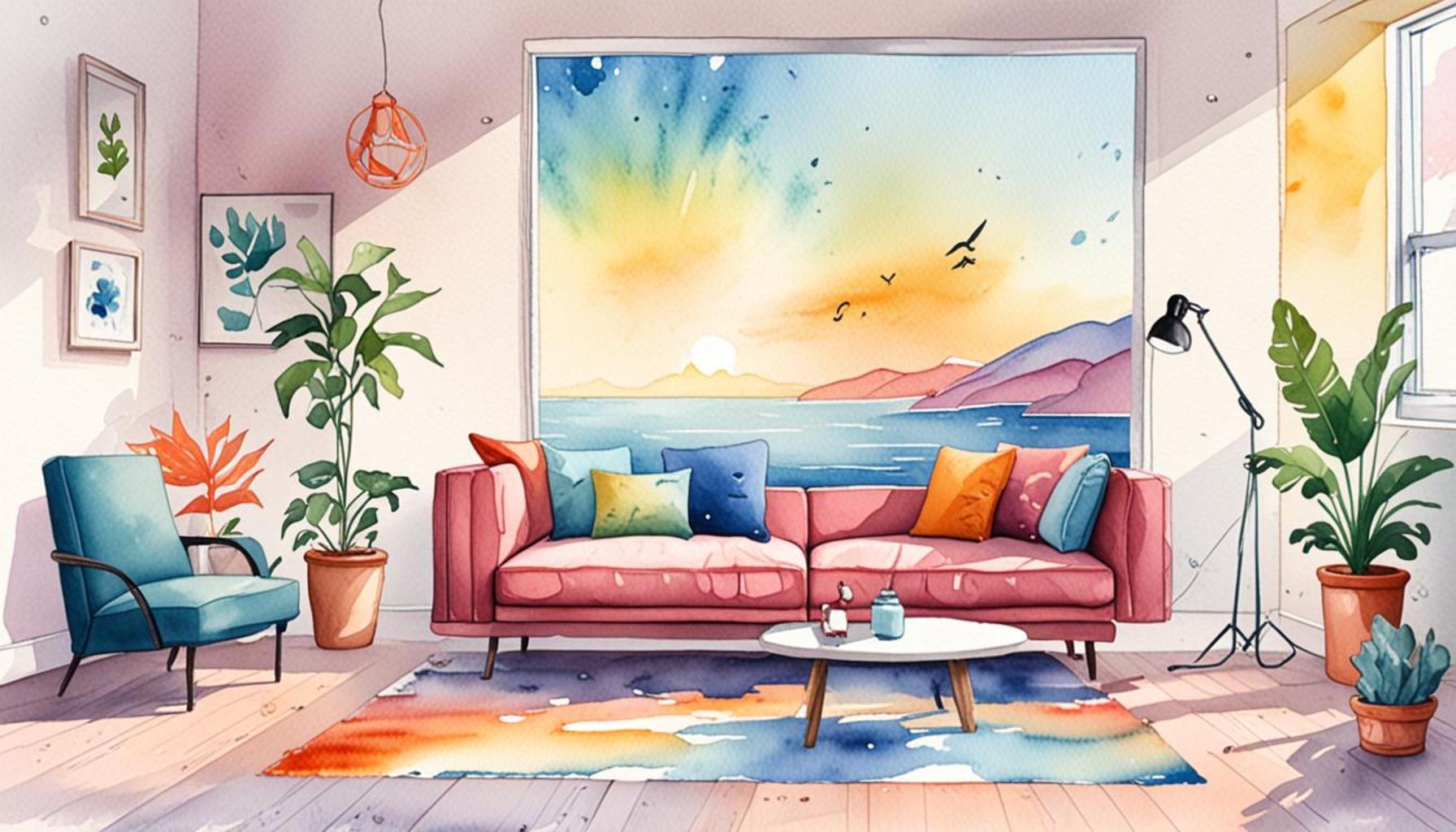
The Importance of Deliberate Decision-Making
In an era where choices bombard us at every turn, understanding the weight and implications of our intentional choices is paramount. In environments as dynamic as Nigeria, where tradition intertwines seamlessly with modern lifestyles, these decisions can have far-reaching effects on our daily lives, cultural expressions, and personal well-being. By weaving together intention and mindfulness in our choices, we can shape our reality in ways that are deeply fulfilling.
What is Minimalism?
Embracing a minimalist lifestyle transcends basic decluttering; it is a profound philosophy that advocates for stripping away the non-essential and fostering an environment that prioritizes simplicity and functionality. Minimalism can lead to an inspiring environment where creativity flourishes and clarity reigns. Here are some fundamental elements of this movement:
- Meaningful Design: Every piece within a space should serve a purpose or tell a story. For instance, a handcrafted bench made from locally sourced wood not only provides seating but also reflects Nigeria’s cultural heritage.
- Simplicity: A minimalist aesthetic features clean lines and often utilizes neutral colors, creating a sense of peace and tranquility. This can be seen in modern urban lofts in cities like Lagos, where open spaces are adorned with minimal decor.
- Mindfulness: This principle encourages individuals to be fully present and engaged, reducing distractions that often cloud our thinking. Intentional decisions around one’s environment can promote focus, whether it’s in a bustling office in Abuja or a quiet home in Enugu.
The Role of Intentional Decisions
Being intentional in our choices can significantly enhance the ambiance and utility of our living spaces. Deliberate selections—ranging from furniture designs to decorative accents—can create an environment conducive to inspiration and clarity. Consider these important dimensions:
- Personal Values: Integrating personal values into your decision-making ensures that your choices resonate with what truly matters to you. For example, using sustainable materials in your home decor can reflect an individual’s commitment to environmental preservation.
- Functionality: It is crucial to select items that fulfill multiple roles. A stylish ottoman that can serve as storage while offering additional seating exemplifies how practicality can merge beautifully with design.
- Emotional Connection: Surrounding oneself with items that evoke positive feelings can transform a space. For instance, displaying artwork from local artists can foster a sense of pride and connection to one’s community.
As we explore the interplay between intentional choices and the creation of minimalist yet inspiring environments, we begin to recognize how even the simplest decisions can significantly enhance our everyday lives. This journey of discovery can lead to a profound transformation, enabling us to cultivate spaces that resonate on multiple emotional and aesthetic levels. By committing to thoughtful decision-making, we have the power to create a living space that is not only functional but also a true reflection of our identities.
YOU MAY ALSO LIKE: Read read another article
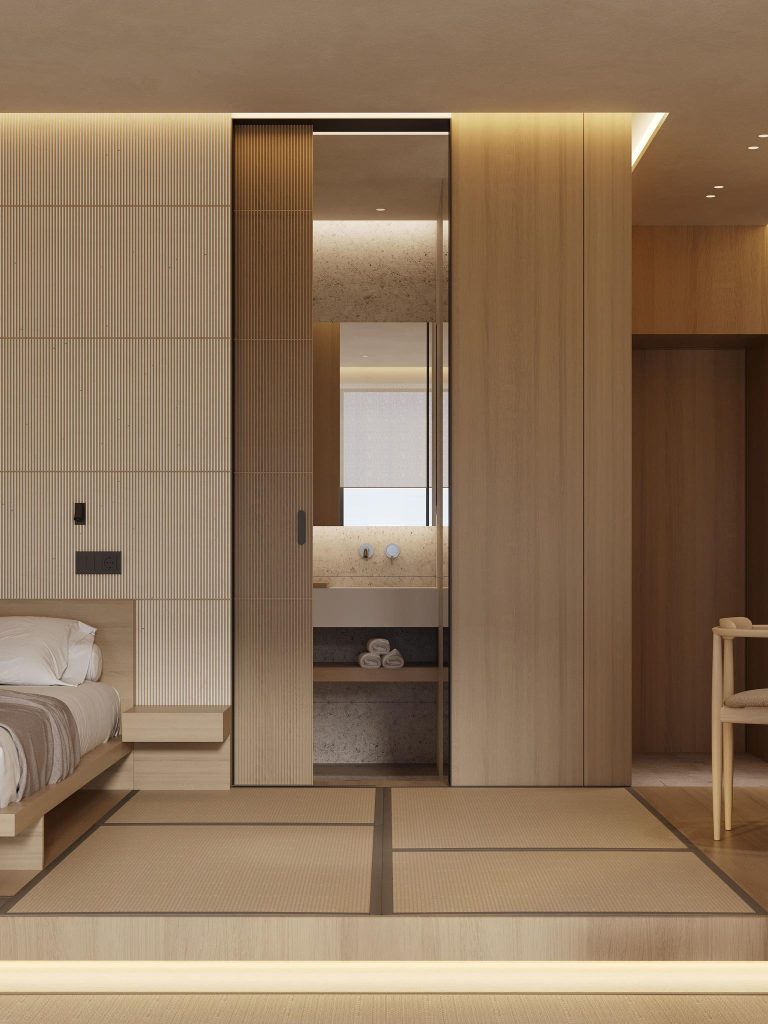
Understanding the Essence of Thoughtful Selections in Creating Mindful Spaces
The process of transforming a living space into a minimalist retreat hinges on recognizing that each decision made carries significant weight. Each choice we make is not merely a selection but a reflection of our values, aspirations, and emotional health. In a bustling country like Nigeria, where rapid urbanization and societal complexities can obscure simplicity, the *relationship between intentional choices and the creation of a minimalist and inspiring environment* becomes even more essential. By embracing thoughtful selections, we can cultivate environments that not only epitomize our lifestyle but also foster creativity and enhance our mental well-being.
The Impact of Strategic Selection
Adopting minimalist principles requires a deliberate approach to how we curate our living spaces. Effectively incorporating minimalism means that every decision should contribute meaningfully to the overall ambiance and experience of the space. Let’s explore some key factors that should guide our choices:
- Aesthetic Appeal: The way we visually experience a space significantly affects our moods and perceptions. Opting for a few carefully chosen pieces—such as a stunning canvas from a local Nigerian artist or beautifully crafted traditional textiles—can elevate a mundane room into a vibrant gallery. For instance, using a prominent piece of art that reflects the Nigerian landscape or cultural heritage can instill a sense of pride and connection to home.
- Adequate Space Utilization: In populous cities like Lagos and Abuja, where space can be a luxury, employing minimalist principles becomes paramount. Thoughtful decisions related to the size and arrangement of furniture can allow for a room to feel more expansive and welcoming. For example, implementing a sleek, multifunctional dining table that serves double duty as a workspace can maximize functionality without causing clutter.
- Quality over Quantity: Investing in fewer, high-quality items creates a sense of elegance and longevity in your home. The incorporation of artisanal crafts, like intricately woven Akwete cloth or delicately carved wooden sculptures from different Nigerian communities, ensures that each piece is not only beautiful but also meaningful. This principle fosters an environment that is rich in authenticity and cultural resonance.
As we dive further into this intricate landscape of intentional choices, it becomes apparent that the implications stretch beyond mere aesthetics. A well-designed minimalist environment can provide clarity and enhance productivity, ultimately leading to an enriched lifestyle. By shaping our spaces to reflect our core values and aspirations, we create an atmosphere that serves as a sanctuary—one that resonates with who we are and who we strive to be.
In a world overwhelmed by consumerism, distractions, and constant stimulation, prioritizing intentional design choices can cultivate a profound sense of peace and connection to our surroundings. The journey toward minimalism does not solely involve stripping our homes of excess; rather, it is about filling them with intention and inspiration. Each functional space beckons us to engage thoughtfully with our environment and, by extension, with ourselves. This philosophy, rooted in simplicity and meaning, ultimately leads us toward a more mindful existence, encouraging us to explore the depths of our potential while celebrating the beauty of simplicity.
| Category | Key Features |
|---|---|
| Intentional Design Choices | Fostering a purposeful selection of decor to create harmony |
| Enhanced Mental Clarity | Decluttering leads to improved focus and productivity |
Intentional selections in interior design not only elevate aesthetics but also serve a deeper purpose, nurturing our spirit while minimizing distractions. By focusing on functional and meaningful decor, we can create spaces that resonate with peace. Each item can be chosen based on its emotional significance and functionality, allowing individuals to establish an atmosphere that not only looks good but feels harmonious.An important aspect to consider is how minimalism encourages decluttering. It is well documented that a less cluttered environment results in less cognitive overload. Thus, by adopting a minimalist approach, you not only enhance the visual appeal of your space but also promote mental clarity, leading to increased productivity. This interrelation between design choices and psychological well-being is vital for those seeking to cultivate an inspiring environment.
CHECK OUT: Click here to explore more
Transforming Spaces Through Mindful Design and Deliberate Actions
As we further explore the relationship between intentional choices and the creation of a minimalist and inspiring environment, it is essential to consider the psychological impacts of our surroundings. The environments we craft play a crucial role in shaping our thoughts, feelings, and daily productivity. A focus on minimalism does not merely strip our spaces of excess; rather, it introduces elements that inspire and elevate our experience. Every item chosen should evoke an emotion or serve a purpose that aligns with our desired state of mind.
Emotional Resonance and Personal Connections
The emotional connection we foster with our living spaces can profoundly affect our overall quality of life. Selecting items that resonate with our experiences or heritage, such as family heirlooms or artifacts from local craftspeople, can create an atmosphere of warmth and familiarity. Such elements remind us of our roots and provide a sense of continuity amidst change. For instance, incorporating culturally significant pieces like the distinctive Uli art from southeastern Nigeria can instill a pride in our heritage, transforming mere decoration into a narrative of identity.
The Role of Natural Elements
To delve further into creating a minimalist environment, the integration of natural elements cannot be overlooked. Bringing nature indoors through the use of plants, natural light, and sustainable materials can promote a sense of well-being and tranquility. Research has shown that exposure to greenery decreases stress levels and enhances overall mood. For instance, the popularity of indoor plants like the Pothos or the Snake Plant has surged among urban dwellers in Nigerian cities, not only for their aesthetic appeal but also for their air-purifying qualities. Such choices link our living spaces with the natural world, creating a serene atmosphere where we can thrive.
Mindful Decluttering and Its Effect on Mental Clarity
Another crucial aspect of intentional decision-making is the practice of mindful decluttering. The act of removing unnecessary items from our spaces fosters an environment that allows for clarity and calmness, both physically and mentally. As Nigerians increasingly adapt to fast-paced urban lifestyles, the ability to simplify our environments becomes essential. Engaging in a regular process of evaluating our possessions—deciding what to keep, repurpose, or let go—encourages us to cultivate an environment filled only with items that genuinely enhance our lives. This ongoing practice aligns with the principles of intentional living and creativity, creating room for inspiration to flourish.
Incorporating Functionality while Inspiring Creativity
When discussing minimalist design, a key consideration is the balance between aesthetic appeal and functionality. Designing multifunctional spaces or investing in quality, adaptable furniture can enhance our living experience. In a Nigerian context, where many homes may have restrictions on space and access to resources, such choices become pivotal. An expandable dining table that doubles as a workspace, or a sofa bed for accommodating guests, demonstrates how intentional choices regarding functionality can complement modern living while still embracing minimalist ideals.
Ultimately, crafting an inspiring minimalist environment requires a journey of self-discovery through our choices. The intentional decisions we make about what enters our homes resonate deeply with our personal narratives, influences our emotional well-being, and foster creativity. The relationship between intentional choices and an inspiring environment is one that ignites a ripple effect, encouraging mindfulness and gratitude in every aspect of our lives.
SEE ALSO: Click here to read another article
Embracing Minimalism Through Intentional Choices
In conclusion, the relationship between intentional choices and the creation of a minimalist and inspiring environment is undeniably profound and transformative. As we navigate the complexities of modern living, particularly in bustling urban settings like those found across Nigeria, our ability to curate our surroundings with purpose becomes paramount. By selecting items that resonate not only with our personal histories but also with our aspirations, we create spaces that are not just functional but deeply meaningful.
Moreover, the integration of natural elements and the practice of mindful decluttering contribute to a serene atmosphere conducive to creativity and mental clarity. This conscious approach not only enhances the aesthetic appeal of our environments but also fosters a sense of peace and balance essential for well-being. Incorporating multifunctional designs allows for greater adaptability in our limited spaces, echoing the need for practicality in our fast-paced lives.
Ultimately, the journey towards minimalism is one that aligns with intentional living, encouraging us to prioritize what truly matters. It leads us toward an inspiring environment where every element reflects our values and nurtures our spirit. As we embrace these principles, we illuminate a path toward greater mindfulness and appreciation, transforming our homes into sanctuaries that inspire and rejuvenate us daily. Thus, the ripple effect of our intentional choices can profoundly impact not just our living spaces, but our overall quality of life, inviting us to explore a deeper connection with ourselves and the world around us.