Minimalism and the Art of Organizing: Strategies for Creating Functional and Attractive Environments
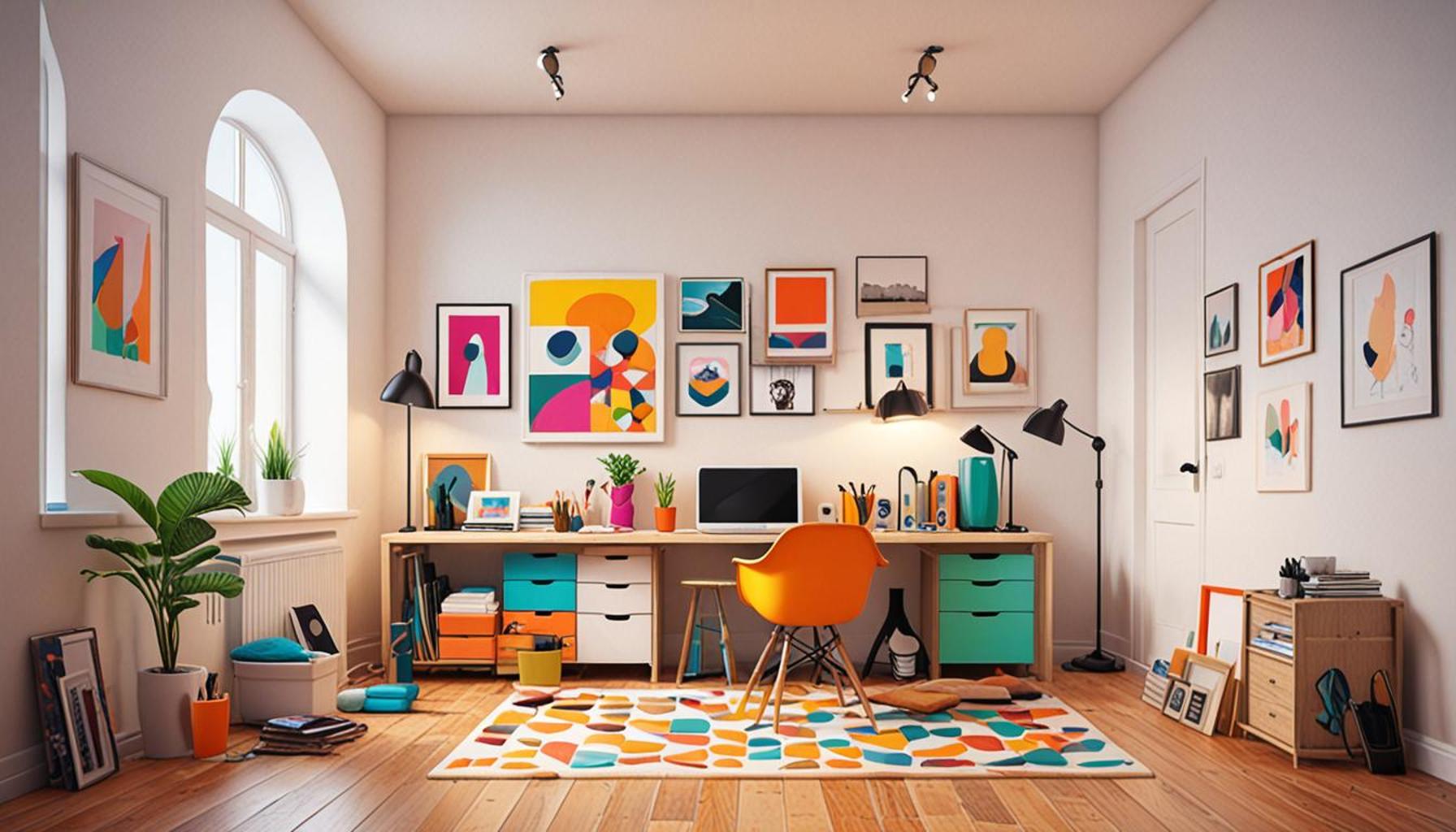
In a world overflowing with distractions and material possessions, the pursuit of minimalism has emerged as a powerful antidote. This lifestyle emphasizes clarity, calmness, and attractiveness in our surroundings. By adopting minimalist principles, we open doors to the possibility of a more focused and intentional life.
The Benefits of Minimalism
Minimalism is more than just a trend; it is a transformative way of living that encourages individuals to prioritize what truly matters. Here are some key benefits that arise from embracing minimalism:
- Enhanced focus: By reducing the number of distractions in our environment, we can concentrate better on our tasks and what brings us joy.
- Less clutter: A minimalist approach promotes a clean space, allowing for a clearer mind. This is particularly significant in bustling urban areas, where noise and chaos abound.
- Simplified decision-making: With fewer possessions, the constant decisions about what to keep and what to discard become less overwhelming. This simplification can alleviate stress and lead to a more gratifying lifestyle.
Minimalism in a Nigerian Context
In Nigeria, where the contrasts between modernity and tradition often coexist, embracing minimalism can resonate deeply within communities. The rapid urbanization seen in cities like Lagos and Abuja often leads to smaller living spaces, making it vital to re-evaluate our living arrangements and organizational methods. Minimalism presents an opportunity for many Nigerians to emphasize functional aesthetics in their homes.
Essential Aspects to Consider in Minimalist Spaces
Creating a minimalist space involves careful consideration of various elements. Here are essential aspects to reflect upon when organizing your environment:
- Functionality: Prioritize items with a specific purpose. For instance, kitchen gadgets that serve multiple functions can reduce clutter, while furniture that doubles as storage can keep spaces tidy.
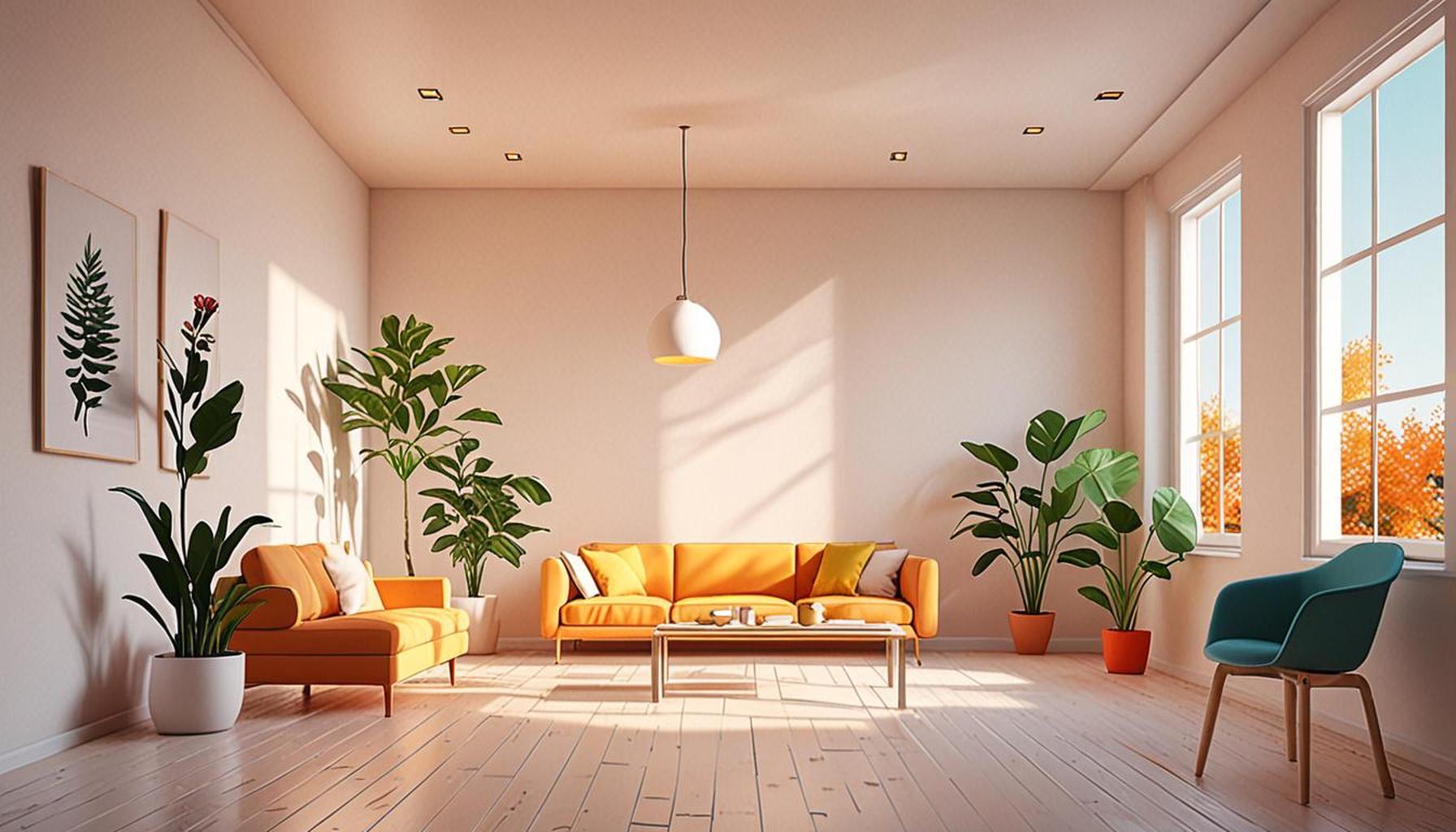
- Aesthetic Appeal: Choose a color palette that reflects tranquility. Soft, neutral tones such as whites, beiges, and light greys can create a serene atmosphere, contrasting sharply with the vibrant colors of traditional Nigerian textiles.
- Natural Elements: Incorporate plants to infuse life into your space. Indoor plants are not only a decorative touch but also improve air quality, creating a refreshing environment.
Strategies for a Minimalist Lifestyle
As we explore the strategies for organizing with minimalism in mind, it becomes evident that this approach can revitalize our surroundings and enhance our mental well-being. Consider the following tips to help cultivate a minimalist lifestyle:
- Regularly review your possessions and remove items that no longer serve a purpose in your life.
- Embrace quality over quantity by investing in well-made items that will withstand the test of time.
- Schedule dedicated time to declutter and reorganize, ensuring that your space remains functional and inviting.
The journey toward a minimalist lifestyle is more vibrant and approachable than it seems, offering worthwhile insights for anyone aiming to achieve balance and harmony at home. Engaging with minimalism could lead to profound changes not only in your living space but also within yourself, ultimately encouraging a more satisfying and enriched existence.
YOU MAY ALSO LIKE: Read read another article
Understanding the Foundations of Minimalism
At its core, minimalism is about intentionality. It revolves around the idea that less is often more, urging individuals to question their attachment to material goods and the role these items play in their lives. By honing in on the essentials, we not only create aesthetically pleasing environments but also foster a sense of peace and clarity. Embracing minimalism in our homes and workplaces can lead to productive and harmonious spaces that nurture creativity and focus.
The Psychology of Clutter
Research indicates that clutter can significantly impact our mental health. Environments filled with excessive items can foster feelings of anxiety and overwhelm, making it challenging to concentrate or unwind. In Nigerian cities, where rapid development leads to increasingly confined living spaces, the burden of clutter is particularly evident. Understanding the psychology behind our possessions is vital. We often accumulate items based on emotional connections rather than their functional purpose, which can inadvertently hinder our well-being.
Assessing Your Environment
To embark on a minimalist journey, the first step is to assess your current surroundings. Consider the following aspects:
- Space Utilization: Analyze how you use each room. Are kitchen surfaces overcrowded with gadgets you rarely use? Does your living room become a storage area for forgotten items? Identifying these pain points will illuminate areas that require attention.
- Sentimental Items: Evaluate the emotional ties you have with certain possessions. While items may hold memories, it is essential to discern whether they warrant the space they occupy. Reflect on whether these possessions truly contribute to your life or if they simply linger as remnants of the past.
- Functional vs. Decorative: Strive to maintain a balance between items that serve a functional purpose and decorative objects that enhance the aesthetic of your space. Aim for a selection of pieces that combine both functions, like beautifully designed furniture that also offers storage solutions.
Taking time to assess your environment not only sets the stage for a more organized life but also provides clarity about what matters most to you. This critical evaluation is a pivotal move towards creating functional and attractive environments, allowing you to curate your space thoughtfully. As you begin to let go of the unnecessary, you will likely discover a renewed sense of freedom and an appreciation for simplicity.
Rethinking Possessions
As you venture deeper into the minimalist mindset, it becomes crucial to rethink your relationship with possessions. Every item in a minimalist approach should have a purpose, whether it serves a functional need or brings you joy. This philosophy can lead to profound changes not just in your living space but also in your mindset. In Nigeria, adopting this principle can redefine how we view tradition and modernity, marrying the two in a minimalist context that honors both heritage and practicality.
Implementing Minimalism in Your Space
Embracing minimalism in your decor not only enhances visual appeal but also fosters a sense of tranquility in your surroundings. The core principle of minimalism is to remove the excess, focusing on function and aesthetic. By prioritizing your needs, you can transform cluttered areas into open, welcoming spaces that breathe life into your home or workspace.
Prioritization of Functionality
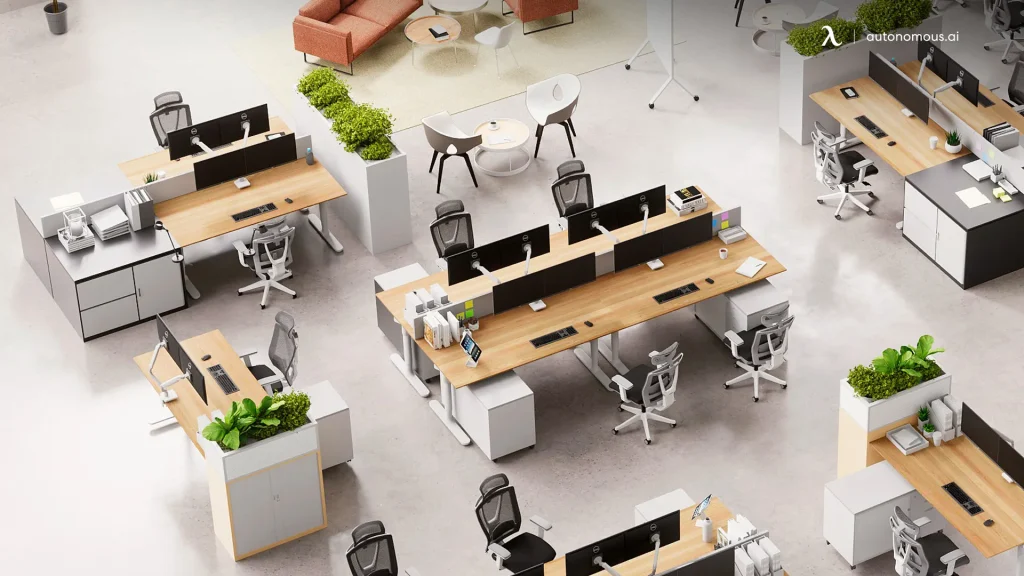
When organizing your environment, consider what truly serves a purpose. This approach ensures that every element within the space has a meaning, transforming the area into a sanctuary of productivity and comfort. For instance, investing in multi-functional furniture can save space while enhancing utility. A storage ottoman can serve as both seating and storage, streamlining your living area.
Color Psychology and Minimalism
Colors play a crucial role in creating a peaceful environment. Light, neutral tones can make a space feel larger and more inviting. Incorporating the principles of color psychology through a minimalist lens can lead to an atmosphere of calm and focus. Shades of white, beige, or soft grays can serve as a backdrop that allows your personal items to stand out without overwhelming the senses.
Decluttering: A Key Strategy
The process of decluttering is essential in implementing minimalism effectively. Start small by dedicating 10 minutes a day to decluttering a specific area. This manageable task can yield significant results over time. Organizing tools, such as baskets and labeled containers, can further enhance the simplicity of your environment while making it easier to maintain order.
| Category 1 | Category 2 |
|---|---|
| Space Efficiency | Maximizes usable space, reducing clutter. |
| Enhanced Focus | Promotes a calm environment, improving concentration. |
Minimalism fosters a connection between the environment and emotional well-being, encouraging individuals to live intentionally. By gradually adopting these strategies, you not only create an aesthetically pleasing environment but also cultivate a lifestyle that is both enriching and fulfilling. The journey towards minimalism is an exploration of self-discovery, where choices reflect values, and spaces resonate with authenticity.
CHECK OUT: Click here to explore more
Embracing the Art of Decluttering
Decluttering is a vital step in the journey toward minimalism and a more organized lifestyle. It’s not just about removing excess; it’s about making conscious decisions regarding what to keep in your space. For many, this can feel overwhelming, particularly in a bustling Nigerian city where the urge to hold onto items can be strong due to both sentimental ties and the lack of storage options in compact living spaces.
Strategies for Effective Decluttering
Here are some effective strategies to guide you through an intentional decluttering process:
- The 30-Day Minimalism Game: An easy way to introduce decluttering into your routine is through this challenge. Each day, you dispose of a number of items equal to the day of the month; for instance, on the first day, you remove one item, on the second day, two items, and so on. By the end of the month, you would have cleared out 465 items. This approach not only encourages rid of clutter but also brings awareness to your belongings.
- Mindful Decision-Making: When deciding what to keep or let go of, ask yourself critical questions: Does this item serve a purpose? Does it truly bring me joy? If not, it may be time to let it go. Adopting this mindset can transform how we view our possessions, shifting from attachment to practicality.
- One In, One Out Principle: To maintain a minimalistic lifestyle, embrace the idea of substituting new items with old ones. For every new purchase, commit to removing an existing item. This can help maintain the balance of your environment, encouraging more thoughtful consumption habits.
These decluttering strategies can be especially impactful in Nigerian urban settings, where limited space heightens the need for efficiency and functionality. Implementing these tactics promotes a culture of *conscious living*, encouraging less accumulation of unnecessary items.
Creative Organization Techniques
Once decluttering is under control, the next challenge is to organize what remains effectively. A well-organized space enhances functionality, making it easier to find and utilize every item. Achieving this balance requires innovative organizational techniques.
Functional and Attractive Organization Ideas
To create a more visually appealing and organized environment, consider these effective organization methods:
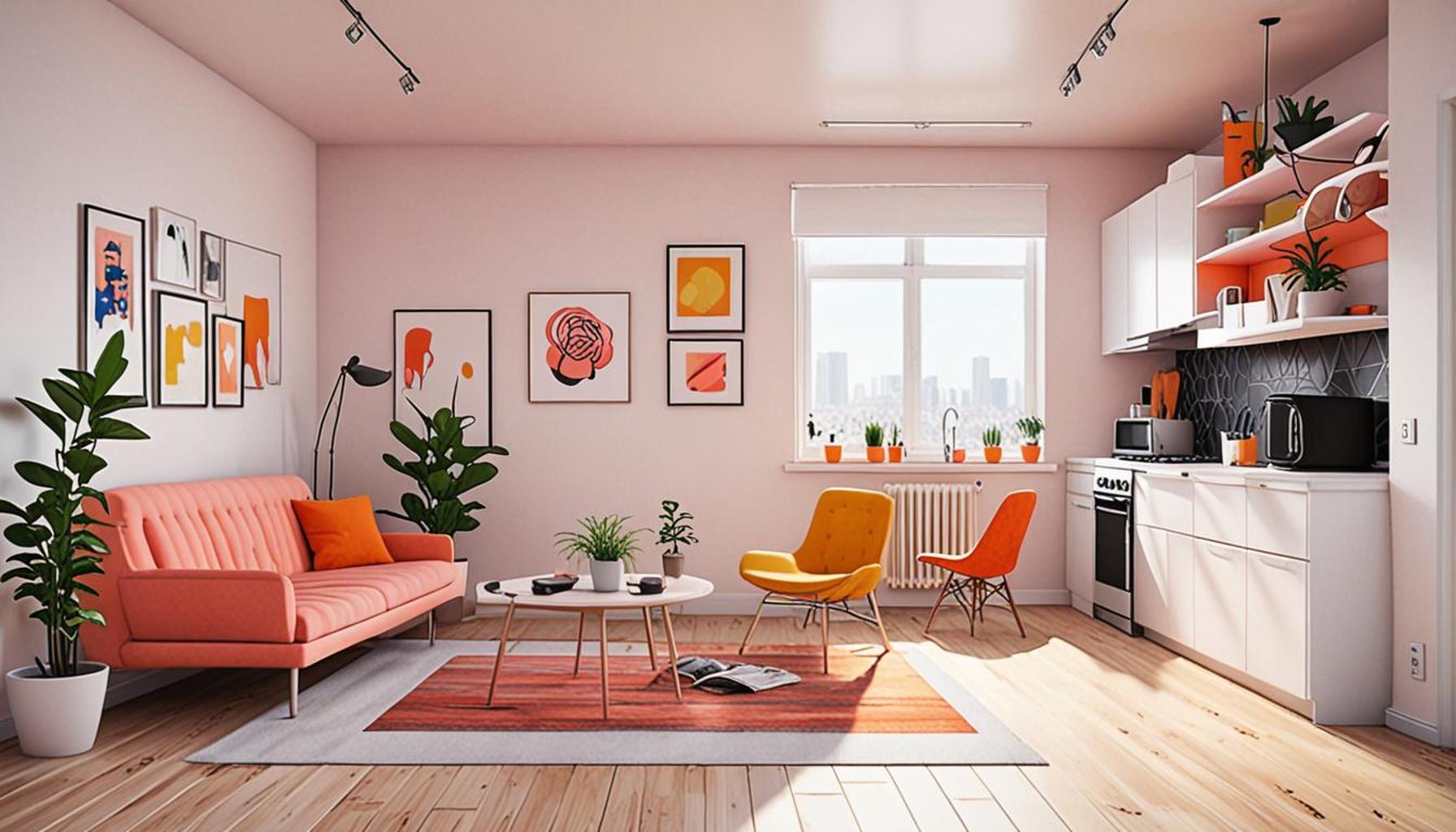
- Multi-Purpose Furniture: Integrating furniture that serves multiple functions, such as an ottoman that opens up for storage or a coffee table with drawers, can help optimize small spaces. In Nigerian homes, where families might share living areas, maximizing utility and aesthetics is essential for cultivating a serene atmosphere.
- Vertical Space Utilization: Make use of vertical space by incorporating shelves, pegboards, or hanging organizers. This not only frees up floor space but can become a part of your decor. For instance, beautifully arranged books or decorative items on wall-mounted shelves can serve both aesthetic and functional needs.
- Clear Storage Containers: Using clear bins can simplify the organization of small items, allowing you to see what’s inside without needing to rummage through each box. This can be particularly helpful for household supplies, ensuring everything has a designated home and is easy to locate.
Ultimately, the goal of minimalism and organization is to create spaces that are both practical and beautiful, enhancing daily living. Embracing these strategies in Nigerian homes encourages a systemic re-evaluation of habits and choices, leading towards a lifestyle characterized by simplicity and fulfillment.
YOU MAY ALSO LIKE: Read read another article
Conclusion
In the quest for a balanced and fulfilling life, minimalism and organization emerge as powerful allies. By embracing the art of decluttering and employing creative organization techniques, individuals can transform their living spaces into sanctuaries of simplicity and beauty. The strategies discussed throughout this article provide a roadmap that can be adapted to various circumstances, whether in bustling Nigerian urban environments or cozy rural abodes.
Through initiatives like the 30-Day Minimalism Game and mindful decision-making, decluttering becomes a manageable part of daily life. As we learn to release attachments to unnecessary items, we pave the way for a more intentional existence, fostering a culture of conscious living. Similarly, creative organizational methods such as the use of multi-purpose furniture and vertical space utilization not only enhance functionality but also elevate the aesthetic appeal of our spaces.
As we step into the future, it is crucial to remember that minimalism is not merely about having less; it is about making room for what truly matters. Each choice to let go of excess brings us closer to a lifestyle that prioritizes practicality and mindfulness, ultimately leading us to a life enriched by experiences rather than possessions. So, take the plunge: start your journey towards minimalist living today. You may find that in establishing functional and attractive environments, you also discover a renewed sense of peace and purpose.