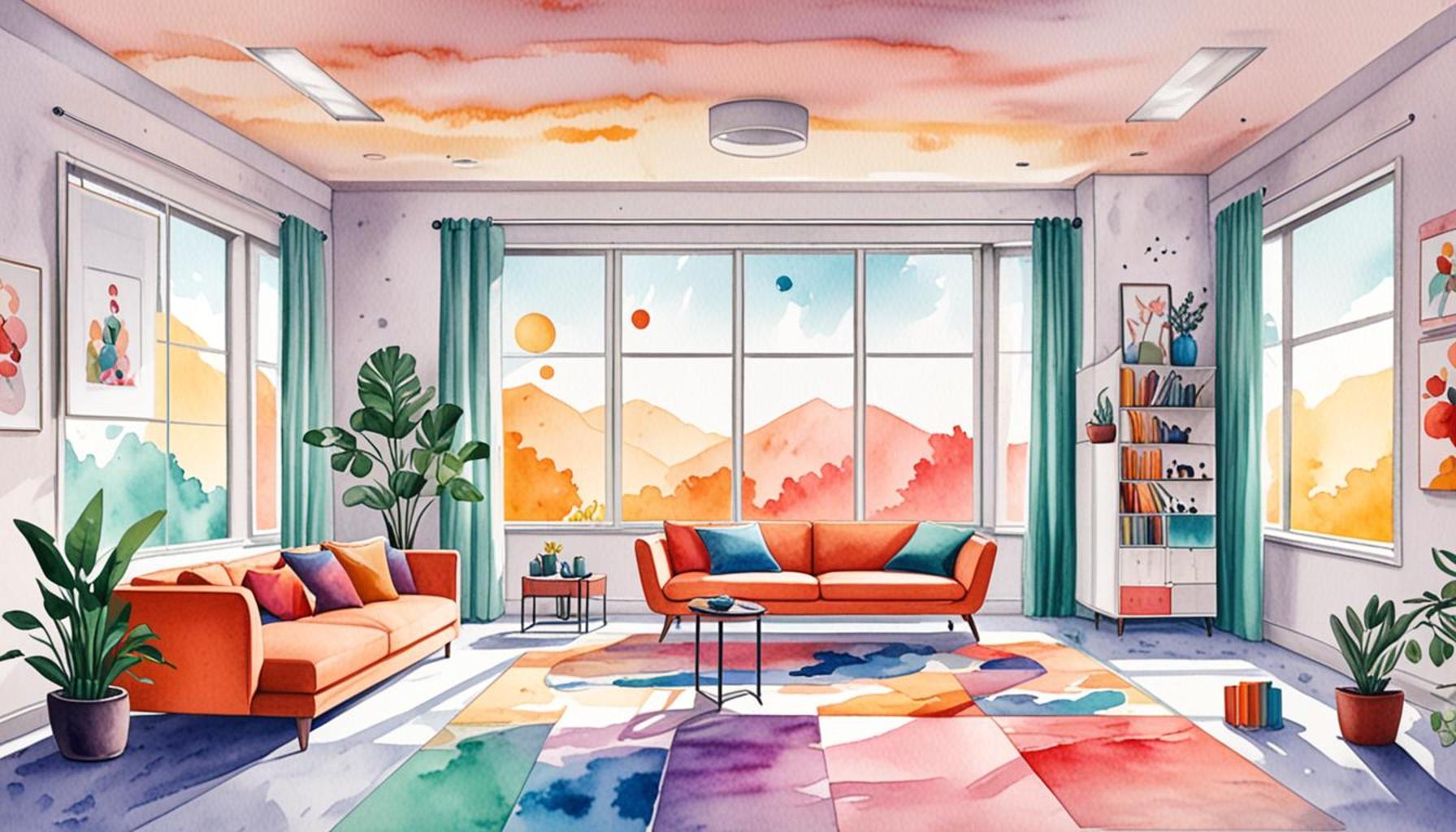
The Influence of Natural Light on the Creation of Minimalist and Efficient Spaces
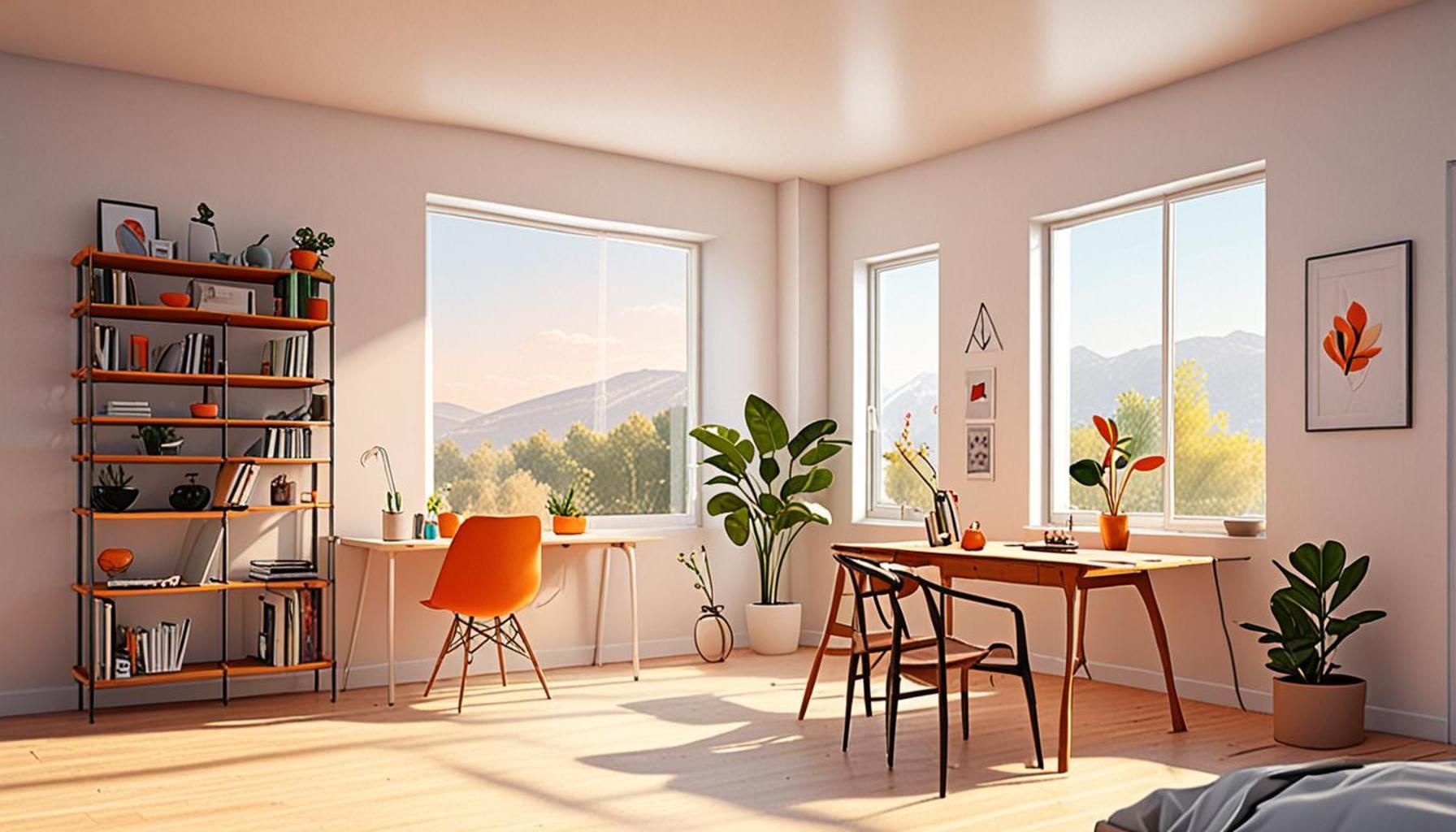
The Impact of Natural Light in Contemporary Design
Natural light, a powerful ally in architectural design, plays a multifaceted role beyond mere illumination. Particularly in countries like Nigeria, where the sun shines brightly for much of the year, harnessing this radiant resource can dramatically influence the functionality and appeal of spaces, especially when embracing a minimalist aesthetic.
One of the most immediate benefits of natural light is its ability to enhance ambiance. By flooding interiors with sunlight, spaces transform, feeling more expansive and inviting. In homes with large windows or strategically placed skylights, sunlight can create an engaging interplay of shadows and warmth throughout the day. This connection to nature not only beautifies a space but also cultivates a greater sense of peace and tranquility.
Moreover, utilizing natural light can significantly reduce energy costs. In Nigeria’s hot climate, designing buildings that maximize sunlight can lead to fewer hours spent relying on electric lighting. A well-placed window or light well can brighten a room while simultaneously promoting energy efficiency. This not only contributes to lower utility bills but also aligns with sustainable practices, minimizing environmental impact and supporting a growing global emphasis on eco-friendly living.
Interestingly, there is a growing body of research that links access to natural light with improved well-being. Exposure to sunlight has been associated with enhanced mood and increased productivity, making it an essential factor in workplace design. Offices and workspaces that incorporate ample natural light often see heightened creativity and reduced stress levels among employees. This is especially vital in Nigeria’s burgeoning tech hubs, where innovative design can foster a culture of collaboration and excitement.
- Residential Homes: Many contemporary Nigerian homes feature open floor plans with expansive windows that invite natural light, creating seamless transitions between indoor and outdoor living spaces.
- Offices and Workspaces: Companies like Andela have adopted designs that allow maximum daylight into their offices, enhancing employee engagement and reducing fatigue.
- Public Buildings: The National Museum in Lagos, for example, employs large skylights and open atriums that allow natural light to flood in, creating a welcoming atmosphere for community and cultural engagement.
As we continue to explore the transformative role of natural light in minimalist design, it becomes clear that this element is not merely an aesthetic choice, but a vital component of efficiency and health in contemporary urban environments. By understanding and leveraging natural light, Nigerian architects and designers are paving the way for innovative solutions that elevate both form and function in their projects. Such insights not only enhance the quality of individual living and working spaces but also contribute to the development of more vibrant and sustainable communities.

YOU MAY ALSO LIKE: Read read another article
Natural Light: A Cornerstone of Minimalist Design
In the realm of minimalist design, the symbiotic relationship between natural light and space cannot be overstated. The essence of minimalism lies in simplicity and functionality, and natural light serves as a catalyst for this philosophy. A well-lit space invites inhabitants to enjoy an unencumbered experience, embodied through clean lines and uncluttered surfaces. In Nigeria, where natural light is abundant, incorporating this element into design not only enhances the visual appeal but also optimizes the utilization of available space.
The use of large windows, glass walls, or open-air courtyards, common in modern Nigerian architecture, epitomizes how natural light can transform environments. Such design choices emphasize the connectivity between the indoor and outdoor world, fostering a sense of openness and freedom. This visually pleasing approach encourages occupants to appreciate their surroundings, thereby enhancing their overall experience. For example, homes in Lagos often showcase retractable doors that blend seamlessly with vibrant outdoor gardens, maximizing light exposure and enhancing the feeling of tranquility.
Moreover, natural light contributes not only to aesthetic beauty but also to practical functionality. The ability to illuminate spaces without relying heavily on artificial lighting defines efficiency in contemporary building practices. Research indicates that a thoughtfully designed space that employs natural light can reduce the need for electric lighting by up to 75% during daylight hours. In an energy-conscious country like Nigeria, where reducing electricity costs is imperative for many households, harnessing natural light comes with economic benefits that coincide with sustainable living practices.
In the context of workplace environments, incorporating natural light has shown remarkable benefits that extend beyond mere aesthetics. Studies reveal that office workers in spaces flooded with sunlight report lower stress levels, heightened productivity, and greater overall job satisfaction. Companies in Nigeria are beginning to recognize this trend, with many opting for design solutions that prioritize light-filled workspaces. Tech companies, in particular, are adopting these principles to cultivate an environment that stimulates creativity, collaboration, and innovation among their teams.
- Residential Designs: Many Nigerian homes are increasingly adopting large glass windows and open spaces to maximize natural light, effectively marrying functionality with minimalist design.
- Commercial Spaces: Businesses are turning to open layouts and glass facades, allowing ample natural light to stream in, which not only fosters a positive work culture but also helps to lower operational costs.
- Civic Architecture: Places like the Lagos State Secretariat employ expansive skylights to welcome natural sunlight, reinforcing their role as accessible hubs for community gathering and engagement.
The exploration of natural light in the context of minimalist and efficient spaces illustrates its foundational significance in fostering environments that promote wellness and connectivity. As architects and designers in Nigeria continue to push the boundaries of innovative design, integrating natural light into their projects serves as both a functional strategy and a philosophical statement, redefining how we perceive and interact with our spaces.
The strategic use of natural light has a profound impact on the creation of minimalist and efficient spaces, shaping not only the aesthetics but also the functional dynamics of interior environments. One crucial aspect of employing natural light is its ability to create a sense of spaciousness. When large windows or open layouts are utilized, light floods in, magnifying the dimensions of a room while minimizing distractions. This is particularly beneficial in minimalist design, where every element must serve a purpose, both visually and functionally.Furthermore, natural light enhances the quality of materials used in a space. For example, wood and stone appear more vibrant and textured when illuminated by sunlight, fostering a connection with nature and promoting a calming ambiance. When thoughtfully integrated, natural light encourages the use of sustainable materials, complementing the ethos of minimalism, which is often centered around environmental considerations.Another pivotal factor is the psychological influence of natural light. Studies indicate that exposure to natural light can enhance mood and productivity, making it essential for spaces designed for work and creativity. In minimalist designs, where simplicity prevails, the infusion of light can invigorate a space, creating an atmosphere that inspires efficiency and focus. As such, the role of natural light transcends mere illumination; it becomes a vital component in crafting environments that resonate with serenity, mindfulness, and functionality.As architects and designers continue to explore the intersections of light, space, and sustainability, the concept of adaptable environments emerges. Spaces that can shift between different light settings—enhancing natural light during the day and transitioning to gentle artificial lighting at night—can afford users remarkable versatility. This adaptability speaks to the core principles of minimalist design, promoting organization and intention within one’s surroundings.In summary, the influence of natural light in the creation of minimalist and efficient spaces is a dynamic interplay of aesthetics, functionality, and emotional well-being. By harnessing the wonderful properties of natural light, we can not only enhance the beauty of our environments but also promote healthier and more productive lives.
CHECK OUT: Click here to explore more
Maximizing Comfort: The Emotional Impact of Natural Light
Beyond its physical attributes, the impact of natural light on our emotional well-being and comfort cannot be overlooked. In minimalist spaces, which prioritize simplicity and emotional clarity, the interplay between light and design plays a crucial role in shaping our moods and perceptions. The calming effects of natural light can create atmospheres that invite relaxation and reflection, essential aspects for both residential and commercial environments.
Studies indicate that exposure to natural light can significantly boost serotonin production in the brain, effectively enhancing mood and reducing feelings of anxiety and depression. In Nigeria, where the hustle and bustle of city life can create a stressful environment, designing spaces that leverage natural light may help mitigate these emotional challenges. For example, the design of community centers in urban areas like Abuja often prioritizes large windows and open-air designs, which not only allow an abundance of sunlight but also foster a sense of community and well-being among residents.
Furthermore, the versatility of natural light extends beyond just residential aesthetics. In public and commercial spaces, architects are harnessing the architectural power of light to create engaging environments that inspire creativity and interaction. Workspaces designed with expansive ceilings and bright, airy layouts, such as those seen in coworking spaces in Port Harcourt, demonstrate how the strategic placement of windows can cultivate a stimulating atmosphere conducive to collaboration. This ethos aligns perfectly with the global trend toward more human-centric design, where emotional comfort is as important as visual appeal.
- Daylight Harvesting: Innovative buildings, like the Ndubuisi Kanu Park in Lagos, utilize sophisticated design techniques to maximize daylight, creating dynamic environments that shift throughout the day yet remain consistently inviting.
- Flexible Spaces: Minimalist designs such as open-plan studios in contemporary residences highlight how the integration of natural light creates fluidity between various areas, allowing for adaptability in how spaces are used.
- Health Benefits: Natural light is widely recognized for its health benefits, including improved sleep quality and enhanced concentration—essential factors for productivity in workplaces.
The incorporation of natural light in public spaces is also indicative of evolving perspectives on urban design. Educational institutions, such as the University of Lagos, are embracing large windows and atrium-style layouts to harness sunlight, fostering an environment conducive to learning while reducing energy consumption. These principles not only reflect a deep understanding of sustainability but also demonstrate a commitment to creating engaging environments that benefit both individuals and communities.
As a result, architects and urban planners in Nigeria are reassessing the role of natural light within the framework of minimalist and efficient spaces. By prioritizing the psychological and emotional benefits of sunlight alongside aesthetic considerations, there is a transformative potential that reshapes how we interact with our environments. This trend prompts us to critically evaluate how spaces can be designed not just for utility or beauty, but as nourishing habitats that support our daily lives through the magic of natural light.
SEE ALSO: Click here to read another article
Embracing Natural Light for Future Spaces
In conclusion, the influence of natural light on the creation of minimalist and efficient spaces is profound and multifaceted, reaching far beyond mere aesthetics. The strategic integration of sunlight not only enhances the visual appeal of environments, but it also significantly improves emotional well-being and productivity. As demonstrated in urban centers across Nigeria, such as the expansive designs of community centers in Abuja or educational spaces at the University of Lagos, the thoughtful use of light fosters settings where people can thrive, collaborate, and engage with one another.
The ongoing shift towards minimizing energy consumption and embracing sustainable building practices underscores the essential role of natural light in modern design principles. Features like large windows, atrium spaces, and open layouts highlight how architects are innovatively creating flexible and health-promoting environments. These designs serve not only to lessen reliance on artificial lighting but also to cultivate a sense of tranquility, which is highly appreciated amidst the fast-paced urban lifestyle prevalent in cities like Lagos and Port Harcourt.
As we move forward, it will be crucial for both architects and urban planners to continue prioritizing the incorporation of natural light within the design framework. This approach can help redefine our living and working spaces as nurturing habitats that contribute to improved mental health and overall quality of life. Therefore, by valuing natural light, we align ourselves with a vision of urban development that is not just efficient, but also enriching, inviting us to explore how the simplest element—light—can profoundly transform our spaces and experiences.