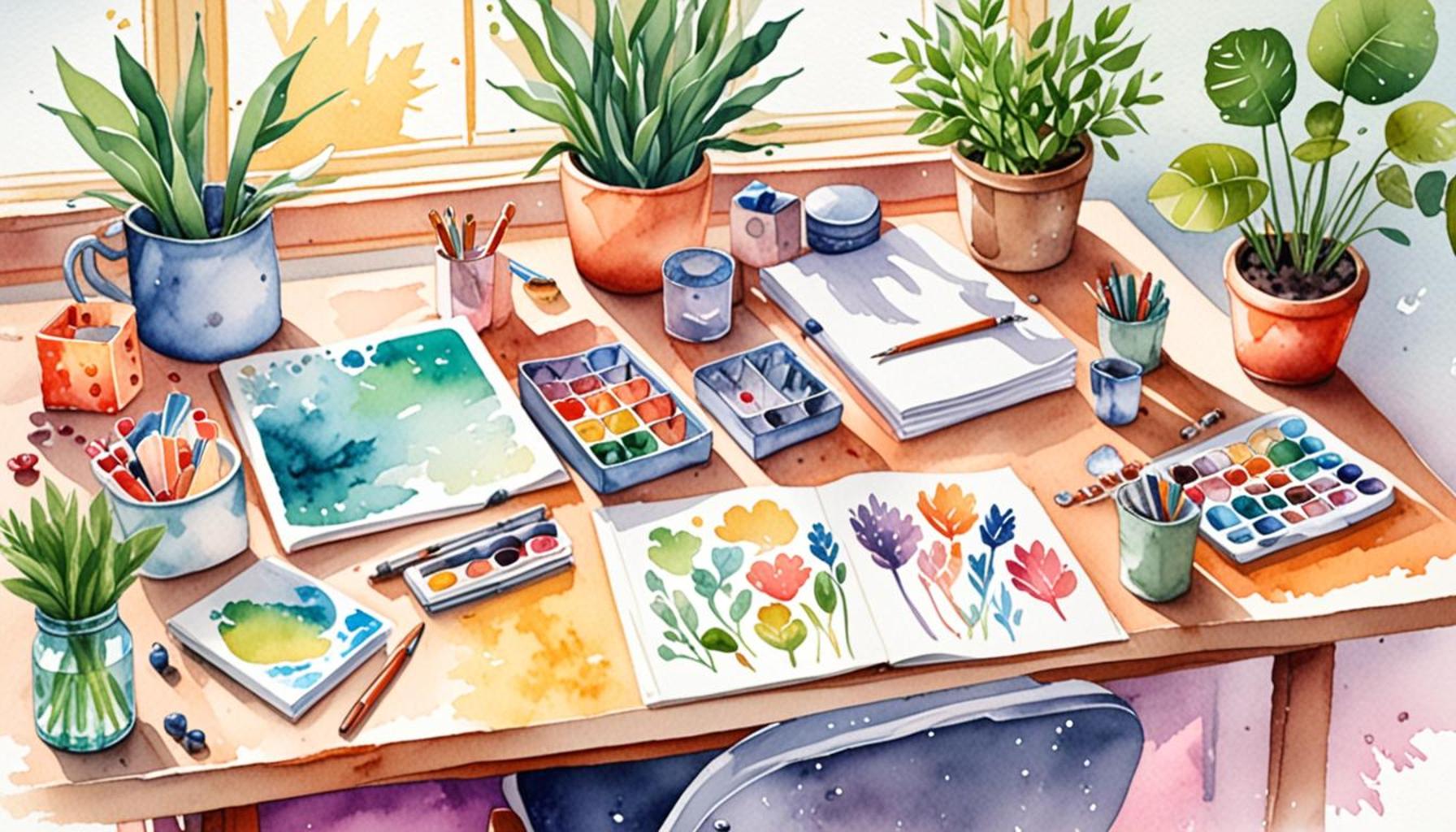
Mindful Living: Incorporating Mindfulness Practices in Furniture Selection and Minimalist Decoration
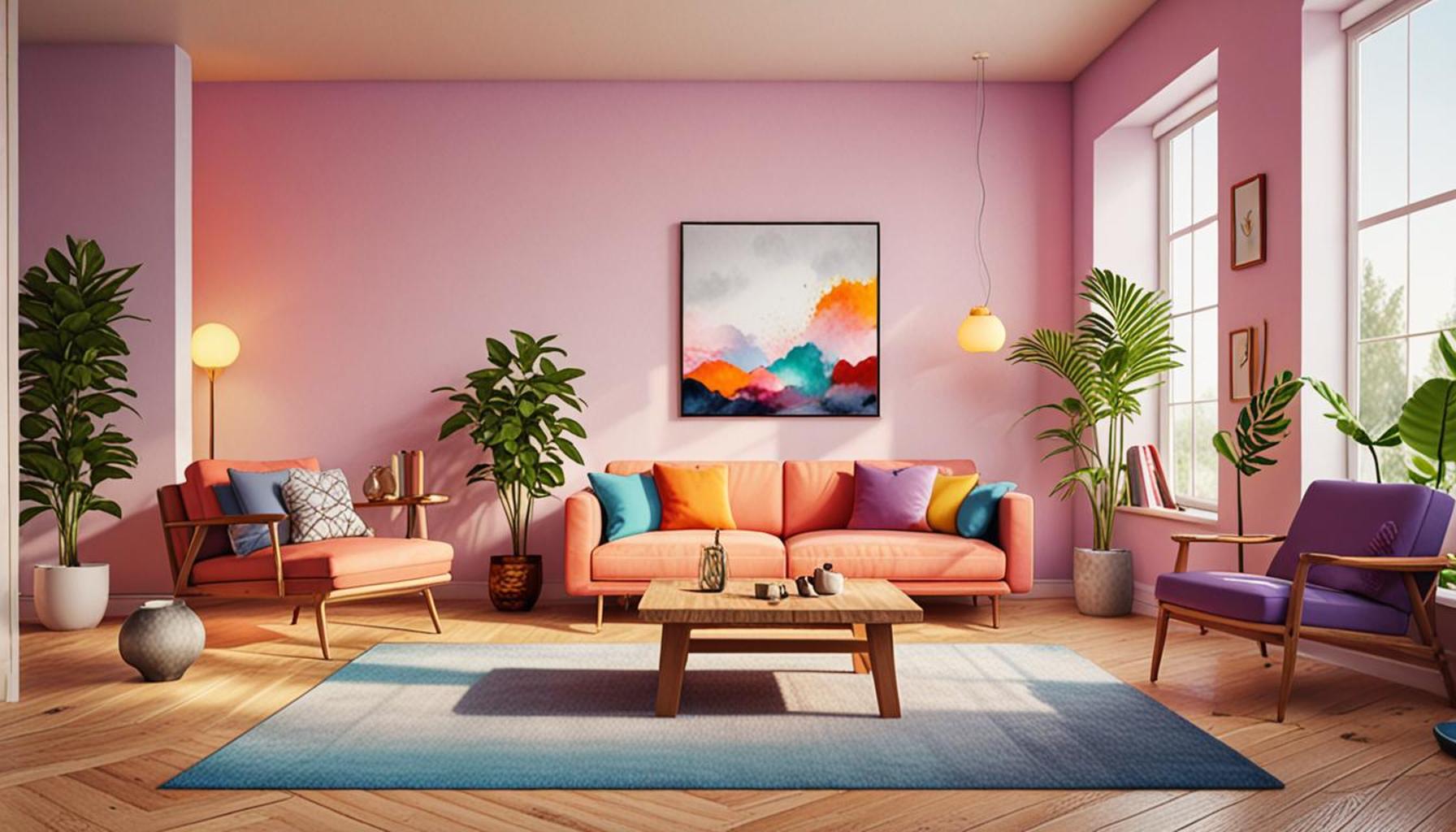
Understanding Mindful Living Through Decoration
Creating a serene living environment goes beyond mere aesthetics; it involves intentional choices. Mindful living is about making decisions that promote well-being and harmony, especially in your home. One effective way to achieve this is through mindfulness practices in furniture selection and minimalist decoration. In a fast-paced world, particularly in urban Nigeria, where bustling markets and vibrant street life can overwhelm the senses, carving out a peaceful retreat at home has never been more essential.
Key Elements of Mindful Home Design
- Simplicity: Embrace a decluttered space that fosters tranquility. Consider removing excess items from your living space; for example, you could organize your books by color or size, leaving only the essentials on display. This promotes not only a neat appearance but also an environment that encourages calmness.
- Quality over Quantity: Choose well-crafted pieces that resonate with your values. Investing in a few unique items, such as a beautifully crafted Igbo or Yoruba stool, can provide character and warmth to your home, showcasing craftsmanship and cultural heritage.
- Natural Materials: Opt for sustainable resources that support both health and the environment. For instance, furniture made from bamboo or reclaimed wood not only reduces environmental impact but also connects you to nature, promoting comfort and wellness.
In Nigeria, characterized by its rich cultural tapestry, the integration of local craftsmanship and minimalist philosophies can redefine modern living. Imagine a home adorned with handcrafted wooden furniture from local artisans, woven baskets made from natural fibers, and textiles featuring traditional patterns. These elements not only add aesthetic value but also tell a story about your personal journey and cultural roots.
The Benefits of Mindful Selection
- Enhanced Focus: Reducing distractions leads to increased productivity. A clean workspace with minimal décor, such as a simple desk with just a lamp and a few necessary tools, can significantly improve your ability to concentrate.
- Emotional Well-being: A clutter-free environment promotes peace of mind. Consider incorporating elements like soothing color schemes inspired by Nigeria’s landscapes—earthy tones of the savannah or vibrant hues of local art—to create a peaceful ambiance that calms the mind.
- Cultural Awareness: Incorporating local designs fosters a sense of community and pride. Displaying artworks from Nigerian artists not only beautifies your space but also supports local talent and keeps you connected to your cultural heritage.
By weaving mindfulness into every aspect of your living space—from furniture choices to decorative items—you invite a lifestyle that nurtures your spirit and supports sustainable practices. The commitment to mindful living through decoration transforms your home into a sanctuary, making each day a little bit brighter and life a little more meaningful. Embarking on this journey encourages you to create not only a physically beautiful space but also an emotionally nurturing one, echoing the rich cultural legacy of Nigeria.
ADDITIONAL INSIGHTS: Expand your understanding here
Transforming Spaces with Intention
In the quest for a harmonious living environment, the concept of mindful living emphasizes the importance of thoughtful design in our homes. As urbanization surges across Nigeria, the opportunity to create a haven through mindful furniture selection and minimalist decoration becomes paramount. By intentionally selecting furniture and decor that resonates with our values, we craft spaces that not only look good but also foster inner peace.
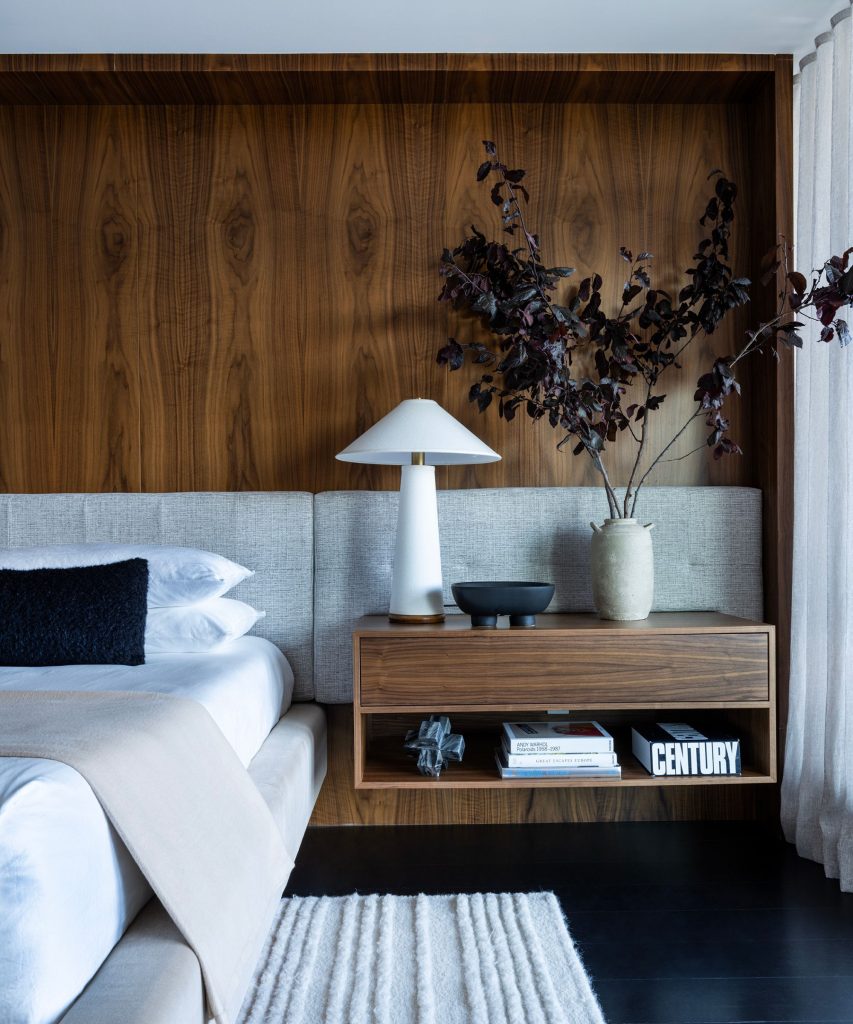
Curating Your Space: The Process of Mindful Selection
When it comes to cultivating a mindful space, the journey starts with understanding the essence of your environment. This involves reflecting on which pieces truly bring joy and comfort into your home. Here are some essential considerations when choosing furniture and décor:
- Functionality: Every item in your living space should serve a purpose. Whether it’s a chair designed for relaxation or a table that encourages family gatherings, prioritizing functionality ensures that each piece contributes to your daily life and enhances your well-being.
- Emotional Connection: Select items that evoke positive memories or feelings. A handcrafted item from a local artisan or a piece of family heirloom can provide a sense of belonging and history, making your space feel uniquely personal.
- Visual Harmony: Mindful living involves creating a balanced aesthetic. Stick to a unified color palette and design style that provides a calming effect. Using soft, natural tones can mimic the soothing vistas of Nigeria’s landscapes, creating a tranquil environment.
Moreover, embracing minimalist principles can significantly impact your mental health. Removing excess clutter and focusing on quality over quantity allows you to experience each piece more fully. For example, instead of overwhelming your living room with numerous decorative items, you might opt for one or two striking pieces, such as an intricately painted calabash or a vibrant textile that serves as a conversation starter. These singular items can tell rich stories and resonate deeply with your cultural identity.
The Role of Nature in Mindful Decoration
Integrating elements from nature can profoundly enhance your home’s ambiance. In Nigeria, where nature’s beauty is abundant, incorporating plants can elevate your living space while also purifying the air. Consider introducing indoor plants like snake plants or pothos, both known for their air-purifying properties and ease of care. Not only do these plants bring life to your home, but they also serve as a constant reminder of the natural world, encouraging mindfulness and a sense of calm.
Furthermore, using natural fibers for rugs and curtains can soften the visual appeal of your space and establish a connection with the earth. Materials such as jute or cotton maintain a rustic charm and can be sustainably sourced, aligning with the broader philosophy of mindful living.
Ultimately, the essence of mindful furniture selection and minimalist decoration lies in understanding your unique needs and desires. By embracing this conscious approach, you invite an atmosphere of serenity into your life, allowing each element of your home to reflect not just beauty but also purpose and mindfulness. In a culture rich with diversity and creativity, the journey toward mindful living through decoration stands as a pathway to deeper self-awareness and community connection.
| Advantage | Key Characteristics |
|---|---|
| Clarity in Living Space | A minimalist approach facilitates greater focus and reduces distractions by creating a tidy environment. |
| Emotional Well-being | Using furniture that promotes mindfulness can lead to enhanced emotional health and reduced anxiety through a serene atmosphere. |
| Sustainable Choices | Selecting furniture made from sustainable materials aligns with ethical consumption and mindfulness toward the environment. |
Mindful living encourages the selection of furniture that not only serves a purpose but enhances overall well-being. This practice emphasizes the importance of each piece in one’s living space, favoring items that induce tranquility and foster harmony. Selecting sleek, uncluttered designs can transform an environment, promoting a sense of calm that resonates throughout the home.Additionally, adopting a minimalist aesthetic invites individuals to reflect on their consumption habits. It promotes thoughtful purchases over impulsive ones, encouraging furniture selection that echoes one’s values and aspirations. This conscious approach not only elevates the aesthetic of the home but also nurtures a deeper connection to personal spaces.Exploring mindfulness practices in decor can transform ordinary living areas into sacred spaces where tranquility reigns, ultimately steering users toward a path of enhanced mindfulness and lifestyle satisfaction. Understanding the implications of our choices in furniture selection is integral to embracing the broader philosophy of mindful living.
YOU MAY ALSO LIKE: Read read another article
Creating a Sanctuary: The Importance of Space Clearing
Mindful living extends beyond choosing specific furniture pieces; it also requires nurturing the energy of our spaces. This peels back the layers of our environments, emphasizing space clearing as a crucial practice in establishing mindful decor. For many Nigerians, homes are often filled with memories, both good and bad, and the energy from past experiences can linger. Engaging in ritualistic practices of space clearing can help renew the atmosphere, providing a fresh canvas for your curated selections.
The Art of Decluttering
Decluttering aligns closely with the principles of minimalism, allowing us to let go of items that no longer serve a purpose. This process not only frees physical space but significantly impacts mental clarity. To begin your decluttering journey, consider the following approaches:
- The Marie Kondo Method: Inspired by the popular tidying expert, the focus is on retaining only items that spark joy. As you assess each possession, ask yourself if it incites positive feelings or memories. If not, it may be time to part ways.
- One In, One Out Rule: This practice encourages you to maintain a balanced approach to acquiring new items. For every new piece of furniture or decor you bring into your home, commit to removing an existing item, preventing clutter buildup.
- Seasonal Purging: Set aside time at the start of each season to evaluate your belongings. This ritual not only keeps your space tidy but allows for a periodic reassessment of your lifestyle needs.
As you pursue the art of decluttering, keep in mind that each item removed contributes to a clearer, more peaceful environment, aligning seamlessly with the ethos of mindful living.
Emphasizing Cultural Heritage in Minimalism
In the African context, embracing minimalism does not equate to stripping your space of personal or cultural identity. Instead, it offers an opportunity to select fewer yet more meaningful pieces that celebrate your culture. Many Nigerian artisans create stunning furniture that echoes traditional craftsmanship with a modern flair. Consider incorporating handmade wooden stools or textiles that feature local motifs, which serve as functional pieces while also honoring artistic heritage.
By balancing minimalism with cultural appreciation, you cultivate an environment deeply woven with personal narratives. Every item from the bold, woven Aso Oke fabric on your sofa to the intricate carvings of a wooden table can tell a story, allowing your space to become a gallery of both memories and creativity.
Implementing Mindful Practices in Daily Life
Incorporating mindfulness into furniture selection and decoration is just the beginning. Engage with your space through daily practices that reinforce this intention. Create rituals around your living environment, such as:
- Meditative Spaces: Designate a corner of your home as a mindfulness zone. Equip it with comfortable seating and soft lighting, where you can practice meditation, read, or simply reflect in silence.
- Mindful Movement: Arrange your furniture in a way that promotes easy movement throughout your home. This not only enhances flow but also supports a sense of ease and tranquility.
- Mindful Maintenance: Regularly tending to your space helps preserve its intentional feel. Dusting, organizing, and refreshing decor with seasonal items can reinvigorate your environment and promote a continued connection to mindfulness.
Through these mindful practices, your home transcends beyond a mere structure. It evolves into a true sanctuary, a reflection of your values and aspirations for a balanced life, exemplifying the essence of mindful living.
YOU MAY ALSO LIKE: Read read another article
Conclusion: Embracing Mindful Living Through Thoughtful Choices
In an age where materialism often overshadows personal connection, mindful living invites us to reevaluate our spaces and the items we cherish. By integrating mindfulness practices into furniture selection and minimalist decoration, we create homes that not only reflect our aesthetic preferences but also resonate with our values and cultural identities. The act of choosing fewer, more meaningful pieces empowers us to craft environments that foster peace and clarity.
Through space clearing, we are reminded of the importance of releasing old energies to welcome fresh, positive vibes into our lives. The art of decluttering enhances mental clarity, allowing for a peaceful sanctuary that serves both functionality and story-telling. By choosing to incorporate elements that celebrate our rich cultural heritage, such as handcrafted items from local artisans, we ensure our spaces remain rooted in authenticity while embracing modern minimalism.
As you navigate your own journey towards mindful living, consider daily practices that reinforce your intentions. Create meditative spaces, foster ease of movement, and engage in consistent maintenance to rejuvenate your environment. Each mindful choice contributes not just to a beautiful home, but to a more intentional lifestyle. Ultimately, the path of mindful living transforms our homes into reflections of our aspirations, serving as a backdrop for our most cherished moments and a source of enduring tranquility. The journey is beautiful and personal, encouraging each of us to dive deeper into both our spaces and ourselves.