Embrace Minimalism Transform Small Spaces into Functional Areas
Transforming Small Spaces with Minimalism
In a world where clutter often overwhelms our daily lives, minimalism has emerged as a refreshing alternative. This approach isn’t just about living with less; it’s about embracing simplicity and functionality, even in the tightest of spaces. With urban living on the rise and the trend for smaller homes increasingly popular, the need for effective space management is more relevant than ever.
Minimalism can empower us to create environments that spark joy and productivity. By focusing on essential items and decluttering our surroundings, we can transform small spaces into highly functional areas that serve our everyday needs. This article will guide you through practical steps to achieve this transformation.
What to Expect
- Insights into the principles of minimalism.
- Practical tips for reorganizing your space.
- Top 5 strategies for maximizing functionality.
Get ready to explore how you can turn your limited square footage into a showcase of efficiency and style.
Top 5: Minimalism in Practice – Transforming Small Spaces into Functional Havens
Living in a small space often poses unique challenges, such as limited storage and a potential for clutter. However, embracing minimalism can turn these constraints into opportunities for creativity and improved organization. By adopting this lifestyle, known for its simplicity and intentionality, you can maximize small living areas, making them not only functional but also aesthetically pleasing. Here, we delve into the top five ways to transform your tiny corners into fully functional environments that cater to your needs while maintaining a certain level of charm and style.
5. Use Multi-Functional Furniture
One of the core principles of minimalism is getting the most out of your possessions. Multi-functional furniture is a perfect embodiment of this concept, allowing you to save space, reduce clutter, and maximize utility. Imagine living in a compact apartment where every square foot counts. Here, multi-functional furniture can make all the difference. For instance, a sofa bed serves as an inviting sofa for lounging during the day and easily converts into a comfortable bed at night, thus fulfilling dual roles without compromising on space.
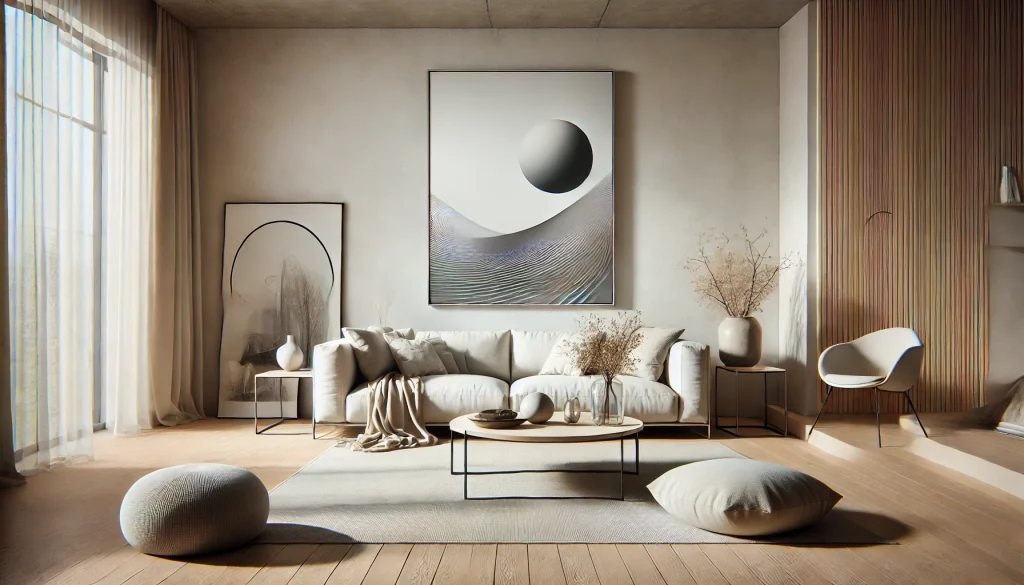
There are several practical furniture options to consider:
- Ottomans that contain hidden storage, ideal for stashing away blankets, magazines, or other small items.
- Murphy beds, also known as wall beds, which fold away when not in use, freeing up significant floor space for daytime activities.
- Expandable dining tables that adjust in size to accommodate extra guests, yet remain compact for everyday use.
By carefully selecting multi-functional pieces, you can transform your limited space into a versatile and adaptable living area that meets all your living needs.
4. Create Vertical Storage
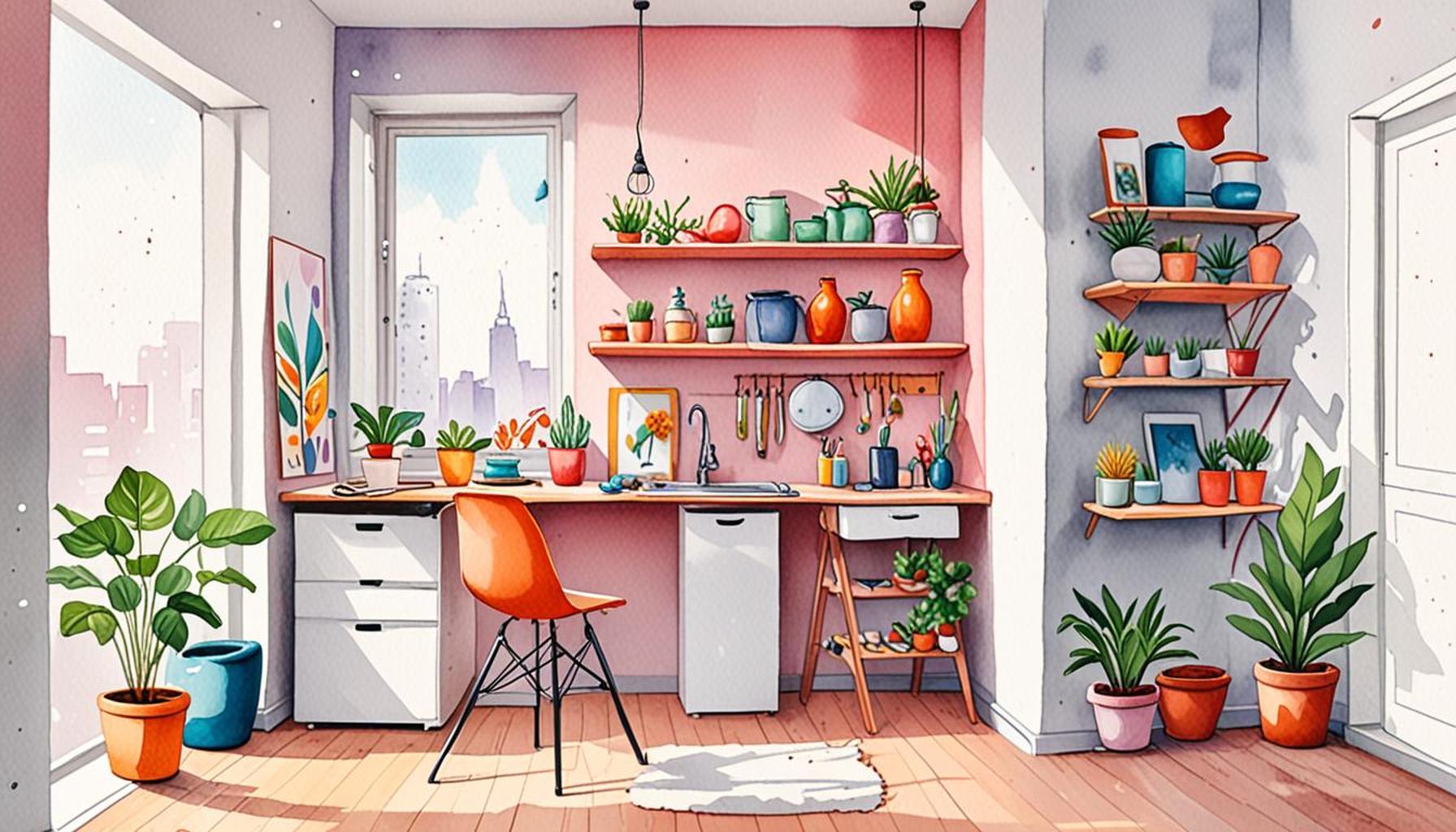
In the realm of space design, walls are often an underestimated asset, particularly in small spaces. Vertical storage solutions harness the underutilized upward space, offering a clever way to reclaim essential floor real estate and maintain an organized home. Imagine a small kitchen with low counter space. By installing wall-mounted cabinets or floating shelves, you can efficiently store dishes, cookware, and even decorative items, all while keeping your countertops free for food preparation.
Consider these vertical storage ideas:
- Floating shelves not only provide a sleek look but also serve as a functional display for books or decorative pieces.
- Wall-mounted hooks for hanging coats, hats, or accessories, optimizing entryways or bedroom corners.
- Pegboards in kitchens or workshops offer customizable and versatile storage for tools, utensils, or gadgets.
Optimizing wall space through vertical storage not only enhances functionality but also draws the eye upward, creating an illusion of height and openness within any room. By doing so, you can turn your compact environment into a more spacious and inviting place.
3. Prioritize Decluttering
One cannot overstate the importance of decluttering when striving to create a functional space. A minimalist approach encourages a deliberate examination of your belongings, prompting you to question each item’s usefulness and value in your life. This exercise not only frees up physical space but also brings mental clarity and peace of mind. Think of a cluttered living room packed with belongings. By systematically removing items that no longer serve a purpose, you create room for essentials, ultimately crafting a serene and efficient living area.
To master the art of decluttering, consider these steps:
- Start small by tackling one room or section at a time, which makes the task more manageable and less overwhelming.
- Adopt the “one in, one out” rule, ensuring that for every new item brought into your space, an existing item is removed, thus preventing future clutter buildup.
- Donate, sell, or responsibly recycle items that you haven’t used recently or don’t foresee needing again.
By regularly decluttering, you enable your living space to serve as an efficient sanctuary, free from unnecessary distractions.
2. Embrace Light Colors and Lighting
The impact of color and lighting on how spaces are perceived is significant, especially in smaller areas. Light colors such as whites, creams, pastels, and soft neutrals can dramatically transform a room, making it appear larger and more open. These hues reflect more light than darker colors, enhancing natural light and making spaces feel brighter and airier.
Implementing smart lighting solutions can further elevate your space:
- Maximize natural lighting by keeping windows clear of heavy drapery and opting for light, sheer curtains to allow sunlight in.
- Apply layered lighting techniques combining ambient, task, and accent lights to create depth and set the desired mood.
- Use wall sconces or floor lamps to reduce the need for bulky table lamps, keeping surfaces uncluttered.
Incorporating a well-considered lighting plan alongside a light color palette will not only enhance functionality but also imbue your small living areas with vibrancy and a sense of spaciousness.
1. Create Defined Zones
Lastly, one of the most effective ways to achieve functionality in a constrained space is to create defined zones. When each area in your home serves a specific purpose, it facilitates organization and promotes efficiency. In a studio apartment, for instance, separating your sleeping area from your workspace can increase productivity while enhancing your ability to relax or sleep undisturbed.
Strategies for effective zoning include:
- Arranging furniture to naturally divide living areas, such as using a bookshelf as a makeshift wall between your living room and dining area.
- Incorporating decorative screens or curtains to provide temporary separation, an excellent choice for shared or multi-purpose rooms.
- Using area rugs to visually demarcate different sections, giving each part of the room a distinct and intentional purpose.
By intentionally designing living spaces with defined zones, you not only optimize functionality but also cultivate a personalized environment that resonates with your lifestyle, allowing full creative expression within the confines of limited square footage.
In conclusion, minimalism is not solely about reducing the number of possessions. It is a thoughtful, deliberate practice of creating spaces that prioritize functionality and beauty, even in the smallest of areas. Through the use of multi-functional furniture, vertical storage, consistent decluttering, light colors and strategic lighting, and defined zones, you can transform your modest living space into a sophisticated, functional haven that meets your needs and reflects your personality.
| Category | Details |
|---|---|
| Space Optimization | In small environments, every square foot counts. Maximize available space by using multifunctional furniture such as fold-out tables and storage ottomans that serve dual purposes, reducing clutter while enhancing functionality. |
| Design Cohesion | A cohesive design aesthetic contributes to the illusion of larger spaces. Opt for a neutral color palette with consistent materials and finishes. This strategy helps blend spaces seamlessly, creating a sense of tranquility and order. |
| Natural Light Utilization | Harnessing natural light can drastically enhance a small room’s atmosphere. Use sheer curtains and strategically placed mirrors to reflect light, making the space feel open and airy, thereby mitigating the confines often felt in smaller rooms. |
| Vertical Storage Solutions | In limited spaces, going vertical is essential. Shelving, wall racks, and cabinets that ascend upwards not only save floor space but also add visual interest to walls. This approach encourages organization while making use of often-overlooked storage opportunities. |
In the exploration of minimalism in small spaces, space optimization emerges as a critical factor. One effective way to work with limited square footage is by incorporating multifunctional furniture. This innovative approach allows spaces to adapt to various needs, such as a coffee table that transforms into a dining table, or a bed with built-in drawers for storage. Not only does this strategy help minimize visual clutter, but it also efficiently utilizes every inch of available space.Equally vital is achieving design cohesion. A unified aesthetic creates an aura of spaciousness, as disjointed designs can lead to visual chaos. Choosing a consistent color scheme and similar materials will allow the areas to flow into each other, making spaces not just look larger, but also more inviting. This principle is critical in establishing a relaxing environment, essential for personal comfort.Moreover, the effective utilization of natural light cannot be overstated. Bright, well-lit spaces feel less confined. Careful arrangement of windows, along with the right window treatments like sheer curtains, can enhance brightness. Additionally, mirrors can be placed strategically to reflect light, further amplifying the brightness and sense of space. Finally, small spaces scream for vertical storage solutions. Tall bookshelves, hanging organizers, and wall-mounted cabinets take advantage of vertical space, providing storage without compromising floor space. This method not only encourages tidiness but can also add an element of style to your decor, as these storage units can be personalized to reflect one’s sense of design.In essence, the principles of minimalism are not just about simplification; they are about strategically transforming limited spaces into functional, aesthetic marvels. The right approach can unveil the true potential of small environments, making them not only livable but also enjoyable and inspiring.
Frequently Asked Questions about Minimalism in Practice
What are the first steps to applying minimalism in small spaces?
The journey towards minimalism begins with a shift in mindset. The first step is to declutter and eliminate excess items from your space. Prioritize belongings that serve a purpose or bring you joy, and consider donating or selling what no longer fits this criterion. Organizing items into categories can help you systematically decide what to keep and what to discard.
How can minimalism improve the functionality of a small space?
Minimalism advocates for the philosophy of “less is more,” which is crucial for small spaces. By reducing clutter and focusing on essential furniture, you can maximize the available area. This approach allows for enhanced mobility and accessibility within the space. Small spaces become more functional as each item serves a specific purpose, often offering multi-functional uses such as a bed with storage options or a foldable desk.
Can minimalism coexist with personal style in interior design?
Absolutely! Minimalism does not mean sacrificing your personal style. It involves curating your space with select pieces that reflect your personality and taste while maintaining a clean and uncluttered look. The key is to focus on intentionality—choosing art pieces, color schemes, and furniture that resonate with you without overwhelming the space. A minimalist aesthetic can be personalized through textures, materials, and accents that subtly express individuality.
Are there any challenges associated with maintaining a minimalist lifestyle in small spaces?
Maintaining minimalism requires discipline and regular evaluation of your belongings. A common challenge is the temptation to accumulate unnecessary items over time. To combat this, establish a habit of routine decluttering and embrace the practice of “one-in, one-out.” Additionally, finding storage solutions that are both practical and stylish can sometimes be a struggle, but creative options are readily available, from vertical shelving to hidden compartments.
How can lighting influence the perception of space in minimalistic environments?
Lighting plays a crucial role in how space is perceived. In minimalistic environments, natural light can create a sense of openness and elevation. Use sheer curtains or blinds to maximize daylight penetration. For artificial lighting, opt for layered lighting solutions like pendant lights, floor lamps, and recessed lights to create depth and dimension. Proper lighting can accentuate the simplicity and elegance of a minimalist design, making a space appear larger and more inviting.
Conclusion
In the pursuit of a minimalist lifestyle, transforming small spaces into functional environments is not only achievable but also rewarding. This article explored several crucial strategies for embracing minimalism in practice, offering readers a comprehensive guide to optimizing space and enhancing personal organization. Incorporating core minimalist principles—such as decluttering, prioritizing functionality, using neutral tones, maximizing vertical space, and investing in multipurpose furniture—can dramatically alter the dynamics of limited living spaces.
Decluttering is the foundation of minimalism, as it allows for an uncluttered space that fosters mental clarity. By focusing on essential items, individuals can create a more serene environment. Functionality should always be prioritized, ensuring that each item serves a purpose. Neutral tones are also emphasized for their ability to make rooms appear larger and more cohesive. Vertical space, often overlooked, offers an ingenious solution to storage problems, while multipurpose furniture maximizes utility without overcrowding a room.
The transformative power of minimalism extends beyond aesthetics, offering practical benefits that enhance everyday living. By adopting these strategies, individuals are encouraged to explore new perspectives on space, highlighting the importance of personal organization and efficiency. This shift not only improves physical surroundings but also nurtures a mindset focused on simplicity and intentional living. As small environments are reimagined into functional and harmonious spaces, the beauty of minimalism is fully realized.
Ultimately, engaging with minimalism is a journey of continual learning and adjustment. As readers delve deeper into the principles outlined, they may discover further innovative techniques suited to their unique needs. In doing so, they join a growing movement toward sustainability and conscious consumption, leading to a more fulfilled and mindful lifestyle.