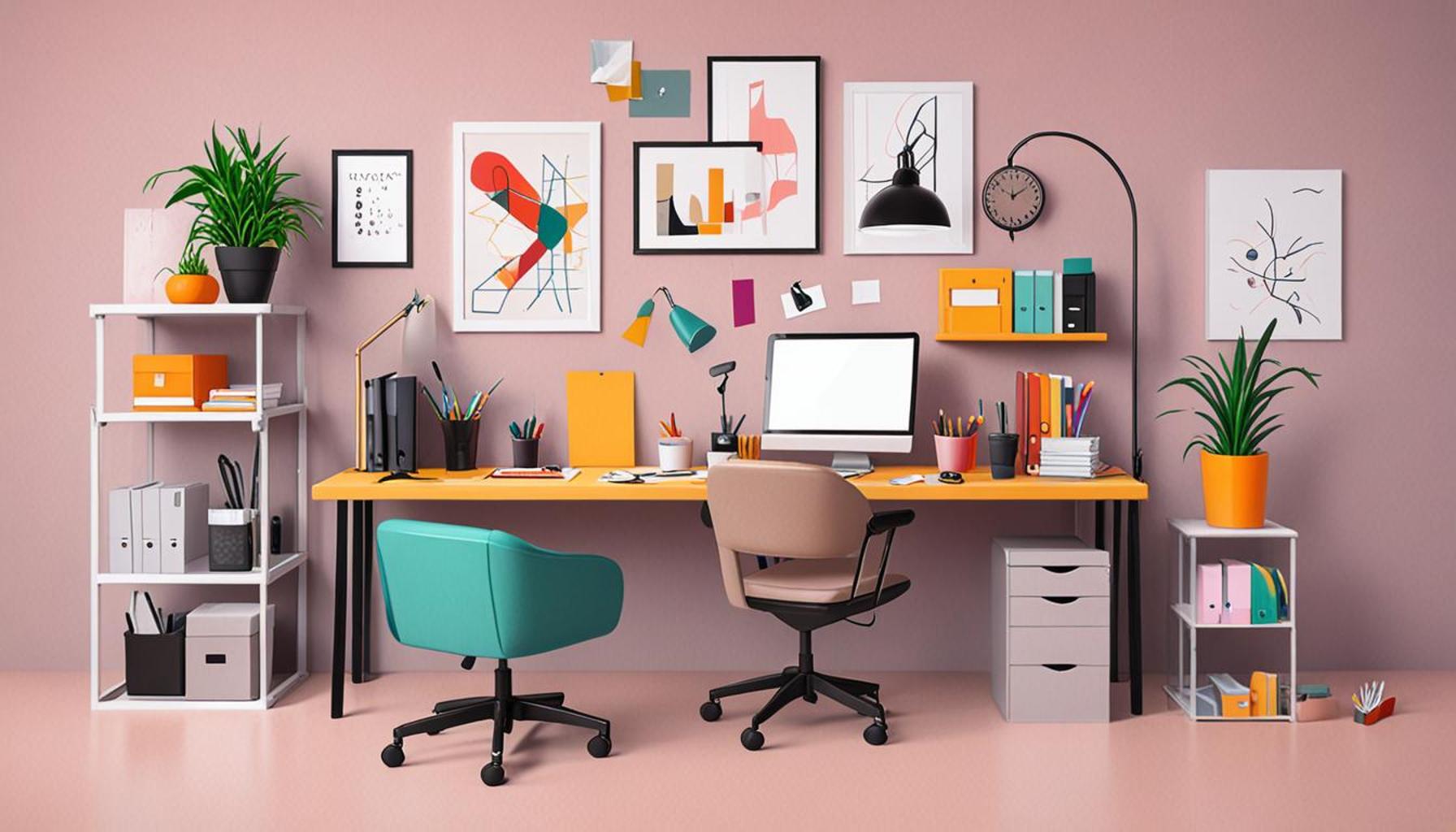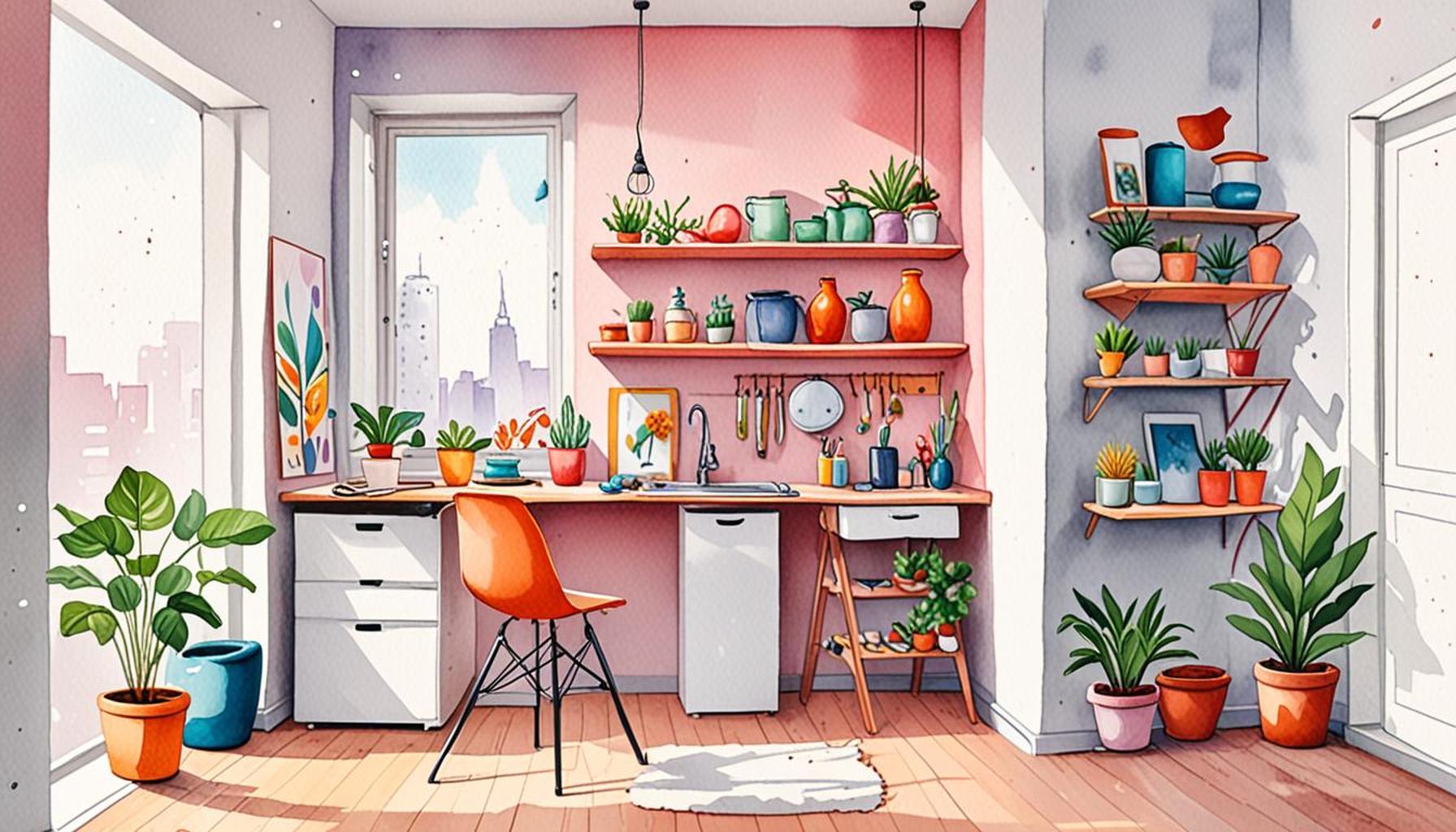
Integrating Nature into Minimalist Spaces: The Importance of Natural Elements for Efficiency and Harmony
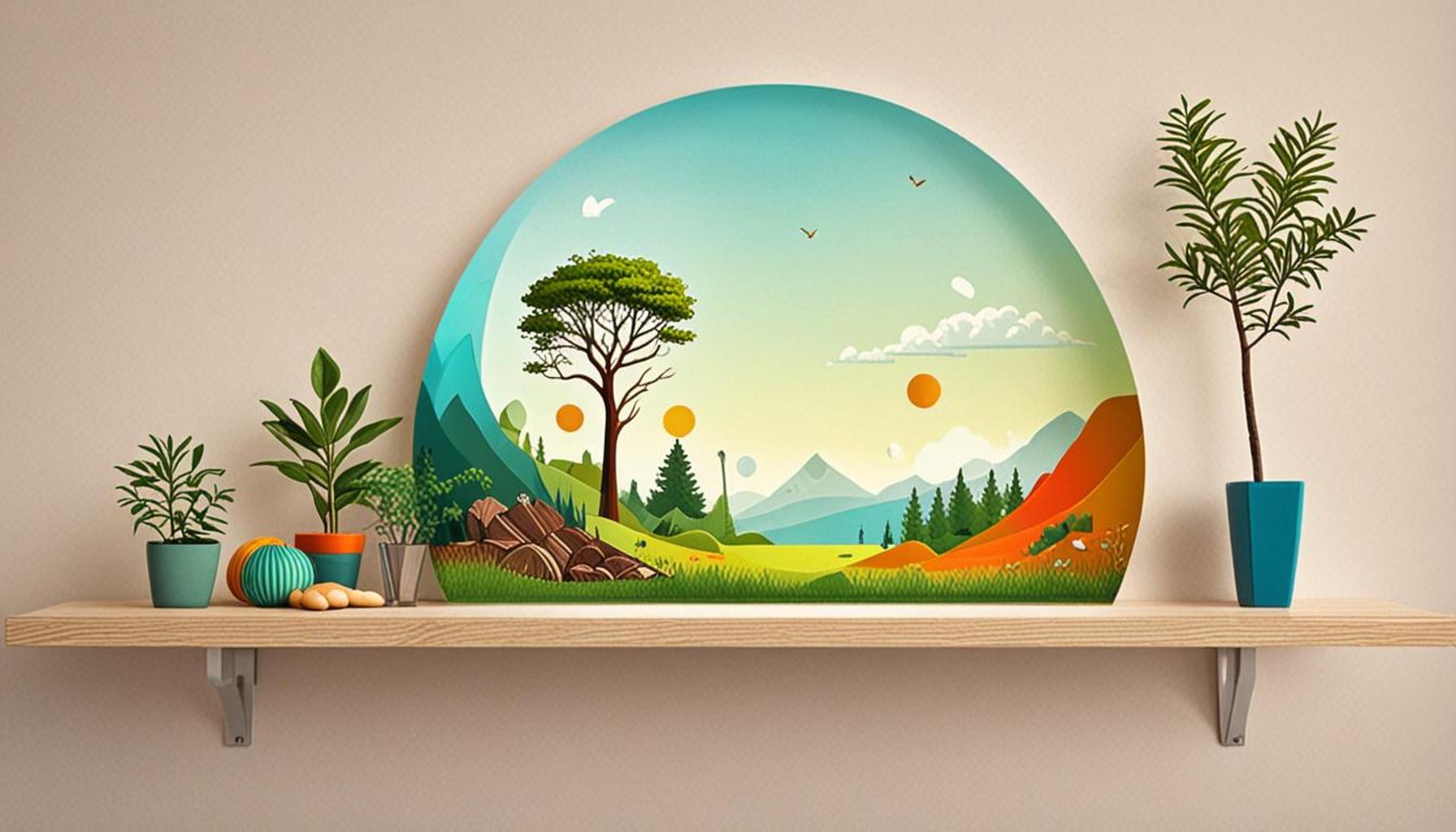
The Vital Role of Nature in Minimalism
As cities like Lagos and Abuja continue to grow, the busy lifestyles of their inhabitants often leave little room for tranquility. This is where the trend of minimalism comes into play, creating serene spaces that cut through the chaos of urban living. Integrating elements of nature into minimalist spaces not only revitalizes these areas but also proves to be essential for fostering an environment of calmness and efficiency.
Understanding the Importance of Nature in Design
Incorporating natural elements can be transformative, and there are three compelling reasons to consider:
- Improved Mental Clarity: Studies have shown that exposure to nature reduces stress levels and promotes enhanced focus. For instance, research indicates that office workers with plants nearby report higher levels of productivity and creativity.
- Enhanced Aesthetics: The understated charm of natural materials such as wood, stone, and plants can elevate the visual appeal of minimalist design significantly. An open-plan living area accentuated with rustic wooden furniture can create a warm, inviting atmosphere, while avoiding clutter.
- Connection to Nature: Urban environments often detach individuals from the natural world. By incorporating greenery, urban dwellers can reconnect with nature. A simple indoor herb garden not only beautifies the space but can also provide fresh ingredients for cooking.
Practical Integrations for a Balance of Nature
Transforming your living area can be as simple as adding a few thoughtfully selected items. Consider the benefits of indoor plants; plants like the indigenous African violet or the low-maintenance snake plant are not only hardy but thrive well in the urban settings of Nigeria. They inject just the right amount of vibrancy without overwhelming a minimalist aesthetic.
Moreover, utilizing natural light as a design element can make a significant difference. Large windows or strategically placed mirrors can reflect sunlight, brightening up a space and creating an illusion of openness. Textural elements, such as a jute rug or clay pots, can also enhance the sensory experience, making environments feel both spacious and intimate.
The challenge lies in seamlessly blending these elements of nature, ensuring the essence of minimalism is preserved while promoting a sense of vitality and balance. This delicate interplay can elevate a simple living space into a refreshing retreat amidst the bustling city life.
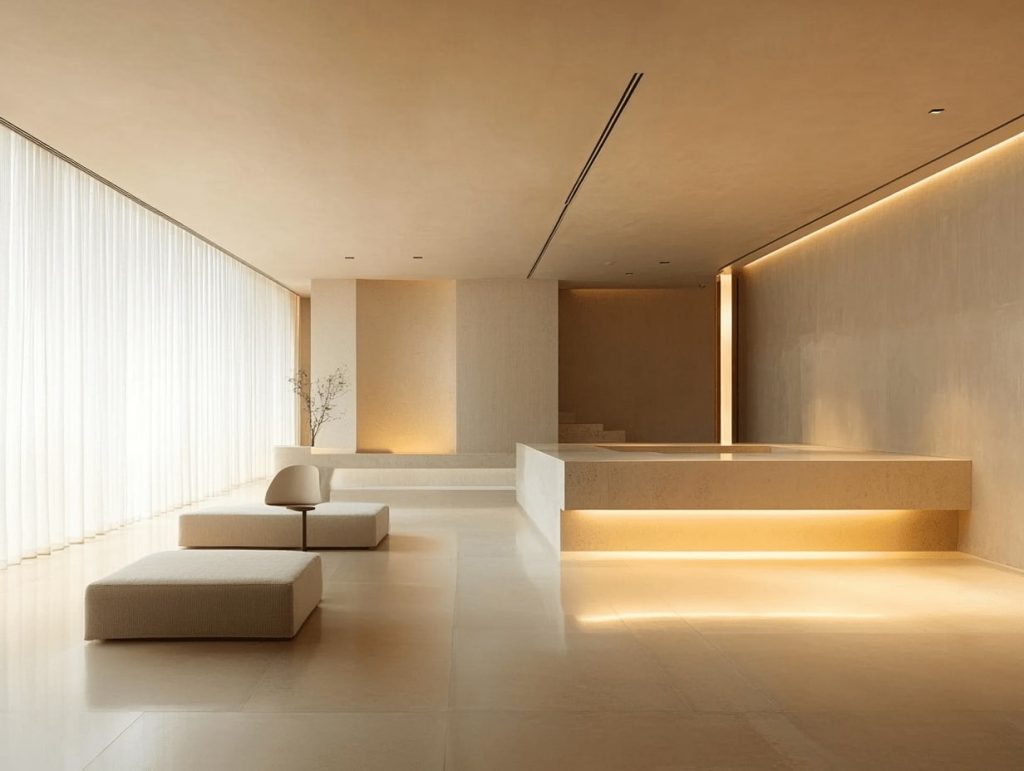
Conclusion: A Holistic Approach to Living
Integrating nature into minimalist settings provides benefits that go beyond aesthetics; it directly contributes to personal well-being and environmental sustainability. As more Nigerians embrace this lifestyle, they not only improve their quality of life but also foster a broader appreciation for the natural world surrounding them. Exploring these practical approaches can lead to a fulfilling journey towards creating spaces that reflect a harmonious balance between simplicity and nature.
YOU MAY ALSO LIKE: Read read another article
Bringing Nature In: Practical Tips for Minimalist Spaces
As urban living becomes synonymous with concrete jungles and fast-paced routines, the necessity of incorporating nature into our environments has never been more pressing. While minimalism champions simplicity, the integration of natural elements can elevate these spaces, enhancing not only their functionality but also their aesthetic appeal. Understanding how to blend nature with minimalist design can lead to an environment that is both efficient and harmonious.
Key Elements to Incorporate
When it comes to merging nature with minimalism, it’s essential to select natural components that promote a sense of serenity and balance. Here are some vital elements to consider:
- Indoor Plants: Opting for plants that thrive in enclosed settings can significantly improve air quality and add a lively touch to a space. Varieties such as the African violet, with its vibrant blooms, or the resilient snake plant can be perfect choices for any minimalist home. Not only do they add color, but they also require minimal maintenance, which aligns well with the minimalist ethos.
- Natural Lighting: Harnessing the power of sunlight can transform a space. Incorporate large windows, skylights, or open spaces that allow for ample natural light to flood the area. This strategy not only illuminates but also connects occupants with the outer world, creating a soothing ambiance.
- Earthy Textures: Utilizing materials like wood, stone, and woven textiles can add depth without cluttering the visual landscape. For instance, a jute rug can introduce warmth, while clay pots can serve as elegant vessels for your indoor plants, enhancing tactile experiences within your home.
The beauty of integrating these elements lies in their ability to coexist within the minimalist framework. When chosen thoughtfully, each piece becomes part of the overall narrative of tranquility and simplicity, rather than a distraction. Achieving this balance might require some trial and error, but the end result is a harmonious living space that feels both nurturing and functional.
Creating a Cohesive Design
The secret to successful integration of natural elements is establishing a cohesive design that adheres to minimalist principles. Start by decluttering your space; a minimalistic approach is defined by ‘less is more.’ Evaluate your existing decor and remove items that do not serve a purpose or bring joy. This paves the way for natural components to shine.
Consider the colors and patterns of the natural elements you are introducing. Sticking to a cohesive color palette allows plants and natural materials to complement the minimalist furniture and decor rather than compete for attention. For example, the subtle greens of plants can enhance neutral tones of furniture while adding a touch of life to the surroundings.
Furthermore, using art or decor inspired by nature—think landscape paintings or nature-inspired sculptures—can serve as a beautiful bridge between a minimalist aesthetic and the outdoors.
Integrating nature into minimalist spaces not only rejuvenates an environment but also provides a profound sense of tranquility amidst chaotic urban life. By carefully selecting and arranging natural elements, one can foster a space that resonates with both efficiency and harmony, inviting both peace and productivity into daily living.
| Natural Elements | Impact on Minimalist Spaces |
|---|---|
| Plants | Introduce life and color, improving air quality while creating a serene atmosphere. |
| Natural Light | Enhances mood and productivity, making spaces feel larger and more inviting. |
| Natural Materials | Wood, stone, and bamboo create texture and warmth, promoting a connection to the outdoors. |
| Water Features | Provide soothing sounds and visual appeal, enhancing relaxation. |
Integrating natural elements into minimalist spaces is not merely about aesthetics; it’s a holistic approach to creating environments that foster efficiency and harmony. One of the most crucial aspects is the use of plants, which not only add visual interest but also improve indoor air quality—essential in modern living where the well-being of inhabitants is paramount. Through strategic placement, plants can draw the eye and encourage tranquility, aligning perfectly with the minimalist ethos of simplicity and purpose.Moreover, natural light plays a pivotal role in the success of these designs. It uplifts the spirit and promotes productivity, making even the smallest space feel airy and expansive. This connection to nature through sunlight is essential for mental health, allowing inhabitants to feel grounded and connected to the world outside.Using natural materials such as wood, stone, and bamboo enhances the tactile experience of minimalist spaces, breathing life into otherwise stark environments. These materials evoke a sense of warmth and a connection to nature, promoting relaxation. Lastly, incorporating water features, such as small fountains or wall installations, can introduce soothing sounds that enhance the sensory experience, offering a refuge of calm in the bustling pace of modern life.Each of these elements contributes to a harmonious atmosphere that prioritizes well-being and efficiency, embodying the principles of minimalist design while celebrating the beauty of nature. By balancing these aspects, individuals can cultivate spaces that are both functional and nurturing, making the most of their living areas.
ADDITIONAL INSIGHTS: Expand your understanding here
Designing with Nature: Innovative Strategies for Comfort and Well-Being
As more individuals embrace minimalist lifestyles, the quest for harmony extends to how we interact with our living spaces. Integrating natural elements within minimalist environments fosters a productive atmosphere, aligns with psychological well-being, and cultivates emotional connections to our surroundings. Here are innovative strategies that can revitalize minimalist spaces while emphasizing efficiency and harmony through nature.
Nature-Inspired Color Schemes
Utilizing a nature-inspired color palette can transform a minimalist space and create a calm environment. Rich earth tones like ochre, taupe, and forest green evoke feelings reminiscent of the outdoors. Incorporating shades inspired by local landscapes, such as Nigeria’s vibrant savannah or lush tropical forests, can infuse spaces with authenticity. These color schemes not only reflect nature but also enhance the perception of natural light, making rooms feel more open and airy.
Further enriching these designs, consider incorporating local materials, such as hand-woven fabrics that showcase traditional craftsmanship. These textiles can be utilized in throw pillows or simple wall hangings, creating an inviting atmosphere without overwhelming the minimalist aesthetic.
Natural Soundscape
Sound plays a pivotal role in our perception of space, especially in urban locations where noise pollution is prevalent. Crafting a natural soundscape enhances well-being within minimalist spaces. Introduce sounds reminiscent of nature through elements such as a small indoor water feature or gentle wind chimes made from bamboo. Not only do these features create a tranquil atmosphere, but they also act as effective sound barriers that mitigate the hustle and bustle of city life.
Moreover, you can augment this experience by incorporating soothing acoustic elements, like soft instrumental music inspired by nature, which can help break the monotony of everyday routines, promoting relaxation and focus.
Indoor Gardening: A DIY Approach
Engaging directly with nature through indoor gardening can be immensely fulfilling and practical. By setting up a vertical garden or herb garden, individuals can maximize the use of space while adding greenery. Vertical gardens not only serve as stunning focal points but also benefit homeowners with fresh herbs and vegetables that can be used in everyday cooking. This approach not only fosters sustainability but enhances a sense of purpose and achievement.
For instance, local plants like basil, mint, or even the Nigerian leafy vegetable, Ugwu, can flourish in small pots and wall-mounted planters. These choices not only beautify but provide an engaging activity for individuals and families, further connecting them to their living environment.
The Role of Natural Elements in Productivity
There is growing evidence suggesting that integrating natural elements enhances productivity. A study published in the Journal of Environmental Psychology indicated that workplaces incorporating plants and natural light reported a significant boost in employee focus and creativity. This principle can be applied to home offices and study areas as well. Simple additions such as a personal desk plant or a window view of greenery can positively impact concentration levels. By designing functional workspaces that include natural components, one can cultivate an ambiance of calmness and alertness.
Ultimately, the thoughtful integration of these strategies underscores how nature can coexist harmoniously with minimalist living. Each decision made in design—from color selections to sound environments—contributes to creating a holistic space that prioritizes well-being and efficiency. Exploring these natural elements invites a deeper connection to our surroundings, transforming minimalist spaces into true sanctuaries of harmony.
YOU MAY ALSO LIKE: Read read another article
Conclusion: Embracing Nature to Enhance Minimalist Living
As we navigate the complexities of modern life, the call for integrating natural elements into minimalist spaces has never been more relevant. Harnessing the beauty and tranquility of nature within our homes and workspaces not only enriches our visual environment but also elevates our mental and emotional well-being. By employing strategies such as nature-inspired color schemes, creating a calming natural soundscape, and unleashing the joys of indoor gardening, we can transform bare, functional spaces into rejuvenating sanctuaries that resonate with harmony.
Furthermore, the benefits extend beyond aesthetics; numerous studies have shown that incorporating nature significantly increases productivity and creativity. These findings hold great promise not only for urban professionals seeking to enhance their home offices but also for families striving for a balanced lifestyle amid the distractions of city living. In Nigeria, where the vast array of local flora offers unique opportunities for customization, there is plenty of potential to personalize our connections with nature.
In conclusion, as we seek efficiency and harmony in our lives, let us remember that nature does not have to exist outside our minimalist ideals. Instead, it can serve as a cornerstone of our design philosophy—inviting serenity, fostering productivity, and establishing a deeper connection to the world around us. Embracing these natural elements in our living spaces is not merely a trend; it is a profound shift towards a more holistic existence, reminding us of the vital interplay between nature and minimalism.