
Mindful Living: The Impact of Mindfulness on Creating a Minimalist Lifestyle in Urban Communities in Nigeria
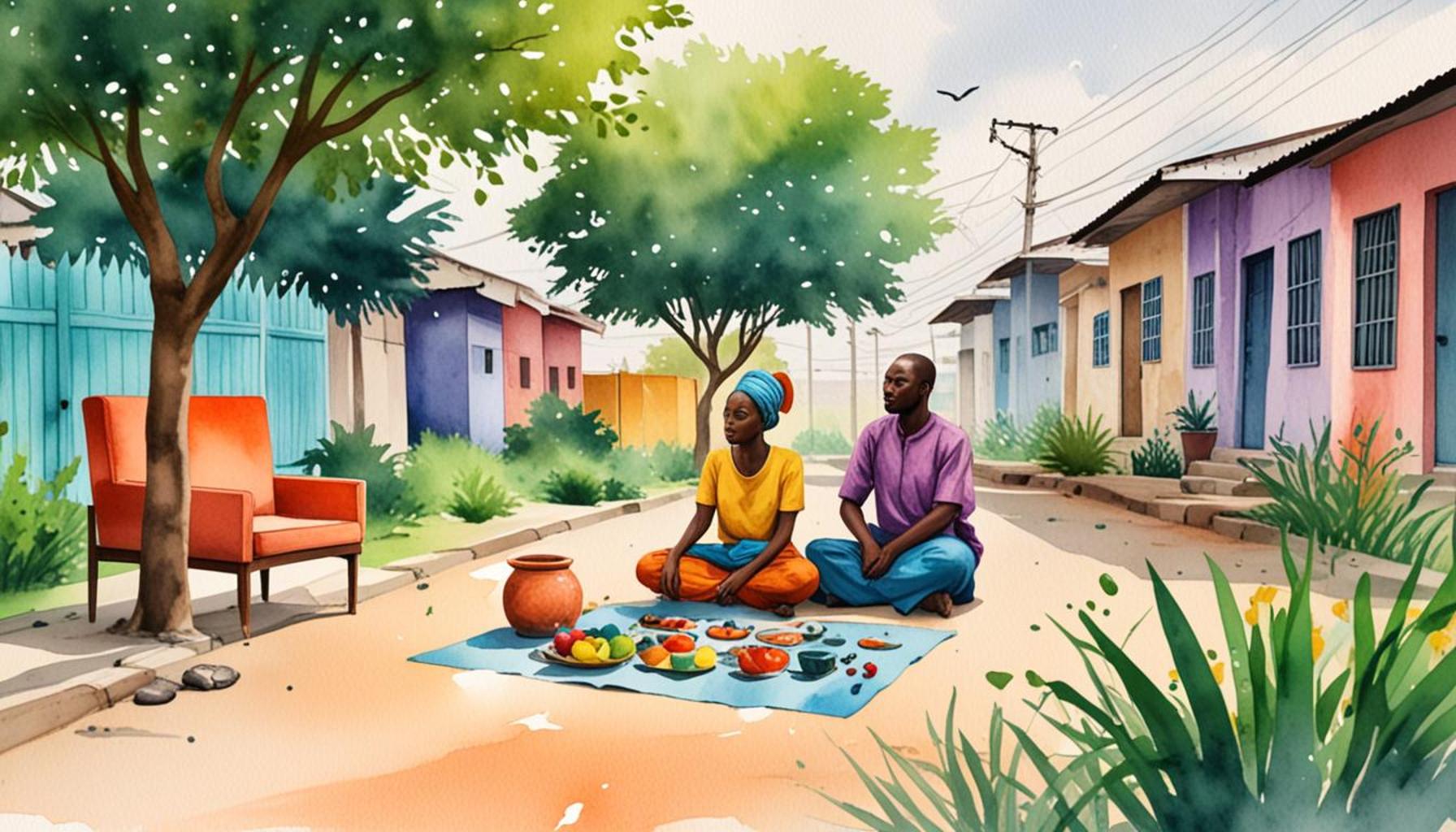
The Search for Serenity Amidst Urban Chaos
In the heart of bustling cities like Lagos and Abuja, where the rapid pace of life often overwhelms residents, many are yearning for a sense of tranquility. The practice of mindfulness serves as an essential tool for individuals navigating the complexities of modern urban living. By fostering a mindset grounded in presence and intentionality, mindfulness encourages individuals to seek simplicity in their daily routines, paving the way for a minimalist lifestyle. This approach is particularly vital in a world rife with distractions and pressures.
Nigerian urban centers are characterized by challenges such as skyrocketing population density, rampant consumerism, and an incessant flow of digital information. These conditions can lead to heightened stress levels and a perpetual sense of being overwhelmed. Practicing mindfulness allows individuals to:
- Prioritize their needs over wants – By focusing on what truly matters, individuals can divert their energy toward meaningful experiences and relationships, rather than superficial possessions.
- Reduce clutter in their physical and mental spaces – A decluttered environment can have a calming effect that promotes clearer thinking and emotional balance.
- Enhance their focus and productivity – Mindfulness practices teach individuals how to direct their attention purposefully, leading to greater efficiency in their daily tasks.
As mindfulness practices like meditation, yoga, and gratitude journaling gain momentum in urban Nigeria, their impact on embracing minimalism becomes increasingly evident. By cultivating greater awareness of their surroundings and practicing conscious decision-making, individuals can transform their living spaces and lifestyles. The benefits of this transformation extend beyond the individual, leading to:
- Increased emotional resilience – Mindfulness equips individuals with tools to cope with stress and adversity more effectively, fostering greater mental strength.
- A stronger sense of community – Engaging in mindfulness can encourage social interactions based on understanding and support, facilitating deeper connections with others.
- Environmental sustainability through reduced waste – By adopting a minimalist mindset, individuals are less likely to indulge in excessive consumption, contributing positively to the environment by reducing their carbon footprint.
This exploration into the relationship between mindfulness and minimalism highlights a crucial paradigm shift for urban dwellers in Nigeria. By embracing these practices, individuals not only improve their quality of life but also contribute to a more sustainable future for their communities. As urban Nigerians continue to seek solace amid the chaos, the principles of mindfulness and minimalism offer compelling pathways toward fostering serenity and meaningful living.
RECOMMENDED: Check out this similar article

Mindfulness as a Catalyst for Change
In the quest for minimalism within the concrete jungle of urban Nigeria, mindfulness emerges as a transformative catalyst. As residents confront the tangled web of daily distractions, the practice of mindfulness becomes a beacon of clarity, guiding individuals toward intentional living. This journey towards minimalism is not merely about reducing physical clutter; it is about simplifying all aspects of life—emotional, mental, and social.
The initial step towards embracing a minimalist lifestyle is the recognition of the overwhelming influence of consumer culture. In cities like Lagos, where flashy billboards and social media influencers tout the latest must-haves, individuals often lose sight of their true needs. By integrating mindfulness into their routines, urban dwellers can cultivate a heightened awareness of their consumption patterns. This awareness leads to a pivotal decision: What truly adds value to my life?
Practicing mindfulness allows for this self-reflection, fostering a deeper connection to one’s experiences. Here are some essential aspects that illustrate how mindfulness can drive minimalism in urban Nigeria:
- Self-awareness and Conscious Consumption – Mindfulness encourages individuals to pause and reflect before making purchases. This practice helps in distinguishing between genuine needs and desires fueled by external influences.
- Emotional Detachment from Possessions – Urban consumers often tie their self-worth to the things they own. Mindfulness helps individuals detach their identity from material possessions, facilitating a desire for a simpler lifestyle.
- Creating Sustainable Routines – Mindfulness fosters intentional living, which naturally leads to the establishment of sustainable habits, such as reducing waste and recycling, further enhancing the minimalist approach.
Moreover, mindfulness practices, such as daily meditation or even mindful walking, can significantly reduce the mental clutter caused by the fast-paced city life. In urban Nigeria, where individuals are bombarded with deadlines, news, noise, and social interactions, the chaotic environment can cloud their judgment and elevate stress levels. Mindfulness teaches techniques to cope with this chaos, allowing individuals to navigate life’s demands calmly.
As these practices become integrated into the daily lives of urban Nigerians, a ripple effect occurs. Families begin to adopt similar principles, creating homes filled not with excess, but with purpose and meaning. The shift from “more is better” to “less is enough” paves the way for stronger family bonds, as individuals prioritize quality time over material possessions.
This shift is especially pertinent in a rapidly urbanizing society where traditional values and communal living are often overshadowed by modern consumerism. Through mindfulness, individuals in urban Nigeria can reconnect with their roots, reviving the sense of community that often suffers amidst the noise of city life. By embracing a minimalist mindset, they can create not just physical spaciousness, but emotional and psychological freedom as well.
| Advantage | Impact |
|---|---|
| Enhanced Mental Clarity | Practicing mindfulness encourages individuals to focus on the present moment, leading to improved cognitive function and reduced mental clutter. |
| Lower Stress Levels | Mindfulness techniques contribute to decreased anxiety and stress, promoting a healthier lifestyle within urban settings where pressures and distractions are common. |
| Improved Relationships | Mindful living fosters empathetic communication and deeper connections, essential for thriving community interactions in urban Nigeria. |
| Simplified Living Space | Adopting minimalism, in conjunction with mindfulness, leads to decluttered homes that promote peace and serenity in hectic urban environments. |
The concept of mindfulness plays a crucial role in cultivating a minimalist lifestyle, especially in bustling urban communities in Nigeria. By embracing mindfulness practices, individuals are able to take a step back from their fast-paced lives and reflect on their surroundings, thereby instilling a sense of clarity and purpose. The benefits of enhancing mental clarity cannot be overlooked; it transforms how people approach their daily tasks and interactions within their communities.Moreover, mindfulness significantly lowers stress levels, which is particularly relevant in urban areas where individuals face numerous challenges. When the pressures of life are mitigated through mindfulness, individuals experience improved relationships and community bonds, further enriching their quality of life.A minimalist lifestyle is not merely about reducing physical possessions, but also about simplifying one’s emotional and mental state. Mindful living encourages this simplification, resulting in tranquil living environments that provide an oasis of peace in urban chaos. Embracing these principles can lead to profound changes in personal well-being, promoting a culture that values simplicity, empathy, and mindful interactions. Exploring how these concepts intersect can inspire healthier urban communities.
CHECK OUT: Click here to explore more
Fostering Community Connections through Mindfulness
As the practice of mindfulness takes root in urban Nigerian communities, it not only transforms individual lives but also paves the way for deeper community connections. Mindfulness emphasizes presence, attention, and a sense of belonging, enabling people to engage with their environments and neighbors in more meaningful ways. In cities where individualism often takes precedence over communal values, mindfulness acts as a bridge that reconnects urban dwellers with their surroundings and each other.
One impactful outcome is the emergence of community-driven initiatives aimed at promoting sustainability and minimalism. For instance, groups focused on urban gardening have arisen, where participants practice mindfulness by cultivating plants together, sharing resources, and fostering a sense of collective responsibility towards their environment. These gardens not only provide fresh produce but also serve as green sanctuaries amid concrete, infusing the community with life and vibrancy.
Additionally, mindful living encourages urban Nigerians to embrace the concept of sharing economies. Platforms for sharing tools, clothes, or even carpooling opportunities spring up when individuals are nudged to reflect on their consumption patterns. This shift from ownership to sharing reduces waste and supports a minimalist lifestyle. For instance, in cities like Ibadan and Abuja, emerging digital apps facilitate the sharing of household items, promoting both economic efficiency and environmental sustainability.
Furthermore, the integration of mindfulness into everyday urban life encourages individuals to nurture their mental health. Depression and anxiety are pervasive in bustling cities where the pressures of life can become overwhelming. By incorporating mindfulness exercises into community programs, residents can share their experiences and coping strategies, creating support networks that prioritize mental well-being alongside the minimalist journey.
Community centers in urban areas are increasingly offering mindfulness workshops and retreats, inviting participants to engage experientially with these practices. Guided meditations and mindfulness training cultivate a shared understanding of how minimalism can free them from societal expectations and pressures. For instance, a gathering at a local community center in Kano may involve storytelling sessions where participants share their journeys towards a simpler, more intentional lifestyle, reinforcing the idea that they are not alone in this pursuit.
Moreover, local artisans and entrepreneurs are pivoting towards mindfulness-oriented practices, crafting products that emphasize quality over quantity. Instead of mass-producing items, these creators focus on sustainable, ethically sourced materials, promoting a minimalist ethos within local commerce. This blend of traditional craftsmanship with modern-day mindfulness reflects a cultural renaissance where economic activities resonate with values of sustainability and minimalism, benefitting both producers and consumers alike.
One of the significant insights from the mindfulness movement is recognizing the power of intention. As individuals and communities structure their lives with deliberate purpose, the overwhelming distractions of urban living fade. As a result, the idea of cultivating neighborhoods that breathe tranquility and beauty becomes attainable. The mindful approach prompts city dwellers to actively participate in creating serene environments that contribute positively to their surroundings—be it through art, green spaces, or community-focused events.
Ultimately, as mindfulness weaves itself into the fabric of urban life in Nigeria, it can inspire a collective reimagining of what it means to lead a fulfilling life. By seeking to understand and appreciate the present moment—both for themselves and their surroundings—urban residents can move towards a lifestyle that values simplicity, community, and sustainability. This dynamic shift towards minimalism not only enhances personal well-being but can also contribute to the flourishing of vibrant, connected urban communities throughout Nigeria.
LEARN MORE: This related article may interest you
Conclusion: Embracing Mindful Minimalism in Urban Nigeria
As urban communities in Nigeria increasingly adopt mindful living, the transformation is palpable, shifting lifestyles towards minimalism and sustainability. This approach not only nurtures individual well-being but fosters enhanced community connections, breeding a sense of solidarity amidst the chaotic urban landscape. By focusing on the impact of mindfulness, these communities are beginning to cultivate practices that encourage sustainable living, promote mental health, and streamline consumption patterns.
Through community gardens, sharing economies, and mindful workshops, urban Nigerians are reimagining their relationship with possessions, emphasizing quality over quantity. This adjustment signifies a broader cultural shift, echoing the relevance of mindfulness in addressing pressing urban challenges such as mental health issues and environmental sustainability. As individuals engage in practices that foster intentionality, they are not just simplifying their lives; they are contributing to a collective pursuit of harmony and balance within their neighborhoods.
The rise of local artisans dedicated to sustainable craftsmanship further highlights the synergy between mindful living and economic growth. By shifting the economy towards ethically sourced products, these entrepreneurs are answering a call for responsible consumption, which can invigorate local economies while promoting a minimalist ethos.
In conclusion, the integration of mindfulness within Nigeria’s urban communities stands as a beacon of hope for achieving not only a more sustainable future but also rich social engagement. As residents continue their journey toward simplicity and contentment, mindful minimalism could very well serve as the compass guiding them towards a redefined urban experience—one that celebrates both individual and community flourishing in the heart of Nigeria.