
Mindfulness Practices to Increase Productivity in Minimalist Environments

Where Mindfulness Meets Minimalism
A cluttered desk in New York or a chaotic home office in California can quietly drain focus before the workday even begins. Mindfulness Practices for Productivity are gaining traction among American professionals seeking calmer, more efficient ways to work. This shift isn’t a passing trend—it’s a response to burnout culture and digital overload.
Studies from the American Psychological Association suggest that over 77% of U.S. workers experience physical symptoms of stress linked to poor focus and disorganized spaces. Pairing minimalist work environments with intentional mental practices offers a practical antidote. The combination isn’t just aesthetic—it’s strategic.
Why This Combination Works
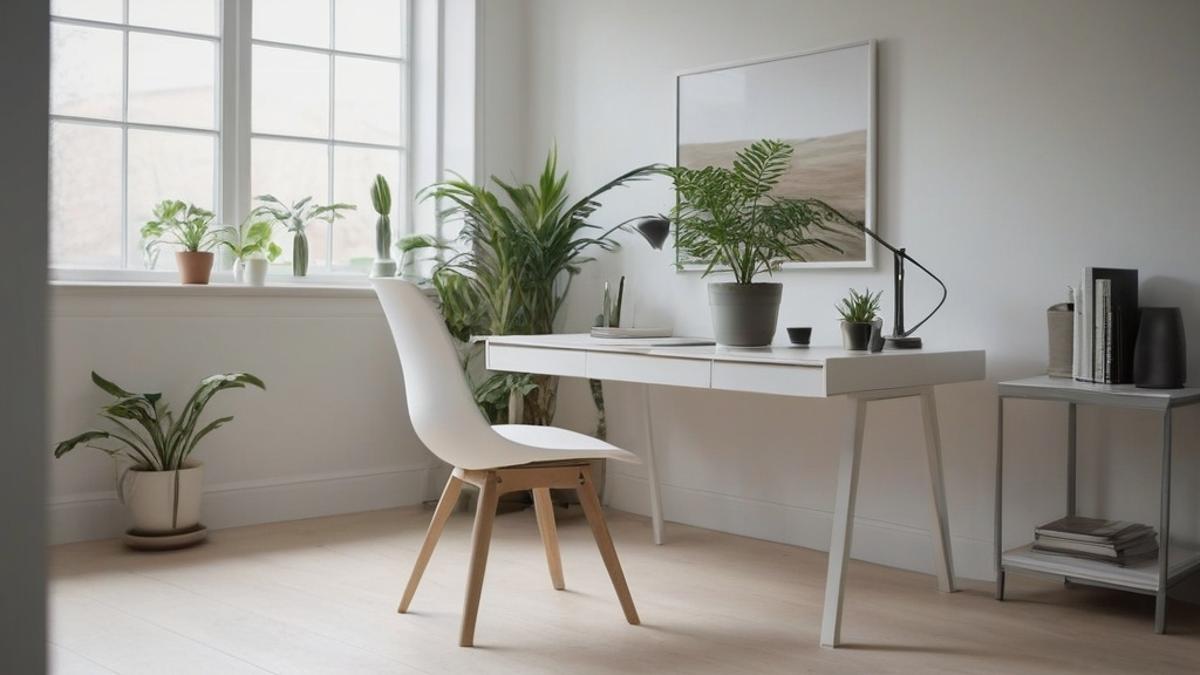
Minimalism removes visual noise. Mindfulness removes mental noise. Together, they create conditions where deep work becomes achievable rather than aspirational.
- Reduced decision fatigue from fewer physical distractions
- Improved concentration through breathing and awareness techniques
- Lower stress levels tied to simplified surroundings
- Better time management when mental clarity replaces multitasking
This article explores how to increase productivity with mindfulness while designing workspaces that support focus rather than fragment it. Readers will discover specific mindfulness techniques for work, from five-minute breathing resets to digital decluttering rituals.
We’ll also break down the tangible benefits of mindfulness in productivity, backed by workplace research and real-world case studies. Finally, actionable minimalism and productivity strategies will show how less truly can mean more—especially for anyone working from a home office, co-working space, or corporate desk across the country.
YOU MAY ALSO LIKE: Mindfulness and Space Management: Cultivating a Simplified Home Environment
The Science Behind the Silence
Walk into any startup office in Austin or a quiet co-working space in Portland, and you’ll notice something: the most productive teams often work in the least visually busy environments. This isn’t coincidence. Neuroscientists at Princeton University found that clutter competes for attention in the brain’s visual cortex, literally reducing the ability to process information and complete tasks efficiently.
Mindfulness Practices for Productivity address this at a cognitive level. When paired with a stripped-down workspace, the brain has fewer stimuli to filter, allowing mental energy to flow toward the task at hand rather than toward suppressing distractions.
What Happens in the Brain During Mindful Work
Functional MRI studies from institutions like UCLA’s Mindful Awareness Research Center show that consistent mindfulness practice thickens the prefrontal cortex—the region responsible for decision-making and sustained attention. This matters because the average American office worker checks email 74 times a day, according to a University of California Irvine study. Each check fragments focus and can cost up to 23 minutes of recovery time.
Minimalist environments, by design, limit these triggers. Fewer notifications, fewer physical objects, fewer choices. When mindfulness enters the equation, the results compound.
Core Elements That Drive Results
Professionals across industries—from tech hubs in Seattle to financial firms in Chicago—are adopting a specific set of practices to increase productivity with mindfulness. The most effective share these traits:
- Single-tasking rituals that eliminate the illusion of multitasking efficiency
- Environmental triggers, such as a clean desk signaling the brain to enter focus mode
- Scheduled stillness, even just 90 seconds between meetings
- Sensory reduction, including muted color palettes and minimal desk items
These aren’t abstract wellness trends. A 2023 Gallup workplace report linked structured mindfulness breaks to a 21% increase in self-reported task completion rates among knowledge workers.
The takeaway is straightforward: minimalist work environments aren’t just about tidiness or design aesthetics pulled from a magazine spread. They’re functional tools that, when combined with intentional mental practices, create measurable shifts in how work gets done. The next sections break down exactly which techniques deliver the strongest results—and how to implement them without overhauling an entire office.
| Mindfulness Techniques | Benefits for Productivity |
|---|---|
| Breath Awareness Practices | Promotes focus and clarity; helps diminish distractions. |
| Minimalist Meditation Spaces | Enhances creativity and problem-solving abilities. |
| Single-tasking Techniques | Increases efficiency and reduces stress. |
| Gratitude Journaling | Boosts motivation and positive mental outlook. |
| Structured Breaks | Restores focus and enhances productivity. |
CHECK OUT: Mindful Decluttering Techniques for Efficient Living: Space Optimization in Small Spaces
From Theory to Practice: Techniques Workers Are Actually Using
Knowing the science is one thing. Applying it inside a real workday—between Slack pings and back-to-back Zoom calls—is another challenge entirely. Across the country, from tech campuses in San Jose to remote workers logging in from cabins in Vermont, a handful of specific mindfulness techniques for work have emerged as the most practical and repeatable.
The Two-Minute Reset
Before opening a laptop, many productivity coaches now recommend a brief seated pause—eyes closed, feet flat on the floor, attention on breath alone. This isn’t meditation in the traditional sense. It’s a neurological on-ramp.
Research from Harvard Business Review found that employees who practiced short pre-task breathing exercises reported 32% fewer errors on detail-oriented assignments. Paired with a clear desk and no visible phone, the effect intensifies.
The One-Object Rule
Minimalist consultants working with companies in Denver and Minneapolis often introduce what’s called the one-object rule: only the item needed for the current task stays on the desk. Everything else, including phones, gets placed out of the visual field.
This small shift ties directly into minimalism and productivity strategies because it removes the micro-decisions that drain willpower before real work even begins. Behavioral economists refer to this as decision fatigue, and studies estimate the average adult makes over 35,000 decisions daily.
Mindful Transitions Between Tasks
Instead of jumping straight from one meeting into another, some organizations now build in intentional gaps. During these gaps, employees are encouraged to:
- Stand and stretch away from the screen
- Take five slow breaths without checking a device
- Mentally name the next single task before starting it
Buffer, the fully remote social media company, has publicly discussed building similar transition rituals into its internal culture, citing improved focus scores in employee surveys.
Why Simplicity Amplifies the Benefits
The benefits of mindfulness in productivity aren’t limited to stress reduction. They extend into measurable output. A minimalist setting removes competing stimuli, so when a mindfulness technique is introduced, there’s less friction working against it.
Compare this to a cluttered environment with multiple monitors, sticky notes, and constant notifications, where the same breathing exercise has to compete with a dozen visual distractions the moment eyes reopen. The environment either supports the practice or undermines it entirely.
SEE ALSO: Integrating Mindfulness into Minimalist Home Organization: Creating a Clutter-Free Sanctuary
Bringing It All Together: A Quiet Case for Doing Less
What emerges from workplaces in Denver, San Jose, and remote setups scattered across the country is not a trend but a recalibration. Mindfulness practices for productivity work best when they aren’t fighting an uphill battle against clutter, notifications, and noise. The environment sets the stage; the practice performs on it.
None of this requires a corner office redesign or an expensive retreat. It starts small: one cleared desk, one two-minute breathing pause, one transition ritual between meetings. Over weeks, these micro-habits compound into measurable shifts in focus, error rates, and reported stress levels.
What the Data Suggests Going Forward
Companies like Buffer are already treating this as internal policy rather than personal preference, which signals where workplace culture may be headed. As more organizations track focus scores and error rates, the case to increase productivity with mindfulness will likely move from anecdote to standard practice.
Still, the research is young. Long-term studies on sustained attention in minimalist settings remain limited, and individual results vary based on job type, personality, and even lighting conditions in a given office.
What’s clear is this: minimalist work environments and mindful attention aren’t separate wellness trends. They’re two parts of the same mechanism, each reinforcing the other’s effectiveness.
For workers overwhelmed by competing tools, tabs, and to-do lists, the takeaway isn’t to add another app or system. It’s to subtract. Clear the desk, quiet the mind, and notice what naturally starts to sharpen.
Frequently Asked Questions
What are some effective mindfulness practices for enhancing productivity in a minimalist workspace?
Effective mindfulness practices include focused breathing, guided meditation, and regular breaks for reflection. These strategies help clear your mind, reduce distractions, and promote a sense of calm, enabling you to concentrate better on your tasks in a minimalist environment.
How can I integrate mindfulness practices into my daily routine without overwhelming my schedule?
Start by allocating just five minutes at the beginning or end of your day for mindfulness exercises like deep breathing or stretching. Gradually increase the duration or frequency as you become more comfortable, ensuring that these practices feel like a natural part of your routine rather than an additional burden.
Can mindfulness practices really impact my productivity levels in a minimalist setting?
Yes, mindfulness practices can significantly enhance your productivity by improving focus and reducing stress. In a minimalist environment, where distractions are minimized, these practices foster a deeper connection with your tasks, leading to higher efficiency and better-quality work.
What role does decluttering play in the mindfulness practices for productivity?
Decluttering is essential as it creates a clear mental and physical space conducive to mindfulness. A minimalist environment reduces sensory overload, allowing you to engage more fully with mindfulness practices and maintain a focused approach to your work.

Beatriz
Beatriz Johnson is a seasoned minimalist and writer with a passion for simplifying the complexities of personal organization and intentional living. With over a decade of experience in decluttering strategies and mindful consumption, she specializes in topics like space optimization, habit simplification, and sustainable lifestyle choices. Through her work on our website, Beatriz empowers readers to embrace minimalism, reduce mental and physical clutter, and create more meaningful, organized lives in today's fast-paced world.