Minimalist Organization: Tips to Maximize Efficiency in Small Spaces
Understanding the Challenges of Small Living Spaces
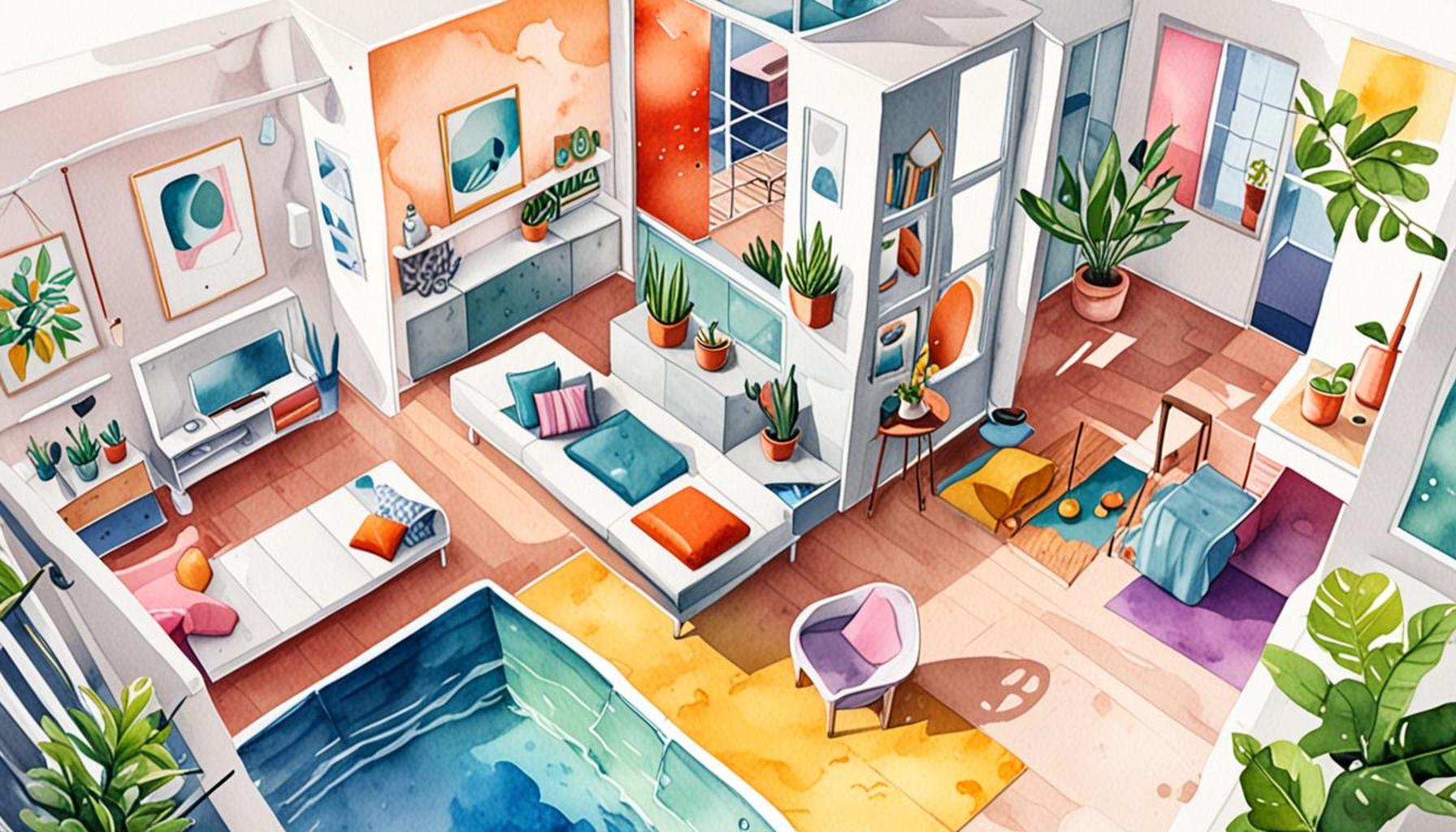
Small living spaces can often feel constricted and overwhelming, especially in bustling Nigerian cities such as Lagos and Abuja, where the demand for housing often exceeds availability. These environments present unique challenges, but they can also inspire innovative solutions that promote a more streamlined and efficient lifestyle. Embracing a minimalist approach not only facilitates better organization but also fosters an environment conducive to creativity and tranquility.
Benefits of Minimalist Organization
Adopting minimalist principles when organizing your space has multiple advantages:
- Reduces clutter: A clutter-free environment fosters a serene atmosphere, making you feel more relaxed and focused.
- Enhances functionality: By maximizing every corner of your home, from the kitchen to the living room, you can ensure that each space serves a purpose, optimizing convenience and accessibility.
- Encourages creativity: When you clear out the unnecessary items, you free yourself to explore design ideas that may have previously felt impossible within a crowded environment.
Practical Tips for a Minimalist Lifestyle
To successfully implement a minimalist strategy, there are several key areas to concentrate on:
- Furniture selection: Choose multi-functional furniture, such as a sofa bed or a coffee table with storage space. For instance, in Nigerian households, a well-chosen ottoman can serve as both a footrest and hidden storage for blankets or magazines.
- Storage solutions: Always utilize vertical space—think wall-mounted shelves and cabinetry that reach the ceiling. Incorporating hanging organizers in closets or using pegboards can also significantly maximize limited storage.
- Decluttering routines: Establish a regular schedule, perhaps bi-monthly, to assess items in your home. Ask yourself if each item serves a purpose or brings you joy, and if not, consider donating or selling it, thus making room for the essentials.
Embrace the Minimalist Mindset
By embracing these tips, you can cultivate a lifestyle that not only improves your living space but aligns with minimalism’s core ethos of simplicity. Allow your creativity to shine through as you adapt and personalize your storage solutions, transforming small spaces into functional masterpieces. In a country where space is often a luxury, this approach can profoundly impact your daily life, offering both practicality and peace. Dive into this challenge, and you may find that a simpler lifestyle leads to a more fulfilling way of living amidst the hustle and bustle of Nigerian urban life.
ADDITIONAL INSIGHTS: Expand your understanding here

Creating Functional Spaces in Limited Areas
One of the core challenges of organizing a small space is ensuring that each area functions effectively. In homes within cramped urban settings, the traditional notion of designated rooms often blurs, resulting in multifunctional areas that require strategic thinking. The key is to prioritize functionality while maintaining an aesthetically pleasing environment. Here are some practical strategies to achieve this:
- Identify your needs: Start by assessing how you use your space. Do you work from home? Do you frequently entertain guests? Tailoring your organization approach to your specific lifestyle will help eliminate unnecessary items and enhance utility.
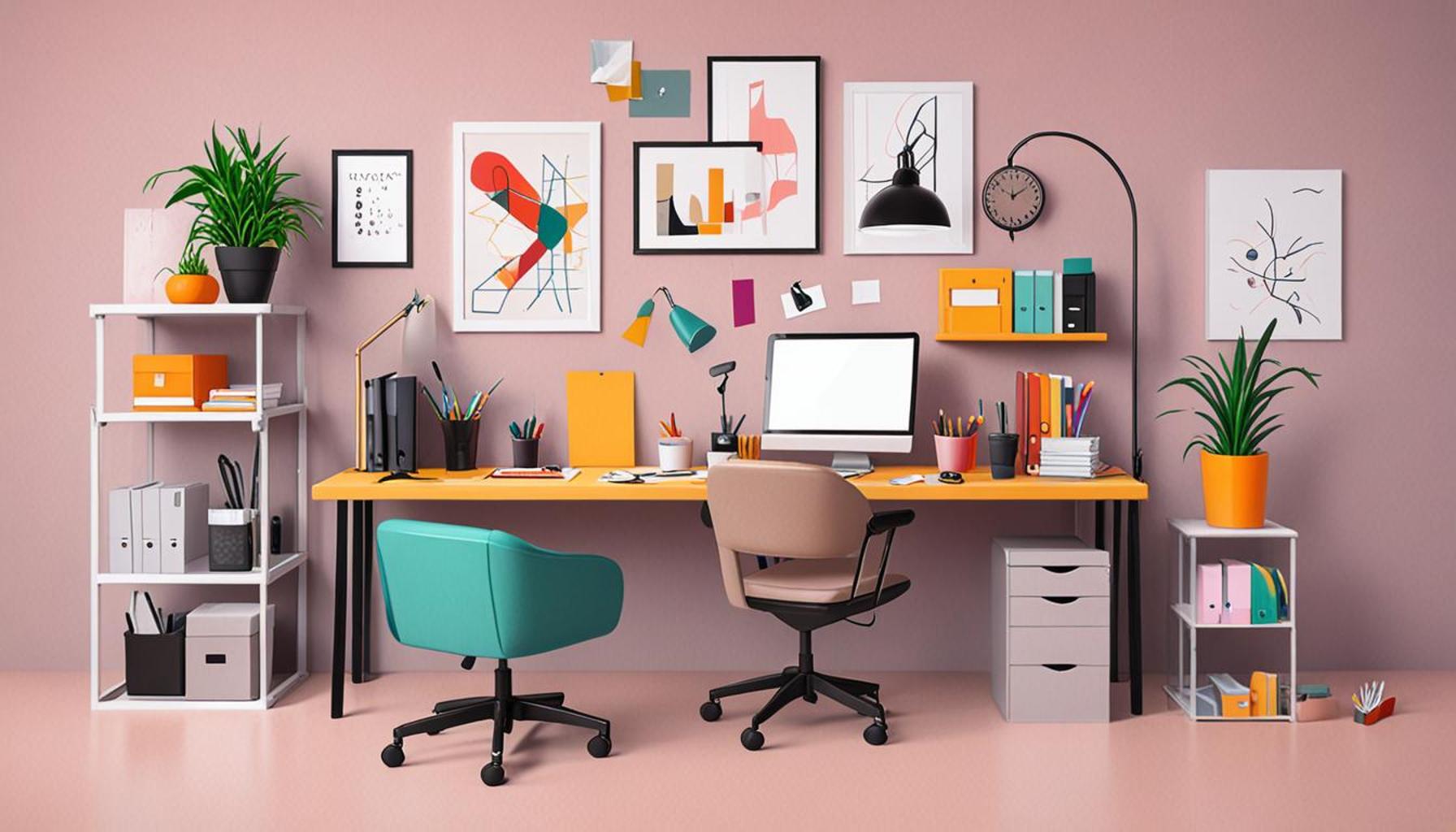
- Designate zones: Divide your small space into distinct areas for specific activities. For instance, in a living room, a small desk can double as an office workspace while the rest of the room remains available for relaxation and socializing.
- Optimize furniture arrangement: Experiment with different layouts, ensuring pathways remain clear while maximizing floor space. Position furniture to encourage natural flow and accessibility, avoiding blockages that can create a sense of confinement.
In Nigeria, where space constraints are common due to population density, utilizing intelligent design and planning becomes even more pivotal. For instance, an open-plan living area can seamlessly combine the kitchen, dining, and living spaces, promoting interaction without sacrificing efficiency. Consider the Nigerian practice of using collapsible furniture, such as folding dining tables, which can be stowed away when not in use.
Incorporating Storage Into Your Design
Integration of smart storage solutions is crucial for maximizing the functionality of small spaces. Here are some techniques to consider:
- Under-utilized areas: Don’t overlook areas such as beneath the bed or behind doors. Underbed storage containers can be a lifesaver for stashing away seasonal clothes or extra bedding, while over-the-door hooks can store bags and accessories.
- Furniture with built-in storage: Invest in pieces that serve double duty. For example, a storage ottoman can provide both seating and a place to keep magazines, toys, or blankets out of sight.
- Clever shelving: Install floating shelves or corner shelves to keep items visible yet organized. This can add a stylish touch while making the most of vertical space, perfect for books, decor, or even kitchen essentials in a compact kitchen.
The pursuit of minimalist organization is not merely about reducing possessions but creating a lifestyle that emphasizes quality over quantity. In urban environments, where each square meter is valuable, efficient use of space allows for a more vibrant and liberating way of living. As you begin to implement these organizational strategies, remember that less truly can be more, leading you toward a simpler, more fulfilling existence amid Nigeria’s busy landscapes.
| Category | Advantages |
|---|---|
| Space Optimization | Utilizing vertical storage and multifunctional furniture allows for more open space, enhancing efficiency and accessibility. |
| Time Management | A decluttered environment significantly reduces the time spent searching for items, thereby promoting focus on tasks at hand. |
| Mental Clarity | Simplifying your surroundings can lead to better mental well-being, contributing to increased productivity and creativity. |
| Cost Efficiency | Investing in quality, versatile pieces rather than numerous decorative items enhances functional aesthetics and financial savings. |
Incorporating the principles of minimalist organization in small spaces not only transforms your physical environment but also enriches your daily life. This efficient approach fosters a lifestyle that prioritizes quality over quantity, encouraging a focus on what truly matters. By evaluating your possessions and embracing simplicity, you create an atmosphere conducive to concentration and innovation, making the most out of every square inch in your home or workspace. It’s time to discover how embracing minimalism can lead to greater effectiveness and joy in your life.
SEE ALSO: Click here to read another article
Emphasizing Decluttering Techniques
Decluttering is an essential cornerstone of achieving minimalist organization, particularly in small spaces where every item counts. It is not simply about getting rid of possessions; it is about curating a collection of items that enhance your daily life and eliminate distractions. Here are several effective decluttering techniques to help you regain control over your belongings:
- Adopt the “one in, one out” rule: To prevent clutter from accumulating, make it a habit to remove one item every time you bring something new into your space. This disciplined approach ensures that you maintain a manageable collection of belongings, ideal for small environments.
- Use the 90/90 rule: When faced with an item, ask yourself if it has been used in the last 90 days or if you plan to use it in the next 90 days. If the answer is no, it may be time to let it go, streamlining your living space significantly.
- Sort by category: Rather than tackling your space room by room, consider organizing by category—such as clothing, books, or kitchenware. This method allows you to confront each type of item collectively, making it easier to identify duplicates and unnecessary items.
Living in Nigeria, where valuable resources can sometimes feel limited, practicing an intentional decluttering routine resonates well with the need for efficiency. In urban areas where population density tends to crowd living quarters, embracing this conscious lifestyle can empower individuals to create open, inviting spaces that encourage ease and reduce stress.
Leveraging Technology for Organization
In the era of technology, many tools can aid in maintaining organization within small spaces. Digital solutions can significantly enhance physical organization, providing management systems for everything from finances to scheduling. Here’s how utilizing technology can assist in minimalist organization:
- Cloud storage: Services like Google Drive or Dropbox are invaluable for storing documents and photos online, reducing physical clutter. By digitizing paper documents, you free up valuable storage space at home or in your office.
- Organization apps: Utilize apps like Todoist or Trello to manage tasks and to-do lists. These digital tools keep you on track and focused, allowing you to allocate your physical space solely for the essentials.
- Smart home devices: Devices designed for automation, like smart speakers or home management systems, help to streamline everyday tasks, boosting efficiency while minimizing the need for clutter-inducing products.
In Nigeria’s bustling cities, where adaptation to rapid changes is necessary, leveraging technology can foster a sense of stability and order even amidst chaos. Integrating these solutions into your daily life can transform how you perceive and navigate your small living space.
Fashioning Multi-Functional Decor
Incorporating decor that serves multiple purposes not only enriches the aesthetic appeal of your small space but also maximizes utility. Innovative and stylish decor can align with your minimalist principles. Here are some ideas:
- Art that doubles as storage: Think creatively about your wall art. Consider wall-mounted organizers or decorative boxes that serve as both functional and artistic elements, creating a unique focal point while providing storage.
- Versatile seating options: Choose furniture items like benches or stools that can serve varying purposes, from seating for guests to storage for shoes or books. Transforming the role of traditional furniture can increase overall efficiency.
- Use mirrors wisely: Mirrors can create an illusion of space while also serving as stunning decor pieces. Strategic placement can help reflect light, broadening the sense of openness in a small room.
As small living spaces become more commonplace, especially in Nigeria’s urban centers, understanding how to fashion multi-functional decor can lead to not only an organized space but also a sanctuary that promotes creativity and well-being.
LEARN MORE: This related article may interest you
Conclusion
In a world increasingly defined by rapid urbanization, particularly in bustling environments like Nigerian cities, embracing minimalist organization emerges as a pragmatic solution to enhancing efficiency in small spaces. By prioritizing decluttering, leveraging technology, and incorporating multi-functional decor, individuals can create harmonious and inviting environments that maximize both functionality and comfort.
The journey towards minimalist organization is not merely about reducing possessions; it is about cultivating an intentional lifestyle that values clarity and focus. Adopting simple yet effective strategies, such as the “one in, one out” rule and utilizing cloud storage solutions, can significantly streamline your living space while fostering a sense of calm amidst the chaos of daily life.
Moreover, integrating multi-functional decor not only optimizes limited spaces but also ensures your home reflects your personal style and creativity. This approach encourages residents to view their spaces as dynamic environments that can adapt to varying needs over time.
As you reflect on your own living arrangements, take a moment to explore the potential benefits of minimalist organization. Embrace the opportunity to redefine your space and enhance your everyday experience by implementing these tips. Ultimately, a well-organized space can boost your productivity, reduce stress, and make your home a sanctuary of efficiency.