Organization Techniques for Small Spaces: How to Efficiently Reduce Clutter
Small Space, Big Potential: Rethinking Clutter in American Homes
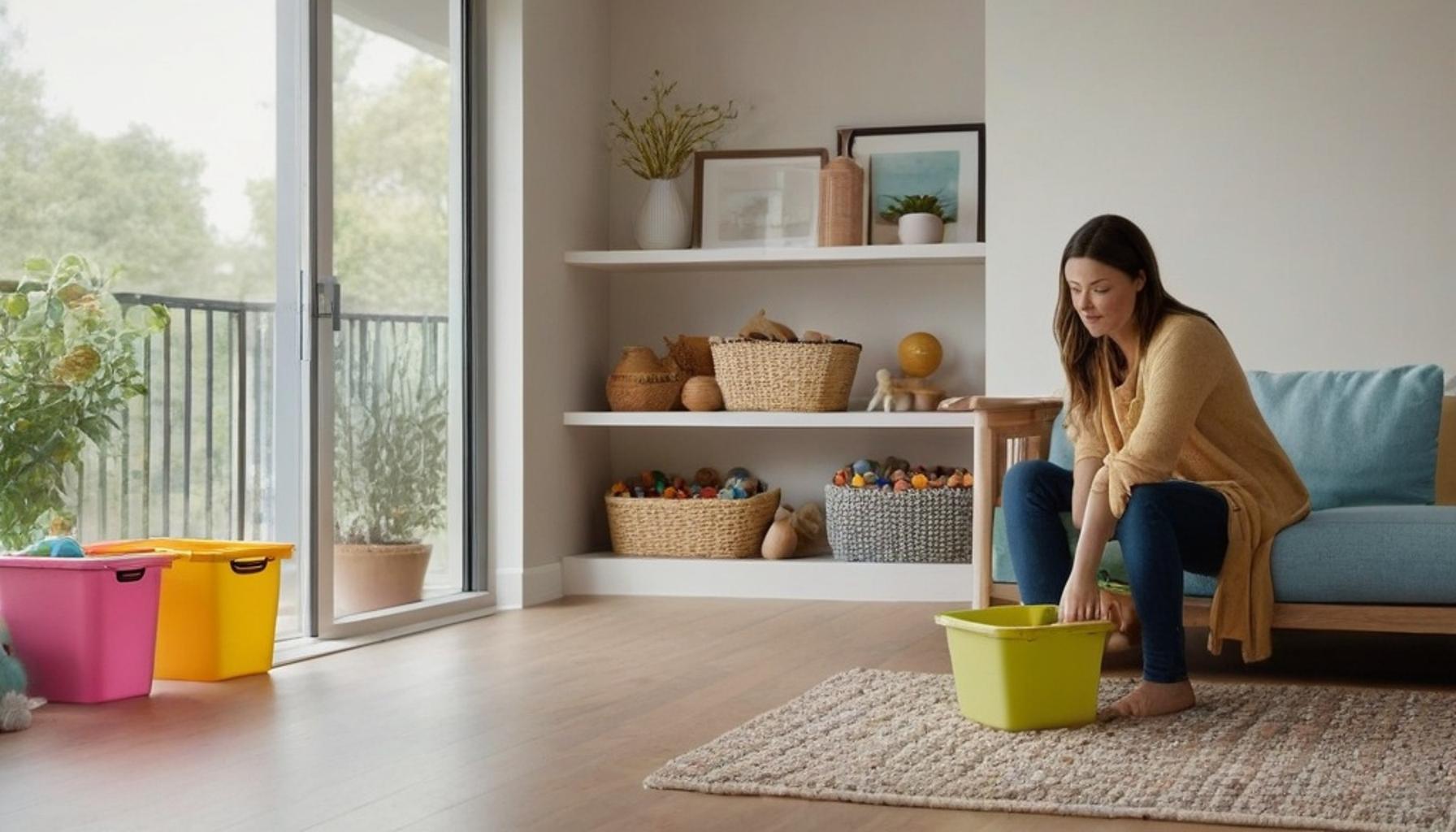
The average American home has swelled in size over the decades, yet millions of city dwellers, renters, and downsizers now live in studio apartments, tiny houses, or compact condos. According to the U.S. Census Bureau, more than 36% of households now rent, many in units under 750 square feet. That reality makes organization techniques for small spaces more relevant than ever.
Why Clutter Feels Bigger in Smaller Homes
In a 300-square-foot studio, a single pile of mail or an overflowing closet can make the entire space feel chaotic. Clutter doesn’t just take up physical room — it affects mental clarity and daily efficiency.
Understanding how to reduce clutter starts with recognizing common problem zones:
- Entryways that collect shoes, bags, and mail
- Kitchen counters overwhelmed by appliances and pantry items
- Closets stuffed beyond their vertical capacity
- Bathrooms lacking dedicated storage for daily essentials
What This Guide Will Cover
This article breaks down practical, budget-friendly strategies tailored for compact living. Readers will discover space-saving storage ideas, from vertical shelving to multi-functional furniture.
Expect a mix of proven decluttering tips for small homes and the best organization hacks used by professional organizers and minimalist experts. Each method focuses on maximizing every inch without sacrificing style or comfort.
Whether tackling a studio apartment, a tiny home, or a single cramped room, effective small apartment organization is achievable — and it starts with the right approach.
SEE ALSO: The Art of Decluttering: Strategies for a Stress-Free Minimalist Lifestyle
The Vertical Advantage: Building Storage Where None Existed
Most small-space dwellers make the same mistake: they think about square footage instead of cubic footage. Floors are finite, but walls stretch upward, often ten feet or more. Professional organizers agree that mastering organization techniques for small spaces begins with looking up, not just around.
Turning Walls Into Storage Real Estate
A single 8-foot wall fitted with floating shelves can hold what a bulky bookcase would, without eating into walking space. This is one of the most reliable space-saving storage ideas because it works in kitchens, bathrooms, and entryways alike.
Consider these vertical solutions that require minimal investment:
- Pegboards for kitchen utensils, craft supplies, or tools
- Over-the-door organizers for shoes, cleaning supplies, or pantry goods
- Wall-mounted magnetic strips for knives and metal items
- Tension rods installed under sinks to hang spray bottles
- Stackable bins that climb closet walls instead of spreading across floors
Each option costs under $30 in most retail stores, making them accessible decluttering tips for small homes that don’t require a renovation budget.
The Multi-Functional Furniture Shift
Furniture in a small space should never serve just one purpose. A bed with built-in drawers, an ottoman that opens for blanket storage, or a coffee table with hidden compartments can eliminate the need for separate storage units entirely.
According to home design surveys, nearly 60% of small-space renters report that multi-functional furniture significantly improved their sense of order at home. That statistic underscores a broader truth: how to reduce clutter often depends less on removing possessions and more on rethinking what each item can do.
Why This Matters Beyond Aesthetics
Clutter has been linked to elevated stress hormones, according to research from UCLA’s Center on Everyday Lives and Families. In small apartments, where visual chaos is harder to escape, this effect intensifies.
That’s why small apartment organization isn’t simply about tidiness. It’s about creating a functional environment where every object has a designated place, reducing the mental load of daily decision-making.
The next section will explore some of the best organization hacks for specific rooms, including entryways and kitchens, where clutter tends to accumulate fastest.
SEE ALSO: Efficient Living: Innovative Space Management Ideas for Small Apartments
Room-by-Room Hacks Where Clutter Strikes First
Walk into any small home and the chaos usually starts in two places: the entryway and the kitchen. These high-traffic zones absorb mail, shoes, gadgets, and grocery overflow faster than any other area. Targeting them first delivers some of the best organization hacks for immediate, visible results.
Taming the Entryway Bottleneck
An entryway measuring just a few square feet often becomes the household’s biggest source of visual clutter. The fix isn’t more space, it’s smarter zoning.
Try dividing the area into micro-stations:
- A shallow shoe tray that fits under a console table
- A wall hook rail positioned at two heights, one for adults, one for kids
- A small basket exclusively for mail, checked and emptied daily
- A key bowl or magnetic key holder mounted at eye level
This kind of zoning is a foundational part of small apartment organization, because it forces every item entering the home to have an immediate destination instead of landing on the nearest flat surface.
Kitchen Efficiency Without a Remodel
Kitchens in apartments across cities like New York, Chicago, and San Francisco are notoriously compact, sometimes under 50 square feet. Yet cooking still demands access to dozens of tools and ingredients.
Drawer dividers, stackable shelf risers, and clear labeled containers can increase usable cabinet space by an estimated 30%, according to kitchen design consultants. That’s a substantial gain without moving a single wall.
Other practical decluttering tips for small homes for the kitchen include:
- Storing spices in a tiered drawer insert instead of a cabinet shelf
- Hanging pots from a ceiling-mounted rack to free cabinet space
- Using vertical dividers for cutting boards and baking sheets
- Grouping similar items into bins that pull out as a single unit
The Power of the “One In, One Out” Rule
Professional organizers frequently cite this rule as one of the simplest answers to how to reduce clutter long-term. For every new item brought into a small home, one existing item leaves.
This habit prevents the slow accumulation that turns organized spaces back into chaotic ones within months. It requires no shelving, no purchases, and no renovation, just a consistent decision-making habit applied at the door, the closet, and the kitchen counter.
Combined with the vertical and multi-functional strategies already covered, these room-specific organization techniques for small spaces create a system where clutter has fewer opportunities to take hold in the first place.
Small Space, Big Payoff
Square footage was never the real obstacle. As this guide has shown, the most effective organization techniques for small spaces rely on strategy rather than size. A studio in Boston or a one-bedroom in Los Angeles can function just as smoothly as a sprawling suburban house once vertical storage, multi-functional furniture, and zoning principles are put to work.
The numbers back this up. Households that adopt structured space-saving storage ideas report reclaiming significant usable space, often without removing a single wall or spending on renovation. That’s the quiet power of intentional design.
What separates a temporarily tidy home from a consistently organized one is habit. The “one in, one out” rule, daily reset routines, and clearly defined micro-zones near entryways and kitchens all work together to prevent clutter from creeping back in. These aren’t one-time fixes; they’re systems built to withstand daily life.
It’s also worth remembering that decluttering tips for small homes extend beyond bins and shelves. They reflect a broader mindset: questioning whether each object earns its place, and whether convenience is being confused with necessity.
For renters and homeowners alike, small apartment organization is less about perfection and more about function, creating a home that supports daily routines instead of working against them.
Anyone still wondering how to reduce clutter for good should start small: one drawer, one wall, one habit at a time. The techniques outlined here offer a starting point, but the most lasting results come from testing, adjusting, and paying attention to how a space is actually used. Sometimes, the smallest square footage teaches the biggest lessons about living efficiently.
Frequently Asked Questions
What are some quick organization techniques for small spaces?
Quick organization techniques for small spaces include using multifunctional furniture, utilizing vertical storage solutions like shelves, and implementing under-bed storage. Additionally, decluttering regularly and adopting a ‘one in, one out’ policy can help maintain a tidy environment.
How can I maximize storage in a small kitchen?
To maximize storage in a small kitchen, consider using wall-mounted racks for pots and pans, installing shelf risers inside cabinets, and using clear storage bins to categorize pantry items. Additionally, magnetic strips can be used to store knives and other metal kitchen tools, freeing up valuable counter space.
What are effective organization techniques for a small closet?
Effective organization techniques for a small closet include using slim, velvet hangers to save space, implementing cascading hangers for tops and dresses, and adding shelf dividers for better organization of folded items. Consider using a shoe rack or over-the-door organizers to maximize vertical space.
How can I use decorative baskets to reduce clutter?
Decorative baskets can effectively reduce clutter by providing a stylish way to store items while enhancing the decor of your small space. They can be placed on shelves, under tables, or in closets to hide away miscellaneous items, making the area look more organized and aesthetically pleasing.
What are the benefits of a minimalist approach in small spaces?
A minimalist approach in small spaces helps to create a more serene environment by reducing visual clutter, making it easier to maintain organization. It encourages thoughtful purchasing decisions and can result in more space for the items that truly matter, ultimately leading to a more functional and enjoyable living area.
How can I effectively organize a small bathroom?
To effectively organize a small bathroom, utilize vertical wall space by installing shelves or cabinets above the toilet. Use tiered organizers for toiletries, and consider hooks or over-the-door racks for towels. Clear labeling of containers can also streamline your routine and make it easier to find essentials.

Beatriz
Beatriz Johnson is a seasoned minimalist and writer with a passion for simplifying the complexities of personal organization and intentional living. With over a decade of experience in decluttering strategies and mindful consumption, she specializes in topics like space optimization, habit simplification, and sustainable lifestyle choices. Through her work on our website, Beatriz empowers readers to embrace minimalism, reduce mental and physical clutter, and create more meaningful, organized lives in today's fast-paced world.