
The Importance of a Clutter-Free Lifestyle in Nigerian Culture
Embracing Clarity in a Busy World
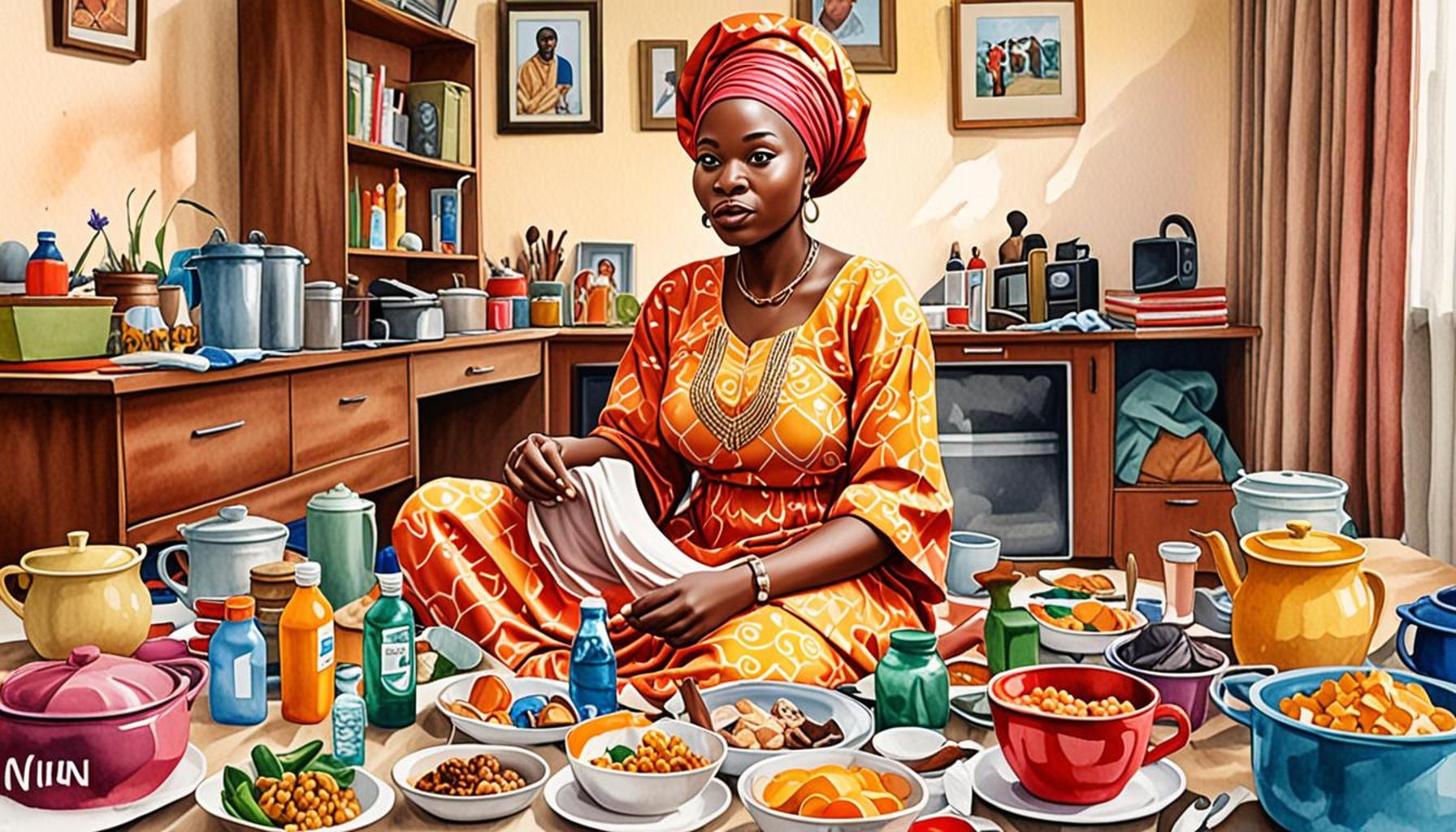
In the hustle and bustle of Nigerian life, clarity and simplicity are often overlooked. This disregard can create a domino effect, where a cluttered environment leads not only to a cluttered mind but also to strained personal well-being and social interactions. The importance of adopting a clutter-free lifestyle is particularly pronounced within the rich tapestry of Nigerian culture, where traditions and contemporary dynamics interact to shape everyday living.
Why Declutter?
Embracing a clutter-free existence can yield significant benefits, especially in a diverse society like Nigeria. Here are some key advantages that resonate within various Nigerian communities:
- Enhanced Mental Health: Research suggests that a tidy space can significantly lower stress and anxiety levels. In Nigeria, where societal tensions can be high, creating a peaceful home environment can foster tranquility and improve overall mental wellness.
- Cultural Values: Many Nigerian traditions emphasize order and respect for personal spaces. For example, in various ethnic groups, such as the Yoruba and Ibo, a clean living area is often associated with respect for one’s heritage and ancestors, thereby instilling a sense of pride in maintaining a decluttered home.
- Family Bonding: Engaging in shared chores, such as decluttering, can strengthen familial ties. In many Nigerian households, children learn the value of teamwork and cooperation through collective activities, enhancing their sense of belonging and responsibility.
The Cultural Connection
Nigerians are known for their vibrant lifestyles, characterized by rich traditions and dynamic interactions. However, this same dynamism can often lead to an accumulation of excess. Exploring the role of a clutter-free life in Nigeria reveals several key insights:
- Traditional Practices: Many communities practice forms of minimalism tied to cultural beliefs, such as the importance of living in alignment with nature. For instance, communities in rural areas often build simple, functional homes, discarding non-essential items to focus on what truly matters.
- Modern Adaptations: Urbanization has surged in Nigeria, especially in cities like Lagos and Abuja, greatly increasing the need for organized living. With many families living in smaller spaces, the practice of decluttering has become essential for creating a functional living environment amidst growing populations.
- Social Perceptions: In Nigeria, a well-kept home is often viewed as a reflection of one’s character and success. There exists an unspoken expectation that the cleanliness and organization of one’s living space are indicative of personal discipline and care, which can significantly influence social relationships.
Delving into these aspects reveals how a clutter-free lifestyle intertwines with Nigerian identity and traditions. By embracing simplicity and clarity, individuals not only enhance their personal spaces but also contribute to communal harmony and fulfillment, fostering a more balanced approach to the frenetic pace of modern life. This journey toward minimalism can provide a renewed sense of purpose, encouraging more profound connections to one’s culture and promoting overall well-being in an ever-busy world.
YOU MAY ALSO LIKE: Read read another article
The Benefits of Decluttering in Nigerian Communities
As Nigerians navigate their daily routines filled with cultural gatherings, business engagements, and family obligations, the need for a clutter-free lifestyle becomes increasingly pertinent. By reducing excess possessions, individuals can uncover a world of benefits that not only alleviate the weight of physical items but also enhance emotional well-being and social coherence.
Creating Safe Havens
In the heart of Nigeria’s diverse communities, the home is not just a personal space; it’s a sanctuary where individuals recharge and family bonds strengthen. Here, the benefits of a decluttered environment resonate profoundly:
- Stress Reduction: Studies show that a clean and organized environment can lead to significant reductions in stress and anxiety. In Nigerian cities, where noise and chaos are rampant, creating a serene zone can markedly improve focus and tranquility, making it easier to approach daily challenges with a clear mind.
- A Reflection of Identity: In various Nigerian cultures, the state of one’s home reflects their values and upbringing. A neat living space is often seen as an embodiment of personal discipline. Maintaining a clutter-free environment not only honors traditional values but also enhances one’s reputation within the community.
- Preservation of Cultural Heritage: The act of decluttering can go hand-in-hand with embracing cultural artifacts and traditions. By letting go of non-essential items, individuals can prioritize preserving those possessions that hold significant cultural or sentimental value, thereby fostering a deeper connection to their heritage.
A Practical Approach to Modern Living
The impact of urbanization has been particularly notable in larger cities such as Lagos and Abuja, where the push for modern amenities has altered living arrangements. Residents often face the challenge of maximizing limited space, making the practice of decluttering even more essential. As homes grow compact, maintaining order becomes vital for a functional lifestyle.
Moreover, social perceptions around home cleanliness in Nigeria further illustrate the importance of a clutter-free lifestyle. A home that is disorganized might be viewed through a negative lens, potentially leading to stigma or judgment about an individual’s character and capability. This sociocultural pressure encourages many Nigerians to uphold a standard of cleanliness and clarity within their living spaces.
Ultimately, the discourse around decluttering resonates with individuals seeking balance amid Nigerian complexities. By prioritizing clarity and simplicity, you not only enhance personal spaces but also contribute to a broader cultural movement towards mental wellness and communal harmony. As families engage in collective tidying efforts, they cultivate values of cooperation and respect, thus reinforcing their connections within the fabric of Nigerian society.
| Category | Description |
|---|---|
| Cultural Significance | A clutter-free environment mirrors the values of spirituality and serenity prevalent in Nigerian traditions. |
| Mental Clarity | Living without clutter enhances focus, creativity, and promotes emotional well-being, essential in today’s fast-paced life. |
| Social Interaction | A tidy space encourages gatherings, fostering community ties and cultural exchanges. |
| Health Benefits | Removing clutter reduces allergens and promotes a hygienic living space, vital in urban settings. |
| Improved Productivity | An organized environment leads to increased efficiency, crucial for both personal and professional growth. |
The clutter-free lifestyle in Nigerian culture serves as a bridge between tradition and modernity, emphasizing mental health, community, and harmony. As urbanization progresses, it becomes even more vital to embed these practices into daily routines to enhance overall life quality. Exploring how this lifestyle can transform personal spaces and foster connections can be enlightening, revealing deeper aspects of Nigerian heritage and identity.
RECOMMENDED: Check out this similar article
Decluttering as a Pathway to Mental Well-Being
Beyond the visible benefits of a clutter-free home, there exists a significant correlation between decluttering and mental health. In a vibrant society like Nigeria, where life is often rapid-paced and fraught with responsibilities, the state of one’s living environment can profoundly impact psychological well-being. A clean space not only provides a sense of accomplishment but also inspires creativity and constructive thinking.
Psychological Impacts of Clutter
According to recent studies, clutter can act as a source of chronic stress, causing a band of negative emotions ranging from anxiety to depression. For many Nigerians, who often juggle multiple roles—be it as caretakers, workers, or community members—this added stressor can become overwhelming.
Interestingly, research has highlighted that despite the numerous demands on time, individuals can find solace and clarity in decluttering. By engaging in this practice, individuals signal to their brains that they prioritize self-care and are capable of managing their environments. This positive affirmation can foster a heightened sense of control over one’s life and surroundings, essential in densely populated cities.
Community and Shared Values
In Nigerian culture, community ties run deep, and the significance of shared values cannot be overstated. Clutter-free living is increasingly recognized not solely as an individual endeavor but as a communal objective that enhances social interactions. When individuals declutter, they often find themselves more willing to host gatherings, share meals, or invite friends and family over, nurturing connections that are at the heart of Nigerian life.
- Collective Joy: The practice of decluttering can lead to an atmosphere of collective joy where families partake in the process together, reinforcing teamwork and collaboration. This can create lasting ties between family members as they bond over the shared objective of tidiness.
- Influencing the Next Generation: By adopting a clutter-free lifestyle, parents pass on powerful lessons of discipline and organization to their children. In growing up in an environment that values cleanliness, children learn to embrace these virtues, potentially influencing future generations.
- Community Initiatives: Various Nigerian organizations have begun advocating for community decluttering drives, where neighborhoods gather to clean public spaces. Such initiatives not only beautify the environment but also foster camaraderie and collective responsibility among residents, ultimately enhancing local pride.
Cultural Insights into Minimalism
While excess and accumulation can be prevalent in any culture, many traditional Nigerian practices actually embrace a minimalist approach. For instance, the concept of ‘less is more’ is visible in the cultural ethos of simplicity and functionality found in indigenous designs, handicrafts, and even culinary practices. A meal prepared with minimal ingredients can provide maximum flavor, mirroring the underlying principle of decluttering—where less can lead to greater appreciation and fulfillment.
As Nigerians grapple with the modern implications of consumption and consumerism, returning to the roots of simplicity can reclaim space—physical and mental—freeing individuals from the shackles of overindulgence. The embrace of minimalism within the Nigerian context presents a unique cultural lens through which a clutter-free lifestyle can be celebrated and its importance elevated within sociocultural discussions.
CHECK OUT: Click here to explore more
Embracing a Clutter-Free Lifestyle in Nigeria
In the context of Nigerian culture, the significance of adopting a clutter-free lifestyle extends far beyond mere aesthetics; it reaches into the realms of mental health, community bonding, and cultural heritage. As discussed, a tidy living space can alleviate stress and foster emotional well-being, promoting a sense of control essential for navigating the complexities of modern life.
Moreover, the communal aspect of decluttering reinforces the interconnectedness of Nigerian society, encouraging families and neighbors to collaborate on shared goals. This collective effort not only cultivates unity but also injects a joyful spirit into everyday interactions, which are vital in a culture rich in social ties. Such initiatives not only enhance the personal environments of individuals but also strengthen community pride.
Furthermore, by embracing minimalism, Nigerians can reclaim their ancestral traditions that value simplicity, acknowledging that in a world often driven by consumerism, less truly can be more. The lessons learned from fostering a clutter-free environment resonate with the wisdom of generations, offering children a blueprint for disciplined living that honors the principles of responsibility and organization.
In conclusion, as Nigeria continues to evolve amidst rapid urbanization and changing lifestyles, the importance of a clutter-free lifestyle deserves renewed attention. It is an invitation for every individual and community to engage in deeper reflection and action, allowing the principles of simplicity and clarity to guide their choices, ultimately leading to a more harmonious and fulfilling life.