
The Importance of Intentional Choices in the Practice of Minimalism

Understanding the Essence of Minimalism
In today’s fast-paced world, intentional choices play a critical role in shaping our lifestyle. Minimalism, often perceived merely as decluttering, goes far deeper. It involves a conscious decision to prioritize what truly matters, forging self-awareness and clarity amidst chaos.
Why Intentional Choices Matter
Every item we own, every action we engage in, and even each thought we harbor can significantly impact our mental clarity and overall well-being. For many individuals in Nigeria and across the globe, embracing minimalism offers a pathway to a more fulfilling life. Here’s how:
- Reduce stress caused by overwhelming clutter: In bustling Nigerian cities like Lagos and Abuja, where space can be limited, clutter can lead to increased anxiety and stress. By simplifying our spaces, we create a refuge from the external pressures that surround us.
- Focus on meaningful experiences rather than material possessions: Minimalism emphasizes the richness of experiences—traveling to the serene beaches of Lekki or engaging in cultural festivals. Such activities can lead to personal growth and cherished memories, reinforcing the value of non-material wealth.
- Enhance financial stability through thoughtful spending choices: In Nigeria, where economic fluctuations are common, minimalism encourages smarter financial decisions. By prioritizing quality over quantity, individuals can invest in durable goods and experiences that truly add value to their lives, avoiding the frequent trap of consumerism.
As the minimalist movement gains traction, especially among young urban professionals, the importance of making intentional choices becomes increasingly evident. This lifestyle shift compels us to:
- Assess our needs versus wants: Understanding the difference can prevent impulsive purchases, enabling individuals to differentiate between what they genuinely need and what is merely a fleeting desire.
- Select quality over quantity: Rather than accumulating many items, minimalism promotes investing in fewer high-quality products. This can be seen in the rise of local artisans producing unique, handcrafted goods, appealing to consumers who appreciate craftsmanship.
- Foster a connection with our environment: By simplifying our possessions, we can connect with our surroundings more deeply—be it the vibrant streets of Enugu or the rich biodiversity in Cross River. This connection encourages sustainability and respect for our planet.
By embracing the philosophy of intentional living, individuals can effectively cultivate a lifestyle that resonates with their core values. This transformation extends beyond just physical spaces; it enriches emotional well-being and leads to a more meaningful existence. For anyone exploring minimalism, understanding these principles can be the first step toward a rewarding lifestyle change.
YOU MAY ALSO LIKE: Read read another article
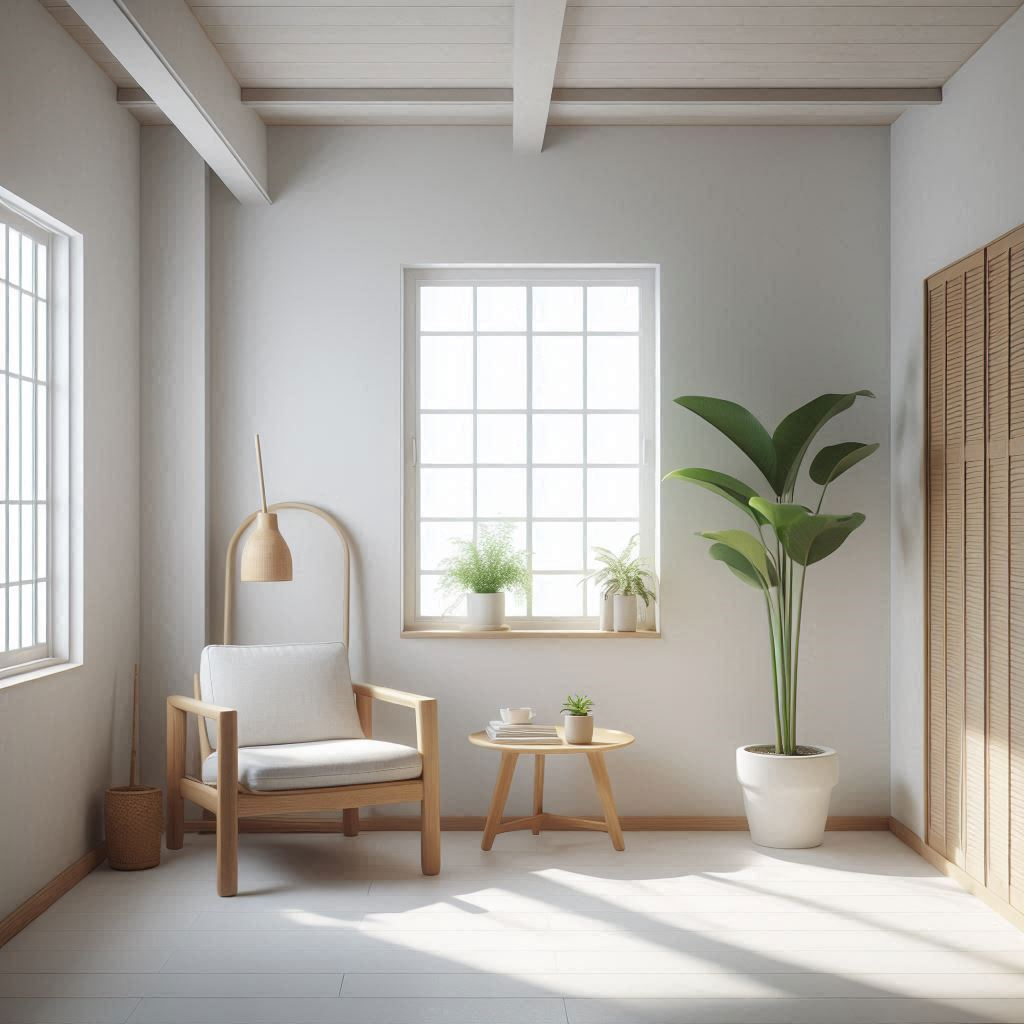
The Power of Intentional Living
At the heart of minimalism lies the practice of making intentional choices. These conscious decisions help individuals sift through the noise of daily life, allowing them to curate experiences and belongings that genuinely resonate with their identities. In Nigeria, where the blend of modern life and rich cultural heritage creates a unique backdrop, the necessity of intentionality in our choices becomes increasingly pronounced. Without careful consideration, one may find themselves caught in the pervasive cycle of consumerism that defines much of contemporary society.
Navigating the Consumer Landscape
As the desire for material wealth intensifies, particularly in urban regions like Lagos and Abuja, it’s easy to overlook the significance of our choices. Intentional living serves as a guiding principle in navigating this complex consumer landscape. Here are a few areas where thoughtful decision-making can yield meaningful changes:
- Curated Space: Minimalism advocates for decluttering physical spaces, which can result in a more serene and peaceful environment. By intentionally selecting what to keep, individuals can create a sanctuary that fosters creativity and calm, essential in the often-chaotic hustle of city life.
- Conscious Consumption: Every purchase carries implications, extending beyond immediate satisfaction. In Nigeria’s vibrant marketplaces and malls, an emphasis on quality entails a commitment to supporting local businesses. The rise of artisanal crafts reflects this shift, allowing citizens to invest in products that uphold cultural significance and sustainability.
- Mindful Habits: Minimalism encourages a shift towards experiences over possessions. Whether it’s participating in local traditions, engaging in community volunteering, or exploring Nigeria’s national parks, prioritizing experiences cultivates memories that enrich one’s life far more than transient acquisitions.
Furthermore, embracing intentional choices can also lead to substantial benefits for personal health and well-being. By eliminating distractions and focusing on what truly enhances life, individuals report lower stress levels and greater satisfaction. In a country that boasts a diverse tapestry of experiences, be it enjoying the rich flavors of Nigerian cuisine or connecting with nature in the Niger Delta, it is essential to ask: what truly brings joy?
Intentional living intersects with the principles of minimalism in encouraging each person to define success on their own terms. Rather than being swayed by societal pressures to acquire more, this lifestyle advocates for a deeper understanding of one’s goals and aspirations. As we begin to embrace this mindset, the potential for a more enriching life becomes evident.
Ultimately, the value of intentional choices in minimalism transcends mere aesthetics; it transforms lives, offering pathways to authenticity and fulfillment. The challenge lies not only in adopting this approach but also in maintaining the momentum needed to resist the allurement of excess. By doing so, individuals can cultivate a lifestyle that reflects their true selves, paving the way for a richer, more purposeful existence.
| Advantage | Impact |
|---|---|
| Enhanced Focus | Intentional choices improve focus by reducing distractions and allowing individuals to prioritize what truly matters in their lives. |
| Reduced Stress | A minimalist lifestyle fosters a calm environment, leading to decreased stress levels as one simplifies their possessions and commitments. |
| Increased Financial Freedom | By intentionally choosing to invest in quality over quantity, individuals often find themselves enjoying enhanced financial stability. |
| Personal Growth | Intentional living encourages continuous self-reflection and personal development, leading to a more fulfilling life. |
In embracing minimalism, the significance of taking conscious actions cannot be overstated. Each choice made—is a step towards a more purposeful existence, promoting not just external simplicity but internal clarity. The journey involves delving into one’s values, deciding what is necessary, and removing the excess that complicates daily life. This reduction process can create profound changes, often leading to deeper connections with the essentials—people, experiences, and meaningful activities. By exploring the depths of intentionality in this practice, individuals can realize the power that comes from shedding the unneeded and celebrating the essential.
RECOMMENDED: Check out this similar article
Building Meaningful Connections
Another critical aspect of embracing intentional choices in minimalism is the ability to forge deeper, more meaningful connections with others. In the bustling cities of Nigeria, where social interactions are often fleeting and focused on superficial exchanges, cultivating genuine relationships becomes paramount. This practice encourages breaking through the routines dictated by societal expectations, allowing individuals to invest in connections that enhance their lives.
Quality Over Quantity
In a landscape teeming with social engagements and activities, individuals may find themselves overwhelmed by the sheer volume of events and interactions. Rather than spreading oneself thin, minimalism advocates for focusing on relationships that matter most. By prioritizing a few close friends or family members, individuals can dedicate their time and energy to nurture those relationships, resulting in a supportive community that fosters personal growth and resilience.
- Shared Experiences: Investing in shared experiences rather than material gifts strengthens bonds. From organizing cultural festivals to taking trips to Nigeria’s breathtaking landmarks like Olumo Rock, these intentional experiences not only create lasting memories but also deepen inter-personal connections.
- Simple Gatherings: In Nigeria, hosting a casual gathering centered around home-cooked meals can promote deeper engagement among friends and family. By focusing on small gatherings with heartfelt conversation, rather than lavish affairs, individuals can cultivate warmth and intimacy in their relationships.
- Support Networks: Minimalism encourages the formation of support networks that resonate with personal values. Engaging with local communities focused on sustainability or holistic well-being enhances both individual growth and collective empowerment.
The act of being deliberate in who and what individuals surround themselves with inevitably fosters closeness and understanding. In Nigeria’s diverse cultural milieu, understanding and embracing acceptance among different backgrounds becomes vital. This intentional choice leads to enriching conversations and shared wisdom, helping individuals to appreciate the richness of Nigeria’s cultural tapestry.
Mindful Consumption of Information
In today’s digital age, the consumption of information can easily lead to cognitive overload. Minimalism advocates for a curatorial approach to media consumption, positing that the information we intake should elevate our lives rather than detract from them. Intentional choices in this regard can lead to a more enriched, focused, and conscious existence.
- Quality Media Sources: Carefully selecting news outlets and content creators that align with one’s values promotes a deeper understanding of local issues. For instance, following platforms that support and highlight Nigerian artistic voices can foster a sense of pride and connection to one’s cultural heritage.
- Limit Social Media Consumption: Social media, while a tool for connection, can also lead to distraction and anxiety. Intentional choices about when and how to engage with these platforms can minimize this risk, creating space for reflection and personal growth.
- Focused Learning: Instead of attempting to consume every piece of information available, individuals should focus on topics or skills that hold personal significance, whether it be traditional crafts or contemporary art forms, fostering a sense of accomplishment.
Intentional choices extend beyond physical possessions and social interactions; they encompass how we consume information and engage with the world. By choosing wisely, individuals can reclaim their time and mental space, creating an existence that is truly reflective of their values and aspirations.
SEE ALSO: Click here to read another article
Embracing Intentionality for a Fulfilling Life
In conclusion, the practice of minimalism is fundamentally rooted in the principle of intentional choices. By consciously deciding what to keep in our lives, both materially and socially, individuals can cultivate a more meaningful existence. This journey of minimalism is about prioritizing quality over quantity in our possessions, relationships, and information consumption. Through intentional decisions, we not only gain clarity and focus but also enhance our life experiences, foster deeper connections, and create enriching memories.
In Nigeria, where the culture values community and connection, the principles of minimalism can be particularly transformative. By choosing to engage in less frequent but more meaningful gatherings, individuals can cultivate a network of support that uplifts them holistically. Moreover, as we mindfully curate our digital interactions, we find freedom from the overwhelming noise of contemporary life, leading to a more centered and purposeful way of living.
Ultimately, minimalism is not merely about shedding the unnecessary; it is about embracing what truly matters. As individuals in Nigeria consider their own paths toward a more minimalistic lifestyle, the power of intentional choices becomes increasingly evident. By fostering a life characterized by deliberate acts, we can unlock the potential for personal growth and collective well-being, ensuring that every choice resonates with our core values and aspirations.