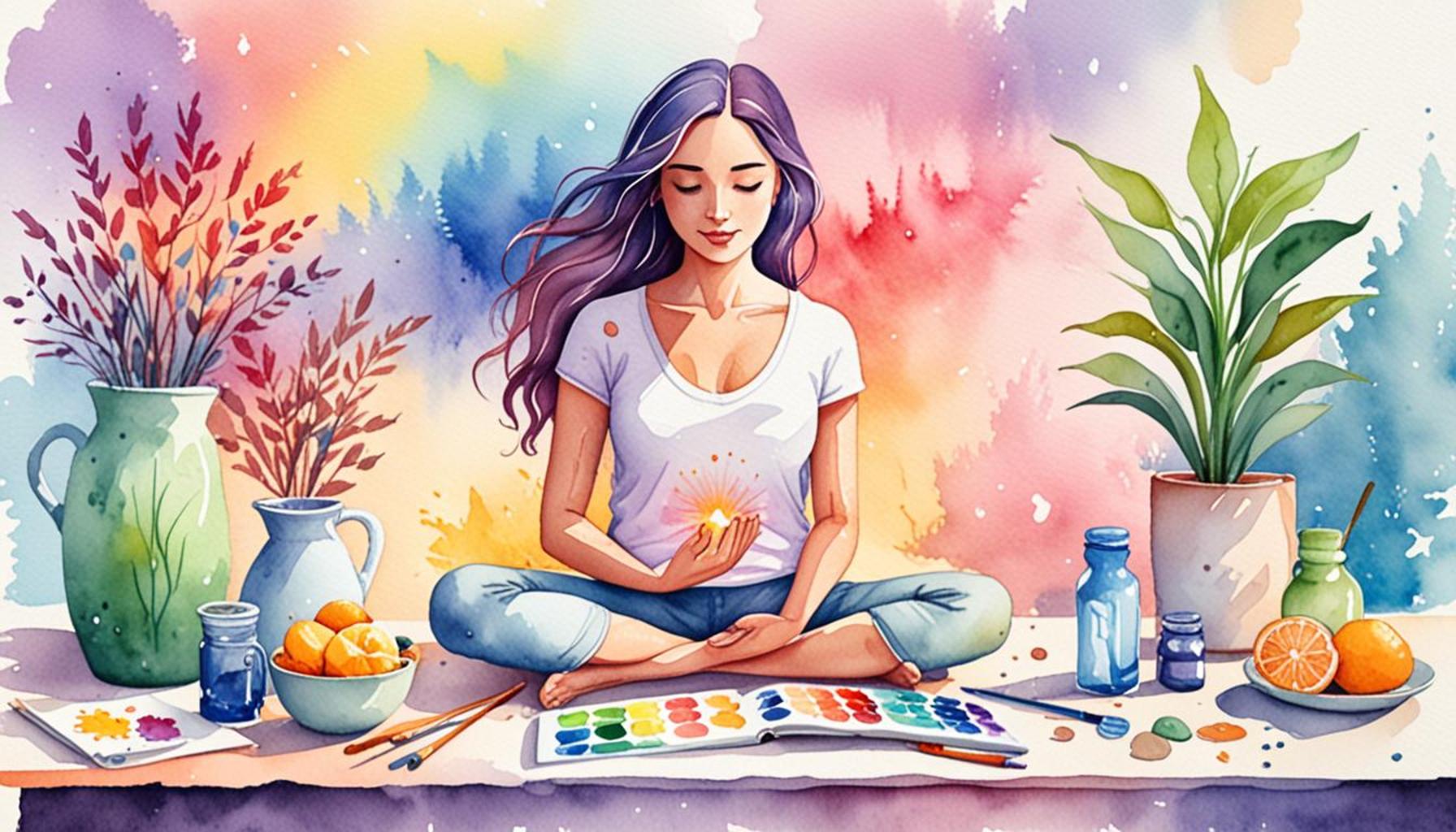
The Importance of Mindfulness in Creating Minimalist and Functional Spaces
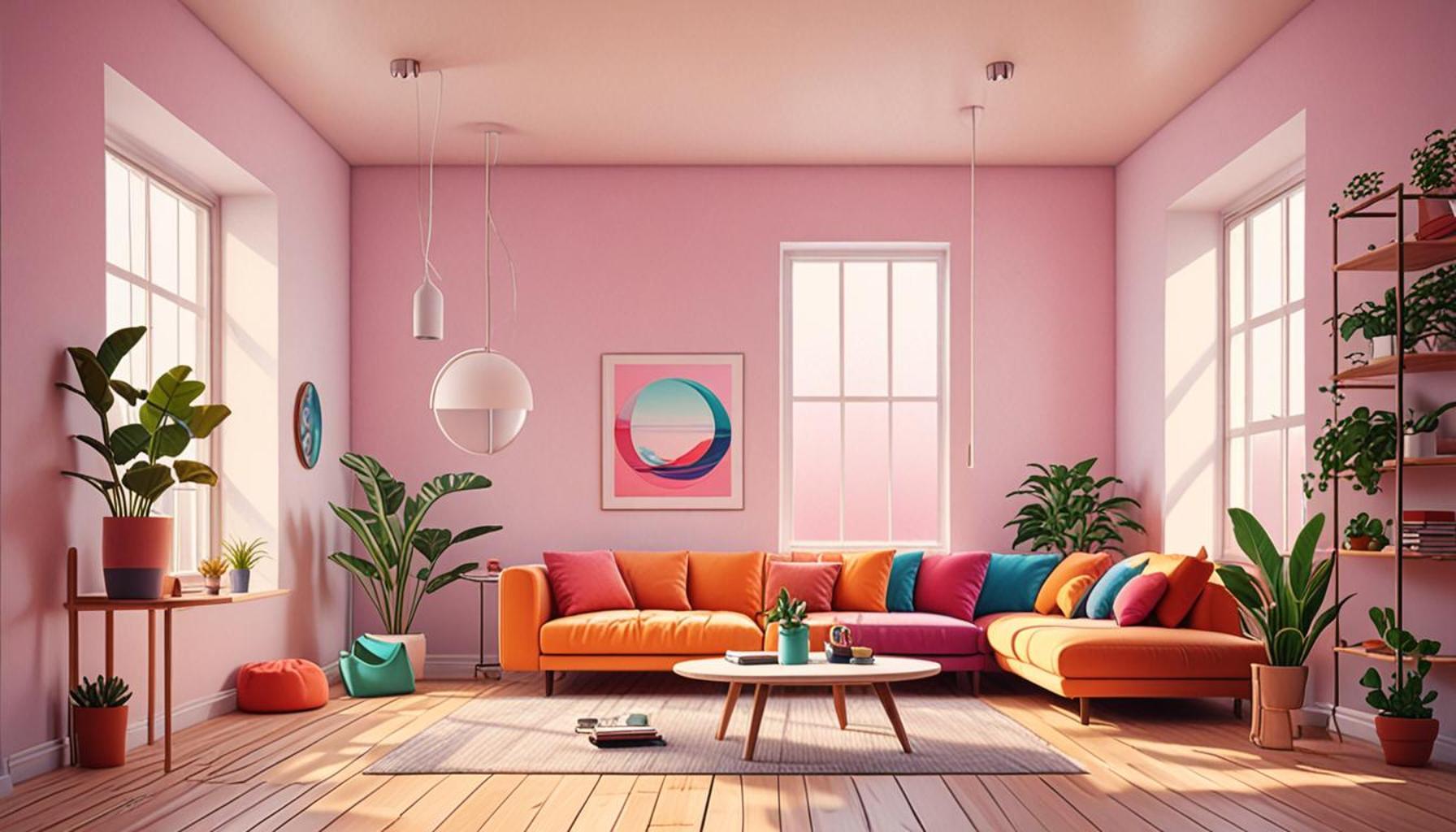
The Importance of Mindfulness in Design
In an ever-busy world, mindfulness stands out as a vital practice, influencing countless aspects of our lives, including the spaces we inhabit. When applied to interior design, mindfulness fosters environments that are not only minimalist but also profoundly functional. This connection between mindfulness and space can lead to more harmonious living experiences that enhance our overall quality of life.
At the core of mindful design is the principle of creating spaces that promote mental clarity. Clarity in design is achieved through simple lines, neutral colors, and a purposeful arrangement of furniture and decor. By reducing visual clutter, you create a calming atmosphere that aids in enhancing mental focus. For example, a room with an overwhelming amount of decor can lead to distraction, while a space thoughtfully arranged to keep only a few essential elements can invite tranquility and reflection.
Furthermore, mindful spaces emphasize efficiency. Thoughtful layouts that encourage easy navigation and usage reflect a deep understanding of human behavior. A well-organized kitchen, for instance, with frequently used items within easy reach, allows for smoother cooking experiences and minimizes frustration. In Nigeria’s bustling urban settings, where time is often of the essence, such efficiency becomes not just a luxury but a necessity.
Moreover, the impact of a mindful environment on emotional well-being cannot be overstated. Colors, materials, and textures play a pivotal role in creating a sanctuary that evokes peace and reduces anxiety. For instance, using warm, earthy tones can help create a soothing atmosphere, while integrating natural elements, such as plants, can purify the air and enhance feelings of connectedness to nature. These design choices are particularly relevant in densely populated cities like Lagos, where the environment often feels overwhelming.
Given Nigeria’s unique cultural landscape, incorporating local artisanal crafts can further enhance a mindful space. Handcrafted furniture, traditional art, and locally sourced materials not only support local craftsmanship but also instill a deep sense of identity and belonging. As we embrace mindfulness in our surroundings, we craft spaces that speak to who we are and where we come from.
As we delve deeper into the principles guiding mindful design, consider how you can apply these insights to your own spaces. Whether it involves decluttering a room, choosing soothing color palettes, or incorporating functional furniture, each small change can lead to a more peaceful and productive environment. This exploration promises to unveil creative ways to transform your living or working space into a haven of simplicity and functionality that resonates with your personal journey.
SEE ALSO: Click here to read another article
Transforming Spaces Through Mindful Design
The intersection of mindfulness and design introduces a transformative approach to our environments, encouraging the creation of minimalist and functional spaces. A mindful mindset not only prioritizes simplicity but also considers the emotional and psychological effects that a space can have on its occupants. Adopting these principles can lead to an invigorating atmosphere that nurtures the body and mind, particularly in Nigeria’s fast-paced urban lifestyle where the need for peace and functionality is paramount.
In practicing mindfulness within interior design, the first step involves the conscious act of decluttering. This goes beyond simply removing excess items; it means letting go of possessions that no longer serve a purpose in your life or contribute positively to your experience. Studies have suggested that owning fewer items correlates with decreased stress and enhanced focus. This can be particularly vital in urban areas like Abuja or Lagos, where space is often at a premium. The challenge lies not just in physical decluttering, but in the emotional release—learning to detach from sentimental items that weigh down our mental and physical spaces.
Design Elements of Mindfulness
Once decluttering has been addressed, the next critical component of mindfulness in design is the intentional choice of design elements. Below are key aspects to consider:
- Color Palette: Choosing soothing and neutral colors, such as pale blues, soft greens, or earthy tones, can profoundly affect mood and energy levels. For instance, a blue-toned living room can evoke tranquility, mimicking the calming nature of water.
- Natural Light: Incorporating natural light through large windows or skylights helps to create a warm, inviting environment. Sunlight not only enhances the aesthetic but also boosts serotonin levels, improving overall well-being.
- Natural Materials: Utilizing materials such as wood, stone, or bamboo brings in an organic feel to the space. In Nigeria, traditional materials can be explored to support local craftsmanship and further promote sustainability.
- Functional Layout: The arrangement of furniture and decor should support daily activities. By prioritizing function in your layout—such as placing frequently used items within easy reach—you create a smooth workflow that minimizes frustration.
Additionally, incorporating elements of biophilic design, which emphasizes the connection between people and nature, can significantly enhance the mindfulness of a space. Indoor plants, natural light, and earthy textures not only enrich the aesthetic appeal of a home but also contribute to a more soothing environment where one can unwind and recharge.
In essence, the journey towards creating a mindful minimalist space is about establishing intentionality in every aspect of design. By focusing on decluttering, choosing materials, and cultivating a functional layout that resonates with your lifestyle, you engage in a process that fosters clarity, efficiency, and emotional wellness. Whether you’re reshaping a tiny apartment in Lagos or a spacious home in Port Harcourt, the principles of mindful design hold the potential to turn mere physical spaces into sanctuaries of peace and functionality.
The Role of Mindfulness in Minimalist Design
Minimalist design isn’t just about decluttering physical spaces; it’s also about creating environments that foster mental clarity and tranquility. Mindfulness serves as the backbone of this design philosophy. By being present and intentional in how we curate our surroundings, we can develop spaces that enhance our well-being.
Enhancing Focus and Productivity
Incorporating mindfulness into your living or working space can lead to increased focus. For instance, a functional workspace designed with the principles of mindfulness can reduce distractions and enhance creativity. By eliminating unnecessary clutter and emphasizing essential items, individuals are encouraged to engage deeply with their tasks.
Promoting Emotional Well-being
Mindfulness encourages a deeper connection with our surroundings. When we choose décor and furnishings mindfully, we create atmospheres that resonate with our personal values. This can evoke feelings of comfort and safety, greatly contributing to our emotional well-being. Colors, textures, and arrangements all play pivotal roles in this emotional landscape.
Elements for Mindful Minimalism
To effectively embrace a minimalist lifestyle, one can incorporate certain elements that align with mindfulness:
- Natural Light: The use of natural lighting can significantly impact mood and energy levels, encouraging positivity and alertness.
- Functional Furniture: Select furniture that serves multiple purposes, further reducing clutter while promoting a sense of order.
- Nature Elements: Incorporating plants brings the serenity of nature indoors, enhancing mental health and personal well-being.
| Category | Understanding the Benefits |
|---|---|
| Mindfulness and Order | Creates spaces that advocate mental clarity and peace. |
| Functionality | Allows for environments that facilitate daily activities more efficiently. |
Achieving mindful minimalism goes beyond aesthetics; it transforms spaces into sanctuaries. By prioritizing what truly matters, we enrich our lives and encourage serenity and creativity to flourish within our environments.
LEARN MORE: This related article may interest you
Integrating Mindfulness into Daily Living
Creating a minimalist and functional space through mindfulness extends beyond the physical elements of design; it integrates itself into our daily routines and habits, influencing how we interact with our environment. In the context of Nigeria’s vibrant culture and diverse lifestyles, adopting mindfulness in everyday living can deepen our relationship with our spaces and foster a sense of tranquility amidst the bustle of everyday life.
One of the simplest ways to enhance mindfulness in our living spaces is through the practice of mindful consumption. This principle encourages individuals to be discerning about what they bring into their homes. Instead of purchasing items based on trends or fleeting desires, it promotes thoughtful consideration of how an object will enhance your environment. For example, instead of filling a shelf with numerous decorative items, one might choose a single, meaningful piece that brings joy or evokes cherished memories. This not only contributes to a cleaner aesthetic, but it also reinforces the emotional connection to the space.
Mindfulness Rituals and Routines
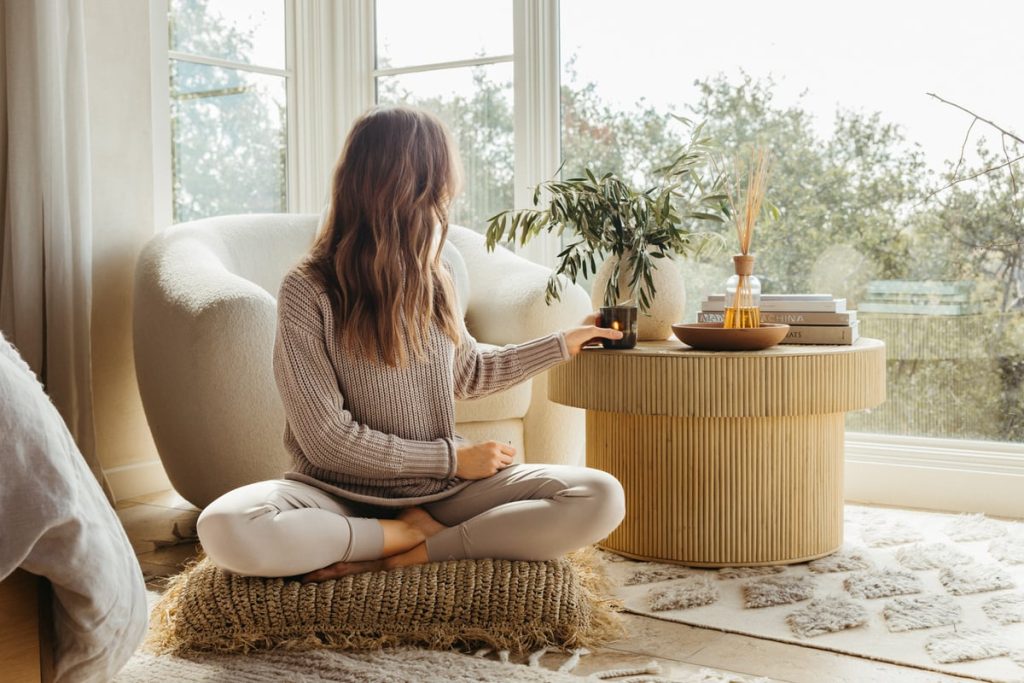
Moreover, establishing mindfulness rituals can enrich the minimalist concept. Incorporating daily practices, such as dedicating a few moments each morning to enjoy a cup of tea in a peaceful corner or engaging in brief meditation amidst nature, allows individuals to reconnect with their environment. This awareness enhances the experiences of the individual and fosters a greater appreciation for simple elements like natural light streaming through a window or the comfort of a favorite chair.
In communities across Nigeria, cultural practices can also serve as a guide to mindfulness. For instance, the traditional Yoruba practice of “oriki” or praise poetry can inspire individuals to reflect lovingly on aspects of their lives or their spaces. Reciting these poetic affirmations while tending to a home can promote a sense of gratitude that aligns with a minimalist philosophy. The act of intentionally appreciating what you have can significantly shift perspectives on space and material possessions, leading to more mindful decisions about what to keep and cultivate.
Functional Spaces for Community Engagement
Additionally, there is a compelling argument for designing spaces that encourage not only personal well-being but also communal connections. In urban settings like Lagos or Abuja, where real estate often prioritizes profitability over emotional resonance, the development of communal areas that embrace mindful engagement can enrich local neighborhoods. Creating multi-functional spaces such as community gardens or shared living areas encourages collaboration, cultural exchange, and shared values—all of which resonate with the essence of mindfulness.
Incorporating features like communal dining tables in homes or co-living spaces where residents can gather strengthens relationships and fosters a sense of belonging. These functional spaces, when designed with mindfulness, celebrate the vibrancy of community life while maintaining the principles of minimalism through thoughtful, shared usage.
Ultimately, the integration of mindfulness into our living spaces may necessitate revisiting our daily practices, routines, and interactions with the objects and places we inhabit. This approach not only cultivates a serene atmosphere but also promotes holistic well-being, blending the physical, emotional, and communal aspects of life in Nigeria’s diverse urban landscapes.
CHECK OUT: Click here to explore more
Conclusion: Embracing Mindfulness for Harmonious Living
The journey towards creating minimalist and functional spaces is undeniably intertwined with the principles of mindfulness. In Nigeria’s rapidly evolving urban environment, where noise and chaos can often cloud our senses, the deliberate integration of mindfulness can foster not only a physical reprieve but also emotional clarity. Emphasizing mindful consumption as a cornerstone allows individuals to focus on the quality and significance of what they bring into their homes, cultivating a space imbued with meaning and tranquility.
The practice of engaging in mindfulness rituals, whether through quiet reflection in a cherished nook or expressing gratitude via cultural practices like oriki, enhances our connection to both our spaces and ourselves. By reevaluating how we interact with our environment, we transition from mere possession to a mindful appreciation of every element within our homes. This, in turn, nurtures a more profound sense of well-being—a state that is crucial for today’s fast-paced lifestyles.
Moreover, designing functional spaces that prioritize communal connections, such as shared gardens and gathering areas, reflects a cultural adaptation of mindfulness that resonates deeply with Nigerian community values. These environments not only support individual serenity but also celebrate the essence of connectivity, encouraging collaboration and shared spaces for cultural exchange.
Ultimately, embracing mindfulness in the creation of our surroundings is not a fleeting trend; it is a vital practice that holds the potential to reshape our interactions with space—promoting a holistic approach to living that balances form, function, and community in Nigeria’s vibrant landscapes. By nurturing this awareness, we pave the way for a future where our living spaces serve as sanctuaries of peace, functionality, and communal harmony.