The Importance of Natural Light in Minimalist and Efficient Spaces
The Impact of Natural Light in Minimalist Design
Natural light is more than just a source of illumination; it plays a vital role in shaping our living environments, especially in minimalist design. When integrated effectively, sunlight can transform ordinary spaces into vibrant and harmonious habitats. One of the first aspects to consider is the numerous benefits that come with maximizing natural light within our homes and offices.
Health Benefits
Exposure to natural light significantly affects our mental and physical health. Studies have shown that increased access to sunlight can enhance mood by increasing serotonin levels, which can reduce feelings of depression and anxiety. In a country like Nigeria, where the sun shines brightly for most of the year, this natural source of light is not just a luxury; it is a necessity for fostering a positive environment. Furthermore, proper sunlight exposure aids in regulating our circadian rhythms, leading to better sleep and increased productivity during the day.
Energy Efficiency
Utilizing daylight reduces the reliance on artificial lighting, which not only lowers energy consumption but also cuts utility costs. In a Nigerian context, where many households face frequent power outages and high electricity bills, the strategic use of natural light can lead to significant savings. By designing homes and offices that maximize light intake throughout the day, energy bills can be reduced, and the overall environmental footprint minimized.
Aesthetic Appeal
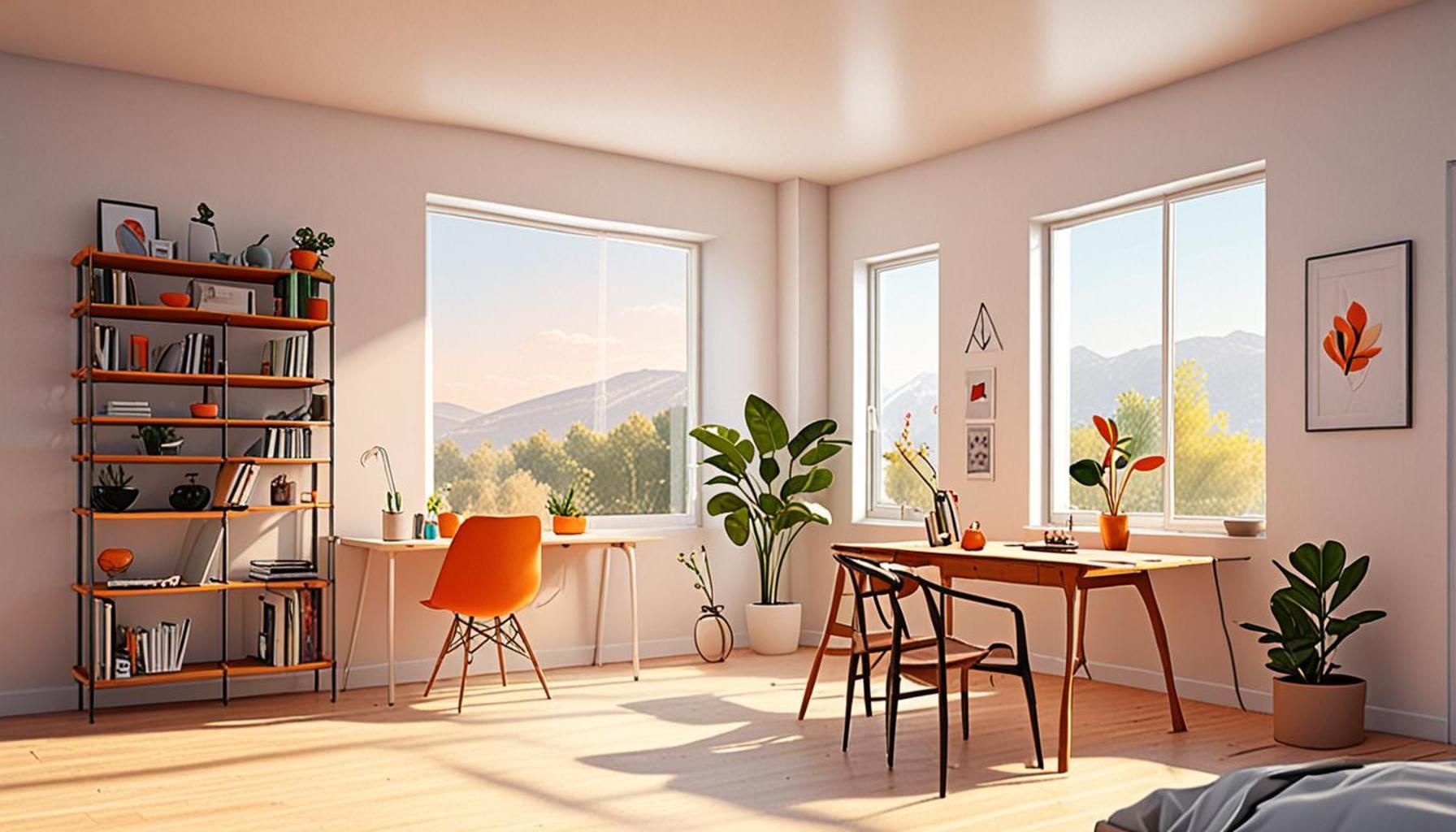
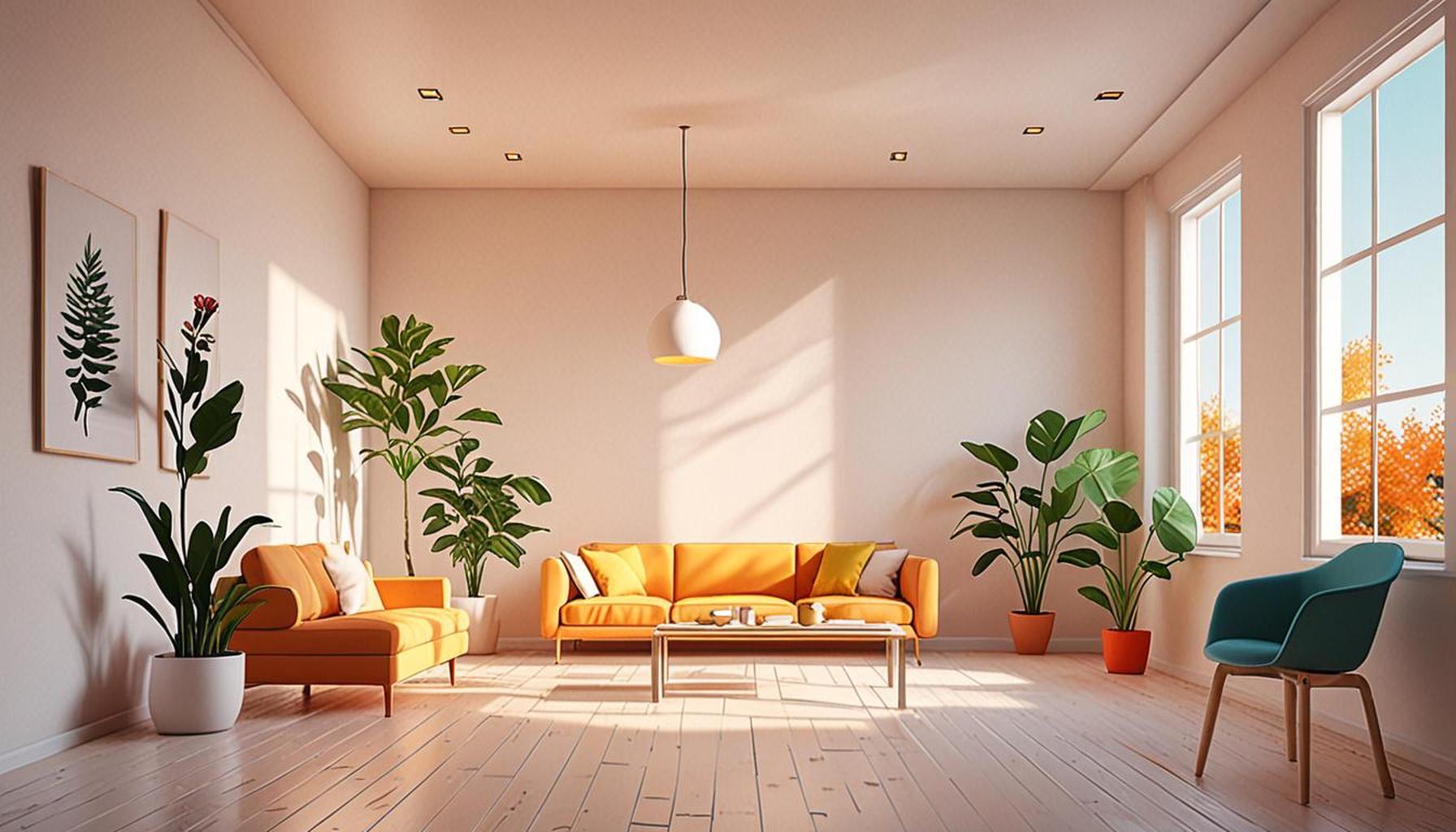
Incorporating natural light serves to highlight the beauty of minimalist decor, emphasizing the principles of simplicity and elegance. For example, a well-designed living room with large windows and neutral-toned furnishings can create a serene and inviting atmosphere, drawing attention to the thoughtfully chosen decor items rather than clutter. This aesthetic approach aligns well with the modern Nigerian lifestyle where open spaces are preferred, promoting a sense of peace and relaxation.
Design Features for Maximizing Light
Minimalist spaces, characterized by their simplicity and functionality, greatly benefit from strategic sunlight placement. Key features of these designs often include:
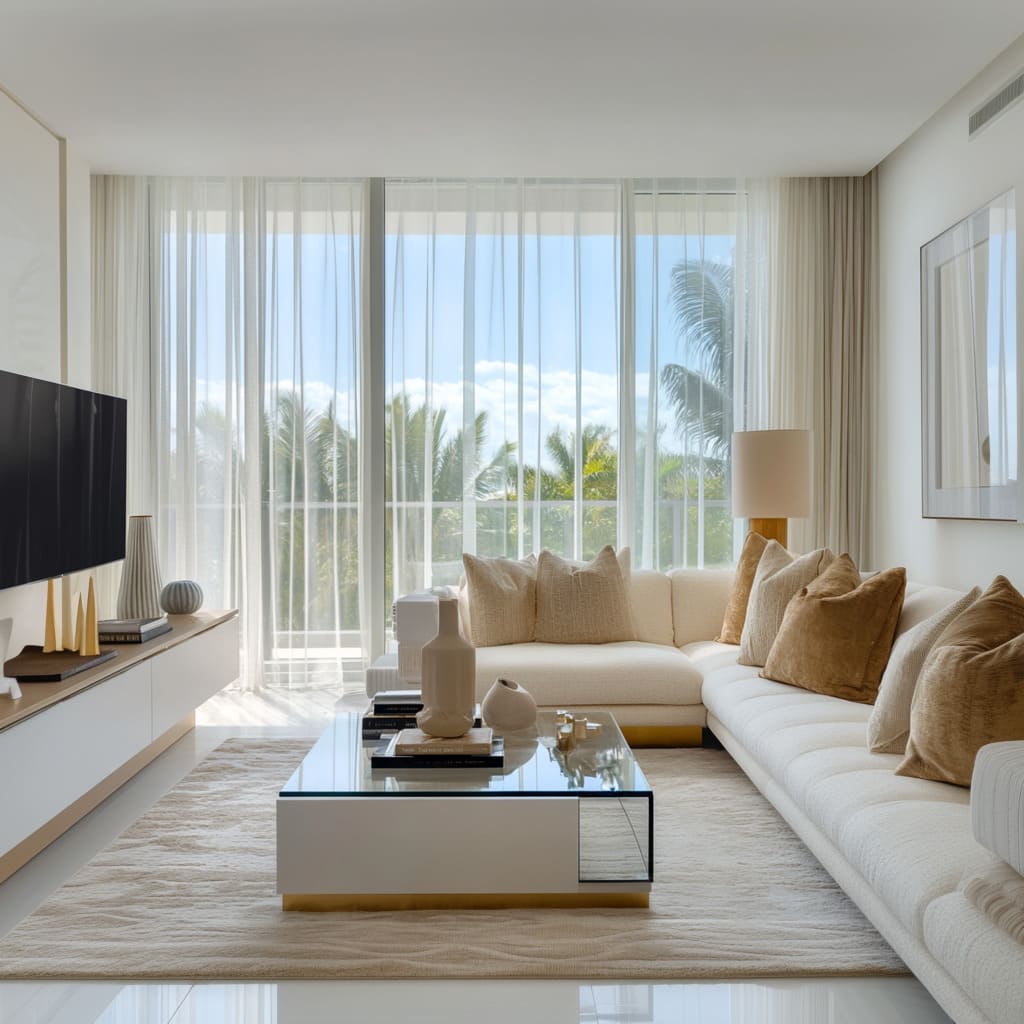
- Large windows that maximize daylight penetration, thereby enhancing the connection between indoor and outdoor environments.
- Open floor plans that facilitate the movement of light throughout the space, reducing dark corners.
- Use of light-colored materials such as white walls or light-colored furnishings, which reflect sunlight and make spaces appear brighter and more spacious.
Exploring the role of natural light in our daily environments can lead to more efficient, healthier living spaces. By embracing sunlight in minimalist designs, we can transform our homes into thriving sanctuaries that not only enhance our quality of life but also offer sustainable solutions for the future. Discovering practical ways to integrate natural light within your living spaces is a journey worth embarking on for anyone looking to elevate their home’s ambiance and functionality.
RECOMMENDED: Check out this similar article
Enhancing Well-being through Natural Light
Natural light serves not only as a source of energy but also plays a fundamental role in enhancing human well-being. In minimalist spaces, the thoughtful incorporation of sunlight can lead to an atmosphere where both productivity and tranquility thrive. The psychological advantages are particularly significant; for instance, exposure to daylight can stimulate the production of vitamin D. This vitamin is essential for maintaining a healthy immune system and has been linked to improved mood and cognitive function. In Nigeria, where many people face challenging living conditions, ensuring adequate exposure to natural light becomes increasingly important for mental health.
Promoting Productivity in Workspaces
In the context of work environments, maximizing natural light can result in increased productivity and worker satisfaction. Research indicates that employees who work in spaces filled with natural light report higher levels of focus and innovation. This is particularly crucial for businesses in Nigeria, where leveraging local talent to drive growth is essential. Companies that prioritize natural light in their office designs foster a culture of creativity and efficiency. Additionally, employees are less likely to experience fatigue when working in a well-lit atmosphere, thus contributing to lower absenteeism and improved overall performance.
Environmental Consciousness
Maximizing natural light is not just beneficial for individuals but also contributes to sustainable living practices. By reducing the dependence on artificial lighting, occupants of minimalist spaces can significantly lower their energy consumption. This is especially vital in Nigeria, where energy resources can be limited and expensive. A focus on daylighting strategies aligns with global sustainability goals, making it a critical aspect of modern design. Owners who invest in energy-efficient windows and strategic building orientation can reap substantial long-term economic benefits while also helping to preserve the environment.
Architectural Innovations for Natural Light
Modern architects and designers are increasingly innovating to enhance natural light in minimalist spaces. Some popular methods include:
- Clerestory windows—high windows that allow daylight to penetrate deep into interiors while maintaining privacy.
- Skylights—installing skylights in roofs can bring abundant natural light into spaces that may otherwise be dark.
- Light wells—these features can channel sunlight from the roof to the lower levels of a building.
Maximizing natural light not only creates a more visually appealing environment but also supports a healthier lifestyle. As the world increasingly recognizes the importance of well-designed spaces, understanding how to harness natural light effectively will redefine our approach to minimalist and efficient living. The journey toward creating a sunlit sanctuary in our homes and workplaces is filled with potential, encouraging both personal improvement and environmental stewardship.
The Role of Natural Light in Enhancing Aesthetic Appeal
Natural light serves as a fundamental element in creating visually appealing spaces, especially in minimalist design. By allowing sunlight to pour through large windows and open spaces, interior environments become brighter and more inviting. This not only elevates the overall aesthetic but also emphasizes the simplicity that characterizes minimalist architecture. In consistent observation, spaces drenched in natural light appear larger and more welcoming, creating an illusion of openness that contrasts starkly with darker, enclosed areas.
Impact on Mood and Productivity
Studies have shown that exposure to natural light significantly boosts mood and enhances productivity. Daylight not only regulates circadian rhythms, promoting better sleep patterns, but it also increases the release of serotonin in our bodies, resulting in a more positive mood. In workspaces, employees who work in areas with significant natural light report higher levels of focus, creativity, and overall job satisfaction. This suggests that the architectural choice to incorporate extensive natural light could lead to better performance and increased morale among occupants.
Energy Efficiency through Natural Illumination
In addition to aesthetic and psychological benefits, utilizing natural light in architectural design can also contribute significantly to energy efficiency. Buildings designed with ample natural light can reduce reliance on artificial lighting, lowering energy bills and minimizing the environmental impact. Implementing energy-efficient windows and reflective surfaces can maximize light penetration while optimizing temperature regulation. This synergy between natural light and energy efficiency not only benefits the environment but also appeals to modern consumers who prioritize sustainability in their living and working spaces.
| Category 1 | Category 2 |
|---|---|
| Aesthetic Appeal | Natural light enhances visual beauty and creates illusions of space. |
| Mood Enhancement | Daylight exposure boosts mood, productivity, and employee satisfaction. |
Enhancing Well-being through Biophilic Design
The concept of biophilic design seamlessly integrates natural elements into modern spaces, emphasizing the importance of nature and natural light in architecture. Studies indicate that environments created with biophilic principles, which effectively incorporate natural light, contribute to lower stress levels and improved cognitive function. By prioritizing the connection with nature, these spaces not only enhance the occupants’ well-being but also create a sense of tranquility that encourages relaxation and creativity.
LEARN MORE: This related article may interest you
Navigating Challenges: Access and Design
While the benefits of natural light are abundantly clear, several challenges remain in designing minimalist and efficient spaces that maximize this valuable resource. In Nigerian cities, where urbanization is rampant, many buildings are constructed closely together, often limiting the amount of sunlight that can access individual homes and offices. To overcome this, architects and builders must adopt innovative strategies that ensure natural light is not an afterthought but a priority within architectural designs.
Orientation and Placement
One key aspect of maximizing natural light is the strategic orientation of a building on its site. In Nigeria, where sunlight is abundant, positioning structures to take advantage of the sun’s path can dramatically enhance natural daylight inside. For instance, placing larger window openings on the southern and western facades typically allows more sunlight to enter, especially during the colder months. In contrast, it is vital to minimize openings on the eastern side to avoid excessive heat during the mornings, thereby balancing light and thermal comfort. Careful consideration of these factors ensures that spaces remain bright without contributing to elevated temperatures.
Innovative Use of Materials
The choice of materials also plays a pivotal role in the ability to utilize natural light effectively. Incorporating reflective surfaces can amplify daylight within a space, creating a brighter environment without relying heavily on artificial lighting. For example, utilizing light-colored walls or ceilings can bounce sunlight around, enhancing the overall brightness of a room. Furthermore, utilizing materials such as glass blocks or translucent panels allows for privacy while still permitting light to penetrate. These innovations are particularly advantageous in densely populated urban areas where privacy is often at a premium.
Adjustable Lighting Solutions
In addition to architectural approaches, the integration of adjustable lighting solutions can complement natural light during varying times of the day. Employing smart sensors and dimmable LED fixtures can create a seamless transition between natural and artificial light, ensuring optimal visibility throughout the day and night. For instance, smart lighting systems can sense the amount of available natural light and adjust the interior lighting accordingly, reducing energy usage and maintaining an inviting atmosphere. This technology not only enhances the aesthetic appeal but also aligns with sustainable energy practices, proving particularly beneficial in resource-constrained environments like Nigeria.
Community Engagement and Education
It is also essential to foster awareness about the importance of natural light within local communities. Neighborhood initiatives can educate homeowners and tenants about the benefits of utilizing natural light in their spaces, encouraging designs that celebrate sunlight rather than stifle it. Workshops can guide residents on how to adapt their living environments, whether through minor modifications or larger renovations, aimed at enhancing daylight access. When communities collectively understand the significance of well-lit spaces, the ripple effect fosters a greater appreciation for sustainable architecture and its impact on mental health and productivity.
The endeavor to capture natural light in minimalist and efficient spaces requires consideration, creativity, and collaboration among architects, builders, and the community. By addressing challenges related to access and design, Nigeria can move towards spaces that seamlessly incorporate natural light, nurturing both its citizens and the environment.
RECOMMENDED: Check out this similar article
Conclusion: Elevating Spaces Through Natural Light
In conclusion, the significance of natural light in shaping minimalist and efficient spaces cannot be overstated. It extends beyond aesthetic appeal to encompass practical benefits, such as enhancing mental well-being, improving productivity, and promoting energy efficiency. As urban centers in Nigeria face the dual pressures of rapid population growth and limited resources, the integration of natural light into architectural design emerges as a viable solution to foster healthier living environments.
By employing strategies such as careful orientation of buildings, the innovative use of materials, and the inclusion of adjustable lighting solutions, architects and builders can transform tight urban spaces into vibrant, well-lit sanctuaries that breathe life into daily activities. Furthermore, empowering communities through education about the essential role of natural light can facilitate a collective shift towards sustainable architectural practices that respect both individual needs and environmental considerations.
Ultimately, the journey to optimize natural light in our living and working environments is a collaborative effort. As stakeholders—including policymakers, architects, and local residents—come together to prioritize this invaluable resource, Nigeria can embrace a future where natural light is not merely an architectural feature but a fundamental element that uplifts communities, creating spaces that are not just efficient but also enriching. This paradigm shift will pave the way for a harmonious balance between urban life and nature, nurturing both the physical and psychological health of its people.