The influence of intentional choices on creating a harmonious and functional living space
Exploring the Impact of Intentional Choices on Living Spaces
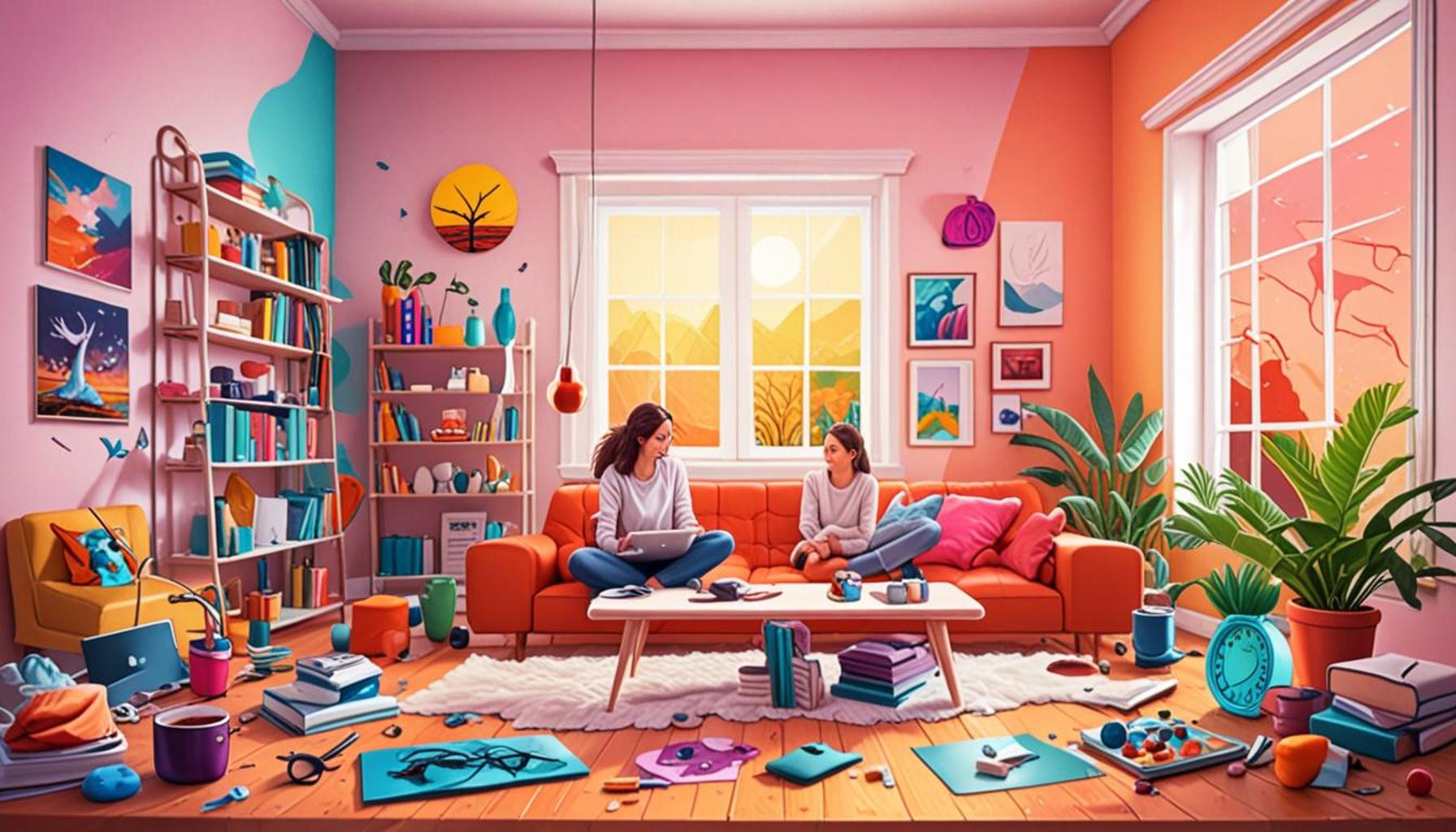
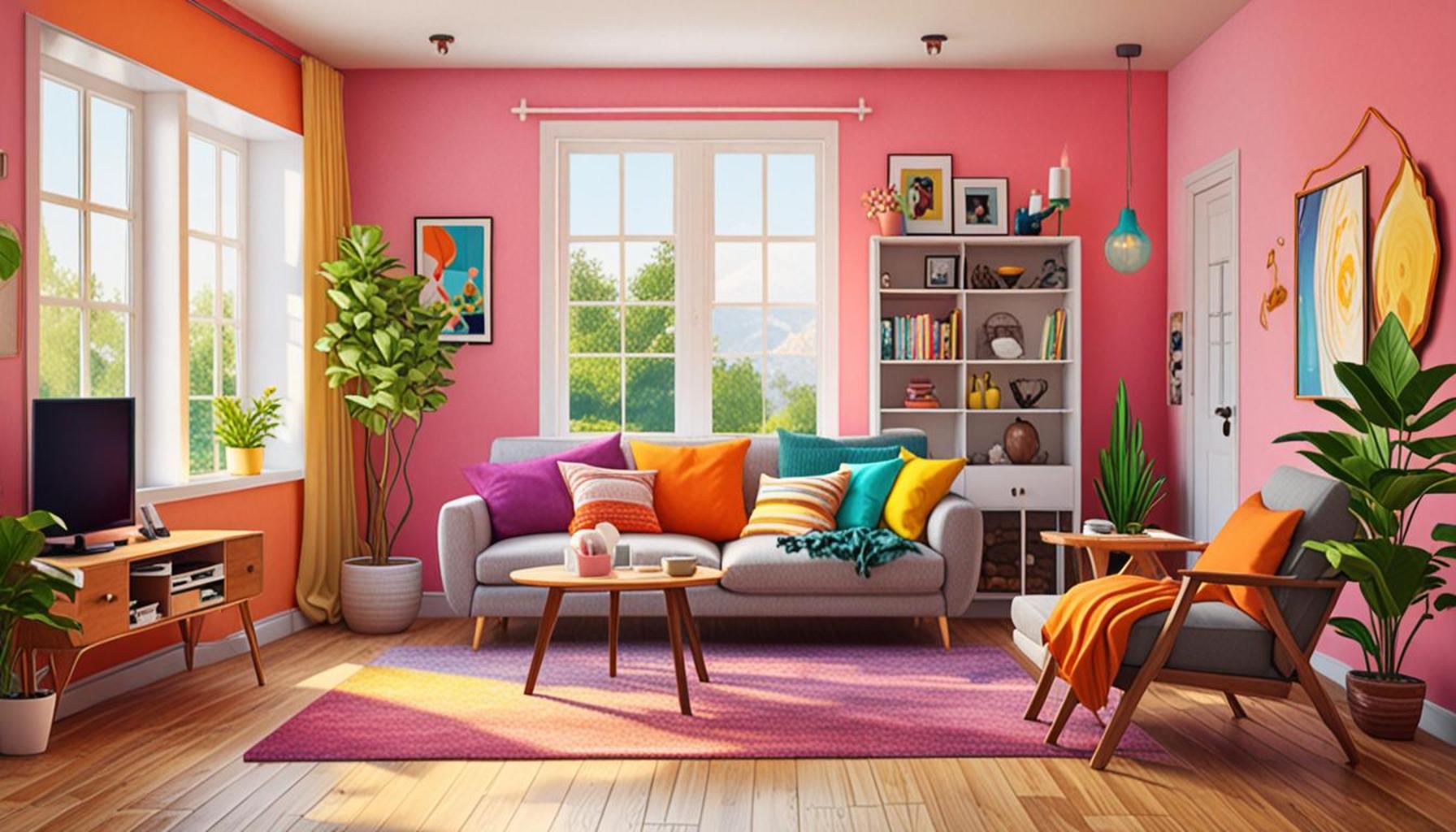
Creating a living space that balances harmony and functionality goes beyond mere decoration; it stems from intentional choices. We live in a fast-paced world often filled with chaos, making the ambience of our homes crucial for our mental and emotional well-being. The decisions we make about our living environment—ranging from color schemes to furniture layout—can profoundly influence our mood, productivity, and overall quality of life.
Consider the impact of various elements that play a pivotal role in shaping our home environments:
- Color Palette: The colors we select for our walls, furnishings, and decor can dramatically alter our emotional responses. For instance, soothing hues like soft blues and greens are known to promote calmness, making them ideal for bedrooms, while vibrant reds and yellows can energize spaces such as kitchens or offices.
- Furniture Arrangement: The thoughtful placement of furniture encourages flow and accessibility within a room. An open and uncluttered layout not only facilitates movement but fosters social interaction, making living spaces more inviting. In Nigerian homes, this may mean creating a communal area that supports family gatherings, reflecting the cultural importance of togetherness.
- Natural Light: Harnessing natural sunlight is essential for cultivating positivity and a connection to the outdoors. Large windows or light-colored curtains can help maximize daylight, contributing to a more vibrant and uplifting atmosphere in the home.
In Nigeria, the interplay of vibrant colors and rich textures reflects the country’s diverse culture, making our choices even more significant. Incorporating local artisans’ crafts or sustainable materials can transform an ordinary space into a testament of identity and heritage. For example, using beautifully woven textiles from the North or intricate woodwork from the Southwest can add character to any room, reinforcing cultural pride while serving as functional decor.
Moreover, intentional decor serves a dual purpose: enhancing aesthetic appeal and promoting practicality. Opting for multi-functional furniture pieces, such as a chic ottoman that offers storage space or a dining table that can also serve as a workspace, can maximize utility without sacrificing style.
Diving deeper into the essence of intentionality, each decision we make contributes to crafting a living environment that nurtures and inspires. Understanding how color, layout, and light work together empowers us to create spaces that are not just visually appealing but also emotionally fulfilling. By exploring these elements, we not only elevate our living conditions but also enrich our lives, aligning our homes with our personal values and aspirations.
ADDITIONAL INSIGHTS: Expand your understanding here
Intentional Choices: The Building Blocks of Harmony and Functionality
When it comes to designing a living space, the notion of intention is paramount. Each element we select—whether it’s a decorative item, a piece of furniture, or even the arrangement of space—carries weight in shaping the atmosphere of our homes. This intentionality is especially relevant in Nigeria, where vibrant traditions and diverse lifestyles collide, creating unique opportunities to craft spaces that resonate on both personal and cultural levels.
One of the most impactful aspects of creating a harmonious living space is the selection and application of a color palette. Colors evoke feelings, memories, and even energy levels, making their selection crucial. In Nigerian homes, the bright and bold colors that characterize traditional fabrics, such as Ankara or Aso Oke, can be seamlessly integrated into the home’s design. For instance, welcoming yellows and rich earthy tones can instill a sense of warmth and community in living areas or dining rooms where family gatherings take place. Understanding the psychological influence of these colors is essential for those looking to optimize their spaces for comfort and positivity.
Following the concept of color, furniture arrangement plays a vital role in fostering functionality and flow. A well-thought-out layout can create an open and inviting space that encourages interaction. In a typical Nigerian household, where families often come together for storytelling or sharing meals, positioning furniture in a circular layout can promote a sense of inclusion and dialogue. Avoiding clutter is equally important; it allows for smoother movement between spaces, which is essential in homes that may host many guests. The intentional placement of furniture can not only enhance aesthetics but also uphold cultural values of community and hospitality.
Furthermore, the use of natural light is an underappreciated yet significant factor in transforming a living environment. Incorporating large windows or skylights can flood spaces with daylight, providing a natural energy source that uplifts moods. In many Nigerian cities, where the vibrant sun is a constant presence, maximizing natural light can create an invigorating ambiance that connects the indoors with nature. Implementing lighter-colored curtains or blinds can help soften the sunlight while allowing its positive effects to permeate the home.
As we explore the profound influence of intentional choices, it’s crucial to acknowledge how the combinations of colors, furniture arrangements, and lighting work synergistically. Each decision crafts an environment that not only reflects personal tastes but also complements cultural narratives and values. These intentions are not merely about aesthetic appeal; they shape our daily interactions and contribute to a sense of peace and functionality, ultimately enriching our lives. For anyone looking to reimagine their space, understanding the depth of these choices can lead to a remarkable transformation.
| Design Choices | Impact on Space |
|---|---|
| Color Palette | A well-chosen color scheme can evoke emotions and create a soothing atmosphere. |
| Furniture Layout | Functional arrangements optimize space usage while fostering social interaction and flow. |
| Lighting Selection | Choosing appropriate lighting enhances mood and can make areas feel larger or cozier. |
| Materials Used | Intentional material choice contributes to the durability and aesthetic cohesion of a space. |
Creating a harmonious and functional living space hinges on a myriad of intentional decisions made by the occupant. Every element, from the color palette to furniture layout, plays a crucial role in defining the ambiance and usability of the environment. For instance, a well-chosen color scheme can evoke specific emotions, while a carefully planned furniture arrangement enhances both functionality and flow. Additionally, the choice of lighting fixtures can dramatically alter perceptions of space, creating either a cozy retreat or an open, airy setting.Materials likewise hold significance; selecting the right ones not only ensures durability but also promotes visual harmony throughout the living space. Each choice made has the potential to further influence how the space is experienced, making the art of intentional choice essential in crafting a truly functional and inviting home.
YOU MAY ALSO LIKE: Read read another article
Mindful Incorporation of Cultural Elements
In addition to color palettes, furniture arrangements, and natural light, the intentional incorporation of cultural elements further harnesses the power of our choices in creating a harmonious living space. For many Nigerians, traditional art and craft embody their heritage, bringing character and identity into the home. By displaying items such as traditional masks from the Yoruba or intricate carvings from the Igbo, individuals can create focal points that spark conversation and an appreciation for cultural roots. Intentional integration of these elements does not just beautify a space; it connects family members and visitors to shared histories and values, enriching the overall living experience.
For instance, the aesthetic of a living room could be elevated through a carefully curated collection of locally crafted furniture, such as intricately woven chairs or hand-painted tables. Each piece tells a story, simultaneously enhancing the home’s functionality and offering a window into the craftsmanship of Nigerian artisans. By opting for locally-sourced materials, homeowners also contribute to sustainable practices that support community economies, marrying intention with environmental consciousness.
Creating Zones for Multi-Functionality
Another powerful aspect of intentional choices in living space design is the establishment of functional zones. In many Nigerian homes, space is often at a premium, making multi-functional areas crucial. By thoughtfully dividing spaces into distinct zones—like a reading nook adjacent to a workspace or a dining area that seamlessly transitions into a lounging space—individuals can maximize the usability of their homes without compromising on style. This zoning allows for an inviting atmosphere that caters to various activities, from remote work to family gatherings.
Employing furniture that serves dual purposes can aid in achieving these zones. For example, an ottoman that doubles as storage or a dining table that can transform into a workspace can significantly amplify the utility of any space. When these choices are made intentionally, they lend themselves to creating an orderly and practical environment while still exuding warmth and comfort that makes a house feel like a true home.
Textiles and Sensory Experiences
The choice of textiles also plays an essential role in establishing an inviting atmosphere. The use of textured throws, layered rugs, and decorative cushions can create a sense of coziness and warmth, foundational aspects of a serene living space. In Nigeria, where the climate can fluctuate, these textiles transform a living area into a sanctuary, catering to comfort throughout the seasons. Moreover, incorporating traditional fabrics and patterns can create a visual representation of culture that resonates with every family member.
Beyond aesthetics, the sensory experience can be intensified by carefully considering fragrances and sound—a concept that may often be overlooked. Introducing natural scents through incense, essential oils, or even the aroma from cooking can evoke feelings of nostalgia and comfort. Likewise, soundscapes created by soft music or the gentle hum of nature can augment the ambiance, inviting tranquility into the home.
Engaging with these myriad choices requires a thoughtful approach, where each decision—a color, a piece of furniture, an art piece—comes together to create an environment that is not just livable, but also profoundly enriching. By understanding how to blend personal preferences with cultural heritage, Nigerians can craft living spaces that reflect not only their unique identities but also foster a deep sense of community and belonging.
LEARN MORE: This related article may interest you
Conclusion: The Power of Intentional Choices in Home Design
In summary, the influence of intentional choices in creating a harmonious and functional living space is profound and multifaceted. From the lively incorporation of cultural elements to the strategic division of space into functional zones, every decision made reverberates through the aesthetics and practicality of our homes. Homes are not merely structures; they are extensions of our identities, steeped in tradition, memory, and personal preferences.
The thoughtful selection of materials, textiles, and decor plays a pivotal role in establishing an inviting atmosphere that resonates with both comfort and cultural pride. In Nigeria, embracing local craftsmanship and traditional artifacts not only beautifies a space but also fosters appreciation for the rich tapestry of heritage that defines our communities. By blending cultural significance with modern design principles, we create environments that celebrate our diversity while accommodating the demands of contemporary living.
Moreover, with the growing importance of sustainability and environmental consciousness, making intentional choices can significantly impact local economies and communal ties. As we invest in local artisans and eco-friendly practices, we enrich not only our living spaces but also the lives of those around us. Therefore, the quest for a harmonious living space extends beyond aesthetic considerations; it becomes a journey of personal and communal exploration.
Ultimately, as we navigate the intricate dance of design and functionality, let us embrace the transformative power of intentional choices, cultivating spaces that reflect our deepest values and aspirations while nurturing a stronger sense of belonging.