
The Practice of Mindfulness in Daily Life: How Mindful Living Can Transform Your Minimalist Space
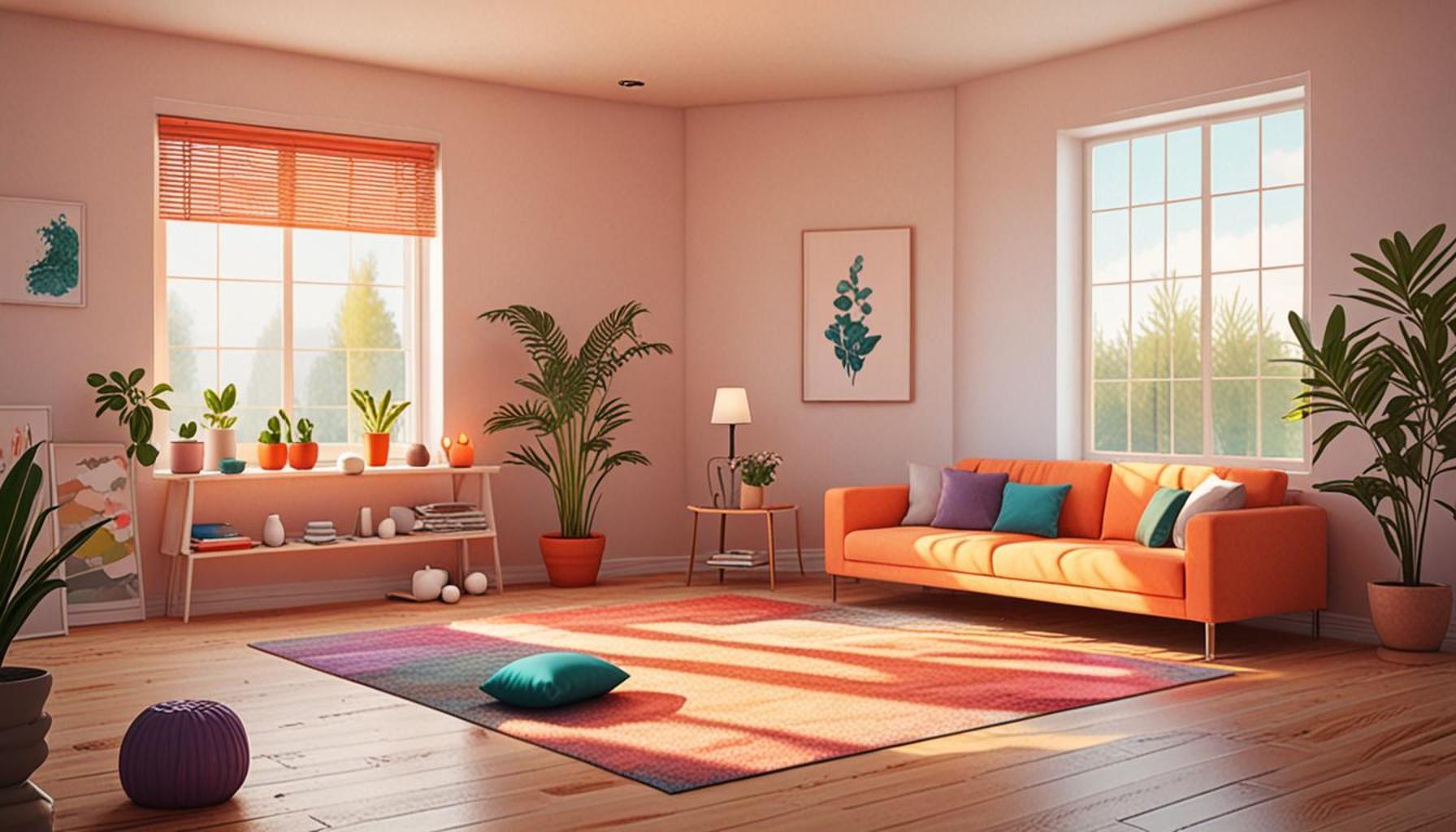
Embracing Mindfulness in Your Life
In our bustling society, the pursuit of tranquility can often feel like an uphill battle. As the noise of daily life drowns out our sense of peace, the integration of mindfulness into our routines emerges as a promising pathway. This practice not only promotes awareness and presence but also holds the potential to transform our living spaces into havens of calm and clarity.
Why Mindfulness Matters
- Enhances focus: Mindfulness equips individuals with the ability to immerse themselves fully in the present moment, effectively minimizing distractions from the outside world. In environments such as busy office settings in Lagos or communal living spaces in Ibadan, being present can dramatically improve productivity and creativity.
- Fosters emotional well-being: Numerous studies show that engaging in mindful practices can significantly reduce stress and anxiety. In Nigeria, where the hustle and bustle of urban life can lead to overwhelming feelings, cultivating mindfulness offers a coping mechanism to navigate daily challenges more gracefully.
- Creates a decluttered mind: Adopting a minimalist lifestyle, paired with mindfulness, can lead to clearer thinking. As you clear out physical clutter from your home, you may also find mental clarity—a vital benefit in today’s chaotic world.
The reality of modern living often leaves us buried under layers of physical and emotional clutter. Imagine transforming your home—a typical Nigerian space filled with vibrant colors and artifacts—into a sanctuary that promotes tranquility and positivity. By embracing a mindful approach to living, you can create an environment that not only radiates simplicity but also embodies a profound sense of peace.
Mindful Living in Action
- Declutter intentionally: Take the time to review your possessions and keep only those items that resonate with joy. This practice can involve letting go of unused kitchen gadgets or simply old clothes that no longer serve you. Charity shops in Nigeria can be a great way to contribute while decluttering.
- Incorporate nature: Bringing nature into your home, such as through houseplants or natural light, can soothe the mind and uplift your spirit. In many Nigerian homes, plants like snake plants or peace lilies not only enhance the aesthetic appeal but also improve air quality, further promoting a peaceful atmosphere.
- Designate mindful moments: Setting aside time each day for meditation or simple reflection can significantly enhance your emotional resilience. Whether it’s a few quiet minutes on your balcony overlooking the city or a few moments of stillness in your favorite corner of your living room, being deliberate about this time can yield profound benefits.
By weaving mindfulness into the very fabric of your everyday life, you open doors to not only enhancing your living space but also embarking on a journey of personal transformation. This shift toward a minimalist yet mindful existence can lead to greater fulfillment and a deeper connection with yourself and your environment. In a country as vibrant and diverse as Nigeria, the practice of mindfulness can be a powerful tool for navigating the complexities of modern life, helping you to cultivate a life steeped in serenity and purpose.
SEE ALSO: Click here to read another article
The Synergy Between Mindfulness and Minimalism
In a world where material possessions are often equated with success and happiness, mindfulness invites us to challenge these norms. The essence of mindful living lies in the conscious experience of our surroundings and our relationship with the items we choose to keep. Minimalism, when combined with mindfulness, leads to a transformative process that goes beyond mere decluttering; it fosters a nurturing environment where serenity can thrive.
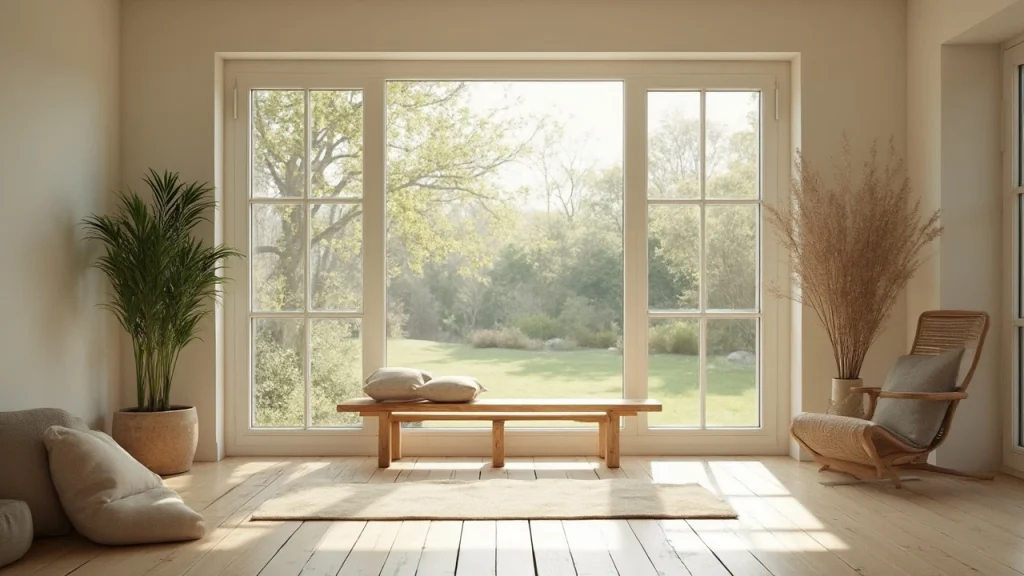
By adopting mindfulness, we learn to appreciate the significance of each item in our homes. Instead of merely accumulating objects, mindful living encourages us to reflect on their purpose and the emotions they evoke. This reflective practice can be particularly valuable in Nigeria’s vibrant culture, where homes are often adorned with colorful artifacts, beautiful textiles, and traditional crafts. Through mindfulness, one can discern which pieces resonate with personal joy and which may simply contribute to a sense of overwhelm.
- The Emotional Connection to Objects: In many Nigerian households, mementos from family gatherings or gifts from loved ones hold significant emotional weight. By incorporating mindfulness into our daily lives, we can revisit these connections consciously, savoring the memories attached to cherished items while letting go of those that no longer serve us.
- Living with Intention: Mindfulness is fundamentally about intention. When decluttering, ask yourself whether each item serves a clear purpose or adds joy to your life. This question is particularly relevant against the backdrop of Nigeria’s rapid urbanization, where many find themselves caught in a cycle of purchasing items that quickly lose their appeal.
- The Balance of Space: Creating a minimalist environment allows for better balance and harmony within our homes. A deliberate choice of a few meaningful items rather than an abundance of trinkets can cultivate an atmosphere of tranquility, making it easier for families to find peace amidst their busy lives.
The streets of Lagos, bustling with energy, can sometimes feel suffocating. Integrating mindfulness can allow individuals to carve out pockets of calm amid the chaos. This transformation doesn’t merely manifest physically but also emotionally, encouraging a peaceful disposition that can influence social interactions and personal development. Taking mindful breaths before entering your home can become an embodied ritual, signaling the start of a nurturing space.
Cultivating Mindfulness in Your Living Space
Moreover, creating a minimalist space does not happen overnight. It necessitates a systemic approach—one rooted in self-awareness and grounded in the present moment. Start by taking small but intentional steps. Begin with a single drawer or a corner of your living room, allowing the process of mindful decluttering to unfold naturally. Embrace each step as a journey of connection, introspection, and personal growth.
As you practice mindful living, visualize your living space not just as a backdrop for your life but as an integral part of your daily experience. Through this lens, the burden of material excess gently dissipates, paving the way for a minimalist lifestyle that truly reflects both clarity and peace. Let mindfulness be your guide as you embark on this enriching journey of transformation.
| Mindful Practices | Benefits for Minimalist Spaces |
|---|---|
| Daily Meditation | Enhances clarity in decision-making regarding possessions and layout. |
| Gratitude Journaling | Promotes appreciation for existing items, leading to intentional decluttering. |
| Mindful Breathing | Creates a serene atmosphere that complements minimalist design. |
| Decluttering Sessions | Encourages mindful selection of items that enhance well-being and utility. |
Incorporating mindfulness into daily routines can significantly influence how minimalism is experienced within living spaces. For instance, engaging in daily meditation can elevate one’s ability to discern which items truly align with their values and lifestyle, ultimately leading to a curated environment that radiates peace. Additionally, the practice of gratitude journaling allows individuals to reflect on the significance of their possessions, fostering a deeper connection and reducing the impulse to acquire unnecessary items.Moreover, *mindful breathing* serves as a tool to cultivate tranquility, enhancing the aesthetic appeal of minimalist spaces by promoting a sense of calm. Regular decluttering sessions, aligned with mindful principles, empower individuals to make thoughtful decisions about their belongings, ensuring each item serves a purpose and contributes to overall well-being. These practices illustrate how embracing mindfulness can transform both inner states and physical spaces, paving the way for a more harmonious living environment.
YOU MAY ALSO LIKE: Read read another article
Integrating Mindfulness into Daily Routines
The beauty of mindfulness lies in its ability to become an integral part of our daily routines. In Nigeria, where the pace of life can often feel relentless, prioritizing mindfulness within a minimalist framework can cultivate a profound sense of wellbeing. By weaving mindfulness into everyday activities—such as cooking, cleaning, and even commuting—we create a living space that not only reflects minimalism but also promotes a deeper connection to the present moment.
Consider the simple act of cooking. Preparing traditional dishes like jollof rice or egusi soup can turn into a meditative experience when approached with mindfulness. Instead of rushing through the process, take the time to appreciate the ingredients—the vibrant colors of tomatoes, the rich aroma of spices. This intentional focus transforms a routine task into a celebration of culture and sustenance, creating a mindful moment that reverberates throughout your minimalist kitchen.
- Mindful Cleaning: When tidying your space, rather than seeing it as a chore, embrace it as an opportunity to reconnect with your surroundings. Each sweep of the broom or wipe with a cloth allows you to consciously engage with the space you occupy. Consider what items are truly essential and what can be put away, leading to a home that resonates with simplicity and purpose while being infused with calm energy.
- Commute with Purpose: In major cities like Lagos, where traffic congestion is a daily reality, the commute can evoke stress and frustration. By adopting mindful practices during these moments—such as deep breathing exercises or listening to calming music—individuals can transform their mindset. This shift not only enhances the daily commute but also sets a positive tone for the day ahead, embodying the principles of mindful living.
Additionally, creating a minimalist yet mindful living space involves curating your environment to foster relaxation and positivity. Incorporating elements such as houseplants, which are known for their calming effects, can significantly enhance a room’s ambiance. In Nigeria, the practice of surrounding oneself with flora is deeply rooted in the culture, and plants contribute to a serene atmosphere while requiring minimal upkeep—perfect for a minimalist approach.
Mindfulness and Social Spaces
Mindfulness can also permeate social interactions, shaping how we engage with family and friends. Consider hosting gatherings with a mindful approach—perhaps a potluck where everyone brings a dish to share, allowing for a collective expression of joy and connection. The focus on being present, engaging in meaningful conversations, and appreciating each contribution creates a communal space that is both inviting and therapeutic, rounding out a minimalist lifestyle that prioritizes relationships over possessions.
Incorporating mindfulness into your daily life doesn’t require radical changes; it can be as simple as practicing gratitude before meals or taking a moment to admire a well-organized shelf. These small acts build a powerful connection between your mindset and your living space, reinforcing the tenets of simplicity and intentionality. As you embrace mindful living, watch how your minimalist space transforms—not just into a physical haven, but also into a sacred space that fosters emotional peace and clarity.
CHECK OUT: Click here to explore more
Conclusion: The Transformative Power of Mindfulness in Minimalism
As we have explored, the practice of mindfulness is not merely an isolated activity but a way of life that can significantly enhance our approach to minimalism. By infusing mindful living into our daily routines—whether through cooking, cleaning, or social interactions—we create not just a physical environment that is free of clutter, but a sanctuary that nurtures mental clarity and emotional wellbeing. In Nigeria, where community and culture intertwine with daily life, the integration of mindfulness can reshape not only our personal spaces but also the nature of our relationships.
Consider how practices like mindful breathing during the daily commute can transform stress into serenity. Similarly, host gatherings that encourage presence and appreciation, bringing family and friends together in a space that feels both intentional and relaxing. These practices reinforce the idea that minimalism is about embracing what matters most, rather than simply eliminating the unnecessary.
Ultimately, the journey toward a more mindful existence does not demand drastic changes; rather, it invites us to slow down, reflect, and connect with our surroundings and ourselves. By consciously curating our spaces and focusing on the richness of everyday moments, we unlock the true potential of both mindfulness and minimalism. The harmonious relationship between these two philosophies can lead to a profound transformation in our lives, making our environments more than just physical spaces—they become reflective havens of peace, simplicity, and connection.