
The Role of Technology in Minimalist Organization of Environments
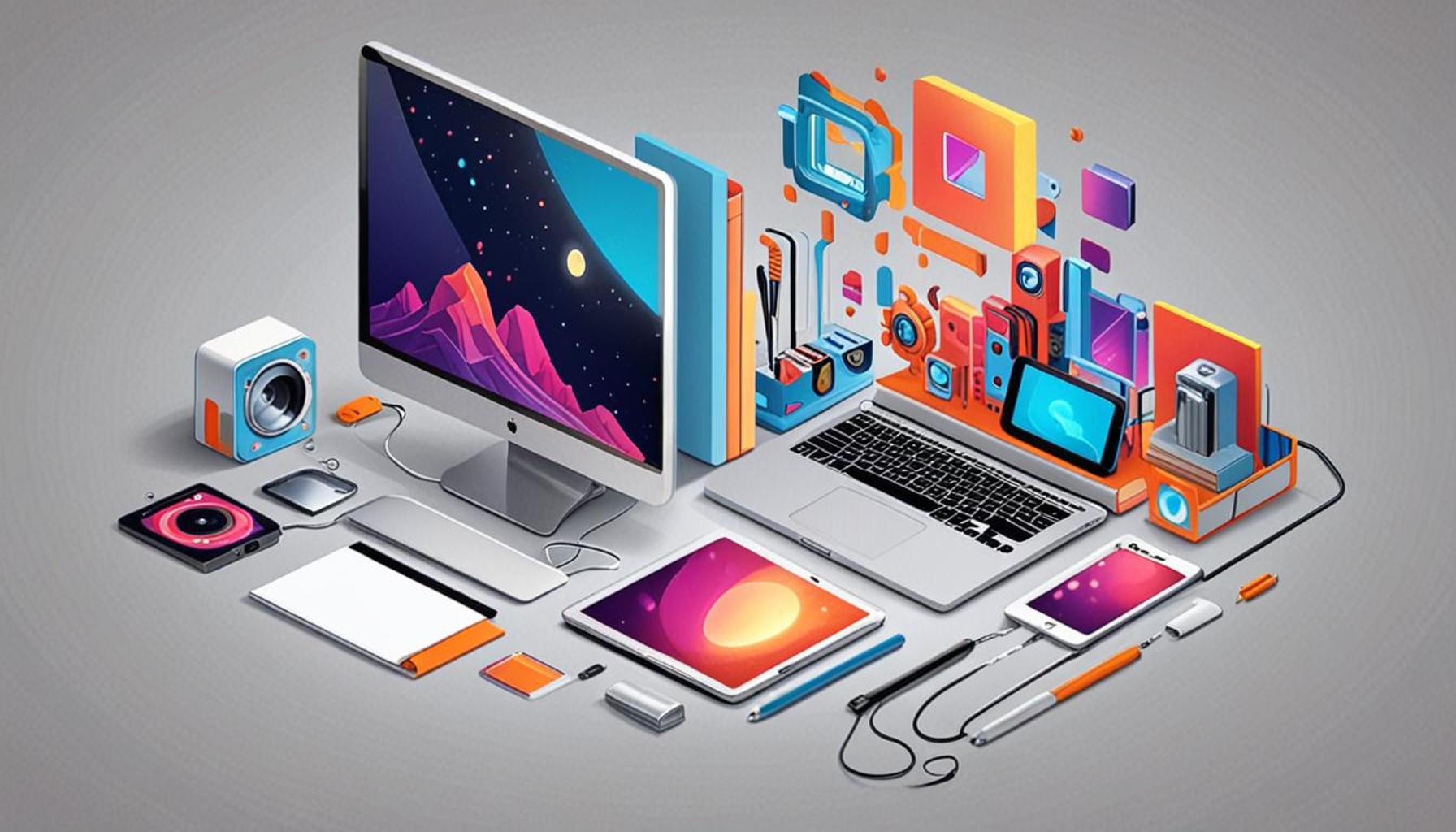
The Rise of Minimalism in a Digital Era
In recent years, the principle of minimalism has emerged as a beacon of simplicity and clarity in our often cluttered lives. As urbanization accelerates in Nigeria, where many individuals face space constraints, minimalism transforms from a mere aesthetic into a necessity. Practicing a minimalist lifestyle facilitates a sense of peace and clarity while maximizing the utility of limited resources.
Embracing Technology for Minimalist Organization
The rapid advancements in technology provide unique solutions that complement a minimalist approach. By integrating these tools, individuals can create an organized and efficient living or working space, contributing not only to personal well-being but also to sustainable living practices.
- Smart home devices: From automated lighting to smart thermostats, these gadgets reduce the need for numerous physical items and cumbersome daily tasks. For instance, using smart plugs, Nigerian households can remotely control appliances, eliminating the clutter of cables and allowing for better space management. In a country where power efficiency is crucial, these smart devices can help minimize electricity bills while enhancing comfort.
- Cloud storage: In a society leaning heavily on digital solutions, cloud storage services like Google Drive or Dropbox offer a lifeline. They not only keep digital clutter at bay but also enable seamless access to important documents on-the-go. For Nigerian students and professionals, the ability to store and share resources online diminishes the reliance on physical paperwork – a practice that can often lead to chaos in both home and office environments.
- Organization apps: Applications such as Todoist or Trello serve as digital alternatives to paper planners and sticky notes. They help users track tasks, manage schedules, and set reminders, leading to more productive days. By reducing the clutter of physical reminders that take space and create distraction, these apps empower Nigerians to declutter their lives holistically.
The Impact of Minimalism on Mental Well-being
By implementing minimalist organization strategies aided by technology, individuals often report enhanced focus and reduced stress levels. Living and working in spaces that are not overwhelmed by excess promotes mental clarity, which is essential in Nigeria’s vibrant yet fast-paced environments, such as Lagos or Abuja.
Moreover, adopting a minimalist lifestyle can also cultivate a deeper connection to one’s personal values by emphasizing quality over quantity. This shift can influence consumer behaviors, encouraging more sustainable choices, such as investing in locally-sourced goods or participating in community sharing initiatives. Such practices not only promote environmental awareness but also foster a sense of community, which is vital in the Nigerian context.
Challenges and Considerations
However, integrating these tools is not without its challenges. Navigating the digital landscape requires an understanding of technology which may not be accessible to everyone. Moreover, the reliance on tech can sometimes contribute to an overwhelming cycle of consumption, where the line between digital and physical clutter becomes blurred.

In conclusion, while the fusion of minimalism and technology presents significant opportunities for creating serene and functional living spaces, it is essential to approach this transition mindfully. Engaging with these tools in a way that aligns with individual values can help foster a more peaceful and purposeful life in today’s dynamic environment.
YOU MAY ALSO LIKE: Read read another article
Harnessing Technological Innovations for Streamlined Spaces
In an age where technology continuously reshapes our interactions and environments, the role of technological innovations in fostering minimalist organization cannot be overstated. With the dynamic lifestyle prevalent in Nigeria’s bustling cities, such as Lagos and Kano, the integration of cutting-edge technology into everyday living can empower individuals to create spaces that are not only aesthetically pleasing but also profoundly functional.
One of the most profound ways technology aids minimalist organization is through the implementation of smart home devices. These devices have quickly gained popularity among urban dwellers who seek efficiency and convenience in their limited spaces. For example, Nigerian households can benefit from smart lighting systems that allow occupants to control their environment with a simple voice command or a smartphone app. By automating lighting and temperature, residents can minimize the number of physical items needed for home management, thus promoting a cleaner and more organized atmosphere.
Another area where technology plays a pivotal role is in the realm of digital organization tools. With the push towards a more paperless society, applications designed for task management and organization have gained traction. These tools, such as Evernote or Notion, enable users to consolidate notes, project plans, and schedules into a single digital interface. This transition reduces reliance on physical planners and notepads, which can easily contribute to clutter. Particularly in fast-paced environments where students and professionals juggle multiple responsibilities, the ability to harness these digital resources can significantly improve productivity.
- Enhanced Accessibility: Cloud-based applications ensure that important documents are accessible from anywhere, enabling Nigerians to transition between work and home seamlessly.
- Efficient Task Management: With features like reminders and notifications, digital organization apps help users prioritize tasks, leading to more efficient days.
- Centralized Information: Instead of scattered notes and documents, everything is stored in one easily navigable location, vastly improving the efficiency of both individual and collaborative work.
Furthermore, technology has enabled individuals to create virtual spaces that exemplify minimalist principles. Virtual reality and augmented reality tools allow homeowners to visualize how their spaces can be transformed with minimal interventions. This empowers them to make informed decisions about their environments while adhering to minimalist values. For example, Nigerians looking to redecorate can use apps that simulate furniture arrangements or color schemes without the need to physically move items or purchase new furnishings, thus saving both time and resources.
However, while the advantages of technology in aiding minimalist organization are substantial, it is important to recognize the potential downsides. With the abundance of digital tools, there is a risk of overwhelming users with too many options – a paradoxical reality that can lead to digital clutter itself. Thus, it’s crucial for individuals to select tools that genuinely enhance their experience rather than complicate it.
In conclusion, technology serves as a formidable ally in the pursuit of minimalist organization. By embracing these innovations, Nigerians can effectively create environments that prioritize simplicity, functionality, and, ultimately, a sense of calm amidst the chaos of modern life.
The Role of Technology in Minimalist Organization of Environments
As our lives become increasingly busy, the concept of minimalist organization within digital and physical environments has gained traction. Technology serves as an essential tool in this movement, providing innovative solutions that streamline our spaces and mental clutter. One of the noteworthy impacts of technology on minimalism is the integration of smart home devices. These gadgets, ranging from smart speakers to automated lighting, not only enhance convenience but also help in maintaining a clutter-free environment. For instance, smart storage solutions allow users to manage items efficiently, reducing physical clutter. Moreover, the digital organization is equally important. Applications like task managers and note-taking software assist individuals in organizing thoughts and tasks with ease, supporting the minimalist philosophy of simplicity.Additionally, the use of virtual reality (VR) and augmented reality (AR) technologies has opened new avenues for visualizing space utilization. By employing these technologies, individuals can experiment with different layouts in a digital format before making changes in real life. This aids in making informed decisions that align with minimalist principles, ensuring that every element serves a purpose.In exploring these dynamics, one finds that technology not only facilitates minimalism but also encourages sustainable living. With digital solutions reducing the need for physical materials, the ecological impact is minimized. Embracing technology in this way aligns well with the fundamental ideals of minimalism: to seek beauty and functionality while reducing surplus.The following table illustrates some key advantages of utilizing technology in minimalist organization, leading to more intentional living spaces:
| Advantage | Description |
|---|---|
| Efficiency | Technology automates repetitive tasks, allowing for more focus on essential activities. |
| Accessibility | Digital tools make information easily retrievable, streamlining organizing processes. |
By understanding these advantages, it becomes clear that technology plays a vital role in reinforcing a minimalist lifestyle, aiding individuals in achieving a more organized and fulfilling existence.
SEE ALSO: Click here to read another article
Innovative Storage Solutions Powered by Technology
As minimalism emphasizes the quality of possessions over quantity, technology offers remarkable storage solutions that cater precisely to this principle. One noteworthy advancement is the rise of smart storage systems. These systems utilize artificial intelligence and internet connectivity to optimize space and keep belongings organized. For example, Nigerians can now invest in app-connected storage units that track items within them through barcodes or QR codes. This technology not only facilitates easy retrieval of items but also assists users in ensuring they don’t accumulate unnecessary possessions, maintaining a minimalist environment.
Moreover, the demand for mobile applications focused on decluttering is on the rise. Users can leverage platforms like “Decluttr” or “Letgo” to sell, donate, or recycle items, significantly simplifying the process of streamlining their spaces. By engaging with these technologies, Nigerians can learn to part ways with items that no longer serve a purpose, aligning their living environments closely with minimalist values. This cultural shift towards minimalism, aided by technology, encourages more sustainable consumption patterns, a pressing need in today’s world.
Technological Advances in Space Management
Space management is another facet where technology proves invaluable in minimalist organization. With advanced 3D modeling software and design applications such as SketchUp or Roomstyler, individuals can now effectively plan their living spaces before making any physical changes. This empowers Nigerians to reconfigure their homes efficiently, ensuring that every square inch is utilized thoughtfully and that clutter is minimized without sacrificing comfort.
Additionally, the growing trend of collaborative workspaces across urban areas has further highlighted the necessity for effective minimal organization. These spaces often employ technology such as shared management systems that enable seamless collaboration while upholding a minimalist aesthetic. For instance, platforms enabling hot-desking arrangements help reduce redundant furniture while promoting a more fluid working environment. Such solutions not only facilitate better communication but also help in maximizing limited office square footage, a common challenge for businesses in Nigeria’s urban centers.
The Impact of Virtual Tools on Minimalism
The benefits of technology also extend into the realm of virtual communication, pivotal in today’s global environment. With the rise of virtual platforms like Zoom and Microsoft Teams, Nigerians are engaging in less physical travel, subsequently reducing their environmental footprint and promoting a minimalist lifestyle. Such digital tools foster greater collaboration while minimizing the need for excess travel and physical meeting spaces, effectively promoting space optimization.
Moreover, the advent of subscription box services tailored around minimalism is gaining traction. Companies deliver curated items based on user preferences, which not only help reduce waste but encourage individuals to re-evaluate their consumption habits. This trend supports the journey towards a minimalist life by ensuring that new items are purposeful rather than impulsive purchases.
Ultimately, the intersection of technology and minimalism is creating a vibrant landscape that enhances daily living in Nigeria. The increased reliance on digital tools and smart solutions positions the modern Nigerian not just as a consumer but as an informed curator of their environment, fostering spaces that reflect personal values and priorities.
LEARN MORE: This related article may interest you
Conclusion
In the rapidly evolving landscape of modern living, technology plays a pivotal role in facilitating minimalist organization of environments across Nigeria. By combining innovative storage solutions, space management tools, and virtual communication platforms, technology empowers individuals to streamline their possessions and cultivate spaces that are both efficient and meaningful. This synergy between minimalism and technology fosters a culture that values quality over quantity, encouraging Nigerians to become discerning curators of their belongings.
The rise of smart storage systems and decluttering applications illustrates how digital tools can optimize organization, ensuring that each item serves a distinct purpose within the home or workspace. Additionally, the advent of collaborative workspaces and 3D modeling tools enables users to maximize limited space thoughtfully, emphasizing the importance of functional aesthetics in urban environments. As a result, Nigerians are not only reducing their environmental footprint through less travel and the promotion of digital collaboration but are also adopting sustainable consumption habits through subscription box services that prioritize intentional purchasing.
As technology continues to advance, its potential to harmonize with minimalist principles will only expand. This evolution not only transforms living and working spaces but also contributes to a broader societal shift toward embracing simplicity and sustainability. All these elements underscore an intriguing prospect: embracing technology as a tool for minimalism could redefine how Nigerians interact with their environments, leading to a more intentional and enriching way of life. Thus, the journey towards a minimalist lifestyle, bolstered by technology, is one that invites exploration and adaptation in our daily lives.