
Functional Design: How Minimalist Furniture Can Transform Your Workspace Productivity
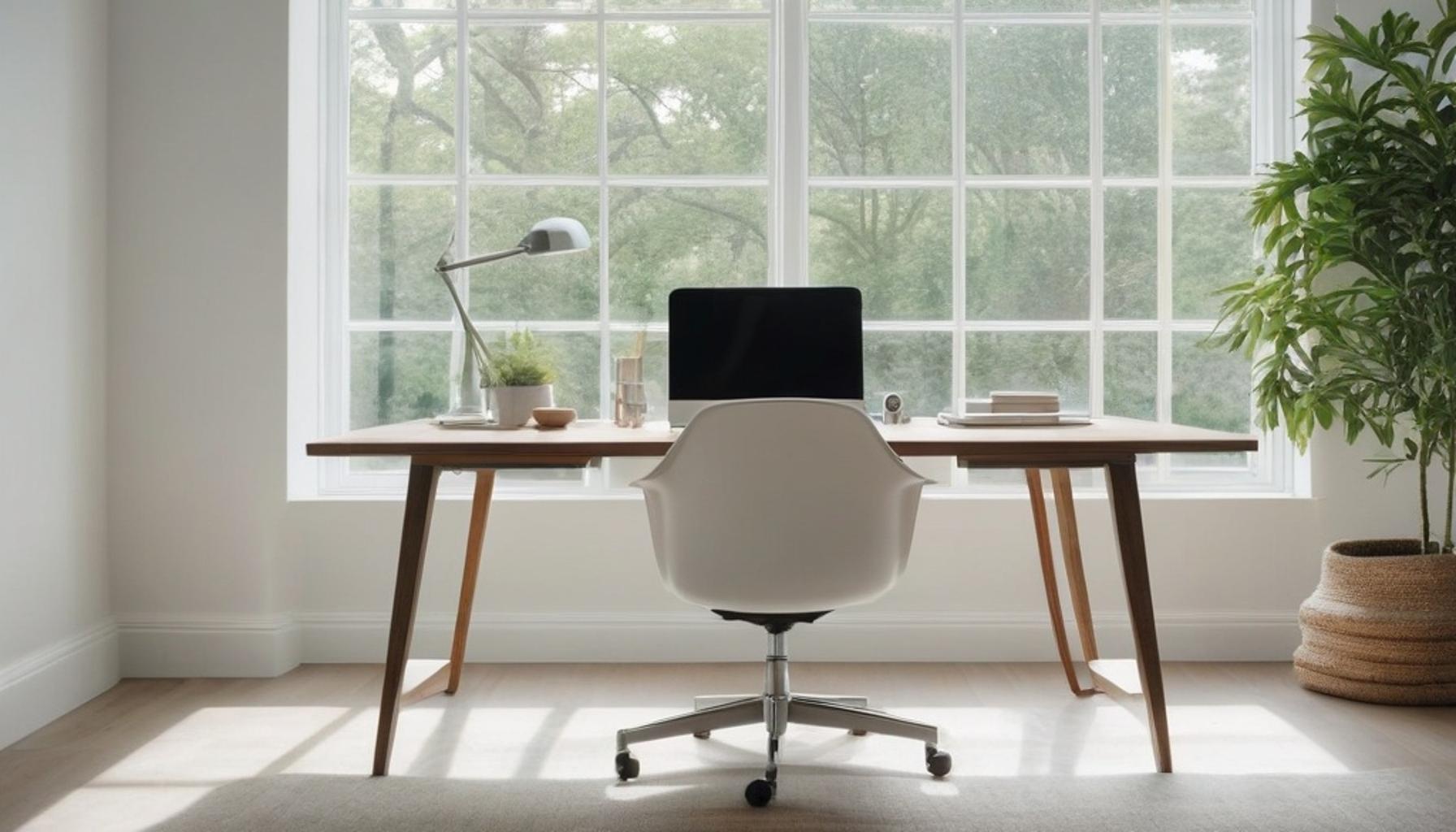
The Hidden Link Between Clutter and Concentration
Americans spend an average of 34,000 work hours over a lifetime staring at desks buried under papers, cables, and unnecessary decor. This clutter creates not just a visual distraction, but also a palpable mental burden. Research conducted by Princeton University highlights that cluttered environments can reduce focus and increase stress by nearly 30 percent. The findings suggest that the chaos surrounding us can lead to diminished productivity and heightened anxiety, forcefully vying for our mental bandwidth.
This is where minimalist furniture productivity becomes crucial. Emphasizing simplicity and intentionality in design, minimalism is emerging as more than just an aesthetic choice; it has become a measured approach to enhancing performance in workspaces. The idea is rooted in the concept that a clear, organized environment can foster a clearer, more organized mind.
Why Functional Design Is Gaining Ground in Modern Offices
Across the United States, from cutting-edge tech hubs in Silicon Valley to cozy home offices in the Midwest, organizations are reevaluating how functional design workspace principles can significantly impact daily output. The shift toward minimalist furniture design is not about creating cold, sterile environments devoid of character; rather, it’s about optimizing spaces to remove friction and distractions that hinder efficiency.
Consider these compelling examples of workspace upgrades gaining traction:
- Height-adjustable desks that offer clean lines eliminate excess clutter, encouraging users to alternate between sitting and standing, thus promoting physical well-being and engagement.
- Chairs designed for ergonomic support take precedence over decorative bulk, ensuring that comfort and health come first, enabling long periods of productive work without physical discomfort.
- Multi-purpose minimalist office furniture serves multiple functions without the encumbrance of redundant pieces, streamlining the environment and making it adaptable to various tasks and needs.
- Open shelving systems designed to minimize visual overload while providing organized access to essential items help create a more serene and productive work atmosphere.
What This Article Will Explore
This guide will break down how to improve productivity design without necessitating expensive renovations or complicated systems. You’ll discover practical workspace productivity tips that are supported by compelling data, offering actionable advice that anyone can implement.
Moreover, we will delve into the specific minimalist furniture benefits that go beyond aesthetics, addressing things like reduced decision fatigue and improved focus during demanding work sessions. Other benefits include less time spent cleaning and organizing, allowing you to dedicate more of your energy toward your actual work. The goal? To cultivate a workspace that works as hard as you do, embracing the philosophy that a clear space leads to a clear mind and, ultimately, greater success.
DISCOVER MORE: Click here for tips on a clutter-free kitchen
The Science Behind Minimalist Furniture Productivity
Walk into any high-performing office in Austin, Boston, or Seattle today, and you’ll likely notice something missing: the visual noise that once defined corporate America. Bare desks, hidden cables, and streamlined storage have replaced the towering stacks of paper and mismatched furniture of decades past. This transformation isn’t accidental. It’s a calculated response to mounting evidence that minimalist furniture productivity is measurable, repeatable, and significant.
Neuroscientists at UCLA found that visual clutter competes for attention in the same way a persistent notification does. Each unnecessary object in your peripheral vision consumes a small fraction of your cognitive resources. Multiply that by hundreds of items scattered across a typical workstation, and the mental toll becomes substantial. Simplifying the physical environment through a functional design workspace allows the brain to allocate more energy toward actual problem-solving rather than filtering out distractions.
Decision Fatigue and the Cost of Too Many Choices
Beyond visual distraction, there’s a subtler enemy at play: decision fatigue. Each object on a desk represents a micro-decision, whether to move it, ignore it, or address it. Behavioral economists have long studied how humans possess a finite reservoir of decision-making capacity each day. When that reservoir gets depleted by trivial choices, such as which pile of papers to tackle first, the quality of decisions on higher-stakes tasks declines noticeably.
This phenomenon is particularly relevant in today’s fast-paced business environment. The excess of choices can induce stress and slow down productivity. For instance, behavioral studies suggest that fewer choices lead to greater satisfaction and quicker decision-making. This is precisely why companies like Google and Basecamp have invested heavily in minimalist office furniture that limits unnecessary decisions. By streamlining their environments—fewer drawers, fewer knick-knacks, and fewer redundant tools—employees can conserve mental energy for the work that truly matters.
Measurable Outcomes Companies Are Reporting
Organizations that have adopted minimalist principles are documenting tangible results. While the specifics can vary based on industry and company culture, several patterns consistently emerge across different types of workplaces:
- Employees report shorter task-switching times when desks contain only essential tools. With fewer items to contend with, the brain can transition between tasks more swiftly, allowing for more fluid workflows.
- Teams working in decluttered, open environments show measurable improvements in collaborative problem-solving speed. The lack of barriers created by clutter encourages more creative interaction among team members.
- Workers using ergonomic, minimalist seating report fewer instances of midday fatigue and discomfort-related breaks. This not only boosts morale but can also lead to reduced healthcare costs in the long term.
- Simplified storage systems reduce the average time spent searching for documents or supplies by a notable margin. This efficiency translates into more productive hours and less employee frustration.
Metrics from companies like Microsoft and Dropbox validate these points, with some reporting productivity increases of over 20% following reorganizations that embraced minimalist principles. These outcomes reinforce a central truth: improve productivity design isn’t a vague wellness trend; it’s a practical strategy with quantifiable returns. As more American businesses digitize their operations, the physical workspace is being redefined not by how much it contains, but by how efficiently it supports the tasks at hand.
This shift reflects a broader cultural movement toward “less is more,” where workers are encouraged to focus on the essence of their tasks instead of the trappings of their environments. As organizations continue to adapt to the changing demands of the modern workforce, the principles of minimalist design will likely play an increasingly pivotal role in shaping the future of workspaces across the United States.
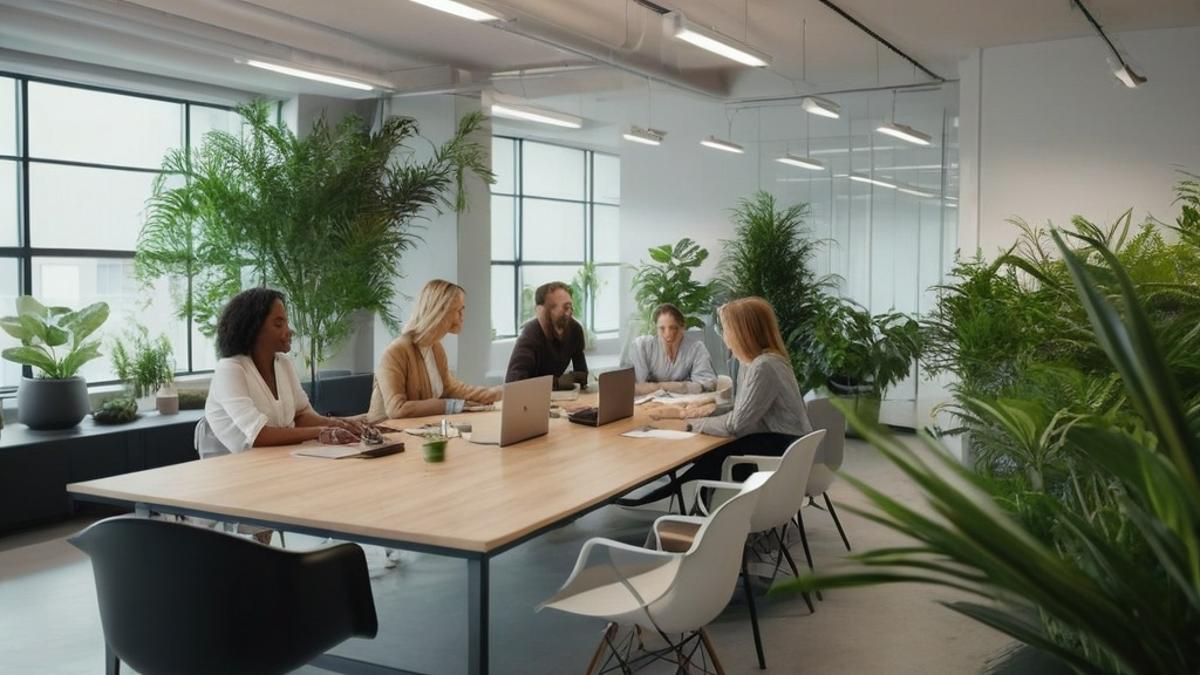
In conclusion, embracing a minimalist approach not only enhances productivity but also contributes to overall employee well-being. The elimination of visual clutter, reduction of decision fatigue, and creation of a streamlined workspace are strategies that more companies will undoubtedly explore in the quest to optimize performance and improve workplace dynamics.
DISCOVER: Click here for tips on a clutter-free kitchen
Choosing the Right Pieces: Practical Applications of Functional Design
Translating the science of minimalism into an actual office requires more than just throwing away old filing cabinets. It demands intentional choices about materials, proportions, and multi-functionality. Furniture designers across the country, from small workshops in Portland to major manufacturers in North Carolina’s furniture belt, are responding to this demand with pieces engineered specifically for cognitive efficiency.
The modern desk, for example, has evolved considerably. Height-adjustable models with built-in cable management systems have become standard in forward-thinking offices. These aren’t just aesthetic upgrades. Hidden wiring and slim profiles eliminate the subconscious clutter that silently drains focus throughout the workday.
Multi-Functional Storage Solutions
One of the most overlooked minimalist furniture benefits involves storage that adapts to actual usage patterns rather than hypothetical needs. Traditional offices often stock supply closets and drawers with items rarely touched, creating visual and physical clutter that serves no real purpose.
Companies embracing a leaner approach are turning to modular shelving units, under-desk drawers with single-purpose compartments, and shared resource stations instead of individual stockpiles. This shift reduces redundancy across teams while reinforcing the psychological benefits of an uncluttered space.
- Floating shelves that hold only current project materials, rotated weekly or biweekly.
- Slim-profile filing systems that digitize older records instead of physically storing them.
- Shared supply stations that eliminate the need for individual desk drawers stuffed with duplicate items.
Ergonomics Meets Simplicity
It would be a mistake to assume minimalism means sacrificing comfort. In fact, the opposite tends to be true. Furniture engineers are increasingly designing chairs and desks that combine clean lines with genuine ergonomic support, proving that a functional design workspace doesn’t require choosing between form and physical well-being.
Herman Miller, a Michigan-based company with decades of ergonomic research behind it, has released several minimalist chair lines that maintain lumbar support and adjustability while stripping away unnecessary bulk. The result is furniture that looks sparse but performs at a high level, supporting posture during long stretches of focused work.
Practical Steps for Implementing Change
For organizations considering this shift, the transition doesn’t need to happen overnight. Several workspace productivity tips can ease the process without overwhelming budgets or workflows.
- Start with a single department or floor as a pilot program before scaling company-wide.
- Survey employees about which items they actually use daily versus what simply occupies space.
- Invest in adjustable, neutral-toned furniture that can adapt to multiple roles or departments over time.
- Replace paper-heavy systems with digital alternatives wherever legally and practically possible.
Businesses that have piloted these changes, including several tech startups in Denver and Raleigh, report smoother adoption when employees are involved early in the decision-making process, reducing resistance to what might otherwise feel like an imposed aesthetic preference rather than a functional upgrade.
Rethinking the Office as a Living System
The evidence points to a clear conclusion: minimalist furniture productivity isn’t a passing design trend but a measurable shift in how American workplaces function. From Portland workshops to North Carolina manufacturing floors, the movement toward intentional, adaptable furniture reflects a deeper understanding of how physical space shapes mental output.
What began as an aesthetic preference has become a data-backed strategy. Companies in Denver, Raleigh, and beyond aren’t just removing clutter for visual appeal. They’re restructuring how employees interact with their environment on a cognitive level.
Beyond Furniture: A Cultural Shift
Perhaps the most compelling takeaway is that a functional design workspace requires organizational buy-in, not just a furniture budget. Businesses that involve employees in decisions about what stays and what goes tend to see faster, more genuine adoption.
This suggests that the real transformation isn’t about desks or chairs at all. It’s about rethinking assumptions regarding what a workspace actually needs to support human focus.
What Comes Next
As remote and hybrid arrangements continue reshaping American offices, the demand for minimalist office furniture that adapts across multiple uses will likely accelerate. Height-adjustable desks, modular storage, and shared resource stations may soon feel as standard as the cubicle once did.
For organizations still weighing whether to improve productivity design within their own walls, the data offers a reasonable starting point rather than a definitive verdict. Pilot programs, employee surveys, and gradual furniture upgrades remain low-risk ways to test these theories firsthand.
The larger question extends beyond individual offices. As research into environmental psychology deepens, workspaces may increasingly be designed not around tradition or status, but around how the human brain actually performs best.
Frequently Asked Questions
How does minimalist furniture specifically enhance workspace productivity?
Minimalist furniture promotes a clutter-free environment that can enhance focus and reduce distractions. By eliminating unnecessary items, it allows for better organization and a more efficient workflow, ultimately improving productivity.
What are the key features of minimalist furniture that contribute to better productivity?
Key features of minimalist furniture include clean lines, functional design, and versatile pieces that adapt to various tasks. These elements create an aesthetically pleasing workspace that fosters concentration and encourages creative thinking.
Can the use of minimalist furniture improve employee well-being in an office environment?
Yes, minimalist furniture can improve employee well-being by creating a calm and serene workspace. This design approach reduces visual noise, which can lower stress levels and contribute to increased job satisfaction and overall well-being.
Are there specific types of minimalist furniture that are best for enhancing productivity?
Yes, desks with ample surface area for tasks, ergonomic chairs that support good posture, and storage solutions that keep essentials within reach are ideal. These elements can help maintain focus and ensure that your workspace remains organized and efficient.
How can I transition my existing workspace to incorporate minimalist furniture for better productivity?
Start by decluttering your space and removing items that are not essential for your work. Then, select minimalist furniture pieces that serve multiple functions and provide adequate storage, allowing for a clean and efficient workspace tailored to your productivity needs.

Beatriz
Beatriz Johnson is a seasoned minimalist and writer with a passion for simplifying the complexities of personal organization and intentional living. With over a decade of experience in decluttering strategies and mindful consumption, she specializes in topics like space optimization, habit simplification, and sustainable lifestyle choices. Through her work on our website, Beatriz empowers readers to embrace minimalism, reduce mental and physical clutter, and create more meaningful, organized lives in today's fast-paced world.