Creating a Clutter-Free Kitchen: Innovative Organization Ideas for Small Spaces
Small Kitchen, Big Potential
The average American kitchen has shrunk in recent years, especially in apartments and starter homes across cities like New York and San Francisco. Yet cramped square footage doesn’t have to mean chaos on the countertops. A clutter-free kitchen organization strategy can transform even a 70-square-foot galley kitchen into a functional, breathable space.
Why Small Kitchens Struggle with Clutter
Limited cabinets, minimal counter space, and awkward layouts create the perfect storm for disorganization. In these small spaces, pots pile up, pantry items get lost, and every inch feels claimed by something, leading to a frustrating cooking environment.
- Overstuffed drawers that never quite close can result in a mix of essential items and junk, hampering efficiency.
- Countertops often become default storage zones, making it difficult to find space for actual food preparation.
- Duplicate tools and expired pantry staples tend to multiply unnoticed, consuming valuable space that could be used more efficiently.
These issues are not just inconvenient; they can also make meal preparation a strenuous task. Recognizing these common signs is the first step toward a more organized kitchen. Redefining your kitchen space can vastly improve your cooking experience and even inspire culinary creativity.
What This Guide Covers
This article dives into innovative storage for small kitchens, from vertical shelving hacks to multi-purpose furniture. Readers will discover practical kitchen decluttering tips that go beyond generic advice, ensuring that anyone can achieve a sense of order without the need for extensive renovations.
- Smart small kitchen storage solutions utilize underutilized corners, such as installing tiered spice racks or using corner shelving units that make ingredients easily accessible.
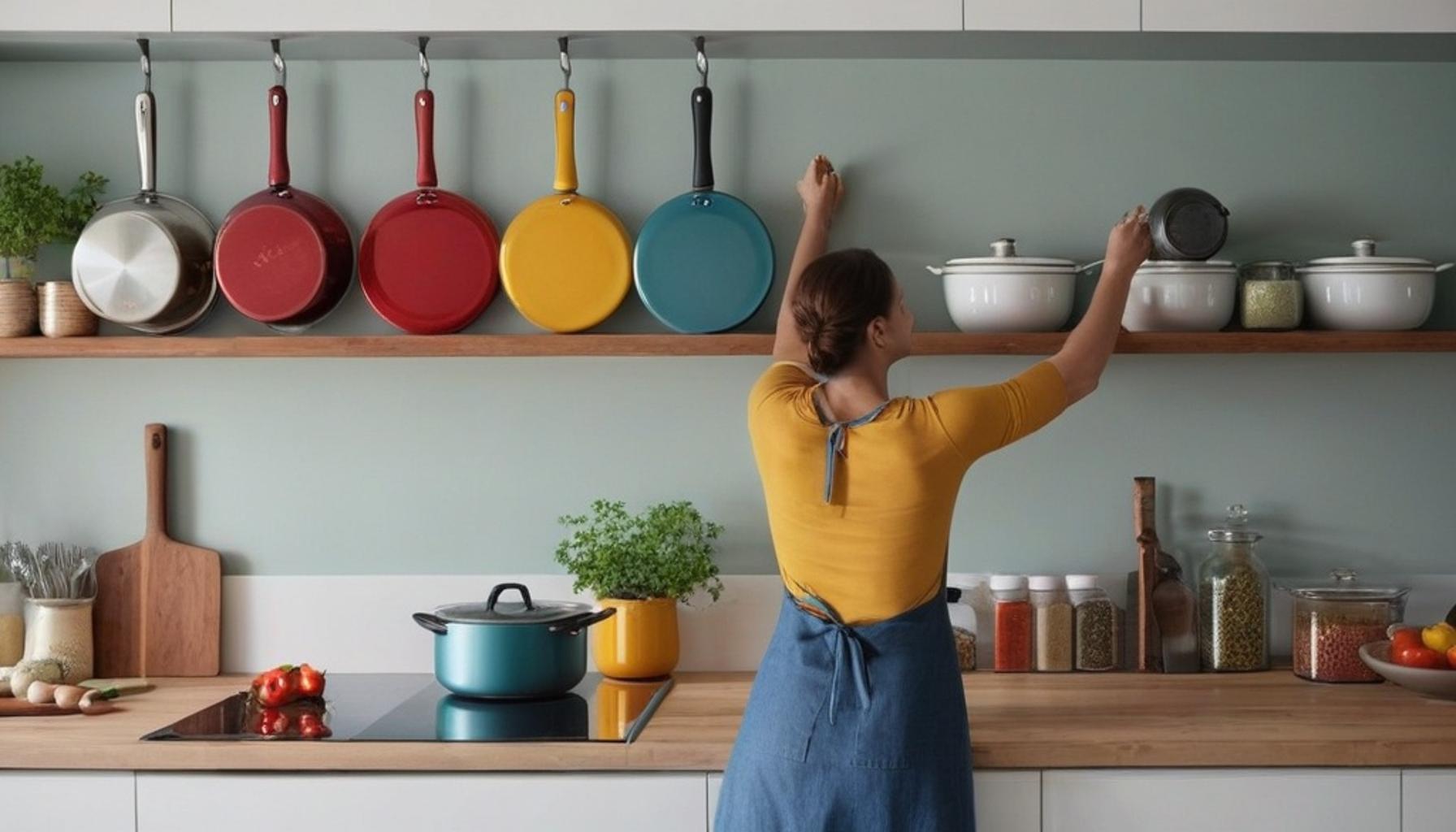
- Techniques for maximizing kitchen space include employing wall-mounted pot racks or using magnetic strips to store metal utensils, freeing up countertops and drawers for other uses.
- Affordable tools that instantly improve daily workflow might include drawer dividers, hanging baskets for fruits and vegetables, or stackable containers that maximize storage capacity.
Whether working with a studio apartment kitchenette or a compact suburban layout, these kitchen organization ideas offer real, actionable results. The transformation starts with rethinking what “enough space” really means. Embracing creativity in storage and organization can unlock the hidden potential of your kitchen, making it not just a space for cooking but a haven for culinary exploration and joy.
Walk into any compact kitchen in a Brooklyn brownstone or a Chicago walk-up, and the problem is rarely a lack of storage potential; it’s a lack of imagination. Most homeowners look sideways for space when they should be looking up. Innovative storage for small kitchens almost always begins with reclaiming vertical real estate that walls and cabinet tops offer for free. The underutilization of vertical space can make a significant difference in a kitchen’s functionality, yet many still overlook this expansive opportunity.
Wall space above counters, beside refrigerators, and even on the backs of cabinet doors represents square footage that is rarely used to its full advantage. According to kitchen designers, the average household only utilizes about 60% of its vertical storage capacity, leaving significant room for improvement and creativity. This untapped potential can transform a cramped area into a highly efficient workspace.
Practical Ways to Build Upward
Transforming unused wall space into functional storage doesn’t necessarily require hiring a contractor or breaking the bank. Simple additions can dramatically shift how a kitchen operates. Here are several strategies that can be implemented swiftly:
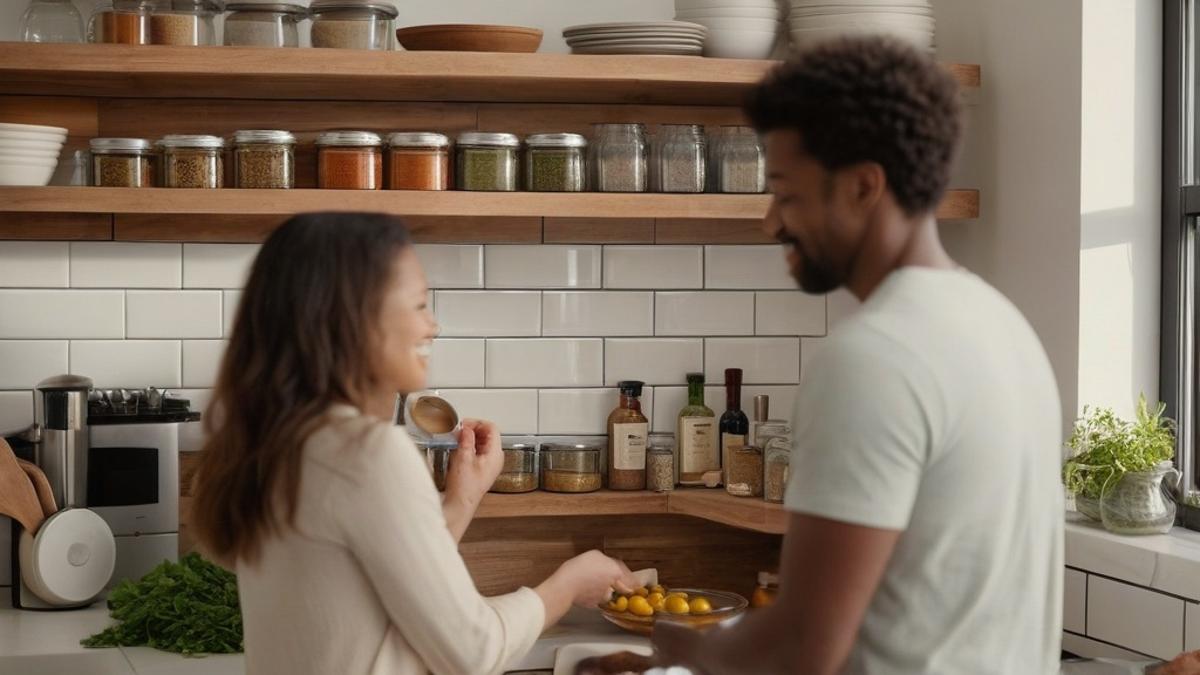
- Floating shelves installed above counters can provide a perfect home for cookbooks, small appliances, or frequently used spices, keeping them off the counter but still within arm’s reach. This not only utilizes vertical space effectively but also adds an aesthetic element to the kitchen.
- Pegboards mounted on empty walls can offer customizable hooks for pots, pans, and utensils, mimicking the efficiency seen in professional restaurant kitchens. This clever setup enables easy access to essential cooking tools.
- Over-the-door organizers, often used in closets, work surprisingly well on pantry doors or under the sink to store cleaning supplies and foil rolls. This method maximizes often-neglected areas, ensuring nothing valuable is hidden away.
- Stackable wire baskets on top of refrigerators can capture the often-wasted space that sits just below the ceiling. These baskets can hold anything from snacks to less frequently used kitchen gadgets.
These small kitchen storage solutions not only add capacity but also change behavior. When items have a designated and accessible home, they are far less likely to end up abandoned on the counter after use, leading to a more organized and efficient kitchen environment.
The Psychology Behind Visible Order
There is substantial evidence indicating that organized kitchens feel calmer and more inviting. Clutter forces the brain to process unnecessary visual information, creating low-level stress even during simple tasks like making coffee. Kitchen decluttering tips rooted in vertical organization are effective because they reduce this visual noise while simultaneously creating more usable space.
For renters and those hesitant or unable to drill into walls, tension-mounted shelving and adhesive hook strips provide damage-free alternatives that still yield impressive results. These methods enable individuals to maximize kitchen space without permanent alterations. It’s important to note that maximizing kitchen space isn’t solely about spending more; it revolves around spending smarter with tools that fit the room’s actual dimensions and daily habits. By embracing a vertical thinking approach, homeowners can uncover the hidden potential of their small kitchens, turning them into functional culinary havens.
Rethinking Cabinets, Drawers, and Corners
Once vertical space has been claimed, the next frontier in clutter-free kitchen organization lies inside the cabinets and drawers themselves. Standard cabinetry, especially in older homes across the Midwest and Northeast, was rarely designed with modern cookware or small-appliance collections in mind. Retrofitting these spaces often yields more usable room than adding new furniture ever could.
Corner cabinets, in particular, are notorious for wasted space. Industry studies suggest that a typical blind corner cabinet can leave up to 30% of its interior completely inaccessible without specialized hardware. Installing a lazy Susan or pull-out corner caddy can reclaim that dead zone almost instantly, turning an awkward gap into functional storage for pots, oils, or bulk pantry items.
Drawer Dividers and Modular Inserts
Drawers suffer from a similar issue: depth without division. A single utensil drawer without organization becomes a tangled mess within days. Modular drawer inserts, adjustable to fit everything from cooking spoons to junk-drawer miscellany, are among the most effective kitchen organization ideas for households that feel like they’re constantly searching for the same spatula.
- Two-tier drawer organizers double the storage capacity of a single drawer by stacking utility, ideal for storing spices, lids, or measuring tools.
- Custom-cut foam inserts keep knives and specialty tools secure while preventing drawers from becoming a jumbled catch-all.
- Adjustable acrylic dividers allow for reconfiguration as kitchen needs evolve, such as when new appliances or gadgets enter rotation.
These small, targeted changes fall squarely under effective small kitchen storage solutions, proving that reorganization doesn’t always require new construction.
The Case for Multi-Functional Furniture
Beyond fixed cabinetry, freestanding furniture designed for dual purposes has become a quiet revolution in maximizing kitchen space. Rolling kitchen islands with built-in shelving, for instance, offer prep surfaces by day and can be tucked away or repositioned when not in use. Bar carts, often associated with cocktail hour, are increasingly repurposed as mobile pantry extensions in apartments across cities like San Francisco and Boston, where square footage comes at a premium.
Benches with hidden storage compartments, installed along kitchen nooks, serve double duty as seating and concealed cabinetry for linens or small appliances. This kind of furniture reflects a broader shift in innovative storage for small kitchens: objects are no longer valued for a single function, but for how many problems they can solve at once.
Combined with thoughtful kitchen decluttering tips, such as the one-in-one-out rule for gadgets and cookware, these strategies create a system rather than a one-time fix. The result is a kitchen that adapts to changing needs instead of accumulating clutter year after year.
Building a Kitchen That Works for the Long Term
Achieving clutter-free kitchen organization is rarely the result of a single purchase or weekend project. As explored throughout this piece, it emerges from a layered approach: reclaiming vertical space, rethinking cabinets and drawers, and choosing furniture that pulls double duty. Each strategy addresses a different bottleneck, and together they form a system rather than a quick fix.
What makes this approach particularly relevant today is the shrinking footprint of American kitchens. According to recent housing data, the average size of newly built homes has plateaued or declined in many urban markets, from Brooklyn walk-ups to compact bungalows in Austin. That trend makes small kitchen storage solutions less of a lifestyle preference and more of a practical necessity for millions of households.
Revisiting the ideas covered, from pull-out corner caddies to modular drawer inserts, reveals a common thread: efficiency is often hiding in plain sight, waiting to be unlocked with the right hardware or a slight shift in habits.
- Vertical storage transforms unused wall space into functional real estate.
- Cabinet and drawer retrofits recover space lost to outdated design.
- Multi-functional furniture stretches square footage without new construction.
Looking ahead, homeowners might consider tracking which kitchen organization ideas actually reduce daily friction versus those that simply look tidy on social media. The most durable systems are the ones that match real cooking habits, not aspirational ones.
Ultimately, maximizing kitchen space is less about square footage and more about intention. Whether through innovative storage for small kitchens or consistent kitchen decluttering tips like the one-in-one-out rule, the goal remains the same: a kitchen that supports daily life instead of complicating it, one deliberate decision at a time.
Frequently Asked Questions
What are some effective storage solutions for small kitchens?
For small kitchens, vertical storage options can maximize space. Consider installing shelves above countertops or using pegboards to hang utensils. Additionally, utilizing the inside of cabinet doors for storing spices or cutting boards can help keep surfaces clear.
How can I organize my kitchen drawers to avoid clutter?
To keep kitchen drawers organized, use drawer dividers to separate utensils, tools, and gadgets. Group similar items together and designate a specific spot for each category, which makes it easier to find what you need. Regularly decluttering your drawers also helps maintain order.
What are some innovative ways to store pots and pans in a small kitchen?
Consider using a pot rack that hangs from the ceiling or a wall-mounted rack to free up cupboard space. Alternatively, stack pots and pans with dividers to prevent scratching and make them easily accessible. Magnetic strips can also hold metal lids or small pans.
How can I utilize corner cabinets effectively?
Corner cabinets can often become wasted space; however, installing a lazy Susan or pull-out shelves can make them more functional. Use tiered organizers to maximize visibility and access to items stored deep within the corner. This way, you can easily reach all kitchen essentials.
What are the benefits of containerizing pantry items?
Containerizing pantry items not only keeps food fresh but also creates a visually appealing organization system. Use clear containers for easy visibility and to maintain an inventory of your supplies. This method reduces clutter and makes it simpler to find ingredients when cooking.
What organizational tools are best for a small kitchen countertop?
To keep countertops clear in a small kitchen, consider using tiered organizers or caddies for spices and oils. Hanging shelves or wall-mounted racks can also free up space while providing easy access to essential items. Keeping only everyday essentials on the countertop helps maintain a tidy appearance.

Beatriz
Beatriz Johnson is a seasoned minimalist and writer with a passion for simplifying the complexities of personal organization and intentional living. With over a decade of experience in decluttering strategies and mindful consumption, she specializes in topics like space optimization, habit simplification, and sustainable lifestyle choices. Through her work on our website, Beatriz empowers readers to embrace minimalism, reduce mental and physical clutter, and create more meaningful, organized lives in today's fast-paced world.