Decluttering for Efficiency: Organizing Tips for a Stress-Free Living Environment
Understanding the Impact of Clutter on Mental Clarity
The average American household contains over 300,000 items, according to the LA Times, and this staggering number of possessions often leads to significant accumulation of clutter. From piles of neglected paperwork on your desk to overflowing closets packed with clothes you may never wear again, this disarray is more than an eyesore—it’s a silent thief of mental energy and a contributor to daily stress. When your physical environment is chaotic, it can lead to feelings of anxiety, overwhelm, and even despair.
This is where Decluttering for Efficiency enters the narrative as a viable method for restoring both your living space and your peace of mind. It encompasses a multifaceted approach to organization that emphasizes sustainability over quick fixes.
What You’ll Discover in This Guide
Mastering how to declutter your home is not solely about discarding items willy-nilly into a donation box; instead, it’s about creating organized systems tailored to your unique lifestyle. This guide promises to provide:
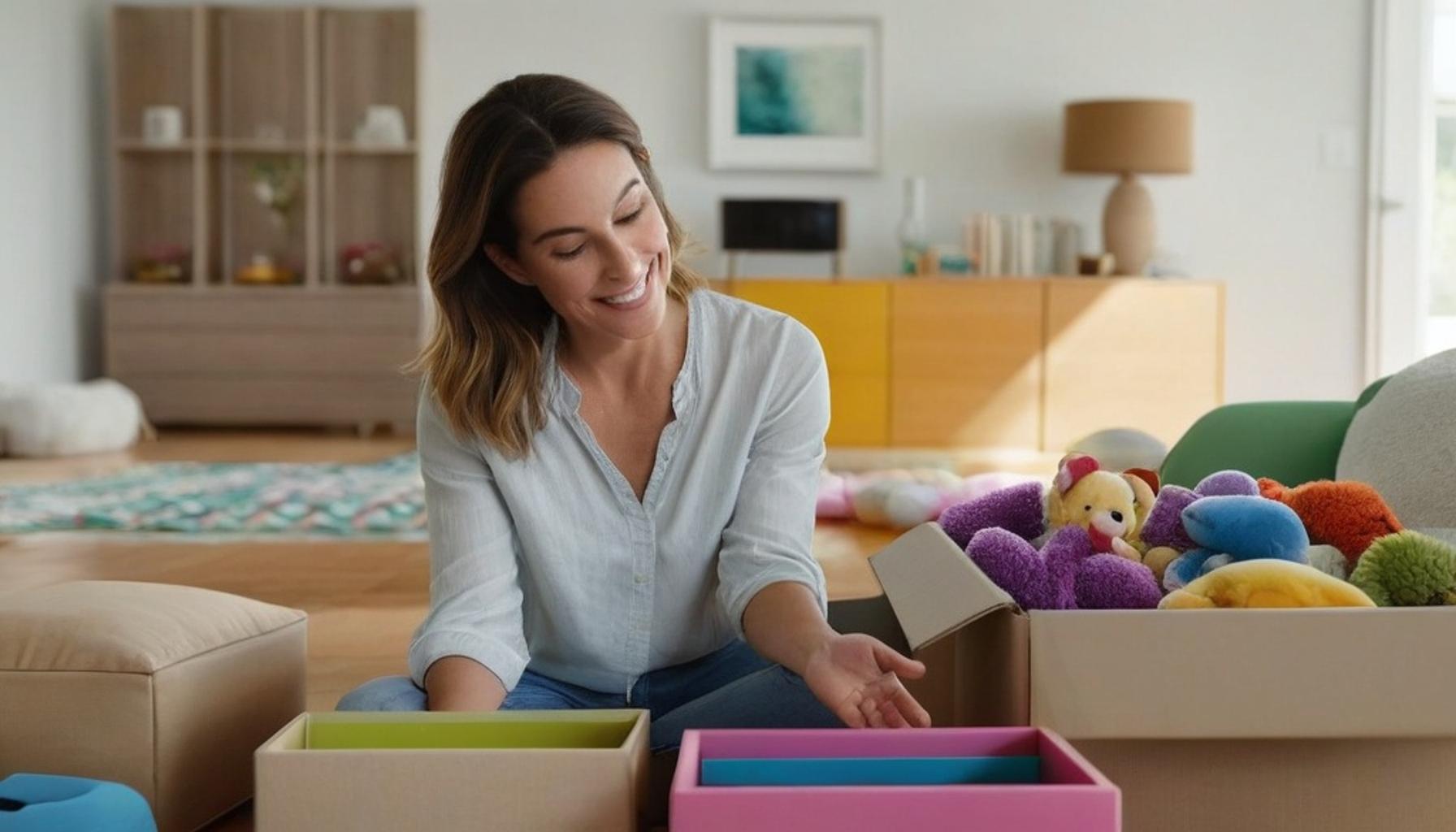
- Proven decluttering techniques employed by seasoned professional organizers, such as the Four-Box Method, which encourages sorting items into categories: keep, toss, donate, and reconsider.
- Room-by-room strategies designed to create an organized space without invoking overwhelm, such as setting a timer for 15 minutes and tackling just one area at a time.
- Science-backed benefits of decluttering for mental health, supported by studies from Princeton University revealing that visual clutter competes for your brain’s attention, thereby reducing focus and elevating cortisol levels. In essence, a messy environment may be affecting not just your productivity but also your overall well-being.
- Simple habits to maintain order long-term, such as the “One In, One Out” rule, which encourages you to remove an item from your home for every new item you bring in.
If you’ve ever found yourself riffling through a messy junk drawer in search of scissors, you are experiencing firsthand how clutter can derail your productivity. Studies indicate that an organized home reduces mental fatigue and enhances decision-making, ultimately leading to enhanced creativity and improved mood. Imagine escaping the confines of your cluttered environment only to discover a personal sanctuary, a space that inspires and rejuvenates.
Are you ready to explore organizing tips for stress-free living that are not only effective but transformative? By implementing these sustainable strategies, you can cultivate a calmer, more functional home, allowing you to reclaim valuable time and mental energy. Embark on this journey to clarity today, and experience the profound benefits that come with embracing an organized life.
DISCOVER MORE: Click here for tips on a clutter-free kitchen
The Room-by-Room Blueprint for Lasting Order
Walk into any American garage on a Saturday morning and you’ll likely find a scene repeated across millions of households: boxes stacked precariously, holiday decorations mixed with forgotten sports equipment, and a car that hasn’t parked inside in years. This is clutter in its most visible form, but the real challenge lies in tackling it without burning out after one weekend of frantic effort.
Decluttering for Efficiency works best when broken into manageable segments rather than attempted as a single overwhelming project. Professional organizers consistently recommend starting small, building momentum, and letting early wins fuel motivation for larger spaces.
Start With High-Traffic Zones
Kitchens and entryways experience the most daily activity, making them prime candidates for early intervention. According to the National Association of Productivity and Organizing Professionals (NAPO), households that declutter high-use areas first report a 68% increase in perceived home functionality within just two weeks.
Consider tackling these zones using specific, targeted approaches:
- Kitchen counters: Remove anything not used daily—that bread maker from 2019 belongs in a cabinet, not prime counter real estate.
- Entryway: Install hooks and a shoe tray to intercept coats, bags, and footwear before they migrate throughout the house.
- Bathroom cabinets: Discard expired medications and half-used products; the average bathroom holds 40% more items than it can efficiently store.
This targeted method allows you to create an organized space in areas that immediately impact your daily routine, rather than spending hours reorganizing a rarely used guest room first.
The Psychology Behind Small Wins
There’s a reason decluttering one drawer feels disproportionately satisfying. Behavioral researchers point to a phenomenon called the “progress principle,” where visible, incremental achievements trigger dopamine release, reinforcing the desire to continue.
This is precisely why many decluttering techniques emphasize short, timed sessions over marathon cleaning days. Setting a 15-minute timer and focusing solely on a junk drawer or medicine cabinet produces measurable results without the exhaustion that leads to abandoned projects.
Understanding how to declutter your home effectively means recognizing that sustainable change happens through consistent, smaller actions rather than sporadic bursts of intense effort. The goal isn’t perfection in a single afternoon—it’s establishing a rhythm that naturally maintains itself over time, setting the stage for the deeper organizational strategies explored next.

DISCOVER: Click here for kitchen organization tips
Sustainable Systems That Keep Chaos From Creeping Back
Anyone who has decluttered a closet in January only to find it overflowing again by summer knows the frustration of temporary fixes. The difference between a one-time purge and lasting order lies in building systems, not just removing objects.
Decluttering for Efficiency isn’t a single event; it’s an ongoing relationship with your belongings that requires structure. Without a system to catch new clutter before it accumulates, even the most thorough weekend cleanout eventually reverts to its former state.
The One-In-One-Out Rule
Retailers count on Americans buying more than they discard. The average U.S. household contains 300,000 items, according to the LA Times, and that number climbs yearly as consumption outpaces disposal.
Breaking this cycle means adopting a simple but powerful habit: for every new item brought into the home, one must leave. Buy a sweater, donate one. Purchase a new coffee maker, recycle the old one. This single rule, when followed consistently, prevents the slow creep of accumulation that undoes previous organizing efforts.
Designate a Home for Everything
Professional organizers often repeat a deceptively simple mantra: if an item doesn’t have a designated spot, it will end up on a counter, floor, or table. This is one of the most overlooked decluttering techniques, yet it’s foundational to maintaining any organized space.
Try implementing these specific placement strategies:
- Mail station: Assign a single tray or drawer for incoming mail, checked weekly to prevent paper pileup.
- Charging hub: Create one designated area for electronics and cables instead of letting them scatter across every room.
- Seasonal storage: Use labeled bins for holiday items and out-of-season clothing, stored in attics or under beds rather than active living spaces.
Understanding how to declutter your home long-term means recognizing that organization isn’t about hiding items away once—it’s about giving everything a logical, memorable place.
The Measurable Payoff of Staying Organized
The benefits of decluttering extend beyond aesthetics. A study published by Princeton University Neuroscience Institute found that visual clutter competes for attention in the brain, reducing focus and increasing cortisol levels tied to stress.
Homeowners who maintain organized spaces also report tangible time savings. NAPO estimates that disorganized Americans lose up to 55 minutes daily searching for misplaced items—nearly a full workweek lost every month.
These organizing tips for stress-free living aren’t just about tidiness; they translate directly into reclaimed time, lower anxiety, and a home that finally works for its occupants instead of against them.
DISCOVER MORE: Click here for clutter-free kitchen tips
Turning Small Habits Into a Lasting Transformation
Every overflowing closet and cluttered kitchen counter tells the same story: clutter rarely arrives all at once. It builds gradually, one unopened package and one “I’ll deal with it later” decision at a time. The good news is that reversing this pattern doesn’t require a dramatic overhaul—just consistent, intentional choices repeated over time.
Decluttering for Efficiency works because it reframes organization as a skill rather than a chore. Homeowners who succeed long-term aren’t the ones with the most storage bins or the fanciest closet systems. They’re the ones who’ve internalized small, repeatable habits that keep disorder from taking root in the first place.
Consider what’s at stake. Beyond the 55 minutes a day Americans lose searching for misplaced items, cluttered environments quietly chip away at mental clarity and emotional well-being. Learning how to declutter your home isn’t just a housekeeping task—it’s a form of stress management backed by neuroscience.
The strategies outlined throughout this article, from the one-in-one-out rule to designated storage zones, aren’t isolated tricks. Together, they form a framework anyone can adapt to their own space and lifestyle.
The real measure of success isn’t a spotless home for a single afternoon. It’s a household that stays functional through busy weeks, holiday chaos, and everyday life. That’s the lasting reward of these decluttering techniques: not perfection, but peace of mind.
Anyone ready to create an organized space that actually lasts should start small, stay consistent, and trust that these organizing tips for stress-free living compound into something far more valuable than tidy shelves—a calmer, more functional way of living.
Frequently Asked Questions
What are the first steps I should take when starting to declutter for efficiency?
Begin by assessing each room in your home and identifying key areas where clutter accumulates. Set specific goals for what you want to accomplish, such as clearing out a closet or a workspace. Start small to avoid feeling overwhelmed, focusing on one area at a time.
How do I decide what items to keep when decluttering for efficiency?
Use the ‘one-year rule’ as a guideline: if you haven’t used an item in the past year, consider letting it go. Ask yourself if the item adds value to your life or if it brings you joy. This can help streamline your decision-making process.
What organizational tools or methods are best for maintaining a decluttered space?
Consider using clear bins, drawer organizers, and labels to keep items organized and easily accessible. The KonMari method, which emphasizes keeping only items that spark joy, is also effective. Regularly scheduled decluttering sessions can help maintain your organized environment.
How can I involve my family in the decluttering process for better efficiency?
Communicate the benefits of decluttering to your family and assign specific areas for each member to focus on. Make it a fun and collective activity by setting a timer and seeing how much can be decluttered in a short time. Encourage everyone to express their feelings about which items to keep or discard.
What are some common mistakes to avoid while decluttering for efficiency?
One common mistake is trying to declutter too quickly and becoming overwhelmed. It’s also easy to hold onto items out of guilt or nostalgia. Avoid rethinking decisions after you’ve made them; trust your initial instincts. Regularly revisit your decluttering strategies to prevent future clutter.

Beatriz
Beatriz Johnson is a seasoned minimalist and writer with a passion for simplifying the complexities of personal organization and intentional living. With over a decade of experience in decluttering strategies and mindful consumption, she specializes in topics like space optimization, habit simplification, and sustainable lifestyle choices. Through her work on our website, Beatriz empowers readers to embrace minimalism, reduce mental and physical clutter, and create more meaningful, organized lives in today's fast-paced world.