
Maximizing Small Spaces: Smart Storage Solutions for a Minimalist Home
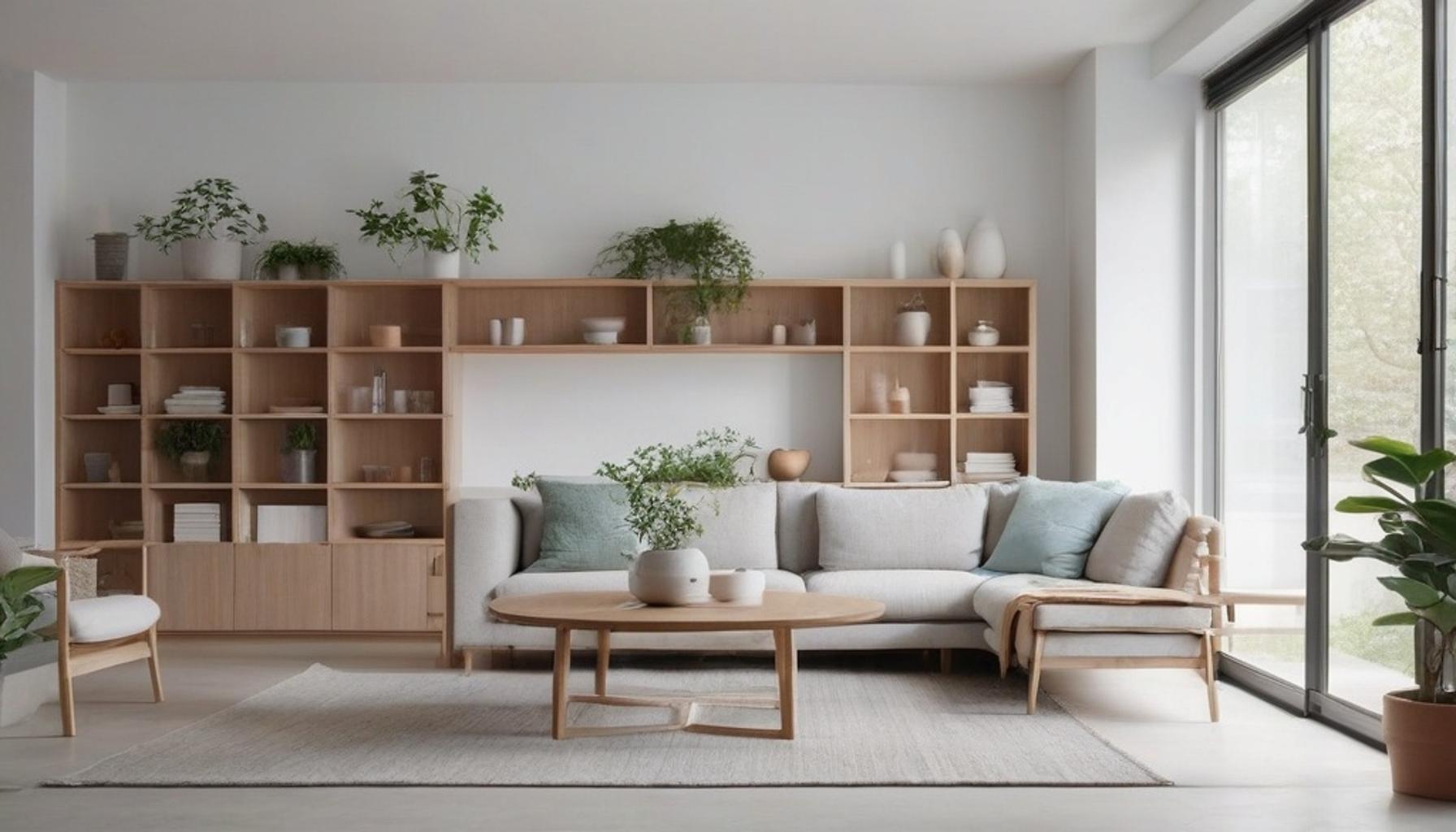
Small Footprint, Big Potential
The average American apartment has shrunk to around 900 square feet, yet the demand for functional, clutter-free living keeps growing. Homeowners and renters alike are discovering that square footage isn’t the real obstacle to organized living. The real challenge lies in how space gets used.
Across cities like New York, San Francisco, and Chicago, tiny apartments and micro-homes are pushing designers to rethink storage from the ground up. Smart storage solutions have become the answer for anyone trying to live large in a limited footprint. For example, in high-density urban areas, where the physical environment forces inhabitants to make the most of what they have, innovative storage ideas are popping up everywhere.
Why Minimalism and Storage Go Hand in Hand
Minimalist living isn’t just about owning less. It’s about making every item and every inch of space count. This approach encourages individuals to adopt only what adds value to their lives while maximizing the utility of their spaces.
This is where thoughtful space-saving furniture and clever organizational systems come into play, including:
- Multi-functional furniture that hides storage in plain sight, such as ottomans that double as storage bins or sofas with built-in compartments for blankets and magazines.
- Vertical shelving that draws the eye upward and frees floor space, encouraging the use of wall space to store books, plants, or decorative items.
- Under-bed drawers and modular closet systems to maximize unused space, providing a convenient place for seasonal clothing or extra linens.
- Fold-away desks and collapsible dining tables that can be tucked away when not in use, accommodating various activities without sacrificing space.
These aren’t just trends. They’re practical responses to a housing market where space comes at a premium. Additionally, they reflect a growing cultural shift towards sustainability and intentional living, where the focus is on quality rather than quantity.
What This Guide Will Cover
This article breaks down proven organizational hacks for small homes, room by room. Expect actionable tips, real product examples, and design strategies that don’t require a renovation budget. The guide will delve into ways to maximize storage in every area of your home—from kitchens where every cabinet counts, to living rooms that need to serve multiple purposes, and bedrooms that should remain serene yet functional.
From studio apartments to compact family homes, these minimalist home ideas and creative storage solutions can transform even the tightest layout into a space that feels open, functional, and distinctly yours. Explore how integrating not just the right pieces but also the right mindset can open up new possibilities in your living environment, making small spaces not only livable but inviting and stylish.
DISCOVER: Click here for a clutter-free kitchen
Kitchen Storage: Small Footprint, Full Function
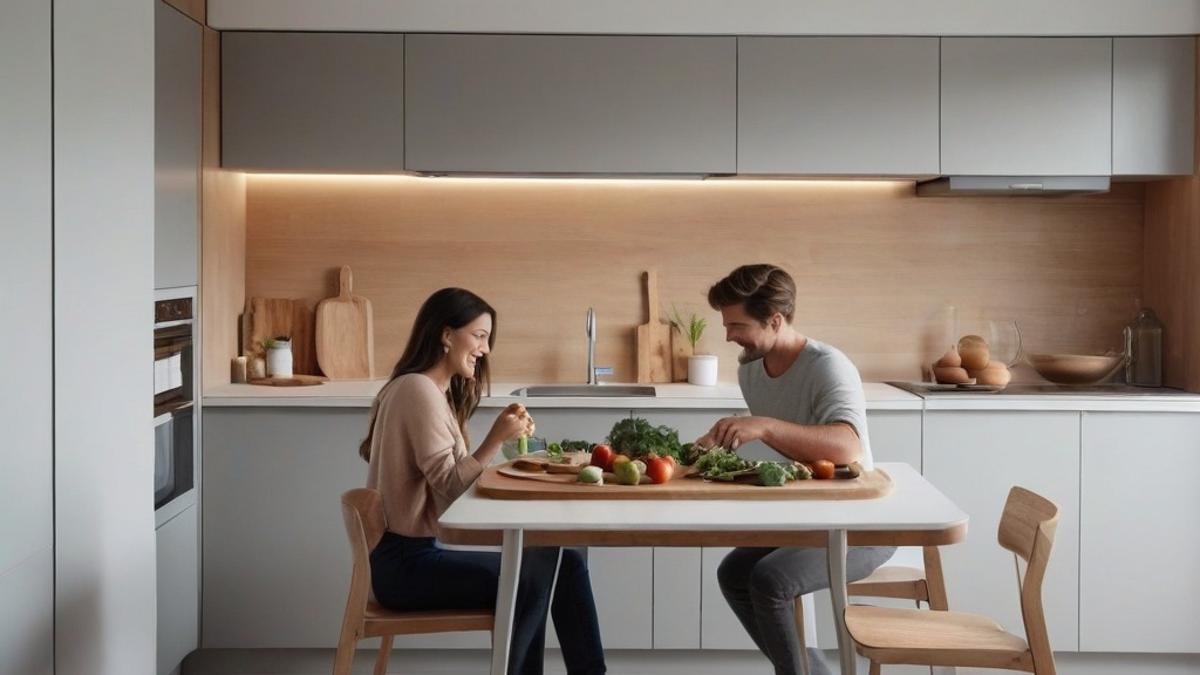
The kitchen is often the smallest room with the biggest storage demands. Pots, pans, small appliances, and pantry staples compete for limited cabinet space, making this the room where smart storage solutions matter most. According to the National Kitchen and Bath Association, poor storage design is one of the top three complaints homeowners have about their kitchens, regardless of square footage.
Rather than knocking down walls, many homeowners are turning to vertical space and underused corners. A pot rack mounted above an island, for instance, can free up an entire cabinet while adding visual interest. Similarly, magnetic strips for knives and spice tins eliminate drawer clutter without costing much.
Practical Upgrades That Don’t Require Renovation
Several affordable, renter-friendly upgrades can transform a cramped kitchen into an organized workspace. These organizational hacks for small homes require no demolition and minimal investment:
- Pull-out pantry shelves that slide into narrow gaps beside the refrigerator or stove, turning dead space into functional storage.
- Stackable clear bins for pantry items, which make ingredients visible and prevent the common problem of forgotten, expired food.
- Cabinet door organizers for lids, cutting boards, and cleaning supplies, using space that typically goes to waste.
- Tiered shelf inserts that double the usable surface area inside a single cabinet without any installation required.
Cities like Boston and Seattle, known for their older housing stock and famously compact kitchens, have become unlikely testing grounds for these products. Retailers report that compact kitchen organizers are among their fastest-growing categories, a trend directly tied to shrinking urban floor plans.
The Role of Space-Saving Furniture in the Kitchen
Beyond built-in storage, furniture choices play a major role. A rolling kitchen cart, for example, can serve as extra counter space, a spice rack, and a small pantry all in one. When not needed, it tucks neatly into a corner.
This is the essence of effective space-saving furniture: pieces that adapt to multiple needs rather than serving just one purpose. Foldable bar carts, wall-mounted drop-leaf tables, and slim rolling islands allow a kitchen to expand and contract based on the moment’s demands, whether that’s meal prep for four or a quiet solo dinner.
None of these solutions require a contractor or a big budget. They simply require a shift in perspective, treating every cabinet, wall, and corner as an opportunity rather than a limitation. That mindset, more than any single product, is what separates a cluttered kitchen from one that feels calm and purposeful, even at 100 square feet.
DISCOVER MORE: Click here for tips on a clutter-free kitchen
Bedroom and Closet Storage: Rethinking the Room You Sleep In
If the kitchen is a battleground for pots and pans, the bedroom is where clothing, linens, and miscellaneous belongings quietly pile up. In many apartments across cities like New York and San Francisco, closets are barely large enough for a week’s worth of outfits. This has pushed smart storage solutions into the bedroom in ways that go far beyond a simple dresser.
The bed itself has become one of the most valuable pieces of real estate in a minimalist home. Platform beds with built-in drawers can hold seasonal clothing, extra bedding, or luggage, eliminating the need for a separate storage chest. Some models even include hydraulic lift frames, turning the entire mattress base into a hidden compartment for bulkier items.
Closet Systems That Work Harder
Standard closet rods and a single shelf are often the least efficient use of vertical space in a home. Modular closet systems, once considered a luxury renovation, are now sold as affordable, adjustable kits at major retailers. These systems allow homeowners to customize shelf height, add pull-out drawers, and install double-hung rods that effectively double hanging capacity.
A few organizational hacks for small homes that consistently deliver results in bedroom closets include:
- Slim velvet hangers, which take up significantly less rod space than plastic or wooden alternatives and prevent clothing from slipping.
- Over-the-door shoe organizers repurposed for accessories, folded items, or cleaning supplies.
- Vacuum-sealed storage bags for off-season clothing, which can reduce bulk volume by up to 75 percent.
- Floating shelves above the closet rod, using the often-ignored six to twelve inches of dead space near the ceiling.
Furniture That Multiplies Its Own Purpose
Nightstands with drawers, benches that open for blanket storage, and ottomans with hidden compartments all reflect a broader shift toward space-saving furniture designed with dual identities. A bench at the foot of the bed, for example, can serve as seating, a landing spot for clothes, and a storage box simultaneously.
This layered approach to furniture selection is central to modern minimalist home ideas. Instead of asking whether a piece looks good, homeowners are increasingly asking what else it can do. That single question has fueled demand for convertible furniture across the U.S. housing market, particularly in cities where studio and one-bedroom units dominate.
Interior designers point to these creative storage solutions as evidence that small spaces don’t require sacrifice. With the right combination of furniture and closet planning, even a modest 10-by-12 bedroom can function like a much larger one.
DISCOVER MORE: Click here to simplify your kitchen
Bringing It All Together: Small Space, Smart Choices
From kitchen cabinets to closet corners, one theme runs through every room discussed: square footage doesn’t have to dictate quality of life. Maximizing small spaces is less about cramming more into less and more about rethinking how each item, surface, and piece of furniture earns its place.
Across the country, from compact Boston brownstones to sun-drenched Los Angeles bungalows, homeowners are proving that smart storage solutions can transform even the tightest floor plans into functional, breathable homes. The strategies covered here, vertical shelving, hidden bed compartments, modular closets, and dual-purpose furniture, aren’t passing trends. They represent a lasting shift in how Americans approach homeownership and rental living alike.
Why This Matters Beyond Aesthetics
There’s also a practical financial angle worth noting. As housing costs climb in major metros, more residents are choosing smaller units by necessity rather than preference. That reality has made organizational hacks for small homes less of a design trend and more of an everyday survival skill.
Retailers have responded accordingly, with modular systems and convertible furniture now widely available at accessible price points, a shift that would have seemed unlikely even a decade ago.
Final Thoughts for the Space-Conscious Homeowner
The most successful minimalist home ideas share one trait: intentionality. Every drawer, shelf, and hook serves a defined purpose, leaving little room for clutter to creep back in.
For anyone standing in a cramped kitchen or overstuffed closet, the takeaway is simple. Small spaces don’t demand less life, they demand smarter choices. With thoughtful space-saving furniture and a willingness to experiment with creative storage solutions, even the most modest square footage can feel spacious, organized, and entirely livable.
Frequently Asked Questions
What are some effective smart storage solutions for studio apartments?
For studio apartments, consider using multi-functional furniture such as ottomans with storage inside, wall-mounted shelves, and foldable furniture that can be stowed away. Using under-bed storage bins and vertical space is also key; invest in tall bookcases and utilize hooks for hanging items. These solutions help keep your living area organized while maximizing floor space.
How can I implement smart storage solutions in a small kitchen?
In a small kitchen, use drawer organizers for utensils and pots, and install shelving above countertops for extra storage. Magnetic strips can hold knives or spices, while baskets can store fruits and vegetables without taking up counter space. Consider using a rolling cart that can act as both storage and additional prep space.
What are the best smart storage solutions for small bedrooms?
In small bedrooms, utilize the space under your bed by incorporating storage bins or a bed frame with built-in drawers. Consider wall-mounted nightstands to save floor space and vertical shelving for displaying books and decor. Over-the-door organizers can also be effective for shoes and accessories, keeping your room tidy.
How do I choose the right smart storage solutions for my minimalist lifestyle?
When choosing smart storage solutions for a minimalist lifestyle, focus on quality over quantity and opt for versatile pieces that serve multiple purposes. Evaluate your space and declutter regularly to keep only what you need. Look for sleek designs that blend in with your decor and make the most of vertical storage options to maintain an open, airy feel.

Beatriz
Beatriz Johnson is a seasoned minimalist and writer with a passion for simplifying the complexities of personal organization and intentional living. With over a decade of experience in decluttering strategies and mindful consumption, she specializes in topics like space optimization, habit simplification, and sustainable lifestyle choices. Through her work on our website, Beatriz empowers readers to embrace minimalism, reduce mental and physical clutter, and create more meaningful, organized lives in today's fast-paced world.