
Efficient Living: Multifunctional Furniture and Space Optimization in Minimalist Design
Rethinking Small Spaces in Modern America
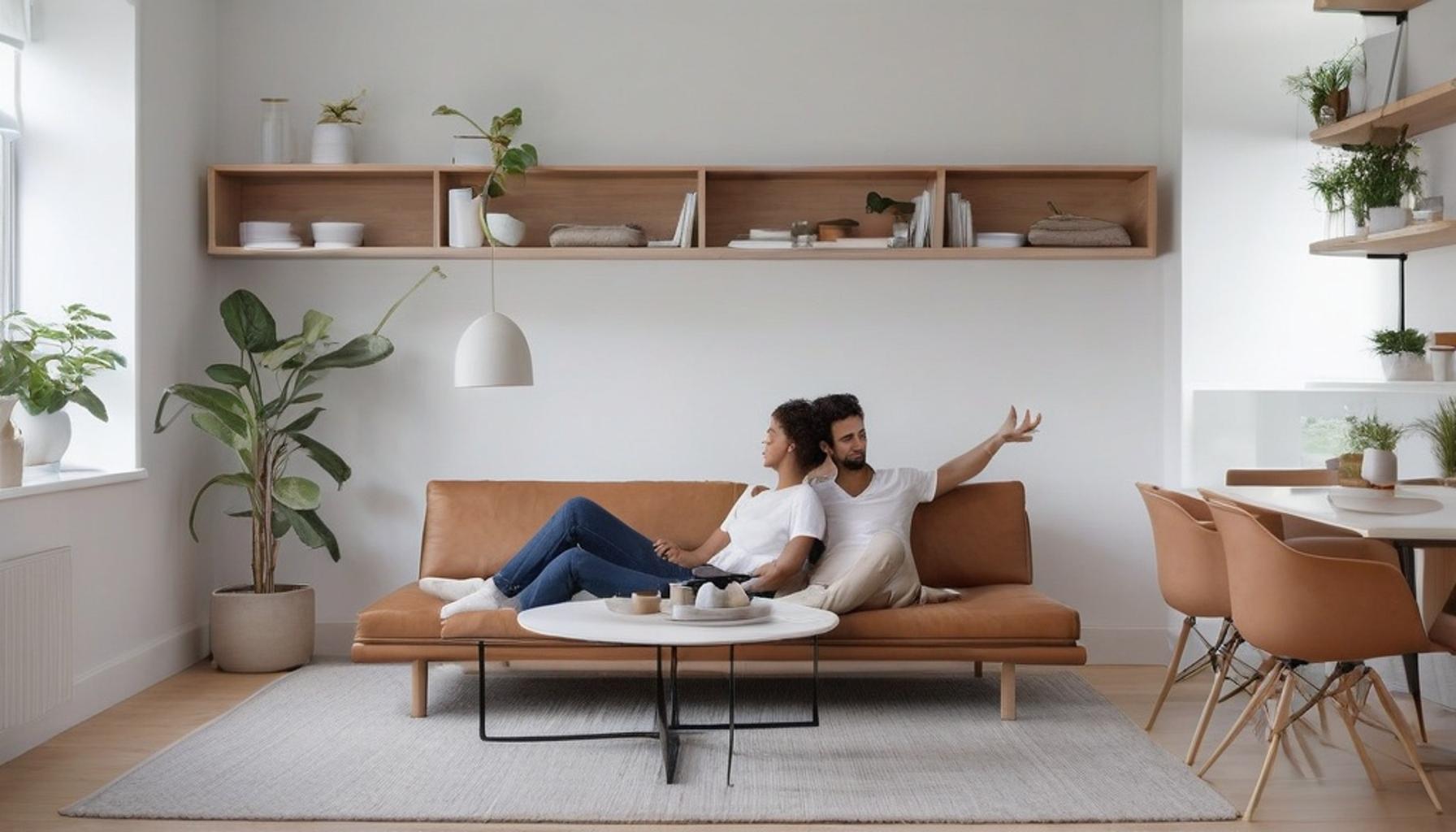
As urban living becomes increasingly common in the United States, the average apartment sizes in major cities like New York and San Francisco have shrunk by nearly 10% over the past decade. This reduction in space, coupled with skyrocketing rent prices, is urging renters and homeowners alike to innovate and make every square foot count. Consequently, this shift has ignited a design revolution centered on Multifunctional Furniture, propelling a new era of living that emphasizes efficiency and adaptability.
Why Space Optimization Matters Now
City dwellers are no longer relegated to choosing between aesthetic appeal and practical utility. Today, they demand a seamless integration of both through smart, adaptable furniture solutions. This merging of minimalist design principles with practical necessity has given rise to a plethora of innovative furniture options, essential for maximizing small living environments.
- Convertible furniture that transforms from a cozy sofa to a comfortable bed in mere seconds, perfect for accommodating guests without sacrificing living space.
- Storage ottomans that not only serve as stylish coffee tables but also double as hidden organizers, cleverly concealing seasonal items, blankets, or even remote controls.
- Wall-mounted desks that can be folded away when not in use, allowing remote workers to carve out an office space in even the smallest apartments while maintaining a clutter-free atmosphere.
- Modular shelving systems that can be adjusted or reconfigured to match any room layout, providing both practicality and a personalized touch to home decor.
The Rise of Efficient Living Tips
The demand for space-saving solutions has surged dramatically, with interior designers reporting a 40% increase in client requests for efficient living options since 2020. This spike is largely influenced by the rise of remote work, which has compelled individuals to carve out functional home offices in studio apartments and shared living spaces, often with limited room to spare.
Exploring practical small space solutions that do not compromise on comfort or aesthetics is crucial in today’s context. For example, incorporating mirrors can create an illusion of space, while thoughtful color choices—like light shades for walls—can enhance the sense of openness. Additionally, vertical storage solutions, such as pegboards or high-mounted shelves, can keep floor areas free while providing ample storage.
This article will delve into clever furniture hacks, providing room-by-room strategies that underscore how minimalist principles can transform cramped quarters into functional and breathable environments. By embracing these innovative ideas, residents can optimize their homes for a lifestyle that values both style and substance, ultimately redefining what it means to live well in limited spaces.
DISCOVER MORE: Click here for clutter-free kitchen tips
Walk into any newly built micro-apartment in Seattle or Chicago, and you will notice a common thread: furniture that refuses to serve just one purpose. This is not a fleeting trend but a calculated response to shrinking square footage and rising costs. Multifunctional Furniture has become the backbone of modern minimalist design, blending form and function in ways that traditional furnishings simply cannot match. Cleverly designed pieces offer opportunities to maximize space and create a comfortable, functional living area without overwhelming the senses or the budget.
Designers and architects are rethinking how a single piece can perform multiple roles without cluttering a room. The goal is simple: reduce excess while increasing usability. This approach aligns perfectly with the broader philosophy of minimalist design ideas, where less truly becomes more. It encourages quality over quantity, make each piece serve a significant purpose while still maintaining aesthetic appeal.
Breaking Down the Core Categories
Understanding the different types of adaptable furniture can help renters and homeowners make informed choices. Below are some categories gaining traction across American households:
- Murphy beds with integrated shelving: These beds allow a bedroom to double as a home library or workspace during the day, seamlessly collapsing up against the wall when not in use. This means you can have a dedicated sleeping area that transforms into a multi-functional space at a moment’s notice, perfect for those who work from home.
- Nesting tables: Ideal for small gatherings, nesting tables expand for dinner parties and collapse into a compact footprint when guests leave. This piece can easily transition from a stunning coffee table to a practical dining option, allowing maximum versatility without taking up permanent space.
- Sofa beds with built-in storage drawers: An excellent solution for studio apartments where every inch counts, sofa beds provide an extra place for guests to sleep while offering hidden storage for blankets or other essentials. This multi-tasking furniture addresses the dual needs of comfort and organization.
- Extendable dining tables: Perfect for family meals or festive gatherings, these tables can seat two on a regular evening and stretch to accommodate six during holidays. They represent a thoughtful solution that caters to fluctuating social needs without sacrificing space.
These examples highlight how convertible furniture is not just a novelty but a practical necessity for millions of Americans navigating tighter living quarters. The demand for such products is not just limited to urban settings; even suburban homes are beginning to adopt these designs to maximize the use of every room.
Data Behind the Design Shift
According to a 2023 survey by the American Institute of Architects, nearly 62% of urban homeowners reported prioritizing flexible furniture over purely decorative pieces when renovating or furnishing their homes. This statistic underscores a cultural shift toward pragmatic living, especially among millennials and Gen Z renters who routinely relocate for job opportunities and prefer furniture that adapts to different floor plans.
Retailers have taken note. Major furniture chains, including IKEA and West Elm, have expanded their lines dedicated to space optimization, offering modular sofas, stackable stools, and fold-out desks specifically marketed toward small-space living. Innovations like these not only reflect consumer demand for adaptability but also highlight the evolution of consumer preferences toward experiences rather than possessions.
Moreover, this transformation is aided by advances in technology, giving rise to smart furniture—pieces that integrate technology for enhanced usability, such as desks that convert to standing positions and sofas equipped with USB ports for convenient charging. The intersection of functionality and technology is becoming a hallmark of modern living.
As more people embrace these efficient living tips, the conversation around home design continues to evolve, proving that comfort and practicality can coexist beautifully within even the most compact of spaces. The dream of a stylish yet functional home is no longer confined to sprawling mansions; it is becoming accessible to urban dwellers living in small spaces, ultimately reshaping the future of furniture design and lifestyle. With an ever-increasing focus on sustainability, the choice to invest in multifunctional furnishings also supports eco-friendly living, encouraging consumers to buy less while maximizing their home’s potential.
DISCOVER MORE: Click here for kitchen organization tips
Room-by-Room Strategies for Small Space Solutions
The dynamics of a small living space demand a thoughtful approach to design and functionality. Homeowners are increasingly recognizing that the real magic happens not through individual purchases but by viewing each area as part of an interconnected whole. A strategic approach to space optimization revolves around how furniture interacts with the architecture, facilitates traffic flow, and aligns with daily habits. This holistic viewpoint is especially relevant in bustling urban centers like Boston and San Francisco, where the typical studio apartment measures a mere 500 square feet.
The Living Room as a Multi-Purpose Hub
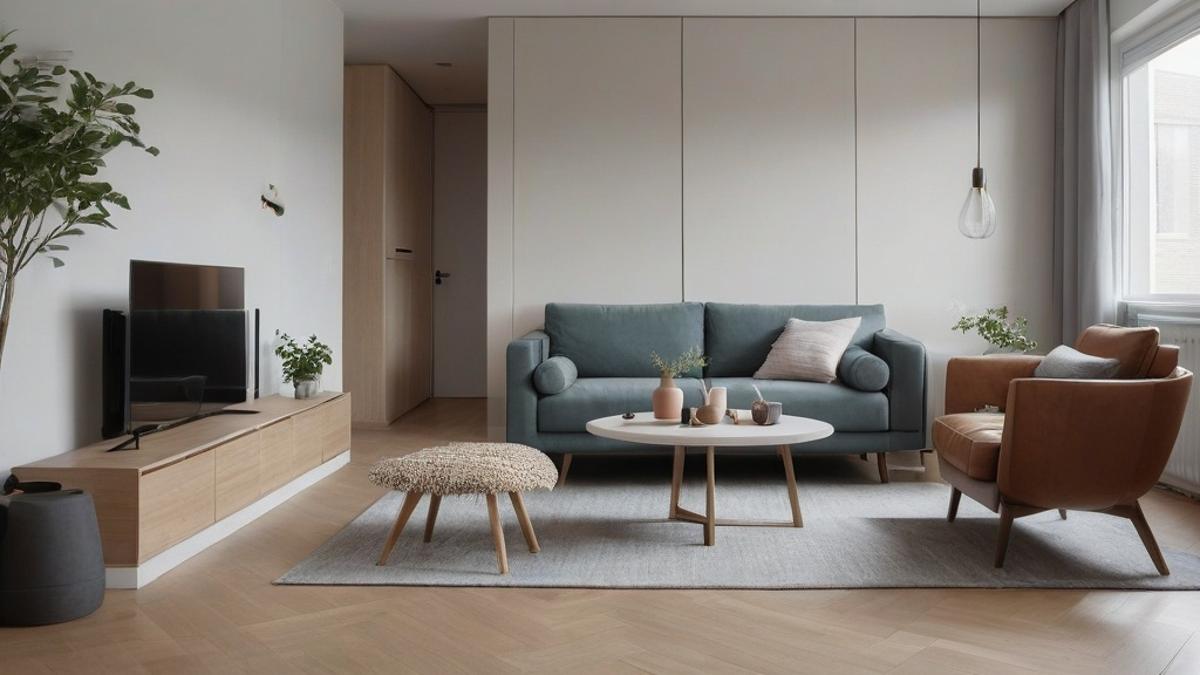
In compact homes, the living room often wears many hats, acting as an office, a guest bedroom, and an entertainment center all in one. For instance, consider the versatility of ottomans with hidden storage compartments; they can seamlessly hold seasonal linens and transform into additional seating or an impromptu coffee table when needed. This dual functionality is indicative of modern living, where maximizing every square inch is key.
The rise of wall-mounted folding desks has become particularly notable in the age of remote work. These functional workstations can be easily stowed away at the end of the workday, allowing a seamless transition from office to relaxation space. Such furniture emphasizes the importance of convertible furniture, enabling a room to take on different identities swiftly and without hassle.
- Modular sectional sofas: These customizable options can be rearranged to fit any layout, providing flexibility when entertaining larger groups, or even divided into individual chairs for more intimate settings.
- Floating shelves with fold-down desk panels: Ideal for apartments lacking a dedicated office, these shelves provide both display storage and a functional workspace, effortlessly melding two needs in one area.
- Storage ottomans with trays: Serving as footrests, extra seating, or as tables during gatherings, these pieces adapt to various situations while keeping clutter at bay.
Bedrooms That Work Harder
Bedrooms offer their own unique set of challenges, particularly in environments where every square foot counts. Platform beds equipped with built-in drawers eliminate the need for bulky separate dressers, cleverly utilizing the space beneath the mattress. Moreover, loft-style bed frames elevate the sleeping area, freeing up floor space underneath for a cozy desk or reading nook, thus maximizing functionality in a compact area.
Interestingly, the National Association of Home Builders reports a slight decrease in the average size of new homes since 2020, highlighting a shift in consumer priorities toward minimalist design ideas. As homeowners strive for practical, appealing solutions, trends in design continue to emphasize space-saving techniques that can seamlessly integrate into everyday life.
Kitchens and Entryways: Overlooked Opportunities
Kitchens, often an afterthought in the conversation about adaptable furniture, can offer substantial opportunities for space-saving innovations. Rolling kitchen islands featuring drop-leaf extensions provide valuable counter space lacking in smaller layouts while also being mobile enough to be tucked away after meal prep. This adaptability is particularly vital for narrow galley kitchens, which are characteristic of many older American apartment buildings.
Don’t overlook entryways, either. Slim console tables equipped with built-in hooks, shoe racks, and drawer storage can significantly enhance this transitional space. These clever pieces not only help maintain an organized entry but also showcase that efficient living tips extend beyond just the usual rooms.
When considering furniture purchases, interior designers increasingly highlight the importance of measuring traffic patterns within a space. This thoughtful approach ensures that the selected furniture fits harmoniously into the daily rhythm of movement within the home. By prioritizing this practical, data-informed tactic, homeowners can avoid clutter and create a relaxed, functional environment.
In conclusion, embracing a room-by-room strategy is essential for anyone living in compact spaces, where each choice contributes to an integrated and functional home. Rather than merely focusing on aesthetics, these savvy solutions prioritize usability and adaptability, allowing residents to live comfortably within their square footage.
Rethinking How We Live: The Future of Efficient Living
The shift toward smaller, smarter homes is not a passing fad but a fundamental recalibration of American living standards. As urban rents climb and square footage shrinks, multifunctional furniture has moved from a niche convenience to a practical necessity for millions of households nationwide.
What becomes clear across every room examined is that space optimization works best when treated as a system rather than a series of isolated purchases. A fold-down desk in the living room, a storage bed in the bedroom, and a slim console in the entryway all contribute to a single, cohesive rhythm of daily life.
This is where minimalist design ideas prove their worth. Minimalism, in this context, is not about owning less for its own sake; it’s about ensuring that every object earns its place through genuine utility.
Looking ahead, expect to see even more innovation in this space. Furniture designers are already experimenting with smart, app-controlled storage units and modular pieces that reconfigure with a single motion, signaling that convertible furniture will only grow more sophisticated.
For homeowners and renters alike, the takeaway is straightforward:
- Audit your space before buying anything new, focusing on traffic flow and daily habits.
- Prioritize pieces that serve at least two functions, such as storage beds or drop-leaf tables.
- Treat each room as part of a larger system rather than a standalone project.
Ultimately, these efficient living tips reflect a broader cultural shift toward intentional, adaptable living. As more Americans embrace small space solutions, the homes of tomorrow may be smaller in square footage but far richer in functionality and design intelligence.
Frequently Asked Questions
What are some examples of multifunctional furniture for small apartments?
Examples of multifunctional furniture for small apartments include sofa beds that transition from seating to sleeping spaces, extendable dining tables that can accommodate more guests when needed, and ottomans that open up for storage. These pieces help maximize utility while minimizing the overall footprint, making them ideal for efficient living.
How does multifunctional furniture contribute to minimalist design?
Multifunctional furniture contributes to minimalist design by reducing clutter and promoting simplicity. By combining several functions into one piece, such as a coffee table that doubles as a desk or storage, you can maintain an uncluttered space while adhering to minimalism’s core principle of ‘less is more.’
What are the benefits of using multifunctional furniture in homes with children?
Using multifunctional furniture in homes with children provides several benefits, including increased safety and versatility. Pieces like storage benches and convertible sofas can handle daily wear and tear while offering space for play, making it easier to maintain an organized and kid-friendly environment.
Can multifunctional furniture enhance space optimization in traditional homes?
Yes, multifunctional furniture can significantly enhance space optimization in traditional homes by allowing homeowners to utilize their existing spaces more effectively. For instance, using a Murphy bed in a guest room can free up floor space for other activities, allowing for a more dynamic use of each room.
How do I choose the right multifunctional furniture for my lifestyle?
Choosing the right multifunctional furniture involves assessing your daily activities and space requirements. Consider features that align with your lifestyle, such as storage needs, furniture layout, and how often you have guests, ensuring that each piece adds value to both functionality and design in your home.

Beatriz
Beatriz Johnson is a seasoned minimalist and writer with a passion for simplifying the complexities of personal organization and intentional living. With over a decade of experience in decluttering strategies and mindful consumption, she specializes in topics like space optimization, habit simplification, and sustainable lifestyle choices. Through her work on our website, Beatriz empowers readers to embrace minimalism, reduce mental and physical clutter, and create more meaningful, organized lives in today's fast-paced world.