The Art of Decluttering: Techniques for a Stress-Free, Organized Home

Understanding the Impact of Clutter on Everyday Life
Recent studies indicate that the average American household is home to more than 300,000 items, according to the LA Times. This staggering figure underscores the reality that many families face, with nearly one in ten U.S. homes renting external storage units to manage excess belongings. This phenomenon isn’t merely a physical space challenge; it manifests as a significant mental burden as well. Research has demonstrated a direct correlation between clutter and elevated cortisol levels, leading to heightened stress and anxiety. As a result, prioritizing decluttering for mental health has become an increasingly vital focus for households across the nation.
The Hidden Cost of a Messy Home
Accumulations of clutter, such as piles of paperwork, overstuffed closets, and garages bursting at the seams, serve not just as visual distractions; they operate as persistent stressors that erode both focus and peace of mind. A messy environment has been shown to undermine productivity, making simple tasks feel overwhelming. For instance, a chaotic kitchen can dissuade individuals from cooking nutritious meals, while a cluttered workspace might inhibit creativity and efficient task completion. Thus, learning how to declutter your home transcends the pursuit of perfection; instead, it embodies a transformative journey toward reclaiming both physical and mental control.
This growing consciousness about the adverse effects of clutter has ignited a nationwide trend toward minimalism and intentional living. Pioneers like Marie Kondo advocate for her unique tidying philosophy, emphasizing the importance of keeping only those items that “spark joy.” Furthermore, the increasing popularity of capsule wardrobes reflects this ethos, as Americans are opting for fewer, higher-quality clothing items that foster greater ease and satisfaction in daily dress. This shift is not just a passing fad; it reflects a deeper desire for simplicity and purpose in an increasingly chaotic world.
What You’ll Discover in This Guide
This article aims to equip you with practical, effective decluttering techniques suited to real, busy lives—not merely the Instagram-perfect homes often depicted in lifestyle blogs. Expect concrete, actionable strategies delivered in a room-by-room format, empowering you to embark on your decluttering journey today.
- Simple, easy decluttering tips for effective organization in closets, kitchens, and home offices
- A deep dive into the science-backed benefits of decluttering for reducing stress and enhancing productivity
- Step-by-step methods for constructing lasting, stress-free organization systems tailored to your needs
- A rundown of common decluttering mistakes that often undermine long-term results
Whether you are grappling with a single, overstuffed junk drawer or facing the daunting task of an entire house that appears unmanageable, the path forward is clear. The journey to cultivating a calmer, more organized home begins with one decision—and utilizing the right techniques to align with your lifestyle can make all the difference.
DISCOVER MORE: Click here for tips on a clutter-free kitchen
Proven Decluttering Techniques to Reclaim Your Space
Before diving into any closet or garage overhaul, it helps to have a game plan. Random tidying sprees often stall out after a weekend, leaving households right back where they started. Instead, professional organizers recommend adopting structured decluttering techniques that create momentum and, more importantly, results that stick.
The Four-Box Method: A Foundation for Success
One of the most widely praised strategies among professional organizers is the Four-Box Method. This approach requires labeling four containers—Keep, Donate, Trash, and Relocate—before touching a single item. As you move through a room, every object gets sorted immediately, eliminating the endless “maybe” pile that so often derails progress.
This technique works because it forces quick decision-making rather than prolonged deliberation, which is often where clutter projects lose steam. According to organizing experts, decisions made within seconds tend to be more instinctive and accurate than those agonized over for minutes at a time.
The 20/10 Rule for Busy Schedules
For Americans juggling demanding jobs, family obligations, and packed calendars, the idea of dedicating an entire Saturday to decluttering can feel unrealistic. That’s where the 20/10 Rule comes in: clean intensely for 20 minutes, then rest for 10. Repeat as many times as needed.
This method taps into short bursts of focused energy, making it one of the more easy decluttering tips for people who struggle with time constraints or feel overwhelmed by large-scale projects.
Practical Techniques Worth Trying
Beyond these two foundational strategies, several other approaches have gained traction for their simplicity and effectiveness:
- The One-In, One-Out Rule: For every new item brought into the home, an old one must leave—ideal for maintaining stress-free organization long term.
- The 12-12-12 Challenge: Find 12 items to throw away, 12 to donate, and 12 to be returned to their proper place, all in a single session.
- The Closet Hanger Experiment: Turn all hangers backward at the season’s start; after wearing an item, flip its hanger forward. After six months, anything still facing backward is a candidate for donation.
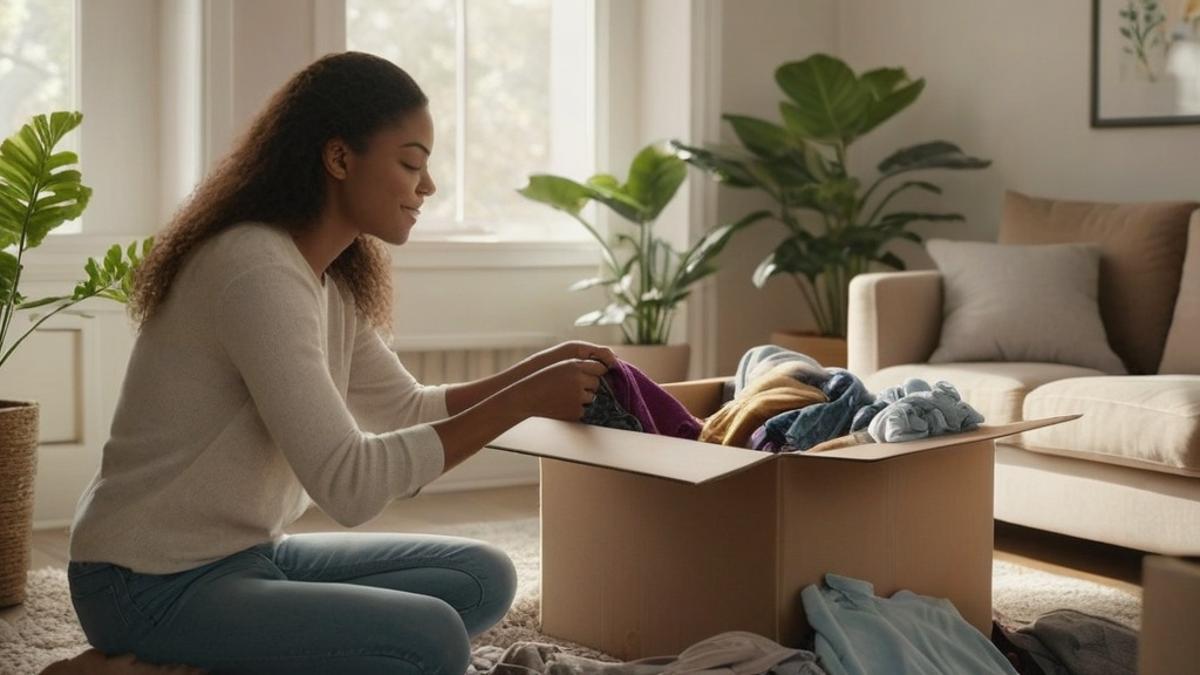
- The Box-Up Test: Pack undecided items into a box, seal it, and label it with a date. If it remains untouched after 90 days, it’s likely safe to let go.
These methods, though simple, address the psychological barriers that make decluttering difficult in the first place—namely, indecision and sentimental attachment. Understanding how to declutter your home effectively means recognizing that the process is as much about mindset as it is about physical action.
Each technique above offers a different entry point depending on your personality, schedule, and living situation. The key lies in choosing one, committing to it, and observing how a lighter, more intentional space begins to reshape not just your rooms, but your daily rhythm as well.
| Decluttering Techniques | Benefits of Decluttering |
|---|---|
| KonMari Method | Promotes mindful decision-making by keeping items that “spark joy”. |
| Four-Box Method | Encourages stress-free organization by categorizing items into keep, donate, trash, and relocate. |
| Digital Decluttering | Reduces clutter-related anxiety by organizing files and minimizing distractions in your digital space. |
DISCOVER MORE: Click here to discover a clutter-free kitchen
Research increasingly points to a connection between physical clutter and mental strain. A study from Princeton University found that visual clutter competes for attention in the brain, making it harder to focus and process information efficiently. This is why decluttering for mental health has become a growing focus among therapists and wellness coaches, not just home organizers. In fact, recent surveys show that 80% of individuals who declutter report a sense of relief and increased productivity in their daily lives. The mind feels lighter when the environment is organized, allowing for clearer thought and more creativity.
The benefits of decluttering extend beyond aesthetics. Homeowners across the country report lower stress levels, improved sleep, and even better relationships with family members once shared spaces become more manageable. Consider the typical American household, where busy lives often lead to disorganized kitchens, overflowing garages, and chaotic living rooms. A cluttered kitchen counter or overflowing garage isn’t just an eyesore; it acts as a daily source of friction that quietly drains mental energy. Studies suggest that excessive clutter can lead to anxiety and fatigue, heightening the need for an organized domestic space. This recognition has spurred a decluttering movement among health-conscious individuals aiming for a holistic lifestyle change.
Room-by-Room Strategies That Actually Work
While general techniques apply across the home, certain rooms call for tailored approaches. Kitchens, for instance, tend to accumulate duplicate gadgets and expired pantry items, such as mismatched measuring cups or an excess of old spices. Bedrooms often hide clutter in closets and under beds, where outgrown clothes or rarely used linens gather dust. Meanwhile, home offices frequently drown in paperwork, digital clutter, and out-of-date files that could easily be organized. To tackle these spaces effectively, here are some actionable strategies:
- Kitchen: Empty one drawer or cabinet at a time, checking expiration dates and setting aside duplicate tools for donation. Organizers recommend using clear containers to better visualize pantry contents.
- Bedroom: Focus on closets first, since clothing typically accounts for the largest volume of unused belongings in American households. Consider implementing the “one in, one out” rule to manage new acquisitions.
- Home Office: Scan important documents and shred outdated paperwork. Experts recommend digitizing tax records older than seven years since they’re rarely needed after that point, significantly decreasing clutter.
- Living Room: Rotate décor and books seasonally instead of letting every item sit permanently on display. This practice not only creates freshness in the space but also engages owners to reflect on their belongings.
The Digital Side of Clutter
Physical spaces aren’t the only areas that benefit from a cleanup. Overflowing email inboxes, disorganized phone photos, and cluttered desktops contribute to the same mental fatigue as a messy closet. Digital clutter can also lead to procrastination, hindering productivity and creating an overwhelming feeling akin to physical disorganization. Many organizing professionals now suggest applying the same decluttering techniques used at home—like the Four-Box Method—to digital files, sorting them into folders labeled Keep, Delete, Archive, and Transfer. This way, virtual spaces can feel as clear and manageable as physical ones.
This crossover between physical and digital organization highlights a broader truth: clutter, in any form, follows similar patterns and responds to similar solutions. The principles of minimalism and organization apply universally, whether in a living area or online.
Building Habits That Last
Consistency matters more than intensity when learning how to declutter your home for the long term. A simple yet effective method involves setting a recurring 15-minute “reset” time each evening—clearing counters, returning misplaced items, and sorting incoming mail. This habit prevents clutter from rebuilding after a big organizing push, making it easier to maintain an orderly environment.
Implementing small, sustainable habits like this reinforces stress-free organization far more effectively than occasional deep cleans, transforming decluttering into a routine practice rather than a daunting task. Over time, these behaviors can lead to significant reductions in stress and improvements in mental well-being, ultimately shaping a lifestyle that embraces simplicity and tranquility. As individuals experience the benefits of these efforts, they may find themselves motivated to explore additional areas in their lives that could also benefit from a dedicated approach to organization.
Final Thoughts: Turning Decluttering Into a Lifestyle
The journey toward a tidier home is never really about the boxes donated or the drawers emptied. It’s about reclaiming mental space in a culture that often equates ownership with success. As this article has shown, effective decluttering techniques work best when they’re rooted in small, consistent actions rather than one dramatic overhaul.
From room-specific strategies to the often-overlooked realm of digital clutter, the underlying message remains the same: organization is less about perfection and more about intention. Each cleared countertop or sorted inbox folder contributes to a broader sense of control over daily life.
The benefits of decluttering ripple outward, touching everything from sleep quality to family dynamics. This is why decluttering for mental health continues to gain traction among wellness professionals across the United States, from busy households in Chicago apartments to sprawling homes in suburban Texas.
For those wondering how to declutter your home without feeling overwhelmed, the answer lies in starting small. A single drawer, one closet shelf, or a 15-minute nightly reset can snowball into lasting change. These easy decluttering tips aren’t quick fixes; they’re building blocks for a more intentional way of living.
Ultimately, stress-free organization isn’t a destination but an ongoing practice, one that evolves alongside changing routines, seasons, and priorities. As more research continues to link tidy spaces with clearer minds, the case for embracing simplicity grows stronger.
Perhaps the next step isn’t just clearing a closet, but reconsidering what truly deserves space in daily life, both physically and mentally.
Frequently Asked Questions
What are some effective decluttering techniques for a small apartment?
For small apartments, techniques like the ‘One In, One Out’ rule can be very effective; for every new item you bring in, you must remove one. Additionally, utilizing multifunctional furniture and vertical storage solutions can maximize your space. Start with one area at a time to avoid feeling overwhelmed.
How can I maintain my home after using decluttering techniques?
To maintain an organized home after decluttering, consider establishing daily and weekly routines for tidying up. Adopt the habit of reassessing your belongings regularly, possibly through seasonal decluttering sessions. Keeping surfaces clear and designating specific places for items will also help maintain the order.
What are some decluttering techniques for sentimental items?
When dealing with sentimental items, try the ‘memory box’ technique where you select a limited number of items that truly hold value, and store them in a designated box. Alternatively, take photographs of items that carry memories, allowing you to cherish the sentiments without needing to keep the physical items. Reflecting on why each item is meaningful can also guide your decision-making.
Can decluttering techniques help reduce stress in my life?
Yes, decluttering techniques can significantly reduce stress by creating a more organized environment, which promotes a sense of calm and control. A clutter-free space allows for better focus and productivity, while also reducing anxiety triggered by disorganization. Establishing a clean living area can enhance your overall well-being.
What is the best way to start decluttering my home?
The best way to start decluttering is to tackle one room or area at a time, beginning with a space that feels the most manageable. You can use methods like the KonMari method, which encourages keeping only items that spark joy, or the 20/20 rule, which allows you to keep items that can be replaced for under $20 and can be obtained in less than 20 minutes. Set a timer for short bursts of decluttering to make the process less overwhelming.

Beatriz
Beatriz Johnson is a seasoned minimalist and writer with a passion for simplifying the complexities of personal organization and intentional living. With over a decade of experience in decluttering strategies and mindful consumption, she specializes in topics like space optimization, habit simplification, and sustainable lifestyle choices. Through her work on our website, Beatriz empowers readers to embrace minimalism, reduce mental and physical clutter, and create more meaningful, organized lives in today's fast-paced world.