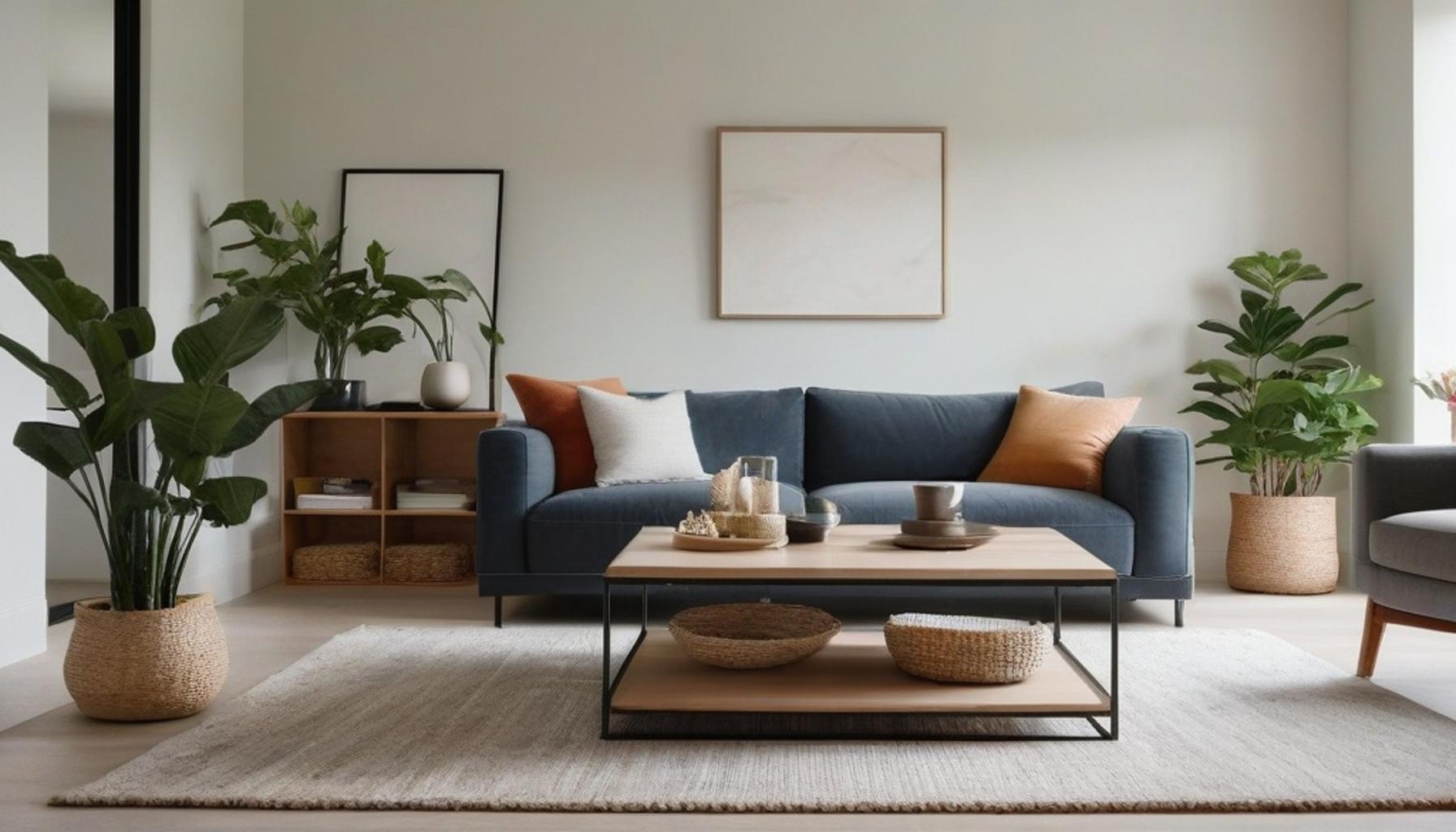
Efficient Living: Innovative Space Management Ideas for Small Apartments
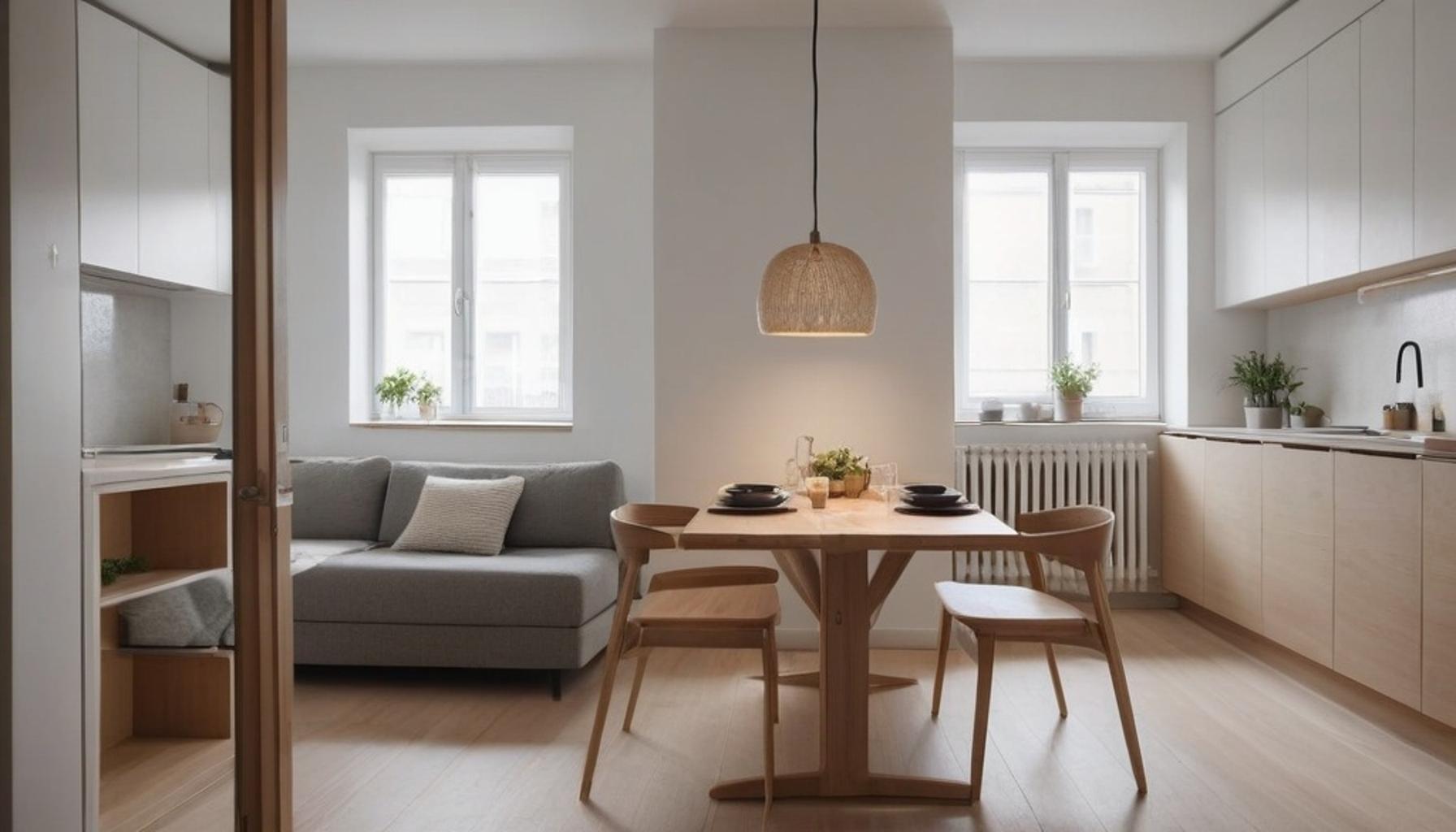
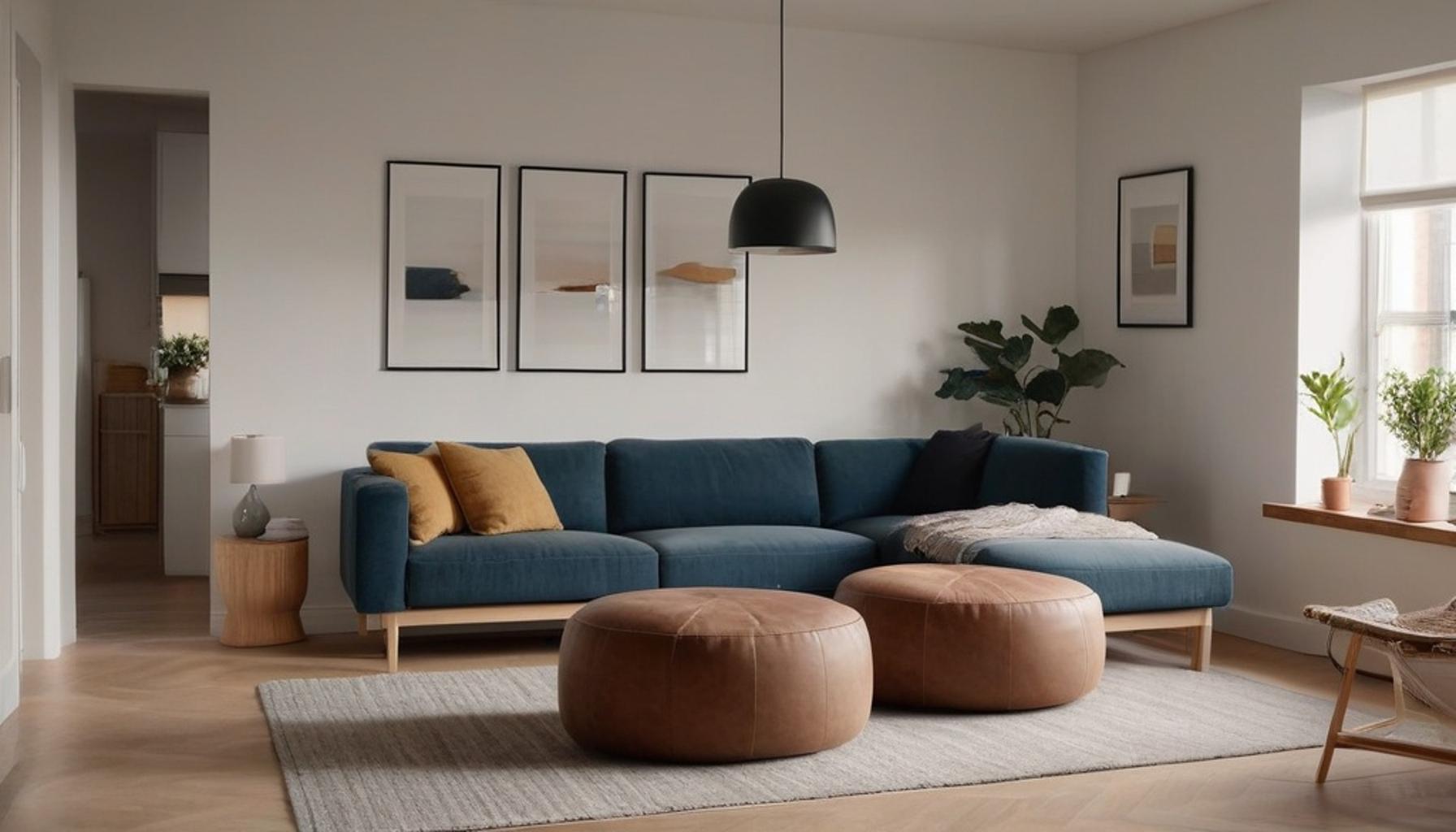
Small Footprint, Big Possibilities
Across cities like New York, San Francisco, and Chicago, apartment sizes are shrinking while rents keep climbing. The average American studio apartment now measures just 500 square feet, yet residents are finding innovative ways to live comfortably without sacrificing style or function. This evolution in urban living has led to a remarkable shift in how people view personal space, prompting a redefinition of comfort and style.
This shift has sparked a growing interest in space management ideas for small apartments. Urban dwellers are discovering that limited sizes do not necessarily equate to limited lifestyle. From clever storage hacks to multifunctional furniture, they are truly rethinking what it means to live large in a compact footprint. For instance, a studio may only offer a single room, yet with the right layout and furnishings, it can become a bedroom, an office, and a living area all at once.
Why Efficient Living Matters Now
Rising housing costs mean more Americans are choosing smaller units over sprawling suburban homes. The median rent for a studio in many metropolitan areas now averages over $2,500 a month, making efficient living spaces not just a design preference, but a financial necessity. Many individuals are adapting to this trend, investing in quality furnishings that serve multiple purposes, hence making the most out of limited square footage.
Fortunately, innovative solutions are transforming even the tiniest apartments into functional, stylish sanctuaries. Consider these game-changing strategies that can easily be integrated into your living space:
- Multifunctional furniture for small spaces, such as sofa beds that provide versatility and comfort, and expandable dining tables that can accommodate guests during parties while shrinking to save space when not in use.
- Small apartment storage solutions utilize vertical wall space with the addition of floating shelves and wall-mounted organizers, along with hidden compartments like ottomans or coffee tables with built-in storage.
- Modular shelving systems offer adaptability, allowing homeowners to configure and reconfigure their storage solutions based on changing needs, preferences, or even seasonal decor.
- Smart layout planning maximizes space, making use of often-overlooked areas like corners with corner desks or L-shaped couches and ensuring that every inch serves a purpose.
What This Guide Covers
Understanding how to maximize apartment space requires more than just decluttering—it demands strategic thinking and creativity. This article will delve into practical, tested methods that real renters and homeowners use daily to achieve comfort in their smaller spaces.
Readers will discover the best tips for small apartment organization, along with a range of creative space-saving ideas that blend functionality with aesthetic appeal. Each solution is meticulously designed to help you reclaim square footage without the need for a major renovation budget. By implementing these strategies, residents can make their compact homes feel more inviting, spacious, and reflective of their personal style, ensuring that even the smallest apartments are a true expression of who they are.
DISCOVER MORE: Click here for a clutter-free kitchen guide
Most small apartment dwellers make a critical mistake: they only think in two dimensions. Floor space gets all the attention while ceiling height, often reaching 9 or 10 feet in older buildings, sits completely unused, representing one of the biggest missed opportunities in efficient living spaces. Interior designers across dense urban markets, from Brooklyn walk-ups to Boston brownstones, consistently point to vertical expansion as the fastest way to gain functional square footage without touching the lease agreement.
Building Upward Instead of Outward
Tall bookcases, loft beds, and ceiling-mounted storage racks can transform dead air into usable real estate. Consider the impact of a single wall fitted with floor-to-ceiling shelving: it can hold as much as a small walk-in closet, all while occupying just inches of floor depth. By focusing on verticality, apartment dwellers can not only declutter but also create a sense of openness and airiness within their spaces, avoiding the cramped feeling that often plagues smaller units.This approach forms the backbone of many small apartment storage solutions gaining traction on social media and home renovation shows alike. For instance, look at the increasingly popular use of pegboard walls in kitchens. These ingenious boards allow pots, utensils, and even small appliances to hang within reach while freeing up valuable cabinet space entirely. The vertical arrangement not only looks visually appealing but also promotes efficiency in cooking and food preparation.Another excellent example is the use of loft or platform beds. These clever designs elevate the sleeping area, creating a secondary zone underneath that can be used for a desk, a cozy seating area, or additional storage drawers. This type of arrangement makes use of the vertical space effectively while housing essential functionality below.Furthermore, in cities where hobbies and outdoor activities come with gear that can clutter precious floor space—such as in Portland or Denver—ceiling-mounted bike racks and pulley systems emerge as a lifesaver. With cycling so prevalent in urban landscapes, these solutions allow cyclists to store their bikes safely and conveniently off the ground, thus maximizing the limited square footage of their apartments.Even simple solutions, like over-the-door organizers, can significantly enhance storage capacity. These versatile additions add valuable shelf space in bathrooms, closets, and pantries without the hassle of drilling or incurring installation costs, making them appealing for renters and homeowners alike.
The Corner Advantage Most Renters Ignore
Corners are the forgotten real estate of apartment living. Standard furniture often fails to fit neatly into these 90-degree angles, leaving them chronically underutilized. This wasted space can be transformed into functional areas with the right approach.Custom or modular corner units can directly solve this problem. Triangular shelves can fit snugly and elegantly into corners, offering storage for everything from books to decorative pieces. Corner desks can serve well as working nooks, and diagonal-mounted televisions can create a more streamlined entertainment area. The difference becomes apparent when looking at how space management ideas for small apartments shift from theoretical advice to measurable results. For example, a well-designed corner desk setup can add a full home office within roughly nine square feet, space that would otherwise remain empty and neglected in most floor plans. Data from apartment industry surveys suggests that renters who incorporate vertical and corner-focused solutions report notably higher satisfaction with their living arrangements, even in units under 400 square feet. Such findings reveal that the lesson is clear: efficient living isn’t about owning less; it’s about seeing space differently, maximizing every inch of your home, and creating a lifestyle that feels expansive rather than restrictive. For anyone living in a small apartment, embracing vertical thinking and corner maximization not only creates a more functional space but also enhances overall quality of life, allowing for a personalized touch that reflects individual lifestyles and needs.
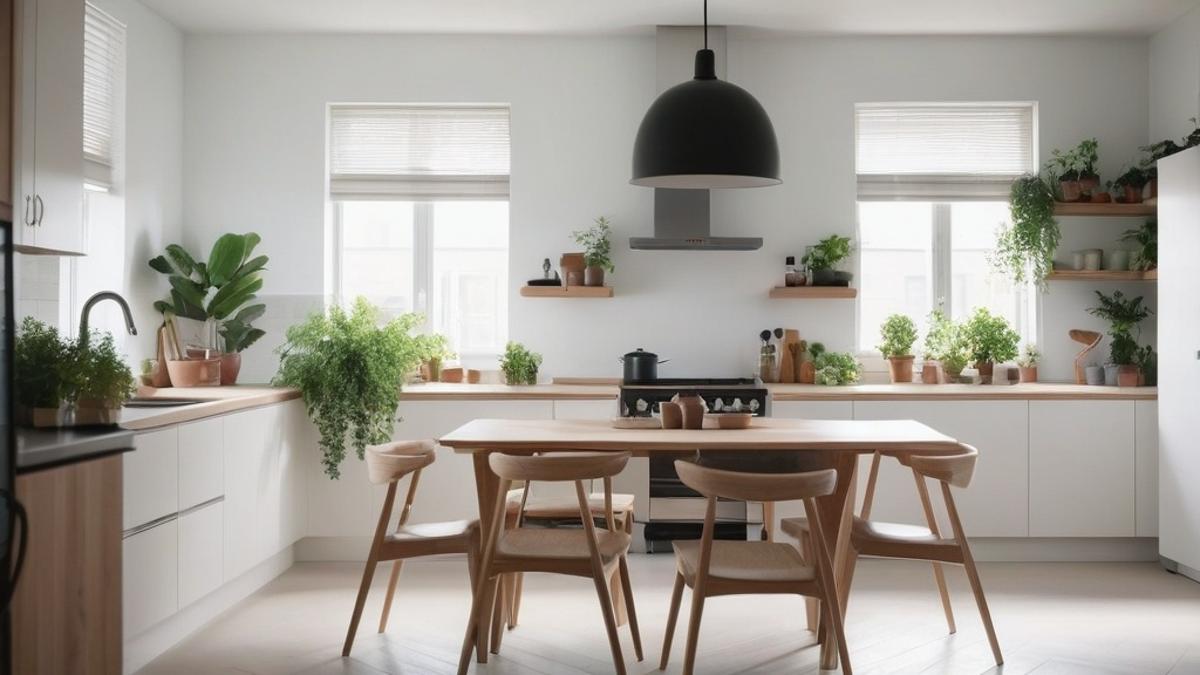
DISCOVER MORE: Click here for tips on a clutter-free kitchen
Furniture That Works Overtime
Walk into any well-designed micro-apartment in New York or San Francisco, and you’ll notice something curious: nothing seems to serve just one purpose. This is the philosophy behind multifunctional furniture for small spaces, a trend that has moved from niche design blogs into mainstream retail chains like IKEA, West Elm, and Wayfair.
Sofa beds have existed for decades, but today’s versions go far beyond the lumpy pull-out couches of the past. Modern sleeper sofas now feature memory foam mattresses, built-in USB charging ports, and armrests that convert into side tables. Similarly, ottomans have evolved into storage powerhouses, hiding blankets, shoes, or seasonal clothing beneath a cushioned lid that doubles as extra seating during gatherings.
Expandable dining tables represent another quiet revolution in apartment living. A console table pressed against a wall can expand to seat six guests within seconds, then collapse back to a slim 12-inch profile when not in use. This adaptability matters significantly in cities like Chicago or Miami, where entertaining space is often the first casualty of a compact floor plan.
Murphy beds, once associated with cramped 1950s apartments, have also experienced a design renaissance. Contemporary versions integrate bookshelves, desks, and even fold-down dining surfaces into the same wall unit. This means a bedroom can transform into a home office by day and revert to a sleeping area by night, an especially valuable feature for remote workers navigating studio living.
Rethinking the Kitchen and Bathroom Footprint
Kitchens and bathrooms tend to be the most rigid spaces in any rental unit, yet they hold surprising potential for reinvention.
Rolling kitchen carts, for example, function as prep stations, additional counter space, and pantry storage all in one mobile unit. When not needed, they slide neatly against a wall or into a closet. According to a 2023 survey by the National Apartment Association, nearly 40 percent of renters in units under 600 square feet cited kitchen storage as their top frustration, making these mobile solutions particularly relevant.
Bathrooms benefit from similarly creative thinking. Tension-mounted shelving units that fit between floor and ceiling require no drilling, making them ideal for renters. Slim rolling carts designed to fit beside a toilet or in narrow gaps beside a vanity can hold towels, toiletries, and cleaning supplies that would otherwise clutter limited counter space.
These strategies illustrate how best tips for small apartment organization often come down to selecting the right tool for an oddly shaped gap rather than forcing standard furniture into spaces it wasn’t designed for.
Digital Tools Meet Physical Space
Interestingly, some of the most effective creative space-saving ideas now involve apps and digital planning tools. Programs like SketchUp and RoomSketcher allow renters to model their apartment digitally before purchasing furniture, reducing costly measurement mistakes.
Home organization apps also help track inventory in storage units, ottomans, and under-bed containers, ensuring nothing gets forgotten in space that’s already scarce. This blend of digital planning and physical execution reflects a broader shift in how urban dwellers approach how to maximize apartment space in an era where every square foot carries real financial weight.
DISCOVER MORE: Click here for tips on a clutter-free kitchen
Small Footprint, Smart Future
Across the country, from converted Brooklyn walk-ups to compact Austin studios, the underlying message stays the same: square footage doesn’t have to dictate quality of life. The most effective space management ideas for small apartments aren’t about sacrifice, they’re about intention. Every piece of furniture, every shelf, and every digital tool discussed here shares a common thread of doing more with less.
What stands out is how these solutions have matured. Multifunctional furniture no longer means clunky compromises; it means sleek sofa beds with charging ports and Murphy beds that double as home offices. Kitchen carts and tension shelving prove that even the most rigid rooms in a rental can flex when approached with creativity rather than frustration.
The rise of digital planning tools adds another layer to this evolution. Renters are no longer guessing whether a dresser will fit through a doorway or whether a dining table will overwhelm a living room. Instead, they’re modeling decisions before spending a dollar, a shift that reflects how seriously urban dwellers now take efficient living spaces as a long-term strategy rather than a temporary fix.
- Prioritize furniture that serves at least two purposes.
- Treat awkward gaps as storage opportunities, not wasted space.
- Use apps to plan layouts before committing to purchases.
Ultimately, mastering small apartment storage solutions and how to maximize apartment space comes down to observation. The renters who thrive in compact units are the ones willing to question default layouts and experiment with unconventional configurations. As housing costs climb in major metros nationwide, these lessons in efficient living may soon apply well beyond the smallest apartments, reshaping how everyone thinks about space itself.
Frequently Asked Questions
What are some creative storage solutions for small apartments?
Utilizing vertical space is key in small apartments. Consider installing wall-mounted shelves, using over-the-door organizers, or opting for furniture with built-in storage, like ottomans or beds with drawers. These solutions help keep items accessible while minimizing clutter.
How can I make a small living area feel larger?
To create the illusion of more space, use light colors for walls and furniture, and incorporate mirrors to reflect light. Additionally, choose multifunctional furniture, like a sofa bed or a coffee table that can double as a desk, to maximize usability without overwhelming the space.
What are some space management ideas for small apartments with pets?
In small apartments with pets, consider using under-bed storage bins for toys and utilizing wall hooks for leashes. A compact pet bed that fits into a corner can also save space, and creating designated areas for eating and playing helps to keep your living area organized.
How do I effectively organize a small kitchen?
In small kitchens, use vertical shelves and magnetic strips for utensils or spices to free up counter space. Consider a rolling cart for additional prep space and storage that can be tucked away when not in use, and regularly declutter to keep only essential items.
What are some ways to separate spaces in a studio apartment?
You can separate spaces in a studio apartment using room dividers, such as bookcases or curtains. Another idea is to use furniture placement strategically, like positioning a sofa to act as a barrier between the living and sleeping areas. This creates distinct zones without the need for full walls.
Can plants be incorporated into space management for small apartments?
Absolutely! Plants can enhance decor and improve air quality without taking up much space. Use wall-mounted planters, hanging pots, or small tabletop plants to add greenery while keeping surfaces clear, making the apartment feel more inviting and vibrant.

Beatriz
Beatriz Johnson is a seasoned minimalist and writer with a passion for simplifying the complexities of personal organization and intentional living. With over a decade of experience in decluttering strategies and mindful consumption, she specializes in topics like space optimization, habit simplification, and sustainable lifestyle choices. Through her work on our website, Beatriz empowers readers to embrace minimalism, reduce mental and physical clutter, and create more meaningful, organized lives in today's fast-paced world.