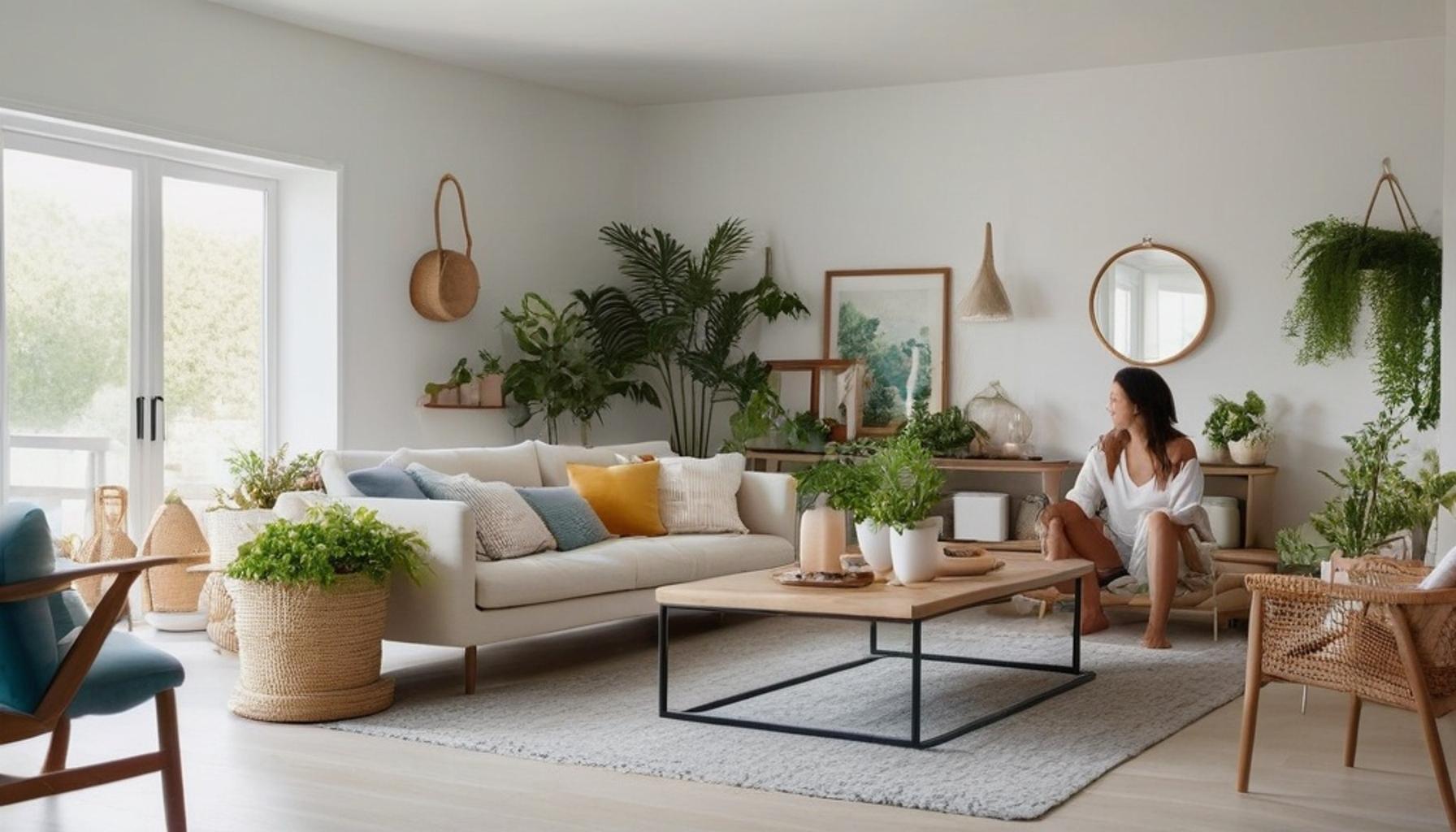
Maximizing Small Spaces: Smart Storage Solutions for a Clutter-Free Home
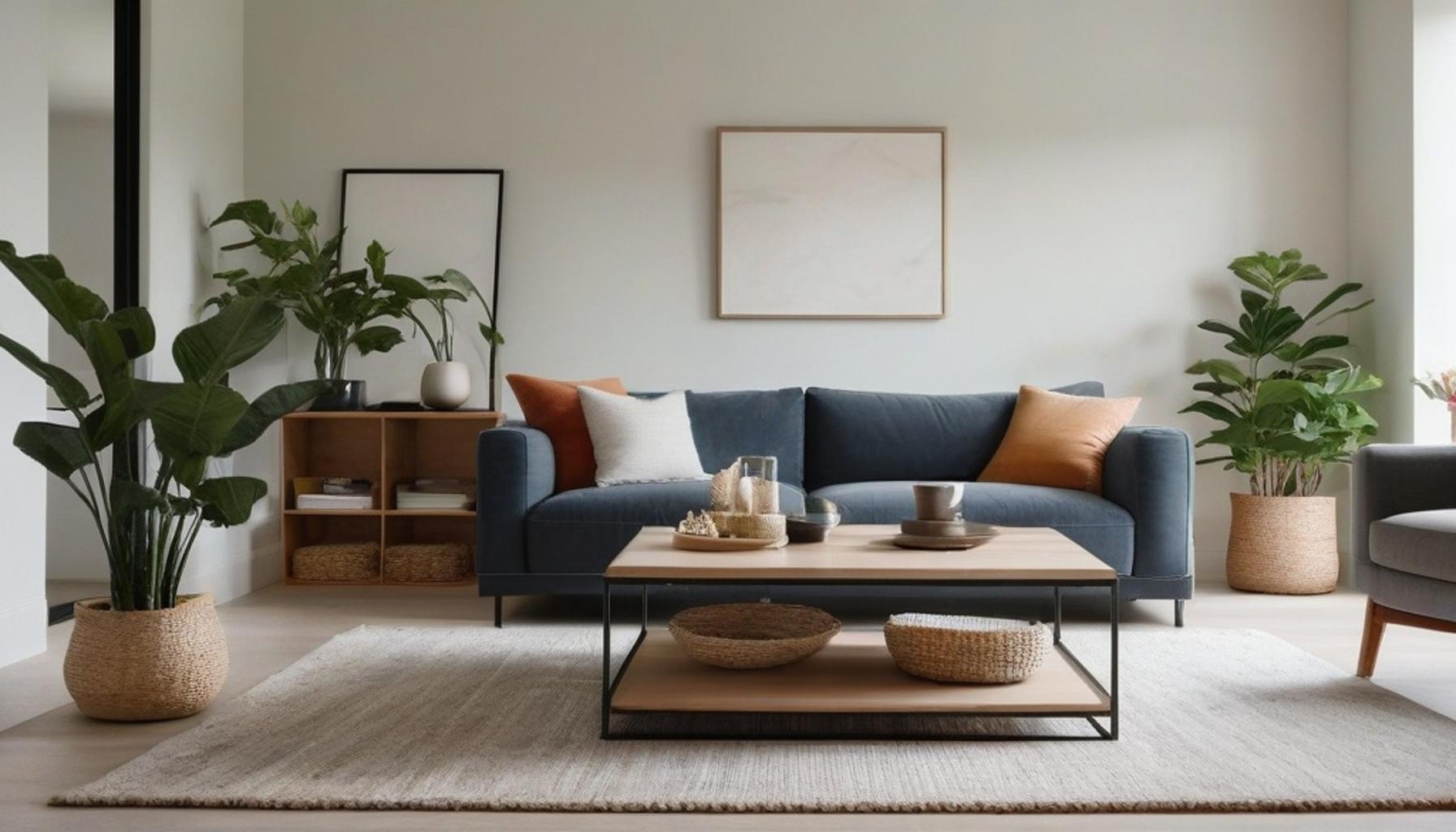
Why Small Spaces Demand Big Thinking
As urban living becomes increasingly popular, the average American home has noticeably shrunk, with many new apartments in metropolises like New York and San Francisco measuring under 750 square feet. Surprisingly, despite the reduced space, the average household still owns thousands of items, leading to a significant mismatch between storage capacity and belongings. This disparity underscores the importance of smart storage solutions, shifting them from optional upgrades to essential elements in modern living.
The implications of clutter extend far beyond aesthetics; they can impact productivity and financial resources as well. Research indicates that Americans spend an astonishing 2.5 days each year searching for misplaced items—a time that could be better utilized elsewhere. This problem is exacerbated by the smaller living spaces we inhabit today.
What This Guide Covers
Innovating in small spaces isn’t necessarily about simplifying by owning less. Instead, it hinges on the concept of storing smarter. For example, by employing vertical shelving, you can transform a cramped studio into a multifunctional retreat that feels both spacious and orderly. A prime example of this is utilizing wall-mounted shelves to display books and decor, freeing up valuable floor space for more efficient use.
In this article, we delve into practical, budget-friendly strategies that can revolutionize your living environment. These include:
- Vertical storage systems that draw your eye upward, making the most of wall space while keeping essentials accessible.
- Multi-purpose furniture, such as storage ottomans that not only provide a place to sit but also house blankets or games, and expandable tables ideal for hosting guests.
- Under-bed and closet organization hacks, like using sliding bins that capitalize on the often-overlooked spaces under beds.
- Modular shelving units that offer flexibility and can be adapted to both rentals and permanent homes.
- Digital decluttering tools that help track belongings, ensuring you only keep what you truly need.
Whether you’re living in a downtown micro-apartment or a suburban starter home, these space-saving storage ideas prove to be universally applicable. The primary objective is clear: to create breathing room without incurring major renovation costs.
Are you ready to take control of your space? By exploring and implementing these home organization strategies, you can transform even the tiniest of spaces into open, functional, and completely clutter-free environments that enhance your daily life.
EXPLORE MORE: Click here for kitchen organization tips
Going Vertical: The Foundation of Efficient Small Space Storage
Walk into any well-designed micro-apartment, and you’ll notice something immediately: the walls are working overtime. Vertical storage is the cornerstone of maximizing small spaces, yet it remains one of the most underutilized strategies in American homes today. While the average ceiling height sits around 9 feet, most households only use furniture and storage up to about 5 feet, leaving nearly half the room’s potential untapped.
This oversight isn’t just wasted space—it’s a missed opportunity for genuine transformation. Interior designers in cities like Chicago and Boston have increasingly turned to floor-to-ceiling shelving units as a signature move in tight apartments, proving that height, not square footage, often determines how spacious a room feels.
Practical Ways to Build Upward
Implementing vertical solutions doesn’t require a contractor or a hefty budget. Consider these accessible options that deliver immediate results:
- Wall-mounted shelving installed near the ceiling for seasonal items, keeping daily essentials within easy reach below.
- Pegboards in kitchens, a trick borrowed from professional workshops, allowing pots, utensils, and even spice jars to hang in plain sight.
- Over-the-door organizers for closets and bathrooms, capitalizing on space that typically goes entirely unused.
- Tall, narrow bookcases instead of wide, shallow ones, which occupy less floor space while offering equal or greater storage capacity.
These space-saving storage ideas share a common thread: they redirect attention upward, freeing the floor for movement and function. In studio apartments, where every square foot counts, this shift can make the difference between a space that feels chaotic and one that feels curated.
Why This Matters for Renters and Homeowners Alike
One of the most appealing aspects of vertical storage is its flexibility. Renters, who make up nearly 35% of American households according to recent housing data, often hesitate to invest in permanent fixtures. Fortunately, most vertical solutions—tension shelving units, adhesive hooks, freestanding units—require no drilling and no long-term commitment.
This adaptability makes vertical storage a rare win-win in the world of home organization strategies: it satisfies landlords’ restrictions while still delivering the functional overhaul that cluttered spaces desperately need.
| Category | Key Features |
|---|---|
| Vertical Solutions | Utilize walls for shelving, hooks, and pegboards to free up floor space. |
| Multi-Functional Furniture | Incorporate items such as ottomans or beds with storage compartments to enhance usability. |
| Creative Container Solutions | Use baskets, bins, and drawers to categorize items, keeping your environment organized. |
| Underutilized Spaces | Maximize the use of areas like under-stair spaces or behind doors for hidden storage options. |
DISCOVER MORE: Click here to tidy up your kitchen
Multi-Functional Furniture: Where Design Meets Practicality
Beyond vertical space, the second pillar of smart storage solutions lies in furniture that refuses to serve just one purpose. In cities like New York and San Francisco, where studio apartments can rent for over $2,500 a month, homeowners and renters alike have started treating multi-functional furniture not as a luxury, but as a necessity.
A bed that lifts to reveal storage underneath, a coffee table with hidden compartments, an ottoman that doubles as a chest—these aren’t just clever gadgets. They represent a fundamental shift in how Americans are rethinking domestic space.
Furniture That Does Double Duty
Retailers have taken notice of this demand. Companies specializing in compact living solutions have seen sales of convertible furniture rise significantly over the past five years, according to industry reports tracking small-space living trends.
Some of the most effective pieces for efficient small space storage include:
- Storage ottomans that hide blankets, remote controls, or children’s toys while doubling as extra seating.
- Murphy beds with built-in shelving, allowing a bedroom to transform into a home office during the day.
- Nesting tables that separate for entertaining and collapse into a single unit when not in use.
- Storage benches placed at entryways, replacing bulky shoe racks with a seat-and-storage hybrid.
This approach isn’t limited to living rooms and bedrooms. Kitchens, often the most cluttered rooms in any home, benefit enormously from rolling carts that serve as extra counter space and pantry storage simultaneously.
The Psychology Behind Decluttering Success
There’s a reason these clutter-free home tips resonate so strongly with people. Behavioral researchers studying consumer habits have found that visual clutter directly increases cortisol levels, the hormone associated with stress.
A cluttered environment doesn’t just look messy—it actively works against mental well-being. This explains why maximizing small spaces has become less about aesthetics and more about quality of life.
Multi-functional furniture addresses this by reducing the sheer volume of separate pieces needed in a home. Instead of a coffee table, a storage bin, and a side table, one piece can absorb all three functions.
For anyone serious about home organization strategies, the lesson is clear: before buying anything new, ask whether it can serve more than one purpose. That single question can prevent unnecessary purchases and, over time, entire rooms’ worth of clutter.
DISCOVER MORE: Click here to simplify your kitchen
Small Space, Big Possibilities
From floor to ceiling, and from bedroom to kitchen, the strategies explored throughout this article point to one undeniable truth: square footage doesn’t have to dictate quality of life. Whether it’s vertical shelving that reclaims unused wall space or a storage ottoman that quietly replaces three separate furniture pieces, smart storage solutions prove that thoughtful design beats square footage every time.
Across the United States, from cramped New York studios to compact Los Angeles bungalows, residents are discovering that maximizing small spaces isn’t about sacrifice. It’s about intention. Every drawer, shelf, and hidden compartment becomes an opportunity rather than a limitation.
Turning Strategy Into Habit
What separates a cluttered apartment from an organized one often isn’t the size of the home, but the consistency of the systems in place. The most effective home organization strategies share a common thread: they require regular reassessment.
Seasonal closet rotations, quarterly decluttering sessions, and honest evaluations of what furniture truly earns its space all keep clutter from creeping back in. Without this ongoing commitment, even the best space-saving storage ideas can lose their impact within months.
For readers ready to take the next step, the most practical approach is to start small. Choose one room, apply a single strategy, and observe the results before expanding further.
This measured approach to efficient small space storage tends to produce longer-lasting habits than attempting a complete home overhaul overnight.
Ultimately, the growing popularity of these clutter-free home tips reflects something larger happening in American households: a redefinition of what comfortable living actually requires. As urban housing costs continue climbing, the ability to do more with less isn’t just practical. It’s becoming a genuine skill worth mastering.
Frequently Asked Questions
What are some affordable smart storage solutions for small apartments?
Affordable options for smart storage in small apartments include multifunctional furniture like ottomans that double as storage, wall-mounted shelves for vertical space, and under-bed storage bins. Additionally, using decorative baskets or boxes on open shelves can help keep items organized while adding style.
How can I maximize closet space using smart storage solutions?
To maximize closet space, consider adding cascading hangers to create more vertical hanging space, using shelf organizers for shoes and folded clothes, and incorporating slim, non-slip hangers. Additionally, utilizing vertical space with stackable bins can help organize smaller items efficiently.
What role do multifunctional furniture pieces play in smart storage solutions?
Multifunctional furniture pieces are essential for smart storage solutions as they allow you to combine several uses into one item, saving space. Examples include a sofa bed for guests, a dining table with built-in storage, or a coffee table with drawers, enabling clutter-free living while optimizing functionality.
How can I use vertical space effectively for storage in small areas?
Utilizing vertical space can be achieved by installing tall bookshelves or wall-mounted cabinets that reach the ceiling. Additionally, hanging shelves or pegboards can hold items off the floor, while hooks on walls can store bags, hats, or kitchen utensils, freeing up valuable horizontal space.
What are some smart storage solutions for small kitchens?
In small kitchens, smart storage solutions include utilizing cabinetry organizers like pull-out shelves, magnetic strips for knives and utensils, and utilizing wall-mounted racks for pots and pans. Adding a small rolling cart can also provide extra counter space while storing essential cooking supplies.
How can I maintain a clutter-free home with limited storage options?
To maintain a clutter-free home with limited storage, create a habit of regularly decluttering by assessing what you truly need and use. Implement smart storage solutions, such as hidden storage under furniture and vertical shelving, to keep items organized, and commit to a one-in-one-out rule to prevent future clutter.

Beatriz
Beatriz Johnson is a seasoned minimalist and writer with a passion for simplifying the complexities of personal organization and intentional living. With over a decade of experience in decluttering strategies and mindful consumption, she specializes in topics like space optimization, habit simplification, and sustainable lifestyle choices. Through her work on our website, Beatriz empowers readers to embrace minimalism, reduce mental and physical clutter, and create more meaningful, organized lives in today's fast-paced world.