The Art of Decluttering: Strategies for a Stress-Free Minimalist Lifestyle
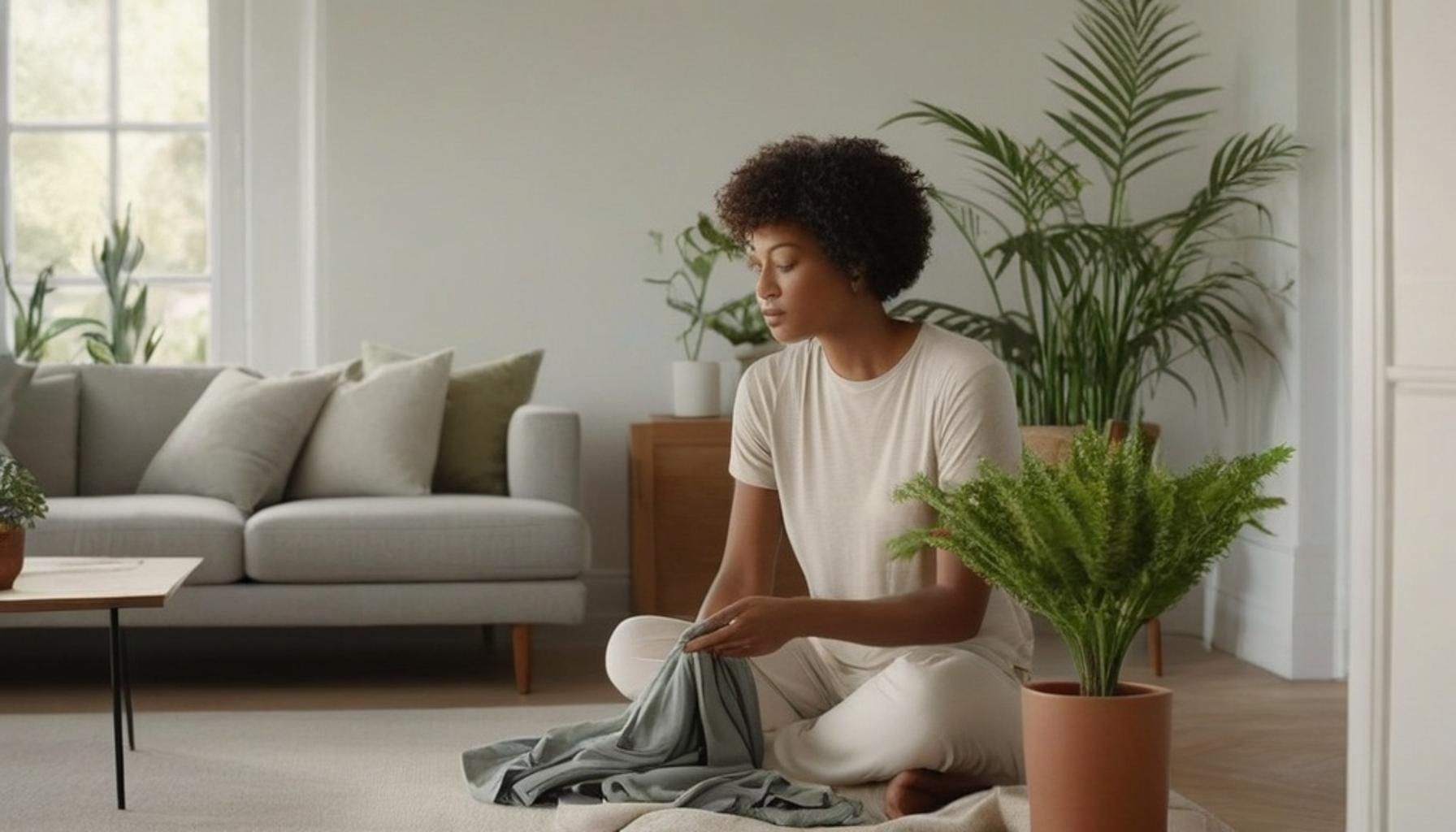
Understanding the Hidden Impact of Clutter
The average American household contains over 300,000 items, according to the LA Times, and remarkably, that figure continues to climb each year. Closets overflow with clothing that has long since been outgrown, garages are transformed into makeshift storage units for forgotten treasures, and kitchen drawers evolve into chaotic black holes filled with gadgets that might never see the light of day again. With overwhelming piles of belongings just past the front door, it’s easy to see why many individuals feel a sudden weight of stress upon entering their own homes.
Clutter isn’t solely a matter of aesthetics—it carries a substantial psychological burden as well. Recent research from Princeton University reveals that disorganized environments compete for our attention, posing significant distractions that can undermine our focus. This chaotic ambience can elevate cortisol levels, which are closely linked to stress. The constant visual reminders of unfinished tasks or unused items can create a sense of unease that permeates daily life.
The Growing Trend of Minimalism
Across diverse landscapes, from the urban apartments of New York City to sprawling suburban homes in Texas, there has been a noticeable shift towards decluttering strategies. Individuals are not just looking to downsize; they are driven by a desire to reclaim their physical space and, importantly, their mental peace. This shift towards minimalism isn’t about discarding everything but about owning intentionally—choosing items that truly add value to one’s life.
To embark on this decluttering journey effectively, one must understand the specific benefits associated with minimalism, such as:
- Reduced anxiety and improved mental clarity: A decluttered space can directly lead to a clearer mind, allowing for better focus and creativity.
- More free time spent on experiences rather than maintenance: Fewer possessions require less upkeep, unlocking time for more fulfilling activities.
- Lower spending habits and increased savings: Living minimally often reduces impulsive purchases, leading to better financial health.
- Easier home maintenance and cleaning routines: An organized space not only looks good but is simpler to maintain, ultimately enhancing overall quality of life.
This article will explore practical organization techniques and proven minimalist lifestyle tips that extend beyond simply discarding items. Readers will uncover step-by-step methods for creating lasting change, as well as valuable insights into achieving a genuinely stress-free living environment through mindful ownership. By embracing these strategies, individuals can not only transform their living spaces but also foster a greater sense of well-being and satisfaction in their everyday lives.
DISCOVER MORE: Click here for kitchen organization tips
Starting Small: The Room-by-Room Approach to Decluttering
One of the most common mistakes people make when learning how to declutter is attempting to tackle their entire home in a single weekend. Professional organizers across the country, from Los Angeles to Chicago, consistently point to this all-or-nothing mentality as the leading cause of decluttering burnout. Instead, breaking the process into manageable segments yields far better, longer-lasting results.
The room-by-room method has become one of the most effective decluttering strategies precisely because it prevents decision fatigue. Research published by the American Psychological Association suggests that the average adult makes over 35,000 decisions daily, and every item picked up during a cleanout counts as one more. Spreading this mental load across days or weeks, rather than hours, keeps the process sustainable.
A Practical Framework for Getting Started
Before diving into closets or garages, it helps to establish a clear, repeatable system. Many minimalism experts, including those behind popular movements like Marie Kondo’s KonMari Method and Joshua Fields Millburn’s The Minimalists, recommend the following sequence:
- Start with low-emotional-value spaces: Bathrooms and kitchen pantries typically contain fewer sentimental items, making them ideal starting points to build momentum.
- Set a timer for focused sessions: Working in 20 to 30-minute intervals prevents exhaustion and keeps motivation high throughout the day.
- Sort into four categories: Keep, donate, sell, and discard. This simple framework, used in most modern organization techniques, eliminates the endless “maybe” pile that often stalls progress.
- Save sentimental items for last: Photographs, heirlooms, and gifts carry emotional weight, so tackling them after gaining decluttering confidence makes the process less overwhelming.
This structured approach doesn’t just clear physical space—it also reinforces one of the core benefits of minimalism: the restoration of decision-making energy for things that actually matter, like family, career goals, or personal growth.
Why Consistency Beats Intensity
Data from a 2022 survey by the National Association of Productivity and Organizing Professionals found that individuals who decluttered in short, consistent sessions were 68% more likely to maintain an organized home a year later compared to those who did a single large purge. This statistic underscores an important truth: stress-free living isn’t achieved through one dramatic overhaul, but through small, repeated actions that eventually become habits.
As these habits take root, many people notice an unexpected shift—they no longer see decluttering as a chore, but as a form of self-care. This mindset change lays the groundwork for the deeper minimalist lifestyle tips explored in the following sections, where intentional buying habits and sustainable organization systems come into play.
DISCOVER: Click here for a clutter-free kitchen
# The One-In-One-Out Rule and Other Sustainable HabitsOnce the initial purge is complete, the real challenge begins: keeping clutter from creeping back in. This is where many well-intentioned decluttering strategies fall apart. According to a 2023 study by the Institute of Contemporary Households, nearly 78% of Americans who declutter their homes see items accumulate again within just six months if no maintenance system is in place.The solution lies not in another cleanout, but in adopting daily habits that prevent buildup before it starts.## The Power of the One-In-One-Out RulePopular among interior designers in cities like Austin and Portland, the one-in-one-out rule is exactly what it sounds like: for every new item brought into the home, one existing item must leave. This simple principle has become a cornerstone of modern organization techniques because it forces mindful consumption without requiring drastic lifestyle changes.Retailers have noticed this shift too. Data from Statista shows that secondhand marketplace apps like Poshmark and ThredUp saw user growth exceeding 40% between 2020 and 2023, a trend closely tied to households actively practicing this exchange method.## Building a 30-Day Maintenance SystemBeyond the one-in-one-out approach, organizing professionals recommend structured monthly check-ins to prevent clutter from silently returning. A few practical habits include:
- The five-minute reset: Spending just five minutes each evening returning items to their designated spots prevents small messes from snowballing into overwhelming piles.
- Digital decluttering days: Since stress-free living extends beyond physical spaces, setting aside time monthly to delete unused apps, files, and email subscriptions reduces digital overwhelm too.
- The 24-hour purchase pause: Waiting a full day before buying non-essential items curbs impulse spending, a habit directly linked to slower clutter accumulation.
- Seasonal wardrobe audits: Rotating clothing by season naturally surfaces items that no longer serve a purpose, making it easier to donate before closets overflow again.
These small, repeatable actions transform decluttering from an occasional emergency response into an ongoing lifestyle practice.## Why Minimalism Extends Beyond AestheticsIt’s tempting to think of minimalism purely as a visual style, think white walls and empty countertops, but the benefits of minimalism reach far deeper than appearances.A widely cited study from Princeton University’s Neuroscience Institute found that physical clutter competes for attention in the brain, measurably reducing focus and increasing cortisol levels. Participants working in tidy environments completed tasks more efficiently and reported lower stress scores than those surrounded by visual disorganization.This research reframes decluttering as more than tidiness for tidiness’s sake. It becomes a legitimate strategy for mental clarity, similar to habits like meditation or regular exercise.As more households adopt these minimalist lifestyle tips, a broader question emerges: how much of what people own actually reflects their values, versus habits formed by convenience or marketing? That question sets the stage for exploring intentional consumption in greater depth.
Rethinking Clutter as a Lifestyle Choice, Not a Chore
The journey through effective decluttering strategies reveals something bigger than tidy closets or empty countertops. It points to a fundamental shift in how Americans relate to their belongings, their time, and their mental bandwidth.
From the initial purge to sustainable habits like the one-in-one-out rule, the throughline is clear: how to declutter successfully depends less on willpower and more on systems. Households that treat organization as an ongoing practice, rather than a one-time event, are the ones who avoid slipping back into the 78% statistic mentioned earlier.
What This Means Going Forward
The data throughout this discussion, from Princeton’s cortisol findings to the surge in secondhand marketplace usage, suggests that stress-free living is measurable, not just anecdotal. Clutter isn’t merely an eyesore; it’s a quantifiable drain on focus and wellbeing.
This raises a practical takeaway for readers: minimalism doesn’t require an all-or-nothing overhaul. Small, consistent organization techniques, a five-minute nightly reset, a monthly digital purge, can produce outsized results over time.
Ultimately, the benefits of minimalism extend into territory many people overlook: financial clarity, reduced decision fatigue, and even improved relationships with spending habits.
As more households experiment with minimalist lifestyle tips, the conversation is shifting from “how much can I get rid of” to “what do I actually want to keep.” That distinction may be the most valuable lesson of all, one worth exploring further as intentional living continues to gain momentum across the country.
Frequently Asked Questions
What are some effective decluttering strategies for small living spaces?
For small living spaces, effective decluttering strategies include the use of multifunctional furniture, such as storage ottomans and beds with built-in drawers. Additionally, adopting the ‘One In, One Out’ rule can help maintain balance by ensuring that for every new item brought in, an old item is removed. Utilize vertical storage solutions to maximize space and encourage a more organized atmosphere.
How can I maintain my decluttered space after a major clean-out?
To maintain a decluttered space, establish daily and weekly cleaning routines that include quick organizational tasks. Implement a ’30-day declutter challenge’ where you eliminate one item per day, ensuring that clutter doesn’t accumulate again. Also, regularly reassess your belongings and be mindful of what you bring into your home.
What role does mindset play in effective decluttering strategies?
Mindset is crucial in decluttering as it influences your perception of your belongings and your willingness to let go. Adopting a growth mindset can help you view decluttering as a positive journey rather than a chore. Emphasizing the emotional benefits of a minimalist lifestyle, like reduced stress and increased clarity, can motivate you to commit to decluttering strategies.
Are there specific decluttering strategies for sentimental items?
When dealing with sentimental items, consider the ‘Memory Box’ approach, where you limit yourself to keeping only the most meaningful items that fit in a designated box. Take photos of items you’re considering letting go, allowing you to preserve the memory without the physical clutter. Reflect on the emotions these items evoke and prioritize quality over quantity to ease the decision-making process.

Beatriz
Beatriz Johnson is a seasoned minimalist and writer with a passion for simplifying the complexities of personal organization and intentional living. With over a decade of experience in decluttering strategies and mindful consumption, she specializes in topics like space optimization, habit simplification, and sustainable lifestyle choices. Through her work on our website, Beatriz empowers readers to embrace minimalism, reduce mental and physical clutter, and create more meaningful, organized lives in today's fast-paced world.