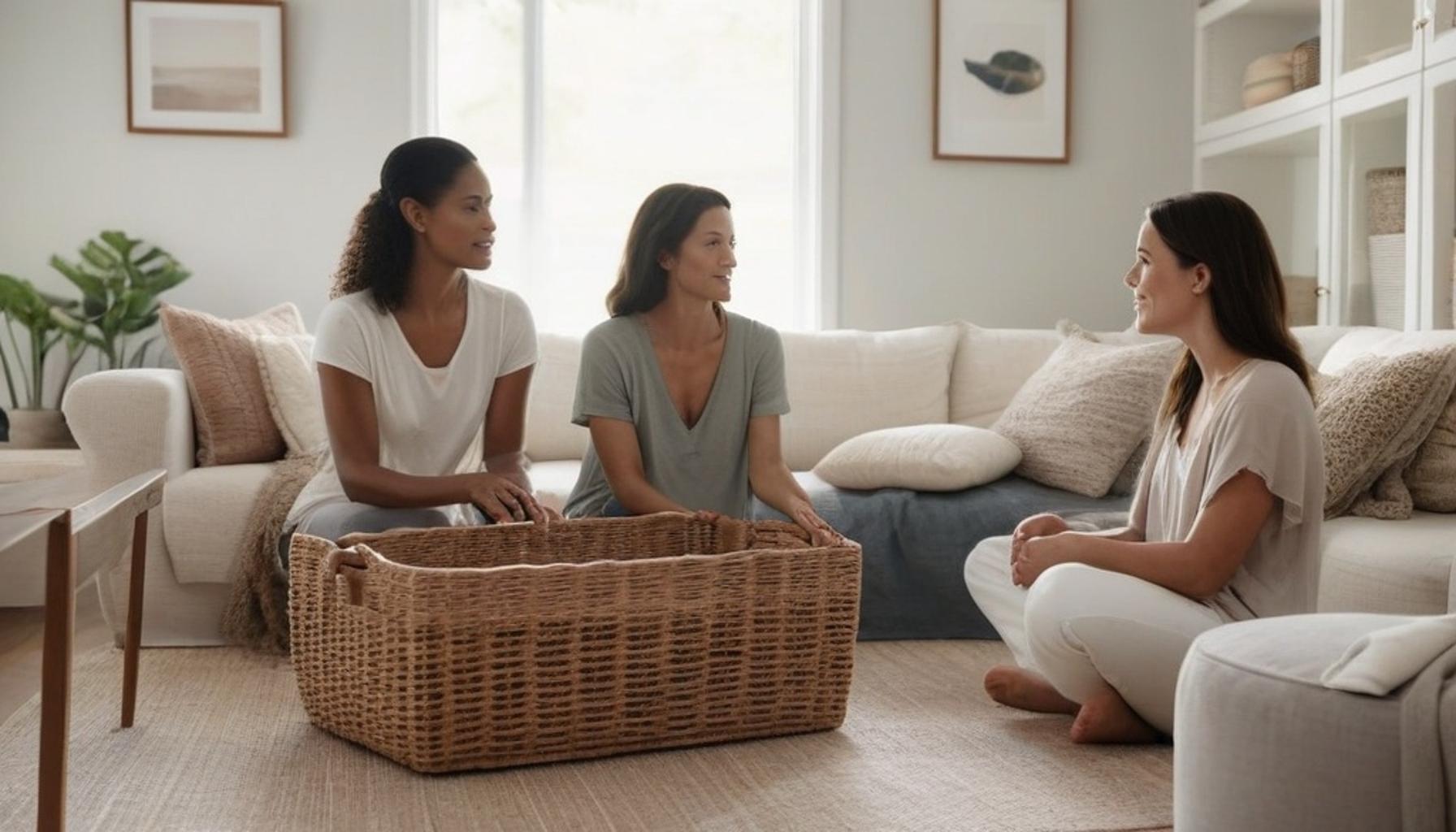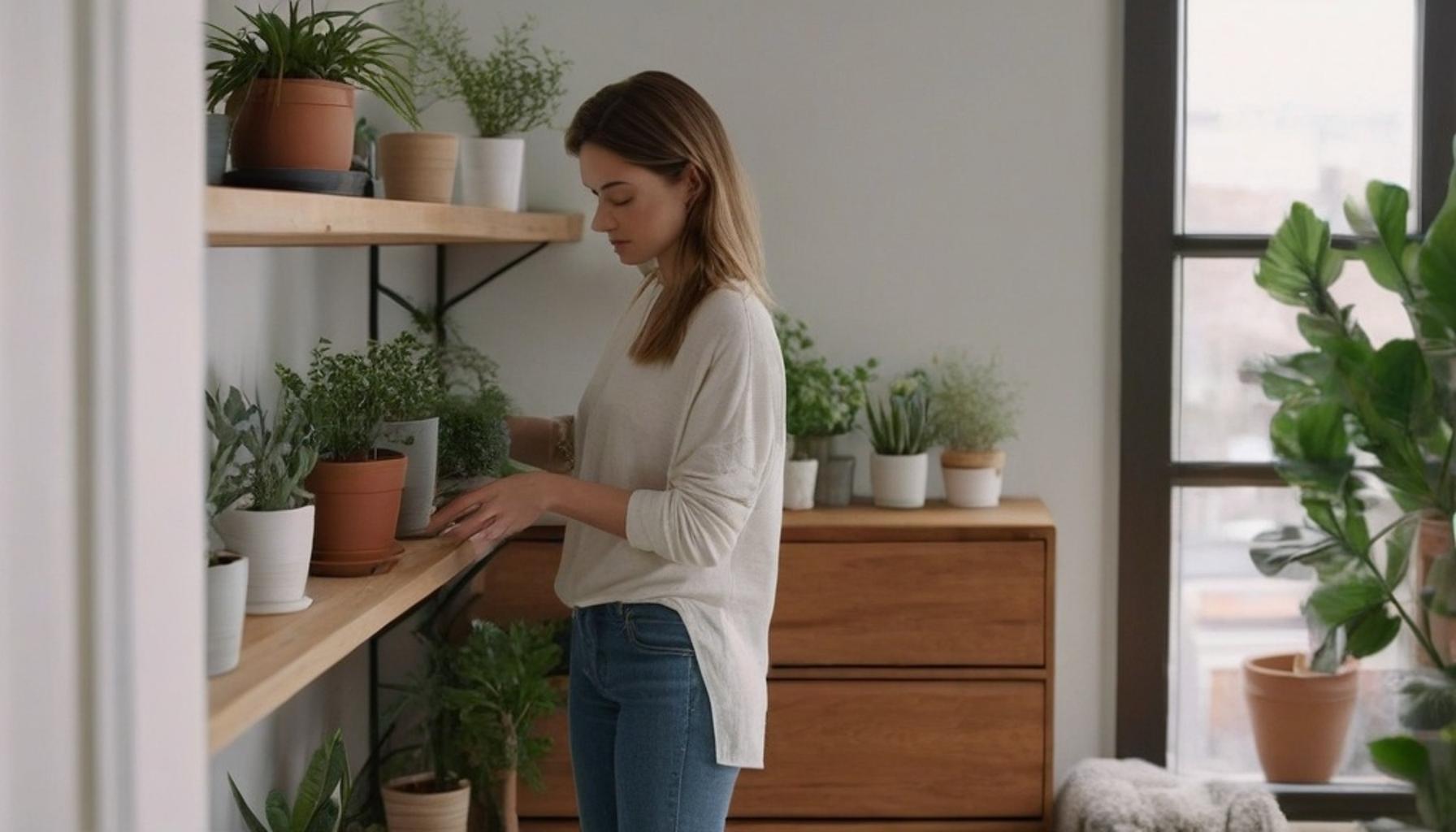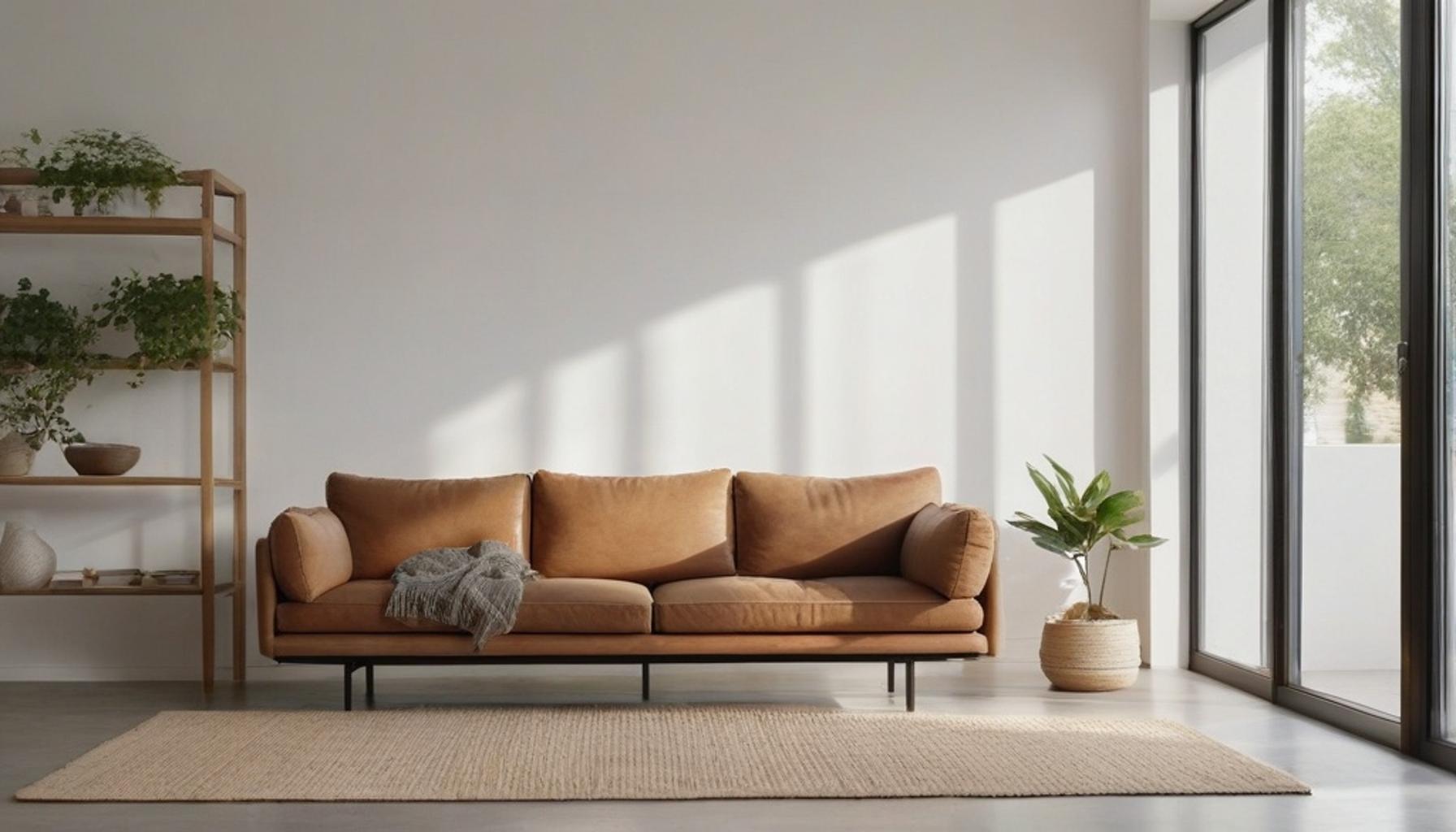
Integrating Mindfulness into Minimalist Home Organization: Creating a Clutter-Free Sanctuary
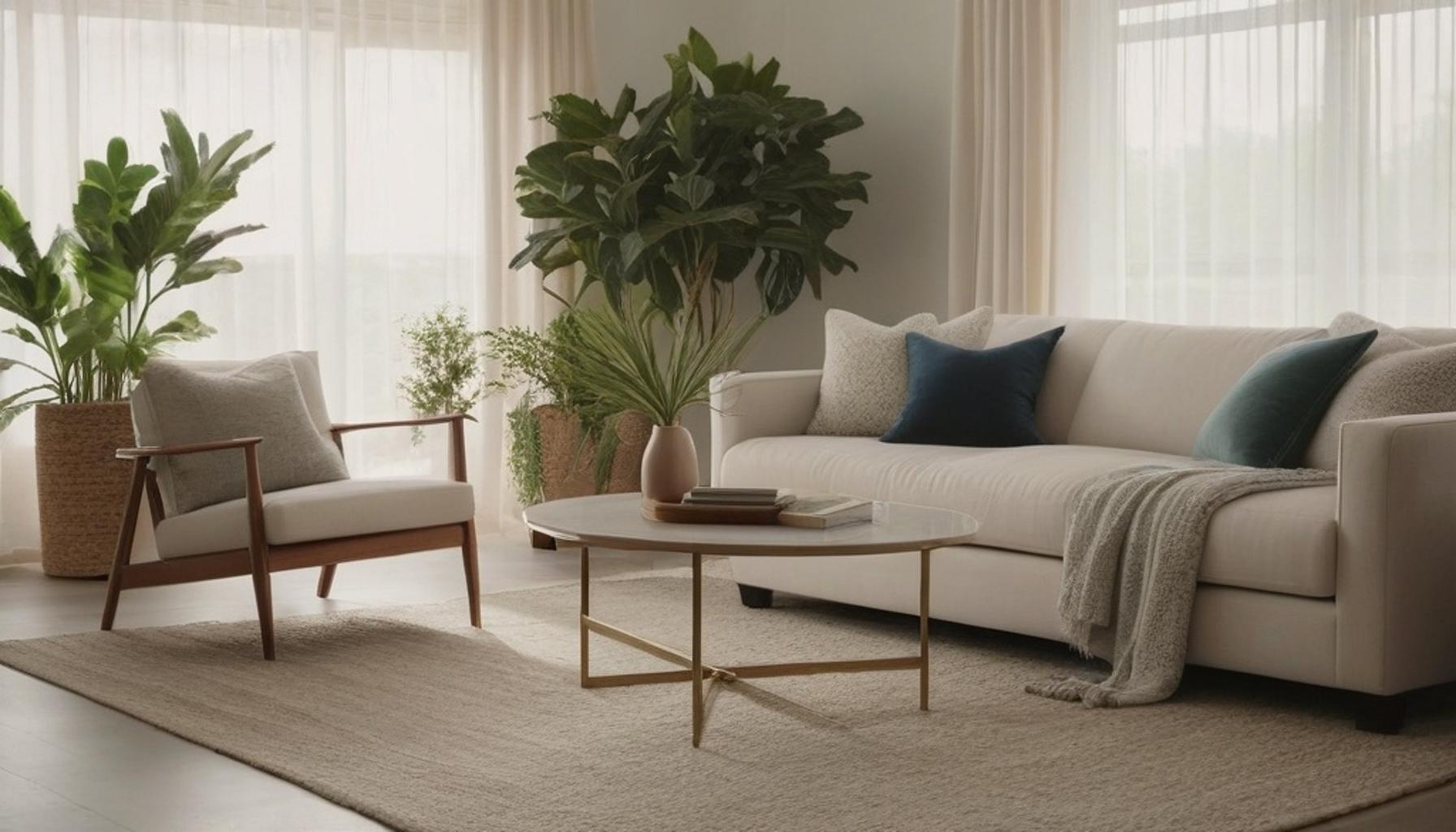
Why Your Home Deserves a Mindful Reset
Americans collect more possessions than any previous generation, and paradoxically, this abundance can lead to increased stress and anxiety. Studies indicate that cluttered environments raise cortisol levels, the body’s primary stress hormone. In fact, research from UCLA reveals that the average U.S. household contains over 300,000 items. This staggering statistic underscores the challenge many face when stepping through their front door, often leading to feelings of being overwhelmed by their surroundings.
Mindfulness in Minimalist Home Organization offers an effective antidote to this issue. Instead of viewing decluttering as a tedious, one-time weekend chore, this method combines intentional living with pragmatic strategies for managing space effectively.
What Makes This Approach Different
Conventional organizing techniques emphasize storage solutions such as bins and labeling systems, yet these methods often overlook the underlying emotional connections people have with their belongings. The mindful approach digs deeper, shedding light on the reasons behind over-accumulation and the attachments we form with our items.
- Mindfulness practices at home encourage a slow and deliberate thinking process around what we keep and what we let go.
- Decluttering strategies are rooted in individual purpose, helping to foster an environment that aligns with personal values rather than a pursuit of perfection.
- Choices regarding simple minimalist home decor help to create peaceful and functional spaces that enhance mental clarity.
- Incorporating daily rituals transforms cleaning and organizing into a form of self-care, making it a pleasant routine rather than an obligation.
The outcome of adopting this mindful methodology is not merely a cleaner home; it fosters a genuine clutter-free sanctuary where each object holds significance and serves a purpose.
This guide will delve into practical, research-backed mindful organization tips that extend beyond the usual tidying methods. Readers will uncover how seemingly small daily habits can profoundly reshape their relationship with both their possessions and their living spaces.
Discovering these insights can illuminate the path toward a harmonious home, ultimately enhancing your overall quality of life. Through this mindful reset, you might find a new appreciation for what it truly means to live well within your own space.
DISCOVER MORE: Click here for clutter-free kitchen tips
The Science Behind Clutter and Your Brain
Neuroscientists at Princeton University discovered something that homeowners across America might find unsettling: cluttered spaces don’t just look messy, they actively compete for your brain’s attention. Multiple objects in your visual field simultaneously drain cognitive resources, reducing your ability to focus and process information effectively.
This finding helps explain why so many people feel mentally exhausted after simply walking through a disorganized garage or overflowing closet. The brain treats every visible item as a small task demanding attention, even when you’re not consciously aware of it.
Mindfulness in Minimalist Home Organization addresses this neurological reality head-on. Rather than fighting against how our brains naturally respond to environments, this approach works with that science to create genuinely restorative spaces.
How Clutter Affects Daily Life
Beyond the mental fog, physical clutter carries measurable consequences that many Americans experience without connecting the dots.
- Sleep quality often suffers in bedrooms filled with visual distractions, as the nervous system struggles to fully relax.
- Decision fatigue increases when closets and drawers require sorting through excess items just to find what’s needed.
- Relationships can strain under the tension that shared cluttered spaces frequently create between partners or family members.
- Productivity at home offices declines when workspace disorder pulls focus away from tasks at hand.
These aren’t merely inconveniences. A 2017 study published in the Journal of Environmental Psychology found direct correlations between household clutter and elevated depression symptoms, particularly among women who described their homes as chaotic or disorganized.
Where Mindfulness Enters the Equation
This is precisely where mindfulness practices at home become transformative rather than simply helpful. Traditional decluttering asks, “Do I need this?” Mindful decluttering asks something deeper: “How does this object make me feel, and does it belong in the life I’m building?”
That subtle shift in questioning changes everything about the process. Instead of rushing through rooms with garbage bags, practitioners slow down to notice physical sensations, emotional responses, and mental patterns tied to their possessions.
Consider the overflowing kitchen drawer many households know all too well, crammed with expired coupons, mismatched containers, and gadgets used once. A mindful approach doesn’t just empty that drawer. It examines why accumulation happened there in the first place, creating lasting change rather than temporary tidiness.
This foundational understanding sets the stage for practical decluttering strategies that actually stick, transforming houses into spaces that genuinely support wellbeing rather than working against it.
| Aspect | Significance |
|---|---|
| Mindful Evaluation | Connects emotional significance to belongings |
| Decluttering Rituals | Transforms chores into reflective practices |
| Aesthetic Choices | Promotes calm and enhances well-being |
DISCOVER MORE: Click here for tips on a clutter-free kitchen
# Practical Mindful Organization Tips That Actually WorkTurning theory into action requires specific techniques rather than vague intentions. Professional organizers who incorporate mindfulness into their practice have developed methods that go beyond typical decluttering advice found in most home organization guides.
The Five-Minute Presence Practice
Before touching a single item, experienced practitioners of mindfulness practices at home recommend a brief pause. Standing in the space you’re about to organize, take five minutes simply observing without judgment.Notice what draws your eye first. Pay attention to where tension appears in your shoulders or jaw. This isn’t wasted time, it’s diagnostic information about your relationship with that particular space.Marie Kondo popularized asking whether items “spark joy,” but mindfulness-based organizing pushes further by examining physical responses to that question, not just emotional ones.
The Category-by-Category Breathing Method
Rather than tackling entire rooms, mindful decluttering strategies suggest working through specific categories while maintaining conscious breath awareness throughout the process.
- Handle each item individually, taking one full breath before deciding its fate.
- Notice resistance or attachment as physical sensations rather than immediately acting on them.
- Sort belongings into three groups: keep with intention, release with gratitude, and undecided for later reflection.
- Limit sessions to 90 minutes, since decision fatigue undermines mindful awareness after that threshold.
This measured pace might seem inefficient compared to weekend purge sessions many Americans attempt, but research on habit formation suggests slower, deliberate changes create more permanent results.
Creating Visual Breathing Room
Minimalist home decor isn’t about stark, empty rooms that feel cold or uninviting. Interior designers increasingly recommend the concept of “negative space” as a design element deserving as much consideration as furniture placement.A 2019 survey by the National Association of Professional Organizers found that homeowners who maintained visible empty surfaces, even small ones like a single clear countertop section, reported 23% higher satisfaction with their living spaces than those with fully utilized storage.This principle applies particularly well to entryways and living rooms, spaces that set psychological tone for entire households. A console table holding only a single meaningful object communicates different information to your nervous system than one crowded with mail, keys, and miscellaneous items.
The Weekly Reset Ritual
Building a genuine clutter-free sanctuary requires maintenance systems, not just initial purges. Many mindfulness practitioners recommend a 15-minute Sunday evening ritual involving:
- Walking through each room slowly, mentally acknowledging spaces without immediately fixing problems.
- Returning displaced items to designated homes while noticing any recurring clutter patterns.
- Setting a single intention for the coming week regarding one problem area.
This consistent practice prevents the overwhelming accumulation that makes decluttering feel like punishment rather than self-care.
Bringing It All Together: A Lasting Approach to Mindful Living
The convergence of Mindfulness in Minimalist Home Organization represents more than a passing trend among American households. It signals a fundamental shift in how people relate to their physical environments and, by extension, their mental well-being.
Throughout this exploration, one truth remains consistent: lasting change happens through small, deliberate actions rather than dramatic weekend overhauls. The five-minute presence practice, breath-centered decluttering, and weekly reset rituals all point toward the same conclusion. Sustainable order comes from awareness, not force.
What This Means for Your Home
Consider starting with a single drawer or shelf this week. Notice the physical sensations that arise. Apply one mindful organization tip discussed earlier, and observe how differently the process feels compared to previous decluttering attempts.
The data supports patience over speed. That 23 percent satisfaction increase tied to visible empty space did not come from aggressive purging, but from thoughtful, ongoing attention to how rooms function and feel.
Building a genuine clutter-free sanctuary is never truly finished. Homes evolve, priorities shift, and belongings cycle through seasons of usefulness. What remains constant is the practice itself, the willingness to pause, breathe, and check in with both space and self.
As more researchers examine the connection between environment and mental health, expect continued interest in decluttering strategies rooted in psychological awareness rather than aesthetics alone. For now, the most powerful step available is simple: choose one room, slow down, and start noticing.
Frequently Asked Questions
How can mindfulness improve my approach to minimalist home organization?
Mindfulness encourages you to be present and intentional with your space, helping you evaluate what truly matters in your home. By adopting mindfulness, you can let go of items that no longer serve you, create a more serene environment, and cultivate a fulfilling living space.
What mindfulness practices can I use while decluttering my home?
While decluttering, practices such as deep breathing, visualization, and gratitude can enhance your experience. Take a moment to breathe deeply before tackling a space, visualize how you want it to feel, and express gratitude for the items you choose to keep or let go.
How does a clutter-free home support mindfulness?
A clutter-free home reduces distractions, allowing for greater focus and tranquility in your daily life. By simplifying your surroundings, you create a peaceful environment that fosters mindfulness, promotes relaxation, and encourages deeper connections with yourself and others.
Can I integrate mindfulness into my daily cleaning routine?
Absolutely! Transform your cleaning routine into a mindfulness practice by being fully engaged in the moment. Focus on the sensations, sounds, and movements involved in cleaning, which can turn a mundane task into a valuable mindfulness exercise.
What items should I prioritize when organizing for mindfulness and minimalism?
Prioritize items that bring you joy, serve a specific purpose, or hold significant sentimental value. Evaluate each item through a mindful lens, considering whether it contributes positively to your life or your home’s atmosphere.
How can I maintain a minimalist home once I’ve achieved a clutter-free space?
To maintain a minimalist home, regularly practice mindfulness by reassessing your belongings and bringing new items into your space carefully. Adopt a ‘one in, one out’ rule to prevent over-accumulation and schedule regular decluttering sessions to keep your sanctuary serene and organized.

Beatriz
Beatriz Johnson is a seasoned minimalist and writer with a passion for simplifying the complexities of personal organization and intentional living. With over a decade of experience in decluttering strategies and mindful consumption, she specializes in topics like space optimization, habit simplification, and sustainable lifestyle choices. Through her work on our website, Beatriz empowers readers to embrace minimalism, reduce mental and physical clutter, and create more meaningful, organized lives in today's fast-paced world.