Mindfulness and Space Management: Cultivating a Simplified Home Environment
Why Your Cluttered Home Might Be Cluttering Your Mind
The average American household contains over 300,000 items, according to a widely cited LA Times report. This staggering number highlights that the challenge of clutter goes beyond mere physical space; it extends deep into our psychological well-being. The equation is simple: the more items we have, the more they can overwhelm our mental landscape.
Enter Mindfulness and Space Management, a growing movement that merges psychological awareness with practical home organization strategies. This approach advocates for a conscious relationship with our possessions, aiming to elevate mental states through intentional living. By acknowledging our belongings, we begin to free ourselves from the mental chaos that clutter can generate.
The Hidden Cost of Clutter
Research from Princeton University indicates that visual clutter competes for your brain’s attention, ultimately reducing focus and increasing cortisol levels—essentially, stress hormones. Picture an overflowing closet or a kitchen counter overrun with gadgets: they aren’t just eyesores. They contribute to a mental load that hinders our ability to concentrate and remain calm.
Consider the myriad of ways clutter affects us:
- Heightened stress and anxiety levels, as a disorganized space creates an overwhelming sense of disorder.
- Difficulty concentrating on tasks, since our brains must work harder to ignore distractions.
- Increased decision fatigue, stemming from the constant need to sift through what’s important and what isn’t.
- Poor sleep quality, especially in bedrooms cluttered with excess items, where the environment might impede relaxation.
A Simplified Home Environment as a Lifestyle Shift
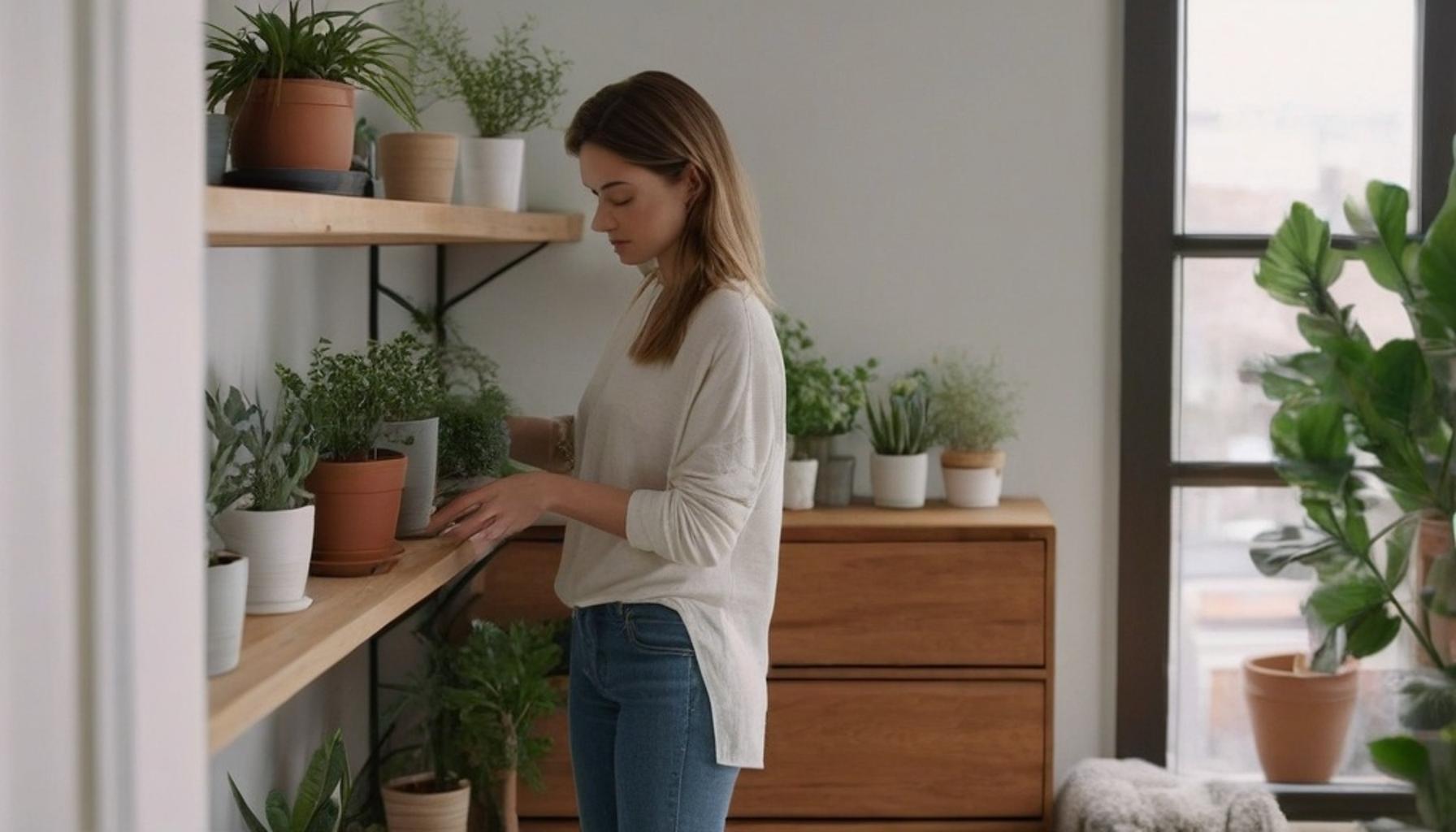
This movement isn’t about achieving a sterile, minimalist showroom—far from it. It’s about intentional living, a conscious examination of why we own what we own. Homeowners across the U.S. are embracing minimalist living not as an act of deprivation, but as a form of liberation and self-expression. From the tiny house movement flourishing in states like Oregon to enthusiastic decluttering workshops held in Manhattan apartments, this trend is redefining American relationships with possessions.
Consider the rise of platforms like Netflix that feature shows such as “Tidying Up with Marie Kondo.” This popularity demonstrates a nationwide appetite for understanding how a simplified home can enhance daily life and mental well-being.
What This Article Covers
This guide delves into practical decluttering tips alongside proven mindfulness techniques that complement each other seamlessly. Readers will discover:
- Step-by-step methods for space optimization, enabling better organization.
- Mindful decision-making frameworks to assist in letting go of unnecessary possessions.
- Room-by-room organization strategies, backed by behavioral psychology, to create effective spaces.
- Daily habits designed to sustain a clutter-free environment over the long term.
Are you ready to not only transform your closets but also shift your relationship with your living space? Join us on this journey toward a mindful and liberating home environment. Let’s begin.
DISCOVER MORE: Click here to learn about a clutter-free kitchen
The Science Behind Mindful Living and Physical Space
Before diving into practical strategies, it’s worth understanding why Mindfulness and Space Management has captured national attention. This isn’t a fleeting wellness trend—it’s grounded in cognitive science and behavioral research that reveals a profound connection between our surroundings and mental state.
A study published in the Journal of Environmental Psychology found that individuals who described their homes using words like “cluttered” or “chaotic” reported higher levels of cortisol throughout the day compared to those who used words like “restful” or “restorative.” This isn’t coincidental. Our brains constantly process environmental stimuli, and every object in view demands a small measure of cognitive attention.
The Attention Restoration Theory
Psychologists refer to this phenomenon through Attention Restoration Theory, which suggests that mental fatigue accumulates when our environment forces constant, low-level decision-making. A cluttered garage in suburban Ohio or a jam-packed pantry in a Brooklyn brownstone can silently drain cognitive resources, even when we’re not actively organizing them.
This is where mindfulness techniques intersect with practical home organization strategies. By pairing awareness practices with intentional space optimization, homeowners can address both the physical and psychological dimensions of clutter simultaneously.
Several key indicators suggest your space might be affecting your mental clarity more than you realize:
- You feel a subtle sense of relief when leaving a particular room, rather than comfort while in it.
- Simple tasks, like finding keys or paperwork, regularly take longer than they should.
- You avoid inviting guests over due to embarrassment about disorganization.
- Certain areas of your home feel “off-limits” because tackling them seems too overwhelming.
Minimalist Living as a Mental Health Strategy
Mental health professionals are increasingly recommending minimalist living principles as complementary tools alongside traditional therapy. Dr. Sherrie Bourg Carter, a psychologist who has extensively researched clutter’s psychological impact, notes that visual chaos can trigger the same neural stress responses as unresolved tasks—creating a persistent, low-grade anxiety that many Americans don’t consciously recognize.
This helps explain why cities like Portland and Austin have seen a surge in professional organizing services over the past five years. Homeowners aren’t just seeking tidier closets; they’re pursuing genuine space optimization as a pathway toward calmer, more intentional daily living.
| Aspect | Description |
|---|---|
| Mindfulness Techniques | Incorporating mindfulness techniques such as meditation and deep breathing can significantly lessen home-related stress. |
| Decluttering Tips | Practicing regular decluttering through strategies like the KonMari method encourages a simplistic and organized atmosphere. |
| Space Optimization | Utilizing vertical storage and multi-functional furniture are effective space optimization solutions that enhance functionality without compromising on aesthetics. |
| Minimalist Living | Embracing minimalist living promotes a conscious approach to possessions, leading to greater mental clarity and emotional well-being. |
| Home Organization Strategies | Implementing tailored home organization strategies can lead to reduced anxiety and increased efficiency in daily routines. |
DISCOVER MORE: Click here for essential tips on kitchen organization
Practical Mindfulness Techniques for Everyday Home Organization Strategies
Translating theory into action requires more than a weekend purge of your closet. Mindfulness and Space Management works best when approached as an ongoing practice rather than a one-time overhaul. Professional organizers across the country, from Seattle to Miami, are now blending traditional decluttering tips with contemplative techniques borrowed from meditation practices.
The Five-Minute Awareness Walk-Through
One of the simplest mindfulness techniques gaining traction involves a daily five-minute walk-through of your home. Rather than cleaning, you simply observe. Notice which surfaces draw your eye toward disorder. Pay attention to what emotions surface as you move from room to room.
This exercise, borrowed from body-scan meditation practices, trains your brain to recognize clutter triggers before they escalate. Organizational consultants in New York report that clients who practice this walk-through consistently identify problem areas 40% faster than those who rely solely on scheduled cleaning sessions.
The One-Object Rule
Another approach reshaping home organization strategies nationwide is the “one-object rule.” Each time you enter a room, you remove or relocate a single item that doesn’t belong. This micro-habit avoids the overwhelm associated with massive decluttering projects.
Consider these entry points for building sustainable habits:
- Designate a “decision zone” near your entryway for mail and daily items that tend to accumulate.
- Set a timer for ten minutes before bed to reset communal spaces like the kitchen or living room.
- Practice the “one in, one out” principle when purchasing new clothing or household goods.
- Use breathing exercises before organizing sessions to reduce decision fatigue.
Space Optimization Through Zoning
Interior designers are borrowing space optimization concepts from commercial architecture, applying “zoning” principles to residential homes. This means assigning clear, singular purposes to areas rather than allowing multipurpose overlap that breeds visual chaos.
A home office that also functions as a craft room, laundry drop zone, and storage closet creates cognitive friction every time you enter. By contrast, homes with clearly zoned functions report higher satisfaction scores in recent surveys conducted by the National Association of Productivity and Organizing Professionals.
This zoning philosophy aligns closely with minimalist living values, where every square foot serves an intentional purpose rather than becoming a catch-all for unresolved decisions. Families in smaller urban apartments, particularly in cities like Chicago and San Francisco, have found this approach especially valuable given limited square footage and premium rental costs.
DISCOVER MORE: Click here for kitchen organization tips
Bringing It All Together: A Simplified Home Environment as an Ongoing Practice
The evidence is clear: a cluttered home rarely reflects a lack of discipline. More often, it signals a disconnect between daily habits and intentional living. Mindfulness and Space Management offers a framework that treats organization not as a chore but as a form of self-awareness practiced one room, one object, one decision at a time.
Across this discussion, several themes emerge as essential takeaways. A simplified home environment depends less on expensive storage systems and more on consistent, small-scale attention. The five-minute walk-through, the one-object rule, and zoning strategies all share a common thread: they replace overwhelming overhauls with sustainable rhythms.
These decluttering tips work because they respect how the brain actually processes decision fatigue. Rather than forcing dramatic weekend purges, they build awareness incrementally, allowing households from studio apartments in Boston to sprawling homes in Austin to adapt the approach to their own pace and square footage.
What makes this movement worth watching is its intersection with broader wellness trends. As therapists and organizers increasingly collaborate, expect to see more mindfulness techniques tailored specifically for physical spaces, not just mental ones.
For anyone ready to start, the path forward doesn’t require perfection. It requires curiosity: noticing what accumulates, questioning why, and adjusting habits accordingly.
Ultimately, space optimization and minimalist living aren’t about owning less for its own sake. They’re about creating rooms that support clarity rather than chaos. As more home organization strategies continue evolving nationwide, one truth remains constant: the calmest homes are built through consistent, mindful attention rather than occasional bursts of effort.
Frequently Asked Questions
How can mindfulness practices improve my space management skills?
Mindfulness practices encourage you to be present and aware of your surroundings, which can lead to a better understanding of what you truly need in your home. By practicing mindfulness, you can identify items that bring joy and purpose, allowing you to declutter and manage your space more effectively.
What are some mindfulness techniques to help with decluttering my home?
Techniques such as the ‘one-minute rule’ or the ‘five-item rule’ can help you stay focused on decluttering. Additionally, taking a moment to breathe deeply and reflect on why you want a simplified space can motivate you to tackle each area with intention and clarity.
How can I create a mindful routine for maintaining my home environment?
Establishing a mindful routine can involve daily or weekly check-ins where you evaluate your living space. Allocating time for quick tidying sessions, as well as incorporating moments of reflection on what items serve your well-being, can enhance your ability to maintain a simplified environment.
Is there a specific approach to mindfulness and space management for small living areas?
Absolutely! In small living areas, mindfulness encourages you to be deliberate about every item you bring in. Focus on multifunctional furniture and essential items that spark joy or serve a purpose, allowing you to maximize your space while maintaining a serene environment.
How does a simplified home environment contribute to my overall well-being?
A simplified home environment reduces visual clutter, which can lead to decreased stress and increased mental clarity. By applying mindfulness to your space management, you can create a sanctuary that encourages relaxation, focus, and a sense of peace in your daily life.
Can mindfulness and space management practices be integrated into family life?
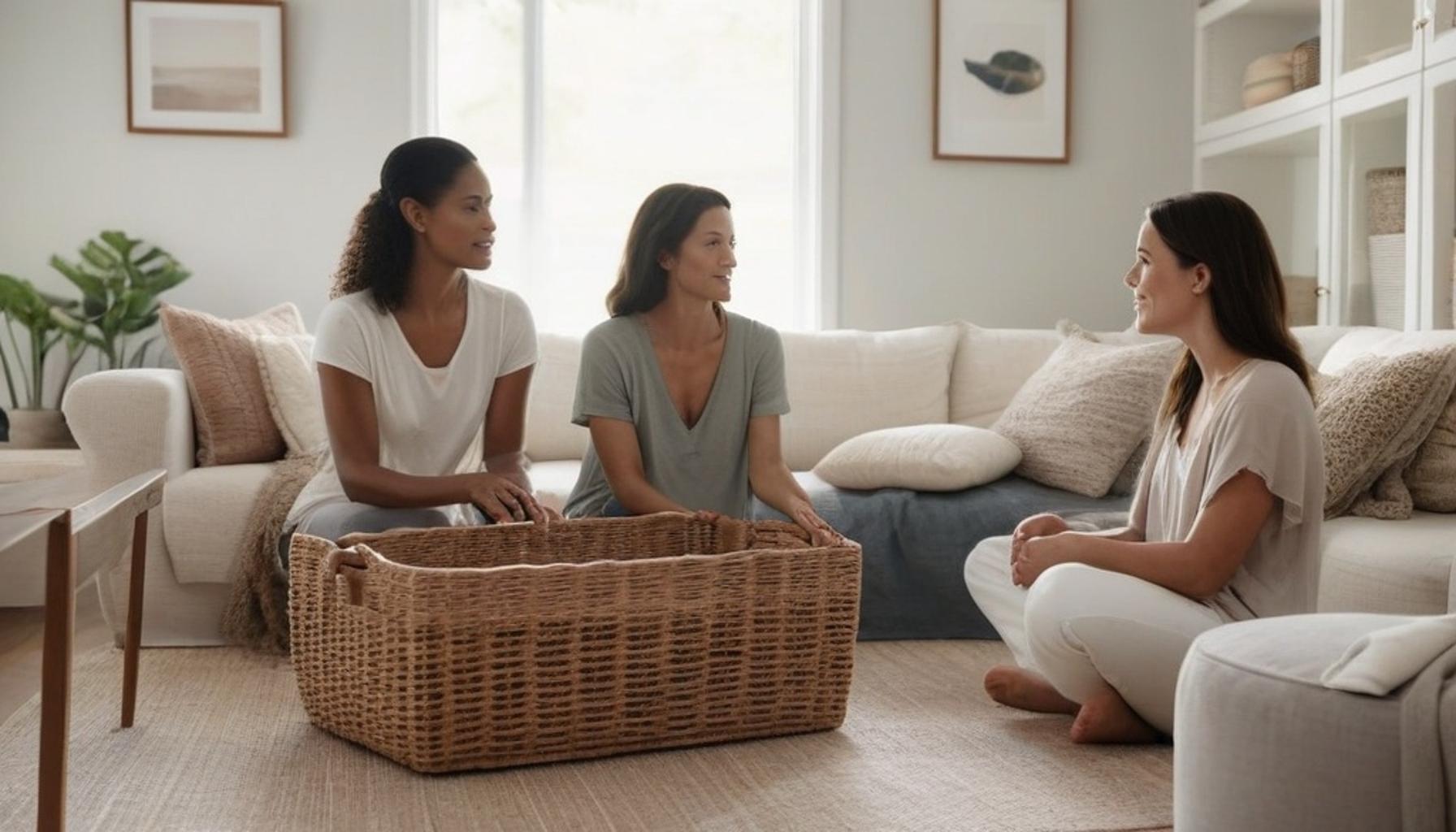
Yes, involving family members in mindfulness and space management can create a shared sense of responsibility and awareness. Encourage discussions about what items are truly necessary and introduce family rituals that promote organizing and decluttering together, fostering a cohesive and mindful living environment.

Beatriz
Beatriz Johnson is a seasoned minimalist and writer with a passion for simplifying the complexities of personal organization and intentional living. With over a decade of experience in decluttering strategies and mindful consumption, she specializes in topics like space optimization, habit simplification, and sustainable lifestyle choices. Through her work on our website, Beatriz empowers readers to embrace minimalism, reduce mental and physical clutter, and create more meaningful, organized lives in today's fast-paced world.