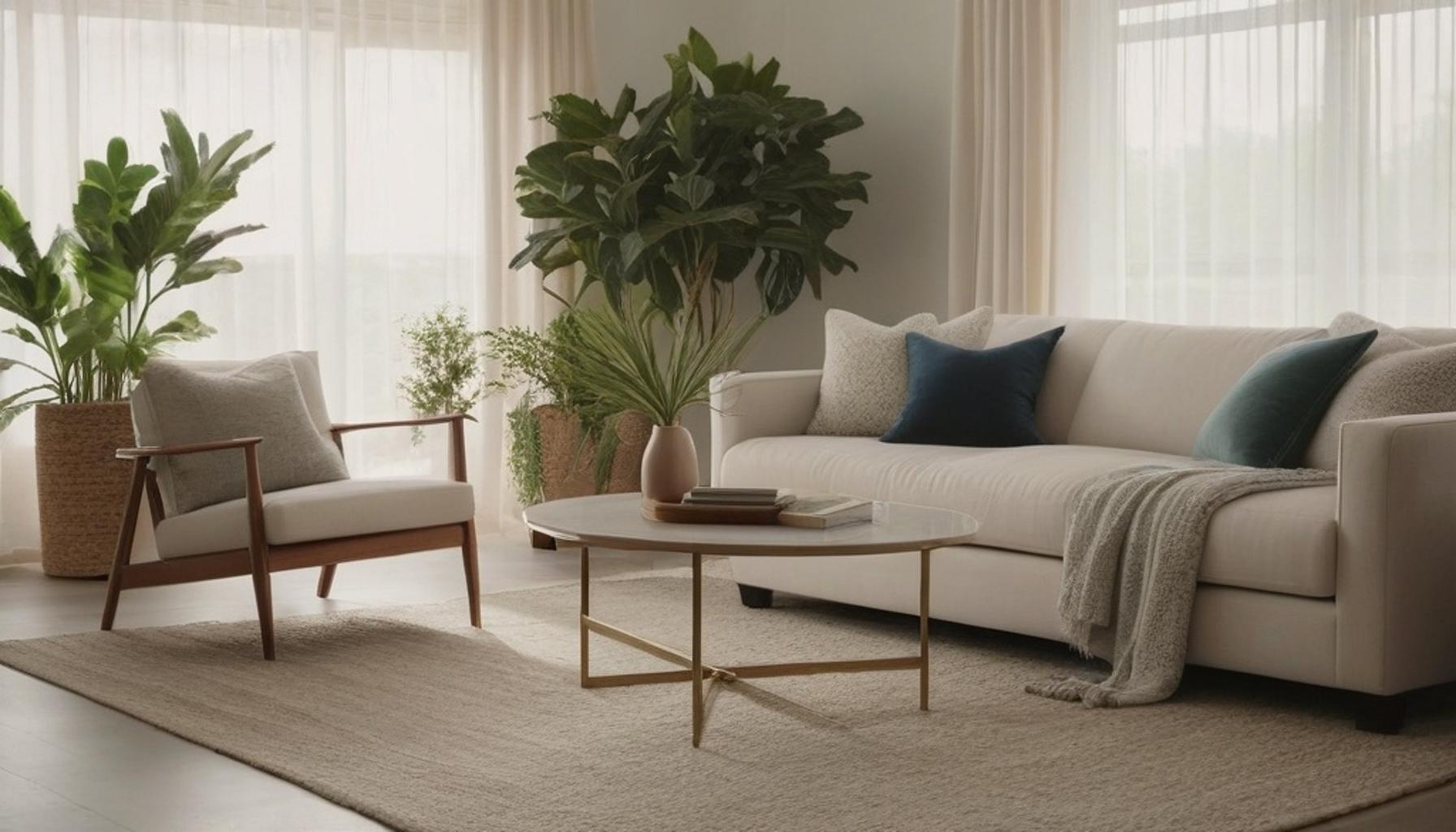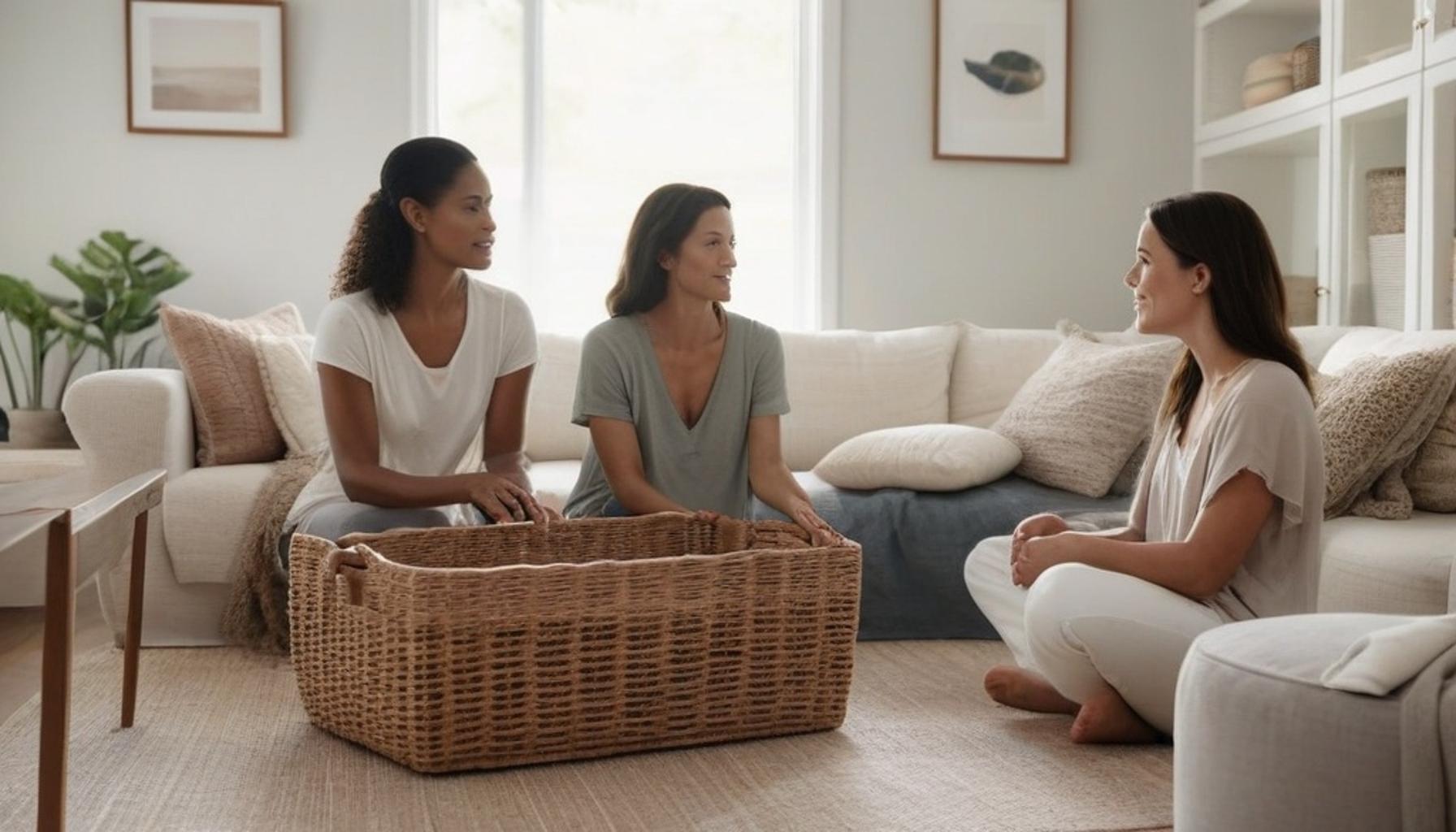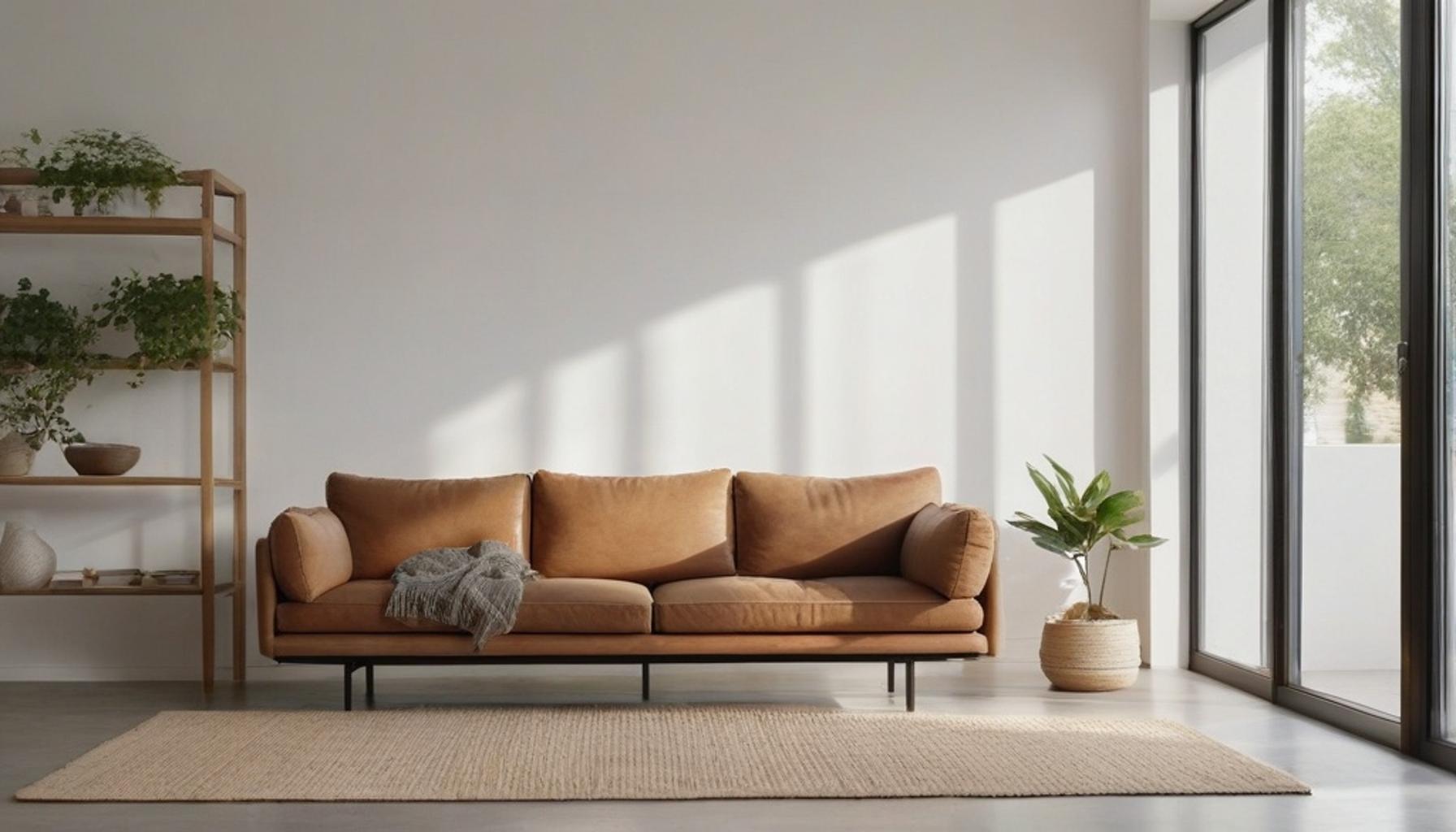
Mindful Decluttering Techniques for Efficient Living: Space Optimization in Small Spaces
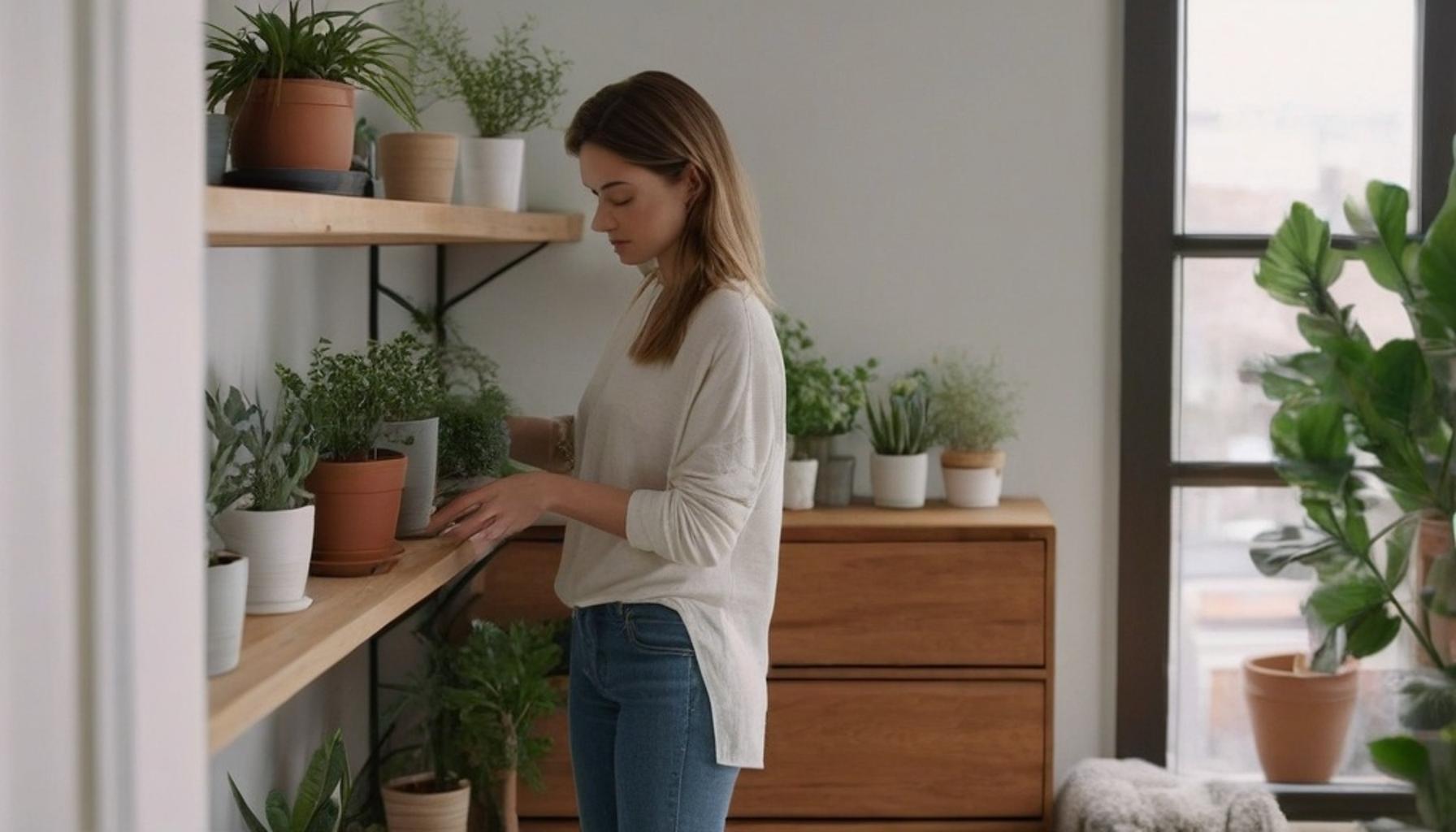
Rethinking Clutter in the Age of Tiny Living
Nearly 39% of American homeowners report feeling overwhelmed by clutter in their living spaces, according to recent housing surveys. As urban apartments shrink and rent prices climb from Brooklyn to San Francisco, the demand for smart solutions has never been higher. The phenomenon of “tiny living” is not just a trend; it’s an essential adaptation to modern challenges and economic realities.
This is where Mindful Decluttering Techniques come into play. Unlike aggressive purging methods that might leave you feeling deprived, this approach blends intentional awareness with practical organization strategies, empowering you to create a space that reflects who you are while managing what you own.
Why Small Spaces Need a Different Strategy
Living in a 500-square-foot studio in Chicago or a compact condo in Austin requires more than just tossing out old items. It demands a mindset shift toward space optimization in small spaces that respects both function and mental clarity. Maximizing a limited area requires creativity and planning to ensure every square foot serves its purpose.
Consider these common challenges renters and homeowners face daily:
- Overflowing closets filled with seasonal clothes and forgotten accessories, often rendering them unusable.
- Kitchen counters cluttered with duplicate gadgets, like multiple peelers and measuring cups, which make meal prep more complicated than it needs to be.
- Multi-purpose rooms lacking clear organizational zones, leading to confusion about how to use the space effectively.
- Sentimental items causing emotional decision paralysis, where the thought of parting with gifts or family heirlooms creates stress and confusion.
These issues aren’t merely cosmetic; they can have profound implications on our mental well-being. Research links cluttered environments to increased cortisol levels, making mindfulness and organization a necessary aspect of wellness—not just a passing design trend. Clutter can disrupt focus, increase anxiety, and lead to diminished productivity.
What This Article Will Explore
In the following sections, readers will discover actionable decluttering tips for small homes that go beyond generic advice. Strategies like the one-in-one-out rule, where every new item requires the departure of another, and vertical storage hacks that allow you to utilize wall space effectively, will be highlighted. Each technique is tailored to real American living situations, acknowledging the diverse landscapes we inhabit.
Whether you’re downsizing after a move or simply craving breathing room, these efficient living strategies offer a well-defined roadmap. Techniques such as using under-bed storage, embracing modular furniture, or employing opacity in visual designs will transform chaotic spaces into calm, functional homes. By understanding the importance of intentional clutter management, you can reclaim control over your living space, turning it into a sanctuary that promotes peace of mind and joy.
DIVE DEEPER: Click here for a clutter-free kitchen guide
# The Foundation: Assessing Your Space Before You PurgeBefore diving into bins and donation bags, successful practitioners of Mindful Decluttering Techniques pause to evaluate their space with intention. This preliminary step separates lasting transformation from temporary tidying that reverts to chaos within weeks.Professional organizers across major metropolitan areas—from cramped Manhattan studios to compact Seattle apartments—consistently emphasize one truth: you cannot organize clutter, you can only eliminate it. Understanding this distinction changes everything about how you approach small-space living.## Conducting a Room-by-Room AuditStart by walking through your home with fresh eyes, as if seeing it for the first time. Grab a notebook or your phone and document problem zones without judgment.Consider these audit categories that experts recommend examining:
- Items used daily versus those untouched for over six months, which often reveals surprising patterns about actual necessity.
- Duplicate tools or clothing serving identical purposes, particularly common in kitchens and closets.
- Storage areas that have become “dumping zones” rather than intentional systems, like that one drawer nobody wants to open.
- Furniture pieces that block natural pathways or make rooms feel smaller than they actually are.
This audit process directly supports space optimization in small spaces by identifying exactly where inefficiencies live, rather than guessing at solutions.## The Psychology Behind Letting GoMindfulness and organization intersect most powerfully when addressing the emotional weight objects carry. A 2022 study from the Journal of Environmental Psychology found that individuals who practiced reflective decision-making before discarding items reported 27% higher satisfaction with their decluttered spaces compared to those who purged impulsively.This matters especially in small American homes, where every retained item carries an opportunity cost. That vintage lamp taking up counter space in your Portland bungalow isn’t just physical clutter—it represents square footage you could reclaim for something functional.Minimalist living techniques encourage asking targeted questions: Does this serve my current life, or my past one? Would I purchase this again today?## Practical First Steps for Immediate ImpactAmong the most accessible decluttering tips for small homes is the “one category” method. Rather than tackling your entire apartment simultaneously—a common mistake leading to abandoned projects—select one category, like books or kitchen gadgets.This targeted approach yields visible results faster, maintaining motivation while establishing sustainable habits. It’s the difference between a weekend project and a lifestyle shift that actually sticks.
DISCOVER MORE: Click here for kitchen organization tips
Reimagining Storage Solutions in Small Spaces
Once an inventory of belongings is completed, the next pressing question arises: where can everything be stored? In this scenario, space optimization in small spaces shifts from merely eliminating items to strategically incorporating new solutions. While the square footage of a living area often seems fixed, the potential for leveraging cubic footage is vast and largely untapped.
Urban apartment residents, particularly in densely populated cities such as Chicago and San Francisco—where average studio apartments are often limited to around 500 square feet—have become innovators in vertical storage. These solutions allow them to maximize every inch, creating livable environments that defy conventional limitations.
Transforming Walls into Storage Solutions
Walls often go underutilized when it comes to storage. However, with creativity and strategic thinking, these surfaces can become prime real estate for functional organization. Wall-mounted shelving, pegboards, and even over-door organizers can convert this previously ignored vertical space into effective storage solutions.
For instance, in kitchens, magnetic knife strips can eliminate the need for bulky knife blocks, creating a cleaner counter space. In bathrooms, over-the-door shoe organizers can be repurposed to hold toiletries, efficiently utilizing storage that would otherwise be wasted.
Several vertical strategies have found favor among enthusiasts of efficient living strategies, including:
- Floating shelves installed near the ceiling for items that are only seasonal. By placing these higher, they maintain accessibility while decluttering lower areas.
- Modular cube systems that can be reconfigured to adapt to changing needs, offering flexibility that traditional fixed furniture does not provide.
- Tension rods set up inside kitchen cabinets for double-decker storage, effectively housing cleaning supplies or cutting boards in a way that maximizes space.
- Hooks mounted on the inside of closet doors serve as an excellent solution for storing bags, scarves, or jewelry that might otherwise turn into a jumbled mess in drawers.
Multi-Functional Furniture: A Shift in Mindset
When it comes to furniture selection, mindful decluttering techniques suggest that each piece should serve multiple purposes. Rather than merely looking for aesthetic appeal, every item must justify the space it occupies. This thought process aligns with the trend toward benefiting from multi-functional furniture arrangements.
Take, for example, storage ottomans that double as seating or coffee tables, Murphy beds that can be hidden away during the day, and expandable dining tables that become more accommodating for guests. According to a 2023 survey from the National Association of Home Builders, a significant 68% of buyers under the age of 35 prioritize this kind of multifunctionality, especially in homes smaller than 800 square feet. This statistic illustrates a significant shift in how younger American consumers view furniture—as tools for optimization rather than merely decorative items.
Addressing Digital Clutter
The concept of mindfulness and organization extends far beyond physical belongings; it also encompasses the digital realm. The prevalence of digital clutter—overstuffed inboxes, chaotic photo libraries, and cluttered desktops—can create a mental load comparable to physical disarray.
Applying the same reflective questioning to digital items is crucial. For example, one might ask, “Does this file serve a purpose?” or “Has this app been utilized in the past ninety days?” Engaging with both physical and digital clutter reinforces the broader philosophy behind minimalist living techniques, aiming to reduce friction in our lives, whether it resides in a messy drawer or an overcrowded desktop.
Thus, reimagining storage in small spaces is not merely about existing arrangements but about envisioning how to make even the most compact areas work harder for you, contributing to a more organized and mindful life.
Bringing It All Together: A Lifestyle, Not a One-Time Project
Across America, from converted lofts in Brooklyn to compact bungalows in Austin, a quiet revolution is reshaping how people relate to their belongings. Mindful decluttering techniques have proven to be far more than a passing organizational trend—they represent a fundamental recalibration of how space, time, and mental energy intersect within the home.
Throughout this exploration, one theme has remained constant: intentionality outperforms accumulation. Whether evaluating a kitchen drawer or a digital photo library, the same guiding question applies—does this item, file, or object genuinely serve the life being lived right now?
The strategies discussed illustrate that space optimization in small spaces is not about deprivation but about precision. Vertical storage, multi-functional furniture, and digital decluttering all point toward a singular goal: making every square foot, and every moment of decision-making, count.
Why Small Changes Yield Outsized Results
What makes these decluttering tips for small homes particularly compelling is their scalability. A single floating shelf or a repurposed ottoman may seem minor, but collectively, these adjustments compound into a noticeably calmer, more functional living environment.
Industry data consistently supports this shift. As more Americans embrace smaller footprints—whether by choice or economic necessity—the demand for adaptable, purpose-driven design continues to climb, signaling that this movement is far from a passing fad.
Ultimately, mindfulness and organization work in tandem, reminding us that clarity in physical space often mirrors clarity of mind. By adopting efficient living strategies and embracing minimalist living techniques, individuals are not simply rearranging furniture—they are redesigning how they experience daily life, one intentional decision at a time.
Frequently Asked Questions
What are some effective mindful decluttering techniques for small apartments?
Effective mindful decluttering techniques for small apartments include the ‘one in, one out’ rule, where you remove an item for every new item you bring in. Additionally, consider the ‘four-box method’ where you categorize items into keep, donate, sell, and trash. This helps you make conscious decisions about what you truly need.
How can I prioritize what to keep when decluttering my small space?
To prioritize what to keep, ask yourself if each item serves a purpose or brings you joy. The Marie Kondo method encourages you to handle each item and assess its value in your life. If it doesn’t spark joy or isn’t essential, consider letting it go.
What tips can help me maintain a clutter-free environment after decluttering?
To maintain a clutter-free environment, establish a regular tidying schedule, such as a weekly check-in to reassess your space. Implement the ’10-minute tidy’ routine daily, where you spend just ten minutes putting things away. This consistent effort can prevent clutter from building up again.
Are there specific storage solutions that complement mindful decluttering in small spaces?
Yes, utilizing multifunctional furniture is a great storage solution for small spaces. Items like ottomans with hidden storage or beds with built-in drawers can optimize your space while promoting mindful decluttering. Additionally, vertical storage solutions like wall shelves or hanging organizers can maximize wall space.
How can I involve my family in the mindful decluttering process effectively?
Involving your family in the mindful decluttering process can start with setting a family decluttering day where everyone participates together. Encourage open discussions about the importance of decluttering and let each family member share their attachment to items they want to keep, fostering a collaborative environment. Making it a fun activity with rewards for completing tasks can also motivate everyone.
What psychological benefits can I expect from practicing mindful decluttering techniques?
Practicing mindful decluttering techniques can lead to reduced stress and anxiety as you create a calmer, more organized living environment. Many people experience increased clarity and focus, allowing for improved productivity and creativity. Furthermore, letting go of unnecessary possessions can create a sense of freedom and empowerment.

Beatriz
Beatriz Johnson is a seasoned minimalist and writer with a passion for simplifying the complexities of personal organization and intentional living. With over a decade of experience in decluttering strategies and mindful consumption, she specializes in topics like space optimization, habit simplification, and sustainable lifestyle choices. Through her work on our website, Beatriz empowers readers to embrace minimalism, reduce mental and physical clutter, and create more meaningful, organized lives in today's fast-paced world.