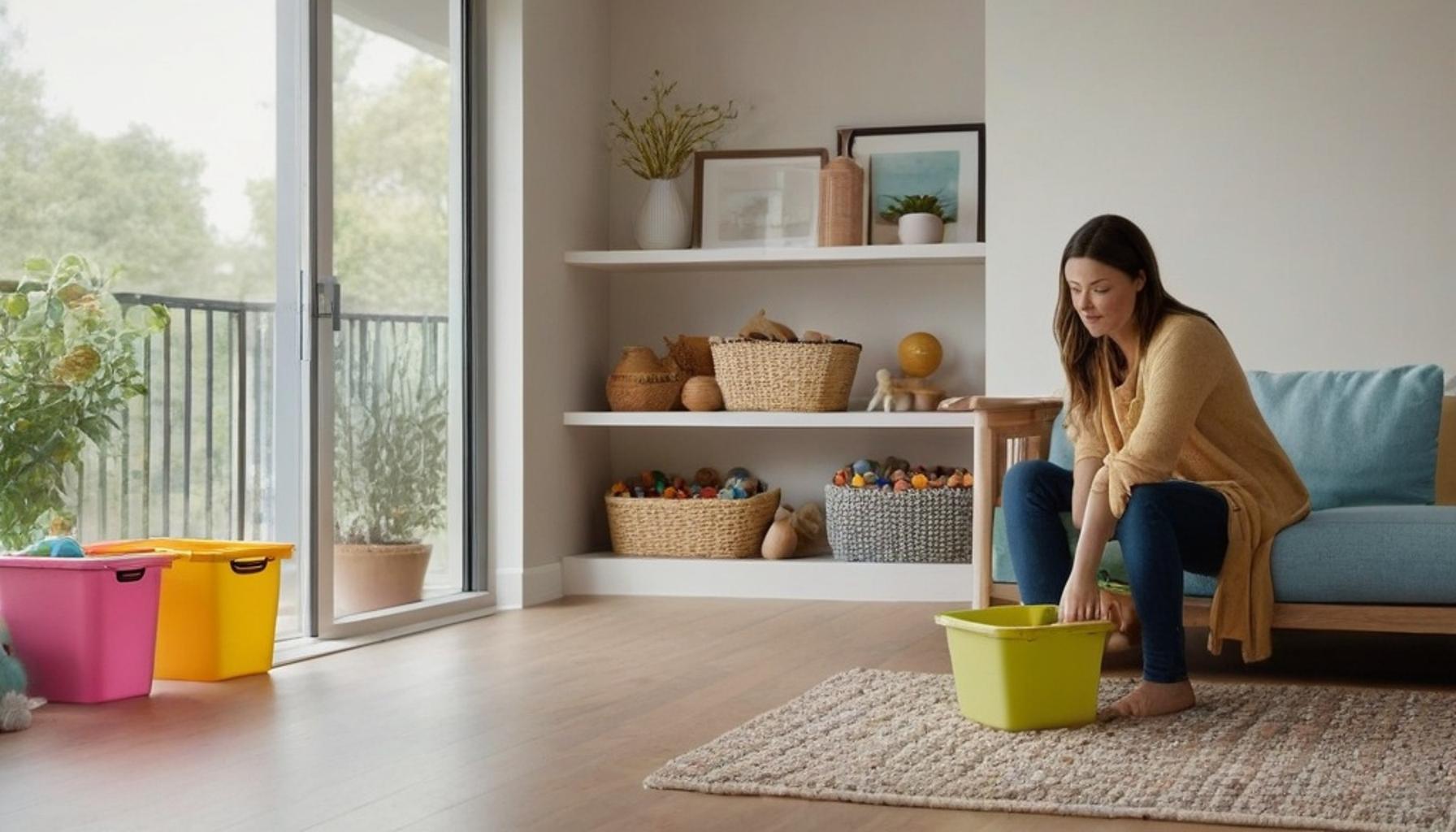
The Impact of Clutter Reduction on Mental Health and Well-Being

Understanding the Impact of Clutter on Mental Health
Americans own more belongings than any previous generation, with estimates indicating that the average household is filled with over 300,000 items. This phenomenon is unique to modern times, reflecting our consumer-driven culture and the pursuit of convenience. However, as homes burst at the seams with possessions, emerging research reveals a discomforting reality: the connection between clutter reduction and mental health is much more profound than commonly recognized.
The chaotic stacks of unopened mail on your kitchen counter may be more than just a visual distraction; they can act as a catalyst for increasing stress hormones and distracting your attention from more critical tasks. This situation illustrates a broader problem many face in today’s fast-paced world, where the accumulation of physical items can weigh heavily on mental clarity.
The Hidden Cost of a Cluttered Life
Research conducted by scientists at UCLA has provided substantial evidence linking clutter to elevated stress levels. Their studies found that women who characterized their homes as “cluttered” experienced significantly higher levels of cortisol, a key hormone associated with stress, throughout their day. This tangible connection between clutter and anxiety not only highlights a serious mental health concern but also suggests that our environments profoundly influence our emotional states.
Excess belongings can trigger a variety of detrimental effects, including:
- Heightened feelings of overwhelm and decision fatigue, making daily tasks feel insurmountable.
- Reduced concentration, leading to difficulty in completing tasks efficiently.
- Increased procrastination and avoidance behaviours, as the presence of clutter can create a mental block.
- Disrupted sleep quality due to visual chaos in living spaces, particularly in bedrooms where cleanliness can promote relaxation.
Conversely, the mental health benefits of decluttering are garnering serious attention from therapists and researchers. Many mental health professionals now advocate for organized spaces as a means to promote emotional well-being.
What This Article Will Explore
This article will delve into the scientific underpinnings of reducing clutter for better well-being, featuring psychological studies and real-world examples that illustrate the profound impact of our environments. Readers will learn about the surprising influence of organization on mental health, ranging from improved sleep to enhanced decision-making abilities.
Furthermore, we will unpack the tangible benefits of a tidy space, providing practical, actionable strategies anyone can implement starting today. The evidence strongly indicates that clearing physical space could serve as one of the most overlooked pathways to achieving a clearer mind, fostering not only productivity but also emotional stability in the process.
YOU MAY ALSO LIKE: Efficient Living: Innovative Space Management Ideas for Small Apartments
Understanding the Connection Between Clutter and Mental Health
The implications of clutter extend far beyond simple aesthetics; they delve deeply into the realms of psychology and neuroscience. At Princeton University, researchers employing cutting-edge functional MRI technology unveiled remarkable insights into how our brains react to cluttered environments. Their research revealed a compelling correlation: when multiple stimuli vie for attention in one’s visual field, cognitive processing capabilities decline significantly. This suggests that overflowing closets or messy desks do more than disrupt our visual landscape—they challenge our mental processing, actively drawing upon cognitive resources and limiting our capacity for focus and productivity.
This groundbreaking research highlights the intricate relationship between clutter reduction and mental health, a topic that has garnered increasing interest within scientific and therapeutic communities. By clearing out visual chaos, the brain conserves energy that would otherwise be spent filtering distractions, thereby liberating mental bandwidth for more meaningful tasks and emotional well-being.
Clutter as a Silent Trigger for Anxiety
The impact of clutter on mental health often manifests in subtle yet pervasive ways that many individuals struggle to identify. A revealing survey from the National Association of Productivity and Organizing Professionals indicates that 54 percent of Americans feel overwhelmed by their clutter, while a staggering 78 percent lack effective strategies to manage it. This sense of confusion and helplessness can lead to a vicious cycle: clutter breeds anxiety, and heightened anxiety further complicates the task of confronting the clutter.
Common psychological responses to cluttered spaces include:
- A persistent sense of guilt or shame about one’s living conditions, which can sap motivation.
- Feelings of confinement or inability to relax even within the supposed comfort of one’s home.
- Social withdrawal, as individuals may shy away from hosting events due to embarrassment about their living spaces.
- A diminished sense of control, which can permeate various aspects of life, exacerbating stress and discontent.
Dr. Sherrie Bourg Carter, a psychologist who has extensively examined the interplay between clutter and psychological distress, explains that a cluttered home sends constant signals of incompleteness. This low-level alert can trigger a chronic state of stress and anxiety, keeping individuals in a perpetual fight-or-flight response. Over time, this relentless state can contribute to formal mental health challenges, such as anxiety disorders and depression.
Rethinking Our Relationship With Possessions
Addressing the impact of organization on mental health necessitates a careful examination of why many Americans amass so much clutter in the first place. Cultural factors such as aggressive marketing strategies, the ready availability of credit, and the ubiquity of online shopping have fostered a mentality in which acquiring more becomes instinctual. This societal norm encourages both unnecessary consumption and the stubborn accumulation of items that often go unused.
Consider how our homes can transform into unintentional storage units, where functional living spaces become overwhelmed by possessions. The psychological burden this imposes can be profound, leading individuals to feel trapped under the weight of their belongings. Recognizing and understanding this pattern is a crucial first step toward reducing clutter for better well-being. Because when individuals begin to declutter, they are not just tidying up physical spaces; they are also initiating a crucial journey of self-improvement and emotional healing.
In conclusion, the science highlights that reducing clutter is more than a chore; it’s a pathway to enhanced mental health and emotional stability. Engaging with this process can lead to a renewed sense of control and calmness in our lives, allowing us to redirect our energies toward more fulfilling pursuits. By prioritizing decluttering as a form of self-care, we open doors to a healthier, more focused existence.

YOU MAY ALSO LIKE: Intentional Living: Organizing Your Home with Smart Storage Hacks
The Measurable Benefits of a Tidy Space
Once individuals begin to grasp how deeply clutter affects their psychological state, the natural next step is understanding what happens when they take action. The mental health benefits of decluttering are not merely anecdotal; they are increasingly backed by measurable, quantifiable data from researchers across the country.
A study published in the Personality and Social Psychology Bulletin found that women who described their homes as cluttered or full of unfinished projects experienced higher levels of cortisol, the body’s primary stress hormone, throughout the day. Conversely, those who described their homes as restful and restorative showed healthier cortisol patterns and reported greater life satisfaction. This suggests that the benefits of a tidy space reach far beyond appearances, actually influencing our biochemistry.
Sleep, Focus, and Emotional Regulation
Clutter’s reach extends into some of the most fundamental aspects of daily functioning, including how well we rest and concentrate. The National Sleep Foundation has reported that individuals who make their beds and maintain tidy bedrooms are significantly more likely to report consistently good sleep compared to those living amid disorganized surroundings.
Poor sleep, in turn, compounds existing struggles with clutter and anxiety, creating a feedback loop that can be difficult to break without intentional intervention. Beyond sleep, decluttering has been linked to:
- Improved ability to concentrate on single tasks without unnecessary mental fatigue.
- Enhanced emotional regulation, with fewer sudden outbursts of frustration or irritability.
- Greater feelings of accomplishment, which can boost overall self-esteem and motivation.
- Reduced decision fatigue, since fewer possessions mean fewer daily choices to make.
Occupational therapists across the United States have also begun incorporating organizational strategies into treatment plans for clients dealing with attention-related disorders, recognizing that a simplified environment can meaningfully support cognitive functioning.
Real-World Applications and Community Movements
Interest in these findings has fueled a broader cultural shift. Minimalist lifestyle movements, downsizing trends among retirees, and the popularity of professional organizing services all reflect growing public awareness of the impact of organization on mental health.
Cities like Seattle and Portland have even seen a rise in community-based decluttering workshops, where residents swap unwanted items and learn sustainable organizing habits together. These grassroots efforts underscore a simple truth: clutter reduction mental health improvements are not reserved for those who can afford expensive consultants.
Simple, consistent habits—like the “one in, one out” rule or dedicating fifteen minutes daily to tidying a single area—can yield meaningful psychological rewards over time. For many, the true value lies not in achieving a picture-perfect home, but in cultivating a space that genuinely supports calm, clarity, and everyday resilience.
Reclaiming Space, Reclaiming Peace of Mind
The evidence gathered from psychologists, occupational therapists, and everyday households across the country points to a conclusion that is difficult to ignore: our physical surroundings and our inner emotional lives are deeply intertwined. Clutter reduction mental health outcomes are not a passing wellness trend but a reflection of how the brain processes stimuli, stress, and a sense of control.
Throughout this discussion, one theme has remained constant. Whether examining cortisol levels, sleep quality, or emotional regulation, the mental health benefits of decluttering consistently emerge as tangible and measurable, not simply a matter of personal preference or aesthetics.
It would be easy to dismiss tidiness as a superficial concern, yet the data suggests otherwise. The connection between clutter and anxiety reveals how much our environments silently shape our moods, our focus, and even our relationships with the people we share space with.
Looking ahead, researchers are beginning to explore how digital clutter, overflowing inboxes, cluttered desktops, and endless notifications, might carry similar psychological weight as physical mess. This expanding definition suggests that reducing clutter for better well-being may soon become a broader conversation about attention, technology, and modern life.
For now, the takeaway remains encouragingly simple. The impact of organization on mental health does not require a complete home overhaul or a significant financial investment. Small, sustainable changes, a cleared countertop, a donated box of old clothes, a made bed, can accumulate into real psychological relief.
Ultimately, the benefits of a tidy space extend beyond appearances, offering something increasingly rare in modern life: a quiet, physical reminder that calm and clarity are still within reach.
Frequently Asked Questions
How does clutter reduction directly affect mental health?
Clutter reduction can significantly decrease feelings of anxiety and stress by creating a more organized and peaceful living environment. When physical clutter is minimized, individuals often experience improved focus, reduced distractions, and a greater sense of control over their surroundings.
Can clutter reduction improve productivity and motivation?
Yes, reducing clutter can lead to enhanced productivity and motivation. A clean, organized space allows for better concentration and helps free up mental energy, making it easier to tackle tasks and stay motivated throughout the day.
What are some psychological benefits of a clutter-free environment?
A clutter-free environment can foster a sense of calm and clarity, helping to improve overall mood. It can also promote feelings of accomplishment and satisfaction, as organizing and decluttering can serve as a tangible goal that positively impacts mental well-being.
Are there specific steps to take for effective clutter reduction to boost mental health?
To effectively reduce clutter for better mental health, start by identifying high-traffic areas and reducing items that no longer serve a purpose. Break the decluttering process into manageable tasks, such as focusing on one room at a time, and set clear goals for what to keep, donate, or discard to create a more soothing space.

Beatriz
Beatriz Johnson is a seasoned minimalist and writer with a passion for simplifying the complexities of personal organization and intentional living. With over a decade of experience in decluttering strategies and mindful consumption, she specializes in topics like space optimization, habit simplification, and sustainable lifestyle choices. Through her work on our website, Beatriz empowers readers to embrace minimalism, reduce mental and physical clutter, and create more meaningful, organized lives in today's fast-paced world.