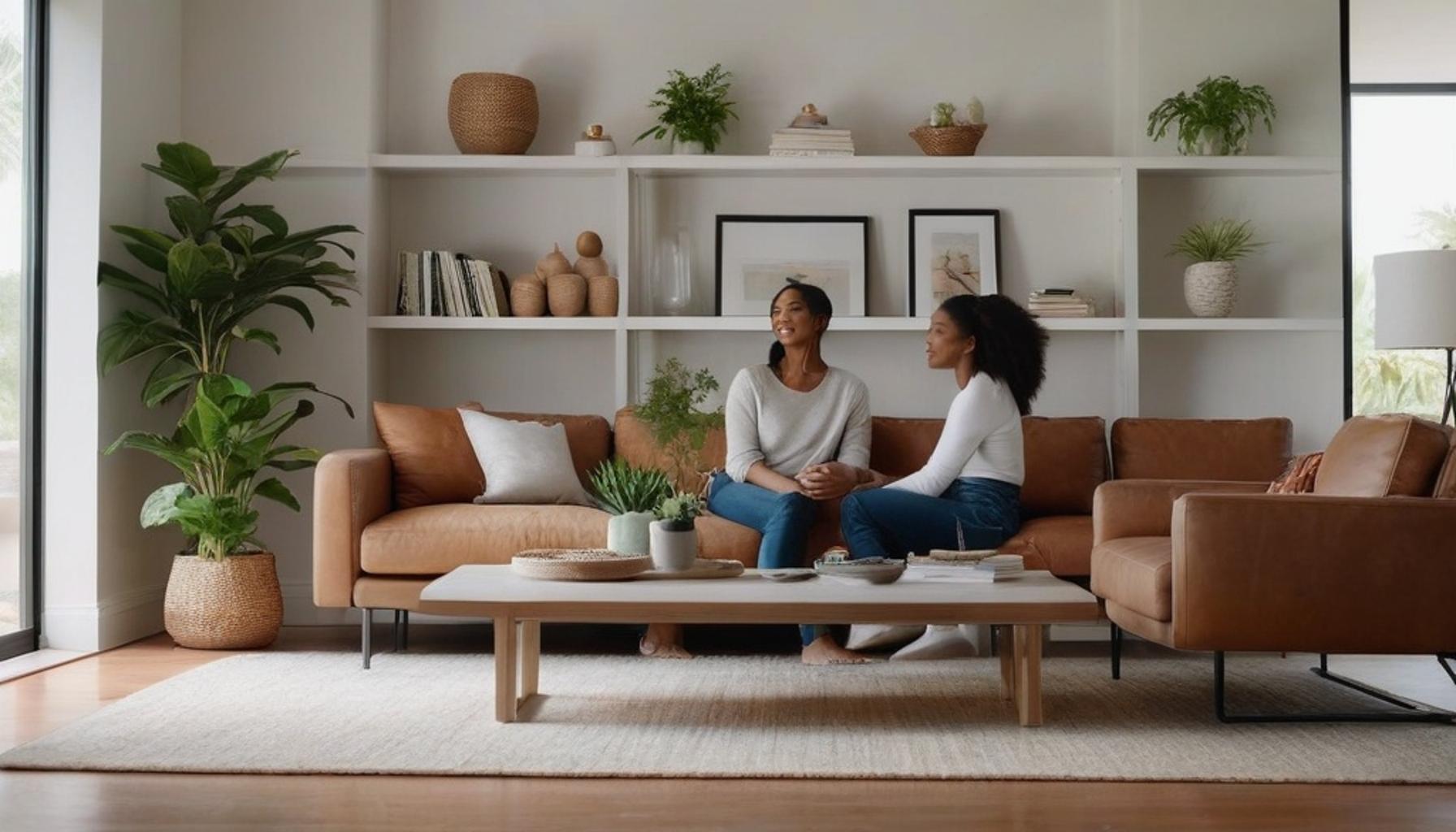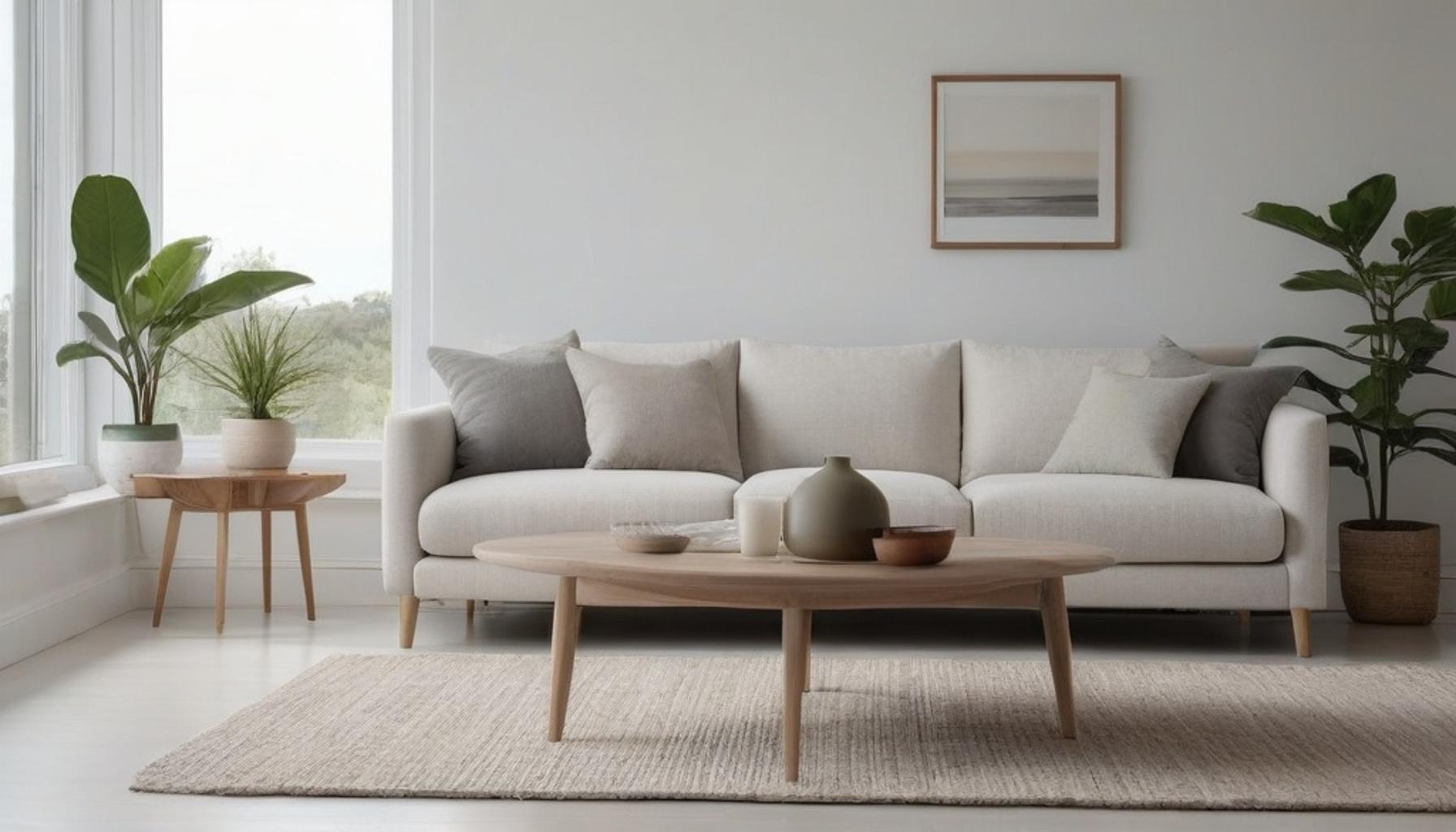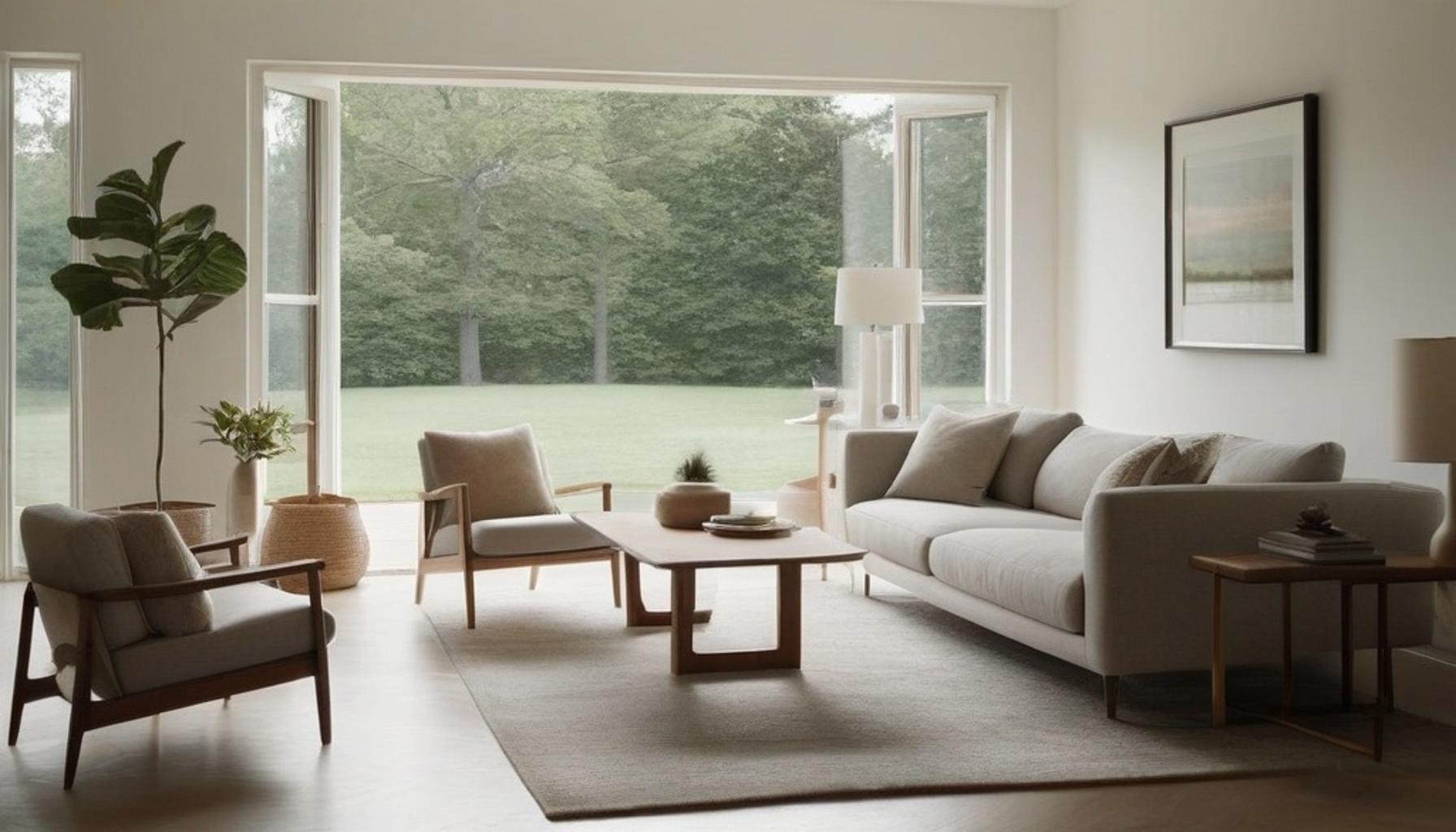
The Art of Living with Less: How Space Optimization Transforms Minimalist Environments
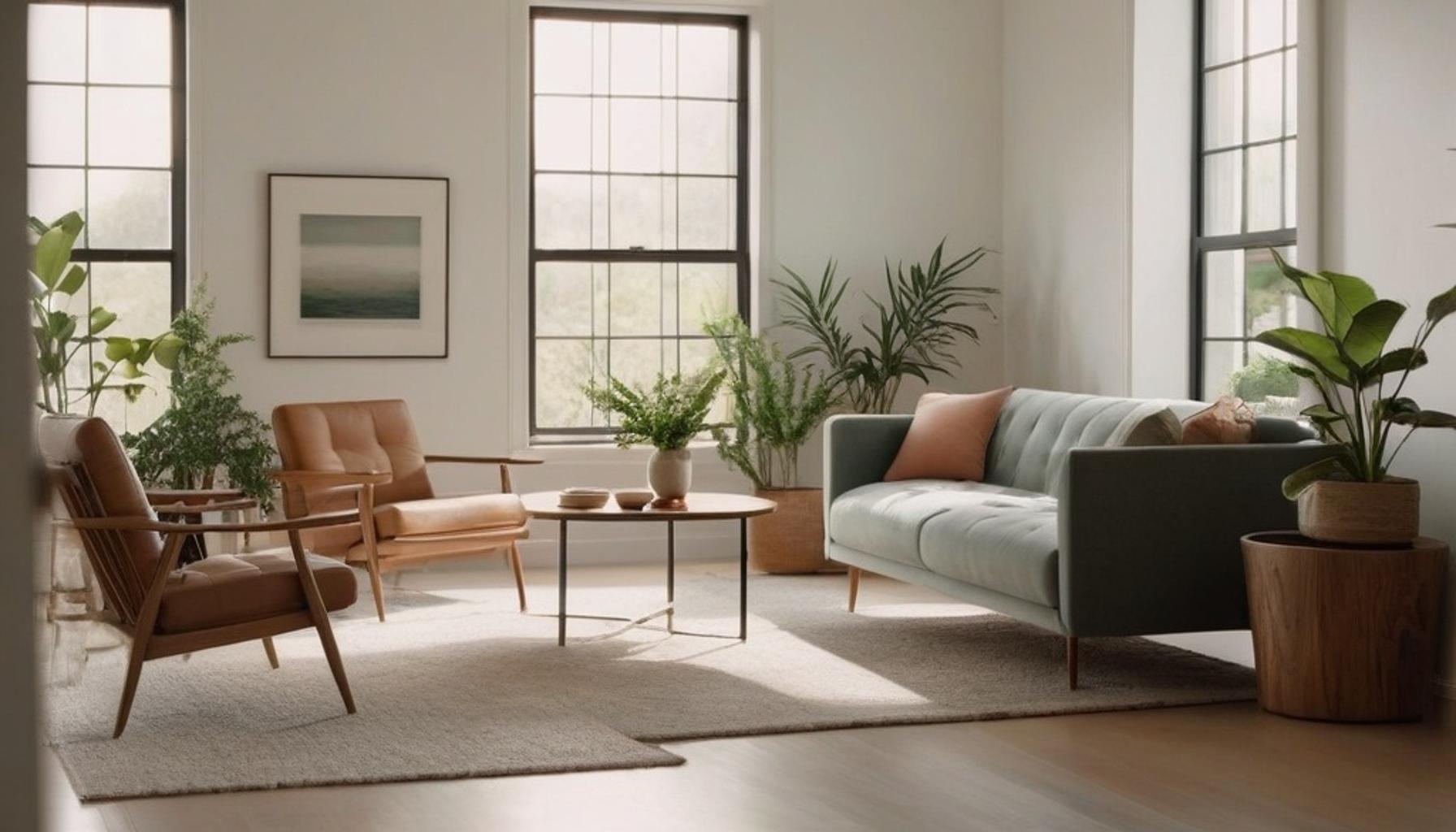
Across the United States, apartment sizes have shrunk by nearly 8% over the past decade, according to housing data from RentCafe. Yet more Americans than ever are embracing tighter footprints without sacrificing comfort or style. This phenomenon reflects shifting societal values that prioritize experiences over possessions, encouraging people to rethink their living spaces.
The secret lies in space optimization minimalist design, a philosophy that treats every square foot as an opportunity rather than a limitation. Rather than viewing small spaces as confining, this approach encourages creative thinking about how to use every nook effectively. For example, many residents use multifunctional furniture, such as a sofa that converts into a bed or an ottoman that doubles as storage, making it possible to maintain aesthetics while maximizing utility.
Why This Trend Is Gaining Momentum
From Brooklyn micro-studios to Austin tiny homes, homeowners are discovering that less clutter often means more freedom. This shift isn’t just aesthetic; it’s deeply practical. The growing trend towards smaller living spaces aligns with a number of compelling reasons that resonate with many individuals today.
- Financial relief: Smaller spaces mean lower utility bills and reduced furniture costs, making housing more affordable in urban areas where costs are skyrocketing. For instance, a tiny home can drastically reduce monthly expenses, providing occupants with the financial flexibility to invest in experiences or save for future endeavors.
- Mental clarity: Studies link clutter to increased cortisol levels and anxiety, suggesting that a minimalist approach can promote mental well-being. A clean and organized space often leads to a more focused and calm mindset, allowing for greater productivity in both personal and professional spheres.
- Environmental impact: Minimalist households typically consume fewer resources, aligning with the growing movement towards sustainable living. By reducing consumption, homeowners contribute to a more sustainable future, which is increasingly important in today’s climate-conscious society.
These aren’t abstract promises; they’re measurable outcomes reshaping how people design kitchens, bedrooms, and home offices nationwide. Innovations in modular furniture and storage solutions are being embraced as essential components of modern living.
What This Article Will Explore
This piece dives into practical minimalist living tips that go beyond simply owning fewer things. Readers will discover proven decluttering techniques used by professional organizers and architects alike. For instance, the KonMari Method encourages individuals to keep only items that “spark joy,” promoting a thoughtful approach to ownership.
We’ll also examine specific home organization ideas for optimizing small spaces, such as vertical storage solutions, which can open up floor space while keeping essentials easily accessible. Furthermore, the science-backed benefits of minimalism on wellbeing and productivity are compelling enough to inspire anyone to reconsider their living arrangements.
Whether you’re navigating a 400-square-foot studio or simply craving a calmer home, the strategies ahead offer real, actionable solutions worth investigating further. Embracing minimalism doesn’t just change your space; it has the potential to transform aspects of your life that extend far beyond the walls of your home.
SEE ALSO: Maximizing Small Spaces: Smart Storage Solutions for a Clutter-Free Home
# Rethinking Every Square Foot: The Foundations of Smart DesignWalk into any well-designed micro-apartment today, and you’ll notice something surprising: it doesn’t feel small. That’s not an accident. It’s the result of deliberate space optimization minimalist principles applied with precision, transforming what could feel cramped into something that feels intentional and open.Architects and interior designers who specialize in compact living often point to a foundational truth: the problem with small spaces isn’t usually square footage, it’s poor planning. A 500-square-foot apartment designed thoughtfully can outperform a cluttered 1,200-square-foot home in terms of livability and flow.
The Core Principles Behind Optimizing Small Spaces
Successful minimalist environments typically rely on a handful of repeatable strategies. These aren’t abstract design theories; they’re practical, tested approaches that homeowners across the country are adopting.
- Vertical thinking: When floor space runs out, walls become the answer. Floor-to-ceiling shelving, wall-mounted desks, and hanging storage systems free up significant square footage without requiring any structural changes.
- Multi-purpose zoning: A single room can serve multiple functions when furniture is chosen strategically. A daybed in a home office, for example, allows one space to handle both work and rest without feeling divided.
- Visual continuity: Designers frequently recommend limiting color palettes and material choices throughout a space. Fewer visual interruptions create an illusion of openness, even in tight quarters.
- Concealed storage: Built-in cabinetry, under-bed drawers, and staircase storage keep belongings accessible yet invisible, reducing visual clutter significantly.
These techniques aren’t just theoretical. According to a 2023 survey by the National Association of Home Builders, nearly 60% of buyers under 35 specifically requested built-in storage solutions when purchasing or renovating homes, a clear signal that home organization ideas centered on efficiency are shaping real estate decisions nationwide.
Why Small Spaces Demand Bigger Creativity
There’s an important distinction between simply having less and living well with less. The former can feel like deprivation. The latter, when executed through smart design, feels liberating.This is where minimalist living tips become essential rather than optional. Choosing a bed frame with built-in drawers, or a dining table that folds flat against a wall when not in use, isn’t about sacrifice. It’s about recognizing that every object in a small space must justify its presence, either through function, necessity, or genuine value.The result is a home that works harder, looks cleaner, and feels considerably less stressful to inhabit than one filled with items that serve no clear purpose.
SEE ALSO: The Art of Minimalist Living: Effective Decluttering Techniques for Home Organization
# The Psychology of Less: How Decluttering Techniques Reshape Daily LifeBeyond the physical mechanics of furniture placement and storage solutions lies something more profound: the mental shift that occurs when clutter disappears. Researchers at Princeton University’s Neuroscience Institute found that visual clutter competes for attention in the brain, literally reducing our ability to focus and process information efficiently.This finding helps explain why so many people report feeling calmer after adopting decluttering techniques. It’s not simply aesthetic preference. It’s neurological relief.
The Measurable Benefits of Minimalism
The benefits of minimalism extend well beyond a tidier living room. Consumer psychologists have documented several tangible outcomes among those who commit to intentional, decluttered living.
- Reduced decision fatigue: Fewer possessions mean fewer daily choices about what to wear, use, or maintain, freeing up mental bandwidth for more important decisions.
- Lower cleaning time: Homeowners who’ve minimized their belongings report spending up to 40% less time on weekly cleaning routines, according to organizing consultants surveyed by the National Association of Productivity and Organizing Professionals.
- Financial clarity: When every purchase requires justification, impulse spending tends to decrease, often resulting in stronger savings habits over time.
- Improved sleep quality: Bedrooms designed with minimalist principles, free of screens, excess furniture, and visual noise, have been linked to faster sleep onset in multiple consumer wellness studies.
Practical Steps for Optimizing Small Spaces
For those ready to begin, experts suggest starting small rather than attempting a complete overhaul in one weekend. Sustainable change tends to outlast dramatic, short-lived purges.A popular approach involves the “one-in, one-out” rule: for every new item brought into the home, one existing item must leave. This simple practice keeps possessions in check without requiring constant, exhausting reassessment.Another widely used method is the 90/90 rule, popularized by minimalist advocates Joshua Fields Millburn and Ryan Nicodemus. If an item hasn’t been used in the past 90 days and isn’t likely to be used in the next 90, it’s probably safe to let go.These home organization ideas work because they replace vague intentions with clear, repeatable criteria. Optimizing small spaces isn’t about willpower alone; it’s about building systems that make good decisions automatic.Cities like San Francisco and New York, where average apartment sizes rank among the smallest in the nation, have become unofficial testing grounds for these strategies, with many residents adapting decluttering routines simply as a matter of practical survival rather than trend-following.
YOU MAY ALSO LIKE: Vertical Storage Strategies: Transforming Your Home with Smart Shelving Ideas
Rethinking What “Enough” Really Means
The journey through space optimization minimalist living reveals something unexpected: less isn’t a sacrifice, it’s a recalibration. What begins as a practical response to small square footage often evolves into a deeper reconsideration of what actually adds value to daily life.
From the neuroscience of visual clutter to the measurable time savings reported by organizing professionals, the evidence points in one consistent direction. Intentional living isn’t a passing aesthetic trend, it’s a functional response to modern overconsumption and shrinking urban living spaces.
Bringing It All Together
The benefits of minimalism discussed throughout this piece, reduced decision fatigue, financial clarity, improved sleep, and reclaimed time, don’t happen overnight. They build gradually through consistent decluttering techniques like the one-in, one-out rule and the 90/90 method.
What makes these minimalist living tips effective isn’t complexity. It’s repeatability. Systems that remove guesswork tend to outlast motivation-driven purges that fizzle out after a few weekends.
For renters in dense cities or homeowners simply craving more breathing room, optimizing small spaces is no longer a niche pursuit. It has become a practical necessity shaping how Americans furnish, store, and even think about their homes.
The broader lesson may be this: home organization ideas succeed not because they promise a perfect, magazine-ready room, but because they restore a sense of control. In a culture saturated with more, choosing less might be the most quietly radical decision a household can make.
Frequently Asked Questions
What is space optimization minimalist and how does it relate to minimalist living?
Space optimization minimalist refers to the strategic arrangement of items in a living space to enhance functionality and aesthetics while minimizing clutter. It plays a crucial role in minimalist living by ensuring that every piece in the environment serves a purpose, allowing for a cleaner and more peaceful atmosphere.
How can I start implementing space optimization minimalist techniques in my small apartment?
To implement space optimization minimalist techniques in your small apartment, begin by decluttering and identifying essential items. Use multi-functional furniture, vertical storage solutions, and open shelving to maximize your space’s potential while keeping the environment airy and organized.
What are some common mistakes to avoid when optimizing space in a minimalist setting?
Common mistakes include over-furnishing the space, keeping items that don’t serve a real purpose, and failing to utilize vertical space effectively. It’s also easy to underestimate the importance of visual organization; make sure that your chosen decor enhances rather than overwhelms your environment.
Can space optimization minimalist help improve mental well-being?
Yes, space optimization minimalist can significantly improve mental well-being by reducing visual clutter and creating a calming environment. A well-organized space can lead to less stress, allowing for greater focus and tranquility in day-to-day living.
What are some effective storage solutions for space optimization minimalist?
Effective storage solutions for space optimization minimalist include using furniture with built-in storage, like ottomans or beds with drawers, and installing shelves to utilize vertical areas. Baskets and bins can help keep items tidy and accessible while maintaining a clean look throughout the space.
How can I maintain a space-optimized minimalist environment long-term?
To maintain a space-optimized minimalist environment long-term, routinely evaluate your belongings and remove any items that no longer align with your lifestyle. Adopt the ‘one in, one out’ rule for new purchases and regularly assess your layout to ensure it continues to serve your needs effectively.

Beatriz
Beatriz Johnson is a seasoned minimalist and writer with a passion for simplifying the complexities of personal organization and intentional living. With over a decade of experience in decluttering strategies and mindful consumption, she specializes in topics like space optimization, habit simplification, and sustainable lifestyle choices. Through her work on our website, Beatriz empowers readers to embrace minimalism, reduce mental and physical clutter, and create more meaningful, organized lives in today's fast-paced world.