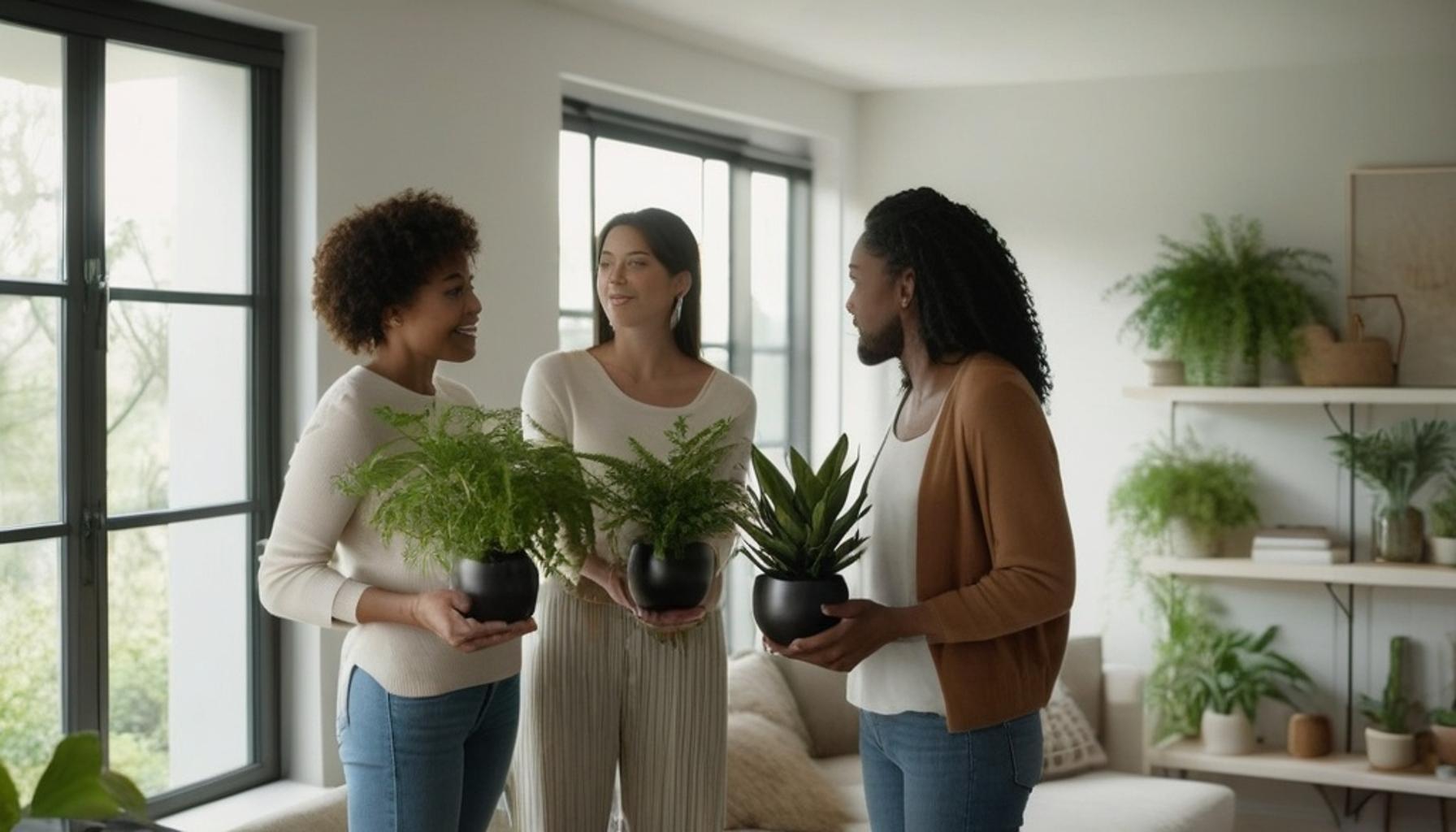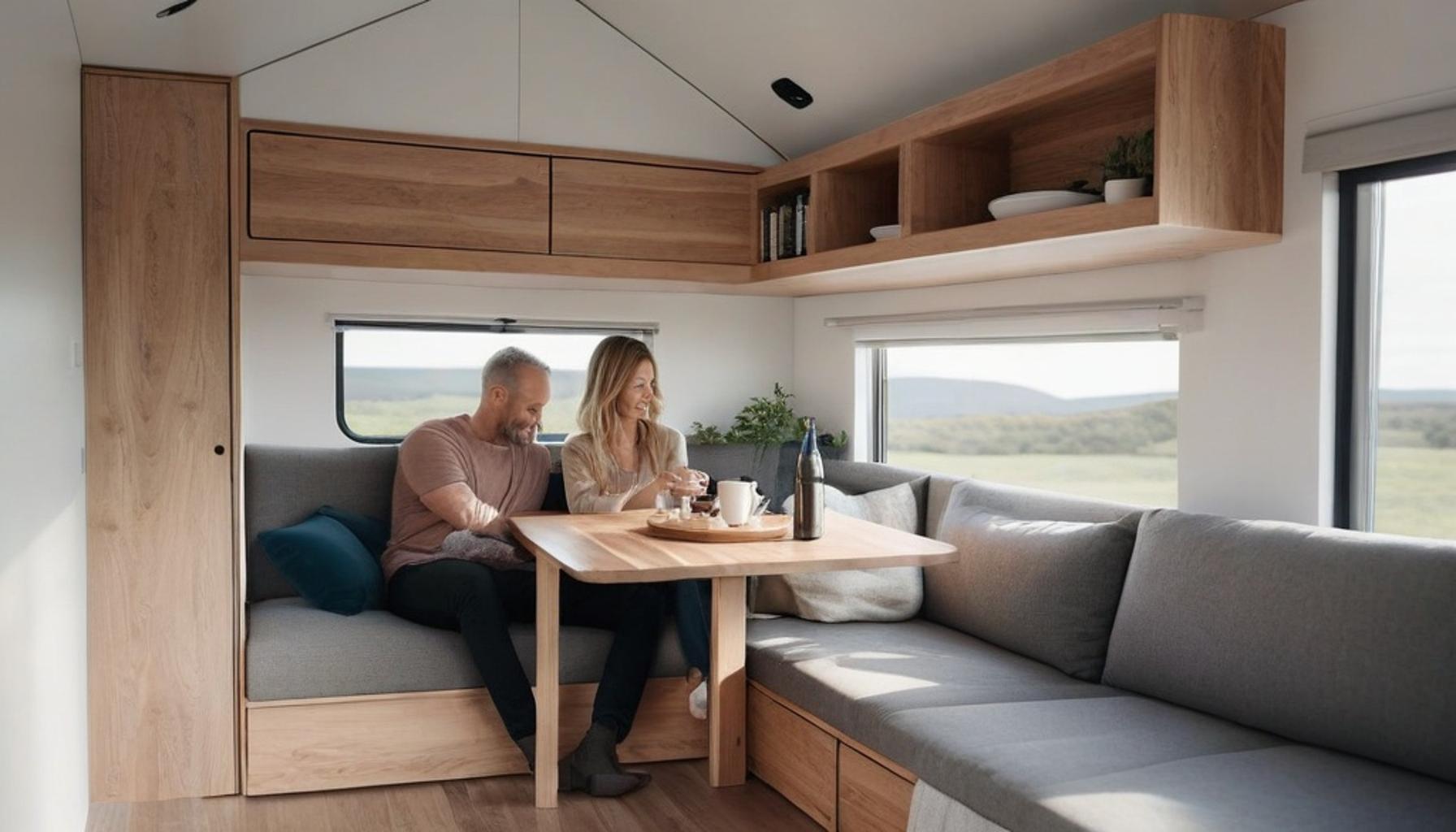
Maximizing Small Spaces: Smart Storage Solutions for a Clutter-Free Home
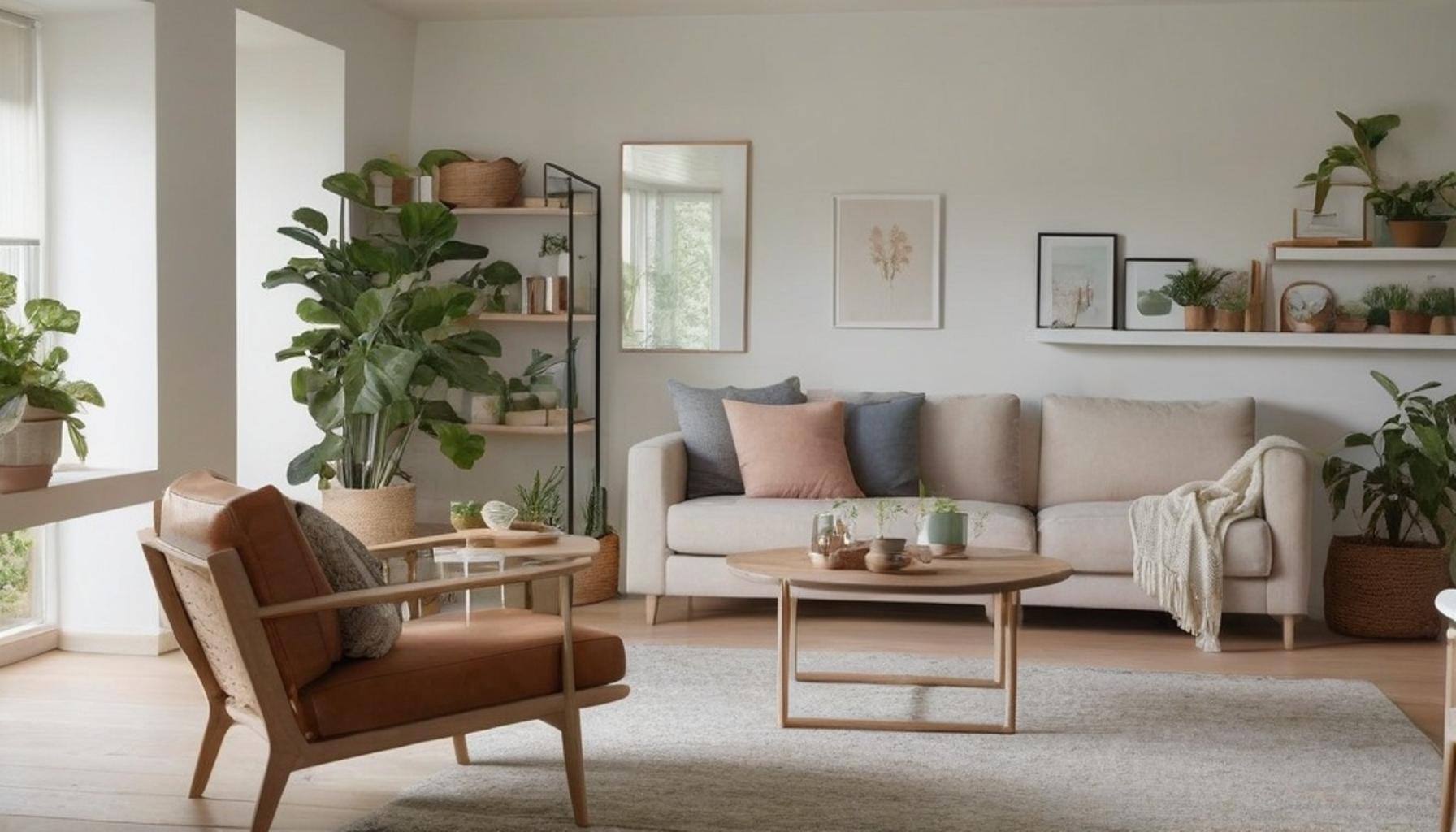
Small Space, Big Potential
Across the United States, the average new apartment size has shrunk to just over 900 square feet, according to recent housing data. This trend is particularly prominent in urban areas where millions of Americans, eager to embrace the excitement of city living, find themselves learning to live large in tight quarters, particularly in cities like New York, San Francisco, and Chicago. The challenge of maximizing limited space is substantial, yet innovative solutions abound.
This is where smart storage solutions come into play. With the right strategy and a little creativity, even the tightest studio apartment or a compact city condo can feel spacious, organized, and functional. Transforming small areas into optimal living environments is not just a matter of aesthetics; it can significantly enhance your lifestyle, creating a peaceful retreat amidst the hustle and bustle of city life.
Why Clutter-Free Living Matters
Clutter does more than just detract from your home’s visual appeal. Numerous studies suggest that disorganized spaces are linked to increased stress and reduced productivity. A clutter-free home isn’t merely about cleanliness; it reflects a well-organized mindset and promotes a sense of calm. With fewer distractions, you’re likely to experience heightened concentration and efficiency, making room for creativity and enjoyment in your daily activities.
Fortunately, enhancing small spaces doesn’t necessitate a significant renovation or budget-busting purchases. Instead, it often involves a few strategic changes and clever purchases. For instance, investing in multi-functional furniture—like a coffee table that doubles as storage or an ottoman that opens up for additional space—can drastically reduce clutter and introduce versatility into your living area.
What You’ll Discover
This guide dives into practical, tested approaches for transforming tight spaces into organized havens. Expect to find:
- Space-saving furniture that offers dual purposes, such as murphy beds which fold up against the wall, creating instant space.
- Creative storage ideas for small apartments, including vertical shelving that utilizes wall space, and under-bed solutions like bins or drawers that are often overlooked.
- Simple organizational hacks for small rooms that require minimal investment, such as using pegboards for tools or crafting supplies to keep them both accessible and tidy.
- Room-by-room strategies tailored to kitchens, bedrooms, and bathrooms, ensuring every area in your home efficiently meets your needs without excess.
Whether you are renting a micro-studio in an urban landscape or scaling down a family home, these clutter-free home tips provide actionable results that prioritize function without compromising style. The ultimate goal is not simply to conceal belongings but to create a home that works smarter and fosters a more harmonious living experience.
DIVE DEEPER: Click here for kitchen organization tips
# Rethinking Vertical Space: The Overlooked Storage FrontierWhen square footage is tight, the solution often lies not in the floor plan, but overhead. Most small-space dwellers make the mistake of thinking horizontally, cramming furniture wall-to-wall while ignoring the vertical real estate above their heads. This is one of the most common oversights in maximizing small spaces.Walls, in particular, represent an underused opportunity. Floor-to-ceiling shelving units, for example, can hold everything from books to decorative baskets, drawing the eye upward and creating an illusion of a taller, more expansive room. This simple architectural trick is a favorite among interior designers working with New York City studios, where every inch counts.
Vertical Storage Solutions Worth Considering
Here are some of the most effective vertical storage ideas for small apartments currently trending among urban homeowners and renters:
- Wall-mounted shelving systems that can be customized and expanded as your storage needs grow.
- Hanging pot racks in kitchens, freeing up valuable cabinet space for other essentials.
- Over-the-door organizers for bathrooms and closets, ideal for shoes, toiletries, or cleaning supplies.
- Loft beds or elevated sleeping platforms, which free up the entire floor area beneath for a desk, seating, or additional storage.
According to a 2023 survey by the National Association of Home Builders, nearly 68% of urban renters cited storage as their top concern when searching for a new apartment. This statistic underscores a growing demand for smart design choices that address the realities of city living.
The Power of Multi-Functional Furniture
Beyond vertical space, furniture that serves more than one purpose is a cornerstone of any smart storage solutions strategy. Rather than purchasing separate pieces for separate functions, savvy small-space dwellers are opting for items that seamlessly blend utility with design.
Consider a bed frame with built-in drawers underneath, eliminating the need for a separate dresser. Or a dining table that folds flat against the wall when not in use, instantly reclaiming several square feet of living space. These aren’t just clever gadgets—they’re becoming essential staples in compact American homes, from Boston brownstones to Los Angeles bungalows.
Retailers have taken notice. Major furniture brands have expanded their space-saving furniture lines significantly over the past five years, responding directly to shrinking average home sizes and rising urban density across the country.
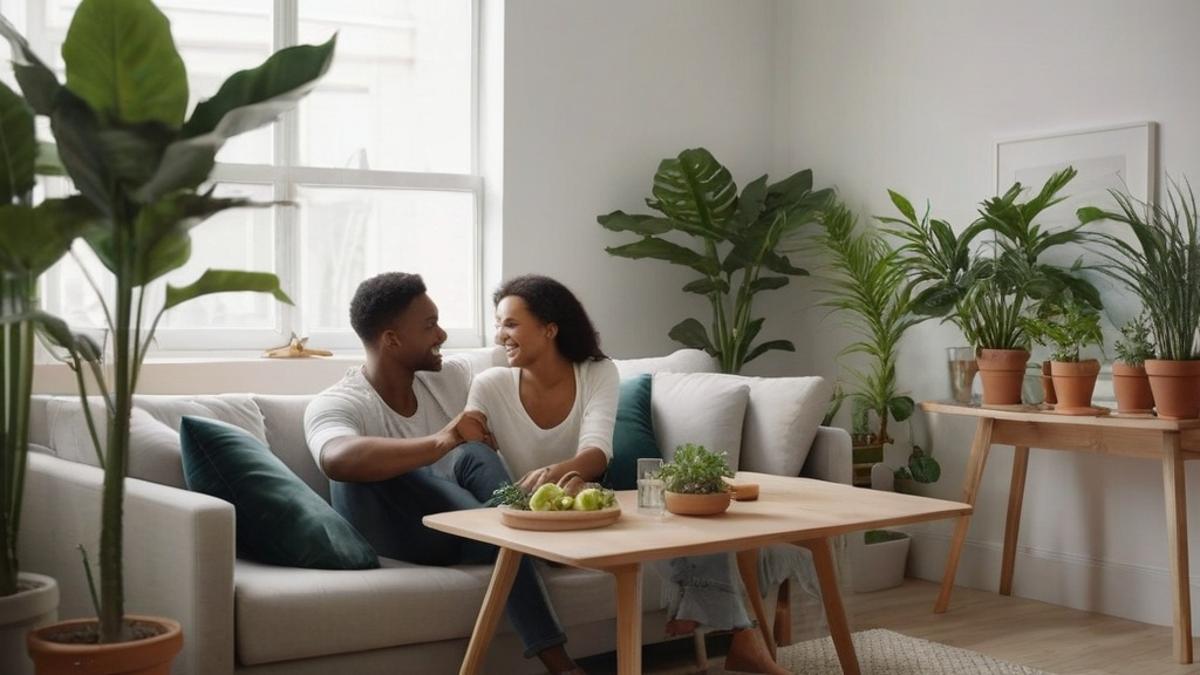
| Category | Key Features |
|---|---|
| Vertical Storage | Utilizes wall space with shelves, pegboards, and hooks, maximizing unused areas. |
| Multi-functional Furniture | Incorporates items like ottomans with storage or sofa beds, enhancing utility without clutter. |
| Creative Under-bed Solutions | Employs containers or drawers under beds, efficiently using often-overlooked space. |
| Modular and Collapsible Items | Features designs that can be reconfigured or easily stored, offering flexibility in dynamic spaces. |
DISCOVER MORE: Click here for tips on a clutter-free kitchen
# Hidden Storage and the Art of ConcealmentNot all clutter needs to disappear from a room entirely—sometimes it just needs a clever place to hide. This is where hidden storage solutions come into play, transforming everyday furniture into secret compartments that keep essentials accessible yet out of sight.Ottomans with lift-top lids, for instance, can store blankets, remote controls, or seasonal items while doubling as a coffee table or extra seating. Staircases in multi-level homes, often wasted vertical cavities, can be reimagined as built-in drawers or pull-out shelving. Even window seats can conceal generous storage bins beneath their cushions.
Clever Concealment Techniques for Every Room
These organizational hacks for small rooms are gaining traction across American households looking to disguise storage without sacrificing style:
- Bed risers that create extra clearance underneath for rolling storage bins or vacuum-sealed clothing bags.
- False-bottom furniture, such as benches or coffee tables with hollow interiors.
- Curtained shelving that hides open storage behind decorative fabric panels, a budget-friendly alternative to cabinetry.
- Recessed wall niches, particularly popular in bathrooms, that tuck toiletries into the wall itself rather than atop a counter.
Interior designers in cities like Chicago and San Francisco often point to these methods as go-to clutter-free home tips for clients living in pre-war buildings with limited closet space—a common architectural challenge throughout much of the Northeast and Midwest.
Decluttering as a Long-Term Strategy
Storage solutions only go so far if the volume of belongings keeps expanding. Professional organizers increasingly emphasize that maximizing small spaces requires pairing physical solutions with behavioral change.
The popular “one in, one out” rule, for example, encourages households to remove an item every time a new one enters the home. Meanwhile, seasonal decluttering—tackling closets each quarter rather than once a year—has been linked to sustained organization, according to professional organizing associations across the country.
A 2022 report from the Self Storage Association revealed that the average American household owns roughly 300,000 items, a staggering figure that helps explain why storage remains a perennial concern. This number also suggests that no shelving system, however clever, can fully substitute for intentional curation.
Practical Steps for Sustainable Organization
- Schedule quarterly closet audits to prevent slow accumulation.
- Digitize paperwork and documents to eliminate filing cabinets entirely.
- Invest in labeled bins to make daily maintenance faster and more intuitive.
- Reassess furniture purchases with storage capacity as a primary criterion, not an afterthought.
Combining these habits with vertical shelving, multi-functional furniture, and hidden compartments creates a layered approach—one that treats storage not as a single fix, but as an evolving system tailored to how people actually live.
# Rethinking Small Spaces for the Long HaulThe search for smart storage solutions is ultimately a search for a better relationship with the objects that fill daily life. Vertical shelving, multi-functional furniture, and hidden compartments each solve a piece of the puzzle, but none of them work in isolation. The most organized homes tend to treat storage as an ongoing practice rather than a one-time renovation project.
Why Flexibility Matters More Than Perfection
Not every household will need the same mix of solutions. A studio apartment in Boston faces different constraints than a bungalow in Austin, yet both benefit from the same underlying principle: furniture and systems should adapt as needs shift. This is why space-saving furniture, like extendable tables or modular shelving, tends to outperform rigid, single-purpose pieces over time.
Renters in particular have embraced flexible storage ideas for small apartments precisely because they can be relocated or reconfigured without violating a lease agreement or damaging walls.
A Broader Takeaway
The data on American consumption habits suggests that clutter is less about square footage and more about accumulation patterns. Even a spacious home can feel cramped without consistent habits like seasonal audits or digitized records.
What separates a lasting solution from a temporary fix is intentionality. Choosing furniture for its storage capacity, applying organizational hacks for small rooms, and revisiting belongings on a regular schedule all work together to prevent the slow creep of disorder.
For readers ready to act, the next step is simple: pick one room, apply one new system, and observe how it changes daily routines before expanding further. Small, deliberate changes—repeated consistently—tend to outlast any single organizational trend.
Frequently Asked Questions
What are some effective smart storage solutions for small apartments?
Effective smart storage solutions for small apartments include multi-functional furniture like ottomans with hidden compartments and wall-mounted shelves that utilize vertical space. Consider using under-bed storage bins for seasonal clothing and items that are rarely used. Additionally, the use of pegboards in kitchens or entryways can maximize wall space efficiently.
How can I incorporate smart storage solutions into a tiny kitchen?
In a tiny kitchen, incorporating smart storage solutions such as tiered shelving and magnetic strips for knives can free up counter space. Try using clear jars or containers to organize pantry items, making them easy to identify. Don’t forget to maximize cabinet space with stackable organizers and pull-out shelves to access deep areas more easily.
What are some creative ways to use vertical space for smart storage?
Creative ways to use vertical space for smart storage include installing floating shelves or wall-mounted cabinets to display items while keeping the floor clear. You can also use hooks or brackets to hang frequently used items like bikes, coats, or kitchen utensils up on the wall. Tall bookcases that reach up to the ceiling can also make excellent use of vertical space.
Can smart storage solutions help reduce clutter in shared living spaces?
Yes, smart storage solutions can significantly reduce clutter in shared living spaces by providing designated areas for everyone’s belongings. Use labeled storage bins or baskets in communal areas to help each housemate keep their items organized. Implementing a regular decluttering schedule can also maintain a tidy environment and prevent overcrowding.
What furniture features should I look for in smart storage solutions?
When seeking smart storage solutions in furniture, look for pieces that have built-in storage, such as beds with drawers or coffee tables with shelves. Opt for modular furniture that can be rearranged or combined to fit different needs. Additionally, consider collapsible furniture that can be easily stored away when not in use to maximize space.
How can I transform my closet into a more efficient storage space?
Transforming your closet into a more efficient storage space can be achieved by using slim hangers to maximize hanging space and adding tension rods or additional shelves for better organization. Utilize the back of the closet door for storage by installing hooks or an over-the-door organizer for shoes or accessories. Implementing a color-coded system can also streamline finding what you need quickly.

Beatriz
Beatriz Johnson is a seasoned minimalist and writer with a passion for simplifying the complexities of personal organization and intentional living. With over a decade of experience in decluttering strategies and mindful consumption, she specializes in topics like space optimization, habit simplification, and sustainable lifestyle choices. Through her work on our website, Beatriz empowers readers to embrace minimalism, reduce mental and physical clutter, and create more meaningful, organized lives in today's fast-paced world.