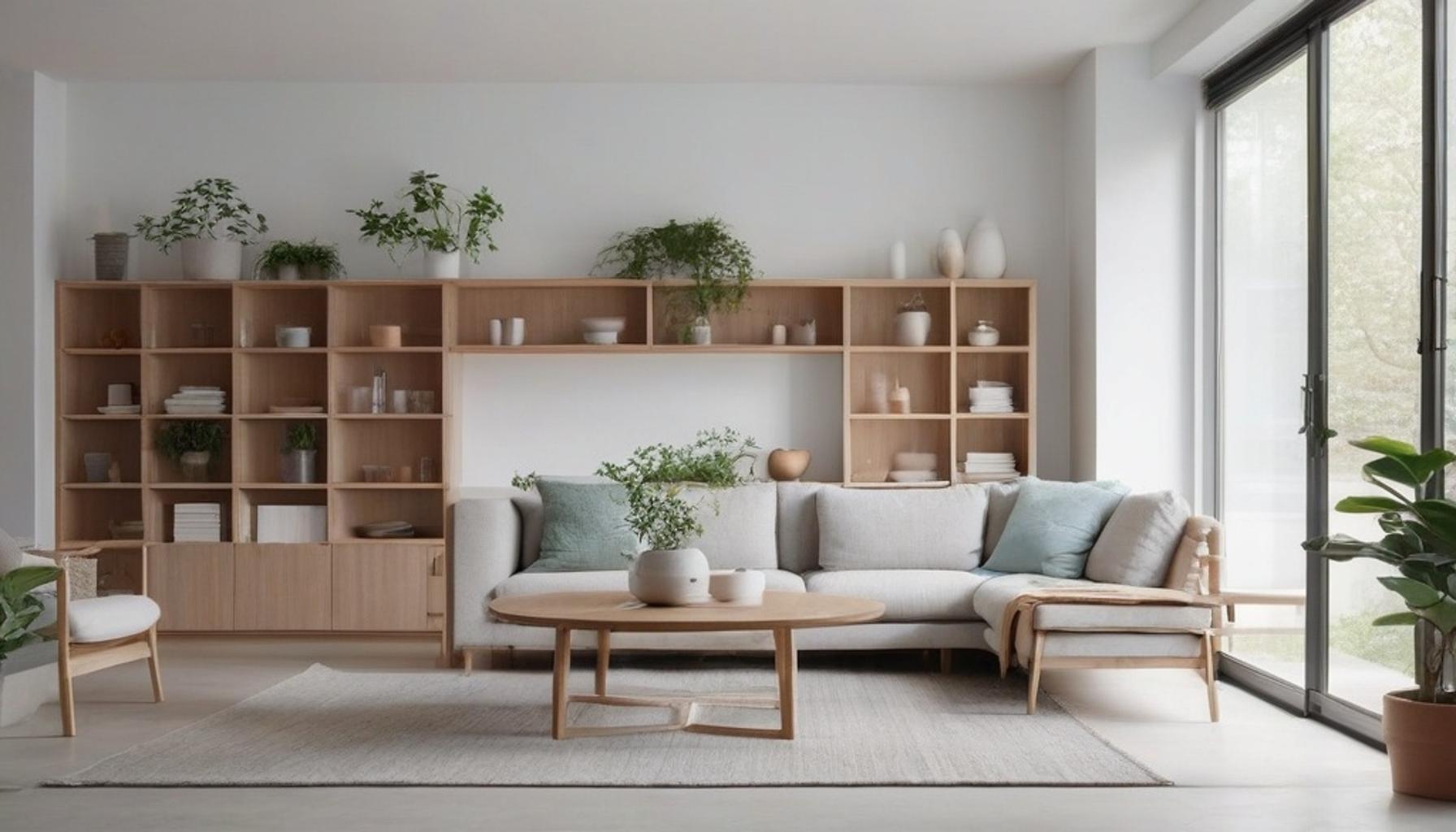
Decluttering Your Home: Minimalist Techniques for Everyday Organization
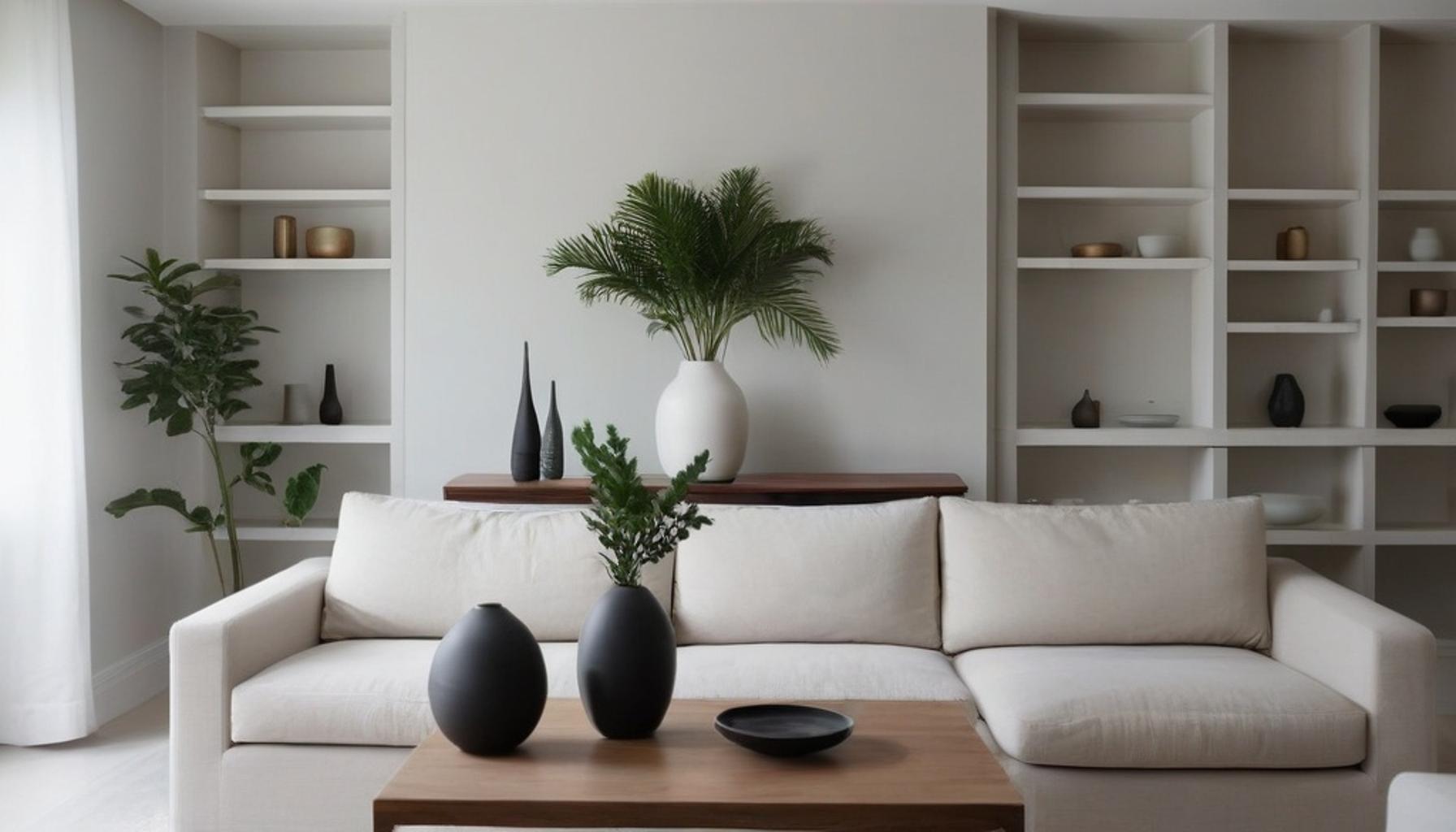
Understanding the Impact of Clutter on Mental Well-Being
The average American home contains over 300,000 items, according to the LA Times. This staggering statistic reveals why many individuals feel a sense of overwhelm right as they step through the front door. The sheer volume of possessions can create a chaotic environment that triggers stress and anxiety, leading to a feeling akin to drowning in one’s belongings. Each item carries with it an unspoken expectation, draining mental energy and contributing to an atmosphere of tension.
Decluttering Your Home is more than a cosmetic upgrade; it’s a strategic approach aimed at reclaiming not only physical space but also mental clarity. In a society that values consumerism, simplifying our surroundings emerges as a counter-narrative, reflecting a broader cultural evolution towards more meaningful living.
The Rise of Minimalist Living in American Households
Across the country, from the tiny homes in Colorado to strategically designed downsized apartments in bustling New York City, minimalist organization techniques are revolutionizing the way people interact with their possessions. This movement transcends a mere trend; it represents a lifestyle adjustment aimed at fostering more sustainable living practices.
Several factors contribute to the growing appeal of minimalist living. For instance, the rising costs of real estate in urban centers push families into smaller living spaces, making efficient use of each square inch crucial. Furthermore, as environmental concerns mount, there’s an increasing awareness of the negative impact of excessive consumerism. Many are finding that embracing a minimalist lifestyle not only reduces physical clutter but also clears the mind, enhancing overall emotional well-being. Additionally, platforms like Instagram and Pinterest have made the benefits of minimalism more visible, showcasing attractive, uncluttered living environments that inspire others to follow suit.
What Makes This Approach Different
Modern home organization ideas distinguish themselves from extreme decluttering trends that often leave spaces feeling lifeless and sterile. The key lies in prioritizing function over aesthetics, encouraging individuals to focus on owning intentionally rather than simply owning little. This intentional approach fosters a deeper connection to one’s possessions and helps individuals create living spaces that genuinely reflect their values and lifestyles.
This article provides practical, sustainable strategies catering to everyday lives, including:
- Daily decluttering tips that can be executed in under 15 minutes, making it easy to incorporate into a busy schedule.
- Room-by-room systems designed to address clutter in an efficient manner, promoting a sense of accomplishment and clarity.
- Storage solutions that not only hide away clutter but also discourage it from accumulating in the first place, fostering an enduring state of organization.
Whether your goal is to reclaim a cluttered garage filled with forgotten items or to tackle the chaos of a kitchen junk drawer, the following techniques present a clear path forward. This is a journey designed to fit seamlessly into the realities of American life, catering to the needs of those who seek to create peaceful, functional, and beautiful spaces in which to live and thrive.
DIVE DEEPER: Click here for expert tips on kitchen organization
# Decluttering Your Home: Minimalist Techniques for Everyday Organization## The Psychology Behind Clutter and Decision FatigueEvery object in your home silently demands a decision. Should it stay? Should it go? Where does it belong? Princeton University researchers found that cluttered environments actually compete for our attention, reducing our ability to focus and process information effectively.This phenomenon, often called decision fatigue, explains why cleaning out a garage or closet can feel more exhausting than physically demanding tasks. Each item requires mental bandwidth, and when multiplied by hundreds of possessions, the cumulative effect becomes overwhelming.Decluttering Your Home effectively means understanding this psychological toll before diving into physical organization. Many Americans attempt to tackle their entire house in a single weekend, only to abandon the project halfway through, leaving rooms in worse disarray than before.### Starting Small: The Foundation of Sustainable ChangeProfessional organizers consistently emphasize that successful minimalist organization techniques begin with manageable, bite-sized actions rather than dramatic overhauls. This approach prevents burnout and builds lasting habits.Consider these foundational principles for how to declutter efficiently:
- Focus on one drawer, shelf, or surface at a time rather than entire rooms.
- Set a timer for 15-20 minutes to maintain momentum without exhaustion.
- Ask whether an item serves a genuine purpose or holds authentic sentimental value.
- Remove items immediately rather than creating “maybe” piles that linger indefinitely.
This gradual methodology aligns with behavioral science research showing that small, consistent actions create more durable change than sporadic bursts of intense effort. A 2019 study published in the Journal of Consumer Research found that individuals who decluttered incrementally reported higher satisfaction rates and were less likely to repurchase discarded item categories.### Why American Homes Accumulate So MuchUnderstanding the root causes of clutter helps explain why simply organizing isn’t enough. The average American household spends over $1,700 annually on items that go largely unused, according to a UCLA study on consumer habits.Several cultural factors contribute to this accumulation pattern. Retail marketing consistently promotes acquisition as a solution to emotional needs, while sales events like Black Friday encourage impulse purchasing disconnected from actual necessity. Suburban homes with attached garages and basements provide seemingly endless storage capacity, removing natural constraints that smaller urban apartments impose.Recognizing these patterns represents a critical first step. Without addressing the underlying habits driving acquisition, any organizational system risks becoming temporary rather than transformative. This awareness sets the stage for exploring practical, room-specific strategies that create lasting change throughout your living space.

DISCOVER: Click here for a clutter-free kitchen!
## Room-by-Room Strategies That Actually StickOnce the psychological groundwork is understood, applying minimalist organization techniques to specific spaces becomes far more manageable. Different rooms present unique challenges, and generic advice often fails when it ignores these distinctions.Kitchens, for instance, accumulate gadgets that promise convenience but deliver clutter instead. A survey by the Cookware Manufacturers Association revealed that the average American kitchen contains 12 single-use appliances, yet most households regularly use fewer than five.### The Kitchen and Pantry ResetStart by emptying one cabinet completely onto your counter. This visual confrontation with volume often surprises homeowners who underestimate how much they’ve accumulated.Practical home organization ideas for kitchens include:
- Donating duplicate tools like multiple spatulas or can openers.
- Relocating rarely used appliances to garage storage, testing whether you actually retrieve them.
- Grouping pantry items by category rather than purchase date to reveal overstock.
- Using clear containers so contents remain visible, reducing forgotten, expired products.
This category-based visibility prevents the common cycle of buying replacement items simply because the originals were buried behind other clutter.### Closets: Where Sentiment Meets ExcessClothing presents a distinctly emotional challenge. Many Americans hold onto garments tied to past identities, weight fluctuations, or aspirational lifestyles that never materialized.The 80/20 principle proves particularly useful here. Research from fashion industry analysts suggests most people wear roughly 20 percent of their wardrobe 80 percent of the time. The remaining items occupy valuable space while contributing little practical value.A practical exercise involves turning all hangers backward at the season’s start. After wearing an item, return the hanger facing forward. Within three months, untouched clothing becomes obvious, offering concrete evidence for donation decisions rather than relying on memory or guesswork.### Digital Clutter Deserves Attention TooModern discussions about decluttering often overlook digital spaces, yet smartphones and computers accumulate their own overwhelming excess. The average American has over 80 apps installed but regularly uses fewer than 10, according to mobile analytics firm data.app.Applying daily decluttering tips to digital environments might include unsubscribing from promotional emails, organizing desktop files into labeled folders, and deleting duplicate photos consuming cloud storage.This digital dimension matters because decision fatigue applies equally to virtual clutter. A phone screen crowded with unused apps creates the same cognitive friction as an overstuffed drawer, subtly draining mental energy throughout the day.Understanding these room-specific and digital strategies demonstrates that how to declutter efficiently requires tailored approaches rather than one-size-fits-all solutions, setting a practical foundation for maintaining organized spaces long-term.
DISCOVER MORE: Click here for kitchen organization tips
Bringing It All Together: A Lasting Approach to Simplicity
Decluttering Your Home is never a single weekend project that gets crossed off a to-do list. It’s an evolving practice, one that blends psychology, room-specific strategy, and digital awareness into a lifestyle that continues to pay dividends long after the initial garbage bags leave the house.
Throughout this exploration, one theme keeps resurfacing: clutter is rarely just physical. It’s tied to emotional attachments, outdated identities, and even the invisible weight of unused apps buried on a smartphone. Recognizing this connection is often the real turning point for households that have tried and failed at organization before.
The most effective minimalist organization techniques succeed because they replace vague intentions with measurable systems. Backward hangers, category-based pantry sorting, and clear containers all work because they turn abstract decisions into visible evidence.
For readers wondering how to declutter efficiently without burning out, the answer lies in consistency rather than intensity. Small, repeatable actions outperform sporadic deep cleans that are difficult to sustain.
Consider building habits such as:
- Reviewing one drawer or shelf each week instead of attempting the entire house at once.
- Applying a simple one-in, one-out rule when new items enter the home.
- Auditing digital spaces monthly alongside physical ones.
- Revisiting seasonal wardrobe rotations to catch clutter before it accumulates again.
These small daily decluttering tips compound over time, transforming organization from a chore into a natural rhythm of household life.
Ultimately, the minimalist lifestyle benefits extend well beyond tidy shelves. Reduced decision fatigue, more available time, and a calmer visual environment all contribute to a household that feels lighter, not just looks it.
As American consumer habits continue shifting toward mindful spending, decluttering may prove less about aesthetics and more about reclaiming attention in an increasingly cluttered world.
Frequently Asked Questions
What are the basic steps for decluttering my home using minimalist techniques?
Start by identifying the areas in your home that need decluttering and set specific goals for each space. Use the ‘one in, one out’ rule to prevent new items from accumulating, and sort items into categories: keep, donate, and discard. Finally, establish a regular schedule for revisiting your spaces to maintain minimalism.
How can I stay motivated while decluttering my home?
Staying motivated can be achieved by setting small, achievable milestones and celebrating your progress. Consider visualizing your decluttered space or creating a vision board that inspires you. Additionally, you can involve friends or family for support and accountability.
What minimalist techniques work best for organizing my kitchen?
In the kitchen, implement the ‘capsule kitchen’ approach by keeping only essential items that you use frequently. Organize by grouping similar items together, such as pots, pans, and utensils, and utilize clear storage containers to make items easily accessible. Additionally, declutter your pantry by disposing of expired goods and consolidating duplicates.
How can I declutter sentimental items without feeling guilty?
To declutter sentimental items, start by choosing a few items that genuinely hold significant memories and let go of the rest. You can take photos of the items you’re parting with to preserve the memory without keeping the physical object. Remember, it’s okay to honor your past by creating space for a more intentional present.
What are some effective strategies for decluttering kids’ toys?
Involve your kids in the decluttering process by letting them choose their favorite toys to keep while explaining the concept of sharing with others. Use storage bins to categorize toys and regularly schedule decluttering sessions, encouraging them to let go of toys they no longer play with. Consider implementing a toy rotation system to keep the remaining toys fresh and engaging.
How can decluttering my home improve my mental well-being?
Decluttering your home creates a more organized and peaceful environment, which can significantly reduce stress and anxiety. A tidy space allows for clearer thinking and can enhance productivity. Moreover, embracing minimalism encourages a simpler lifestyle, allowing you to focus on what truly matters and enjoy a sense of accomplishment.

Beatriz
Beatriz Johnson is a seasoned minimalist and writer with a passion for simplifying the complexities of personal organization and intentional living. With over a decade of experience in decluttering strategies and mindful consumption, she specializes in topics like space optimization, habit simplification, and sustainable lifestyle choices. Through her work on our website, Beatriz empowers readers to embrace minimalism, reduce mental and physical clutter, and create more meaningful, organized lives in today's fast-paced world.