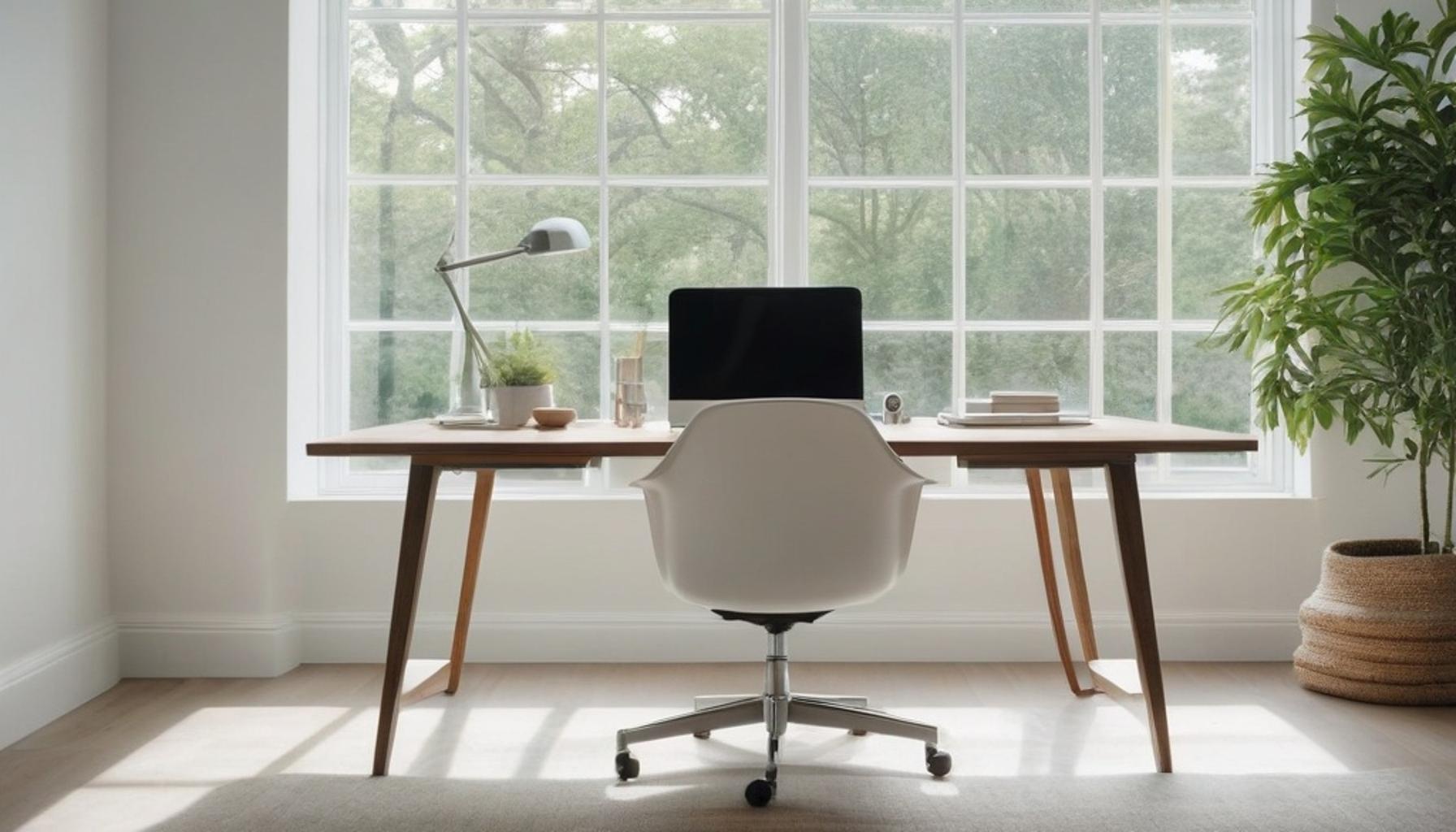
Creating a Stress-Free Workspace: Tips for Efficient Living and Productivity

The Role of Your Workspace in Daily Productivity
In today’s digital age, Americans are averaging a staggering 13 hours a day in front of screens, often while seated at a desk that far from promotes productivity. Many find themselves in environments fraught with clutter, suboptimal lighting, or disarray. Such conditions do more than just create a visually chaotic scene; they can sap our mental energy, increase stress levels, and diminish overall focus. The implications of a poorly organized workspace extend beyond mere aesthetics, affecting our ability to think clearly and work efficiently.
Fortunately, the path to a more productive work environment doesn’t necessitate a hefty renovation budget. With a few thoughtful adjustments, any workspace can be transformed into an area conducive to creativity and focus.
What You’ll Discover in This Guide
This article delves into practical, research-backed Stress-Free Workspace Tips suitable for various budget constraints and time schedules. Whether you are operating from a spare bedroom in vibrant Austin or a converted garage in picturesque Seattle, these strategies are universally applicable.
- Effective workspace organization ideas that can be implemented in under 30 minutes, making it easy to get started.
- Lighting and ergonomic enhancements that have been shown to significantly reduce mental and physical fatigue.
- Digital decluttering techniques that help sharpen focus and minimize distractions.
- Affordable tools aimed at improving efficiency in home office setups, ensuring a smoother workflow.
The Hidden Cost of a Disorganized Desk
According to research from Princeton University’s Neuroscience Institute, visual clutter competes for our attention, which hinders our ability to process information effectively. This means that every piece of stray paper, each tangled cable, or forgotten coffee cup is silently disrupting your concentration. The subtle stress cultivated by a chaotic desk environment can lead to decreased productivity and increased frustration, creating a cycle that is hard to break.
Recognizing the impact that a clean workspace can have on mental clarity and focus is the critical first step toward minimizing workplace stress. The following sections will present concrete, actionable strategies that you can begin implementing today, paving the way to a more organized and serene work life. In an era where efficiency boosts are paramount, a prioritization of your workspace may be your next best investment.
DISCOVER MORE: Click here for clutter-free kitchen tips
Decoding the Science Behind a Calmer, More Efficient Desk Setup
Before diving into quick fixes, it helps to understand why your surroundings wield so much power over your mental state. Neuroscientists have found that our brains are wired to notice disorder, even when we’re not consciously paying attention to it. This means that a messy desk in the corner of your eye is quietly draining cognitive resources you could otherwise use for actual work.
A 2011 study published in the Journal of Neuroscience found that when clutter was removed from a person’s field of vision, their ability to focus and process information improved significantly. This isn’t just academic theory — it’s a practical reminder that Stress-Free Workspace Tips aren’t a luxury but a functional necessity for anyone spending long hours at a desk, whether in a downtown Chicago high-rise or a home office in suburban Denver.
Three Environmental Factors That Quietly Sabotage Focus
Not all workspace stressors are obvious. Some hide in plain sight, chipping away at your concentration without you realizing it. Identifying these factors is essential for anyone serious about building a productive work environment.
- Poor lighting: Working under harsh fluorescent bulbs or dim, inadequate light can cause eye strain and headaches, making it harder to sustain attention for long stretches.
- Temperature inconsistency: A Cornell University study found that office workers in colder environments made significantly more typing errors than those in comfortably warm settings, showing a direct link between physical comfort and output quality.
- Noise pollution: Even low-level background noise, like a humming refrigerator or nearby traffic, can elevate cortisol levels, the hormone most associated with stress.
Addressing these seemingly minor details can make an outsized difference. Simple changes, such as swapping a flickering desk lamp for a daylight-simulating LED bulb, or adding a small space heater during colder months, are inexpensive ways to start minimizing workplace stress almost immediately.
Why Small Changes Yield Big Returns
It’s tempting to think that only a complete overhaul will make a difference, but research suggests otherwise. A Gensler workplace survey revealed that employees in well-designed, organized environments reported being up to 20% more productive than those in disorganized ones. That’s a substantial return on what could be a minimal investment of time and money.
This is where practical workspace organization ideas come into play. Rather than aiming for perfection, focus on incremental improvements: clearing your desk of unnecessary items, establishing a designated spot for cables and chargers, or investing in a simple filing system for paperwork. These small, sustainable habits are often what separate a chaotic desk from one that supports sustained focus and creativity.
Understanding the hidden mechanics of your environment is the foundation for any lasting change. With this awareness in place, the next step is translating insight into action — starting with the physical layout of your desk itself.

| Category | Details |
|---|---|
| Ergonomic Setup | Invest in a chair and desk that promote good posture. |
| Decluttering | Use organization items to minimize distractions. |
| Nature Infusion | Incorporate plants to enhance mood and productivity. |
| Lighting | Utilize natural and adjusted artificial light. |
| Personal Touches | Add items that inspire and motivate you. |
DISCOVER MORE: Click here for tips on kitchen organization
Rethinking Desk Layout: The Blueprint for Sustainable Focus
Once you understand why clutter and environmental noise hijack your attention, the next logical step is redesigning the physical layout of your workspace. This isn’t about buying trendy furniture — it’s about applying practical workspace organization ideas that align with how people actually work.
Ergonomics experts often refer to the “zone principle,” which divides a desk into three areas: primary (within arm’s reach), secondary (requires a slight stretch), and tertiary (rarely used items). Applying this framework can transform even a cramped apartment desk in Brooklyn or a spare-room office in Austin into a more functional space.
The Primary Zone: What Belongs Within Arm’s Reach
Your primary zone should hold only what you touch multiple times an hour — your laptop, phone, and perhaps a notepad. Everything else creates visual noise and forces unnecessary movement, both of which chip away at concentration.
- Keyboard and mouse: positioned to keep wrists neutral, reducing physical strain during long typing sessions.
- A single notepad or tablet: for capturing quick thoughts without switching windows or breaking focus.
- A water bottle or mug: keeping hydration nearby has been linked to better concentration throughout the day.
Digital Clutter: The Invisible Stressor Hiding in Your Screen
Physical organization only tells half the story. A 2018 University of California, Irvine study found that unread emails and disorganized desktop icons can trigger the same stress response as a messy physical space. This makes digital tidiness just as critical for minimizing workplace stress as a clean desk.
Consider implementing a simple digital system: folders labeled by project or deadline, an inbox that gets processed daily rather than left to pile up, and a desktop background stripped of unnecessary shortcuts. These small habits can noticeably improve mental clarity.
Bringing Nature Indoors for Measurable Calm
Beyond decluttering, incorporating natural elements has shown surprising benefits. Research from Texas A&M University found that employees with a view of greenery, even a small potted plant, reported lower stress levels and higher job satisfaction compared to those in purely artificial environments.
This is one of the simplest clean workspace benefits to implement. A small succulent on a windowsill or a low-maintenance snake plant near your monitor can serve as both a visual anchor and a subtle mood booster throughout the workday.
For those working remotely, these principles are especially relevant. Achieving true efficiency in home office settings often comes down to these overlooked details — desk zoning, digital organization, and a touch of nature — rather than expensive equipment upgrades.
Building a Workspace That Works for You, Not Against You
The evidence is clear: a productive work environment isn’t the product of luck or expensive gadgets. It’s the result of deliberate choices — how you zone your desk, how you manage digital files, and whether you let a plant or two share your workspace.
These Stress-Free Workspace Tips aren’t abstract theories. They’re backed by measurable research, from UC Irvine’s findings on digital clutter to Texas A&M’s data on greenery and job satisfaction. Small, evidence-based adjustments consistently outperform expensive overhauls when it comes to minimizing workplace stress.
Start Small, Then Build Momentum
You don’t need to redesign your entire office overnight. Start with one zone — perhaps clearing your primary desk space or organizing a single digital folder. These workspace organization ideas compound over time, creating habits that stick rather than short-lived bursts of motivation.
- Week one: Declutter your primary desk zone.
- Week two: Tackle your digital inbox and desktop files.
- Week three: Introduce a plant or natural element near your screen.
A Final Thought on Long-Term Efficiency
Whether you’re working from a downtown high-rise or a converted garage in the suburbs, efficiency in home office settings ultimately depends on consistency, not perfection. The clean workspace benefits discussed throughout this article — sharper focus, reduced anxiety, improved job satisfaction — aren’t temporary perks. They’re sustainable outcomes of a thoughtfully designed environment.
As remote and hybrid work continue reshaping how Americans define productivity, the workspace itself deserves as much attention as the tasks performed within it. Consider this a starting point, not a finish line, for building a calmer, more efficient way to work.
Frequently Asked Questions
What are some essential elements to include in a stress-free workspace?
To create a stress-free workspace, consider including ergonomic furniture, plants, adequate lighting, and personal touches like photos or art. Additionally, maintaining a clean and organized desk can significantly reduce stress and increase focus. Soundproofing elements such as noise-cancelling headphones can also enhance concentration.
How can I manage distractions in my workspace?
To minimize distractions, establish a designated workspace away from noise and interruptions. Use tools like timers to maintain focus during work intervals, and consider apps that block distracting websites. Communicating your work schedule to others can also help limit disruptions.
What role does lighting play in creating a stress-free workspace?
Proper lighting greatly influences mood and productivity. Natural light is ideal, as it helps regulate circadian rhythms and reduces eye strain. If natural lighting isn’t an option, opt for adjustable LED lighting that can mimic daylight and can be tailored to your needs.
How can I incorporate breaks into my workday effectively?
Incorporating breaks can enhance productivity and reduce stress. Try the Pomodoro Technique, which involves working for 25 minutes followed by a 5-minute break. During your breaks, stretch, hydrate, or take a short walk to refresh your mind and body.
Are there specific organizational techniques that can promote a stress-free workspace?
Yes, techniques such as the ‘Two-Minute Rule’ can effectively promote organization; if a task takes less than two minutes, do it immediately. Additionally, the use of color-coded folders or digital tools like task management apps can help keep work organized and prioritized, reducing overwhelm and enhancing productivity.

Beatriz
Beatriz Johnson is a seasoned minimalist and writer with a passion for simplifying the complexities of personal organization and intentional living. With over a decade of experience in decluttering strategies and mindful consumption, she specializes in topics like space optimization, habit simplification, and sustainable lifestyle choices. Through her work on our website, Beatriz empowers readers to embrace minimalism, reduce mental and physical clutter, and create more meaningful, organized lives in today's fast-paced world.