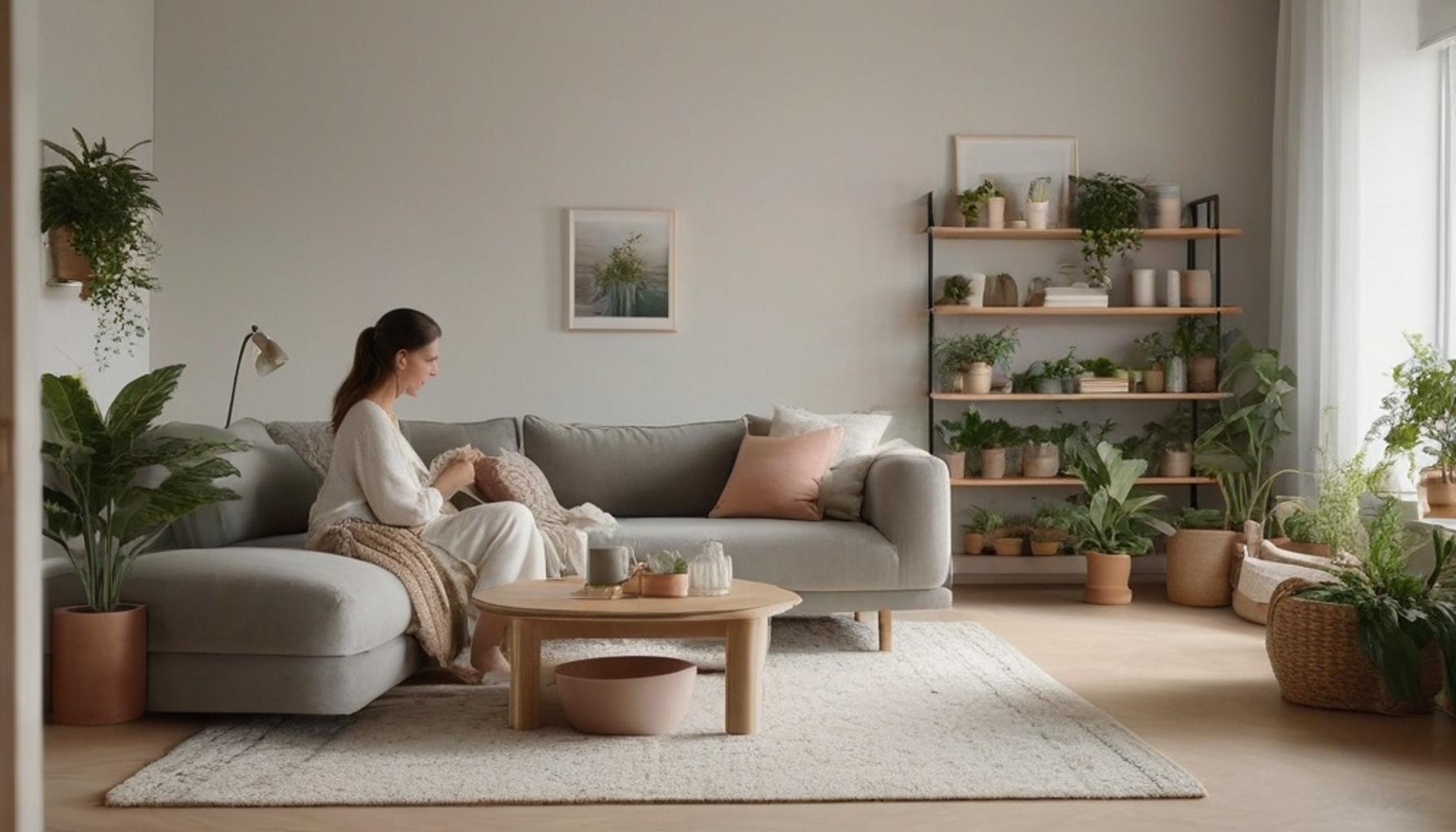
Decluttering Techniques for an Organized Home: Embracing the Minimalist Mindset
Why Decluttering Techniques Are Reshaping American Homes
The average American household contains over 300,000 items, according to the LA Times, yet most families only regularly use a fraction of them. This staggering gap between possession and purpose has sparked a nationwide shift toward simpler living. Many Americans are now realizing that their physical belongings can contribute to emotional and mental clutter, leading to a profound re-evaluation of their relationship with material possessions.
Across the country, homeowners are discovering that decluttering techniques offer more than just tidier closets. They provide a pathway to reduced stress, reclaimed space, and a renewed sense of control over daily life. For instance, a family in San Francisco may find that by removing 50% of their unused items, they not only create a serene environment but also have more space for family activities, fostering closer connections. This shift in perspective is crucial as studies suggest that clean, organized spaces can lead to improved focus and productivity.
This growing movement isn’t just about throwing things away. It’s about adopting a minimalist mindset that questions consumption habits and prioritizes intentional living. By analyzing what truly adds value to their lives, individuals are learning to let go of items that no longer serve their purpose, be it outdated furniture or clothes that haven’t been worn for years. This mindful approach to belongings allows for a more fulfilling life experience, where quality often trumps quantity.
What This Guide Will Cover
Understanding effective decluttering methods requires more than motivation alone. It demands practical strategies tailored to real-life challenges. Here are some key focuses:
- Room-by-room approaches for tackling overwhelming spaces, helping to keep frustrations at bay and progress visible.
- Proven home organization tips used by professional organizers, which range from the popular KonMari method to utilizing vertical storage solutions.
- Sustainable habits that prevent clutter from returning, such as implementing a one-in, one-out policy where new items can only enter the house if an existing item is discarded or donated.
- Budget-friendly storage solutions for every space size, including DIY projects that can transform basic household items into functional storage.
Whether you’re facing a garage full of forgotten items or simply seeking calmer living spaces, organizing your home doesn’t require an all-or-nothing overhaul. In fact, small, consistent changes often yield the most lasting results. An individual can start with just one drawer or closet, finding that progress in one location motivates further action throughout the home.
This exploration into the minimalist lifestyle will reveal why less truly can mean more. As the movement grows, people are sharing their stories online, latest trends, and innovative solutions on social platforms, creating a community dedicated to simplicity. Ready to transform chaos into clarity? The techniques ahead might change how you view every room in your house, allowing for a deeper appreciation of space and purpose.
DIVE DEEPER: Click here for kitchen organization tips
# The Psychology Behind Clutter and Why Letting Go Feels So HardUnderstanding why we accumulate so much stuff is the first step toward meaningful change. Psychologists point to the “endowment effect,” a cognitive bias that makes people assign more value to items simply because they own them. This explains why parting with a chipped coffee mug or an ill-fitting sweater can feel surprisingly difficult, even when logic says otherwise.Retailers and marketers have also mastered the art of encouraging consumption, often equating buying with happiness. According to Statista, the average American spends over $1,700 annually on clothing alone, much of which ends up forgotten in closets within a year. Recognizing these patterns is essential for anyone hoping to adopt lasting decluttering methods that actually stick.
Common Emotional Triggers That Fuel Clutter
Before diving into physical organization, it helps to identify the underlying reasons clutter accumulates in the first place. Many Americans unknowingly hold onto items due to:
- Sentimental attachment — keeping gifts, inherited items, or mementos out of guilt rather than genuine appreciation.
- Fear of waste — believing an item might be useful someday, even after years of it sitting untouched.
- Identity projection — holding onto clothing or equipment tied to a past hobby or a former version of oneself.
- Decision fatigue — avoiding the mental effort required to sort, donate, or discard, which often results in piles growing larger over time.
Recognizing these triggers doesn’t require a therapy session, but it does call for honest self-reflection. This is precisely where the minimalist mindset proves valuable, encouraging individuals to evaluate possessions based on current relevance rather than past attachment or hypothetical future use.
Setting the Foundation for Successful Home Organization
Effective home organization tips always begin with a clear purpose. Simply removing items at random rarely produces lasting results. Instead, professional organizers recommend defining specific goals for each space, whether that means creating a functional home office or establishing a clutter-free kitchen counter for family meals.Setting realistic timelines also matters significantly. Attempting to overhaul an entire house in one weekend often leads to burnout and abandoned projects. Many experts suggest dedicating just 20 to 30 minutes daily to a single area, allowing for steady progress without overwhelming stress.This foundational mindset shift, from “getting rid of things” to “creating intentional space,” reflects the broader philosophy of the minimalist lifestyle. It transforms decluttering from a chore into an empowering practice, one that pays dividends in both mental clarity and physical space throughout organizing your home.
DISCOVER MORE: Click here for a clutter-free kitchen
# Proven Decluttering Techniques That Deliver Real ResultsOnce the psychological groundwork is understood, practical strategies become far more effective. Several structured decluttering methods have gained popularity across the United States, each offering a distinct approach for tackling accumulated belongings.
The Four-Box Method for Quick Sorting
This straightforward technique requires labeling four containers: keep, donate, trash, and relocate. As items are handled, they’re immediately sorted into one of these categories, eliminating the paralysis that comes from vague decision-making.Professional organizers note that this method works particularly well for closets, garages, and basements, spaces where clutter tends to accumulate silently over months or years. The key is committing to a decision the moment an item is picked up, rather than setting it aside for “later” consideration.
The 90/90 Rule for Practical Evaluation
Popularized by minimalist advocates Joshua Fields Millburn and Ryan Nicodemus, this rule asks a simple question: has this item been used in the past 90 days, and will it likely be used in the next 90? If the answer to both is no, it’s probably safe to let go.This approach removes emotional guesswork from the equation, replacing it with a measurable, time-based standard that’s easy to apply consistently across different rooms.
Digital Decluttering: An Often-Overlooked Frontier
Physical spaces aren’t the only areas accumulating clutter. Data from a 2023 Backblaze survey revealed that the average American stores over 2,000 photos on their smartphone, many duplicates or blurry shots never viewed again.Applying decluttering techniques to digital environments involves:
- Unsubscribing from promotional emails that clutter inboxes and encourage impulsive spending.
- Organizing cloud storage into clearly labeled folders rather than one overwhelming dump file.
- Deleting unused apps that quietly consume storage and mental attention.
Room-by-Room Strategies for Sustainable Organization
Rather than approaching an entire home at once, breaking the process into manageable zones supports the minimalist lifestyle far more effectively.
Kitchen and Pantry Priorities
Kitchens often accumulate duplicate gadgets and expired pantry items. The National Resources Defense Council estimates that American households waste roughly $1,500 worth of food annually, much of it forgotten in cluttered pantries. Reviewing expiration dates monthly and limiting countertop appliances to daily-use items can dramatically improve functionality.
Bedroom and Closet Refinement
Clothing represents one of the most emotionally charged categories. Implementing a one-year rule, removing anything unworn for twelve consecutive months, provides a practical benchmark that aligns naturally with seasonal wardrobe rotations throughout the country.These targeted home organization tips demonstrate that organizing your home doesn’t require sweeping, overwhelming gestures. Instead, small, deliberate actions applied consistently across specific spaces create momentum that’s far easier to sustain long-term.
DISCOVER MORE: Click here for kitchen organization tips
Embracing a Lasting Minimalist Mindset
Building an organized home isn’t the result of a single weekend purge. It’s the byproduct of consistently applying decluttering techniques until they become second nature rather than a chore reserved for New Year’s resolutions.
From the Four-Box Method to the 90/90 Rule, each strategy explored throughout this article shares a common thread: replacing emotional hesitation with clear, actionable standards. Whether sorting a garage full of forgotten tools or trimming a smartphone’s photo library, the underlying principle remains the same, intentional ownership over passive accumulation.
What often goes unmentioned is that organizing your home extends beyond aesthetics. Reduced clutter has been linked to lower cortisol levels and improved focus, according to research from the Princeton University Neuroscience Institute. In other words, the benefits reach far beyond tidy shelves.
Digital spaces deserve continued attention as well. As smart homes and cloud storage expand, the definition of “clutter” will likely keep evolving, making adaptability an essential part of any minimalist lifestyle.
For readers ready to begin, the most practical advice is also the simplest: start small. Choose one drawer, one shelf, or one folder. Apply a single method consistently, then expand gradually.
Ultimately, adopting a minimalist mindset isn’t about owning less for its own sake, it’s about creating space, physically and mentally, for what genuinely matters. These home organization tips and decluttering methods offer a starting point, but the real transformation happens when small, repeated actions turn into a sustainable habit worth maintaining for years to come.
Frequently Asked Questions
What are some effective decluttering techniques to start with in a small living space?
In a small living space, you can start with the ‘One In, One Out’ rule, where for every new item you bring in, you remove one. Also, try the ‘Four-Box Method’ by labeling boxes as ‘Keep’, ‘Donate’, ‘Trash’, and ‘Undecided’ to help you categorize items effectively. Both techniques encourage mindful decisions about your possessions.
How can I maintain my decluttering efforts after the initial clean-up?
To maintain your decluttered space, establish a daily or weekly routine for quick assessments of your belongings. Consider dedicating a specific time each week to reevaluate items that might need to be reassessed or purged. Staying consistent with these habits helps reinforce the minimalist mindset and keeps clutter at bay.
What are some common psychological barriers to decluttering and how can I overcome them?
Common psychological barriers include sentimental attachment to items and the fear of losing essential belongings. To overcome these feelings, visualize the benefits of a decluttered space or set clear criteria for keeping items based on their utility or emotional value. Consider involving a friend for support to help you objectively assess your possessions.
How do I decide what to keep and what to let go of when decluttering?
A solid approach is to ask yourself whether each item serves a purpose or brings you joy. Consider the ‘Last Used’ method, where you evaluate when you last utilized the item; if it’s been over a year and isn’t essential, it might be time to let it go. Keeping a strict ‘What do I need now?’ mindset can guide your decisions effectively.

Beatriz
Beatriz Johnson is a seasoned minimalist and writer with a passion for simplifying the complexities of personal organization and intentional living. With over a decade of experience in decluttering strategies and mindful consumption, she specializes in topics like space optimization, habit simplification, and sustainable lifestyle choices. Through her work on our website, Beatriz empowers readers to embrace minimalism, reduce mental and physical clutter, and create more meaningful, organized lives in today's fast-paced world.