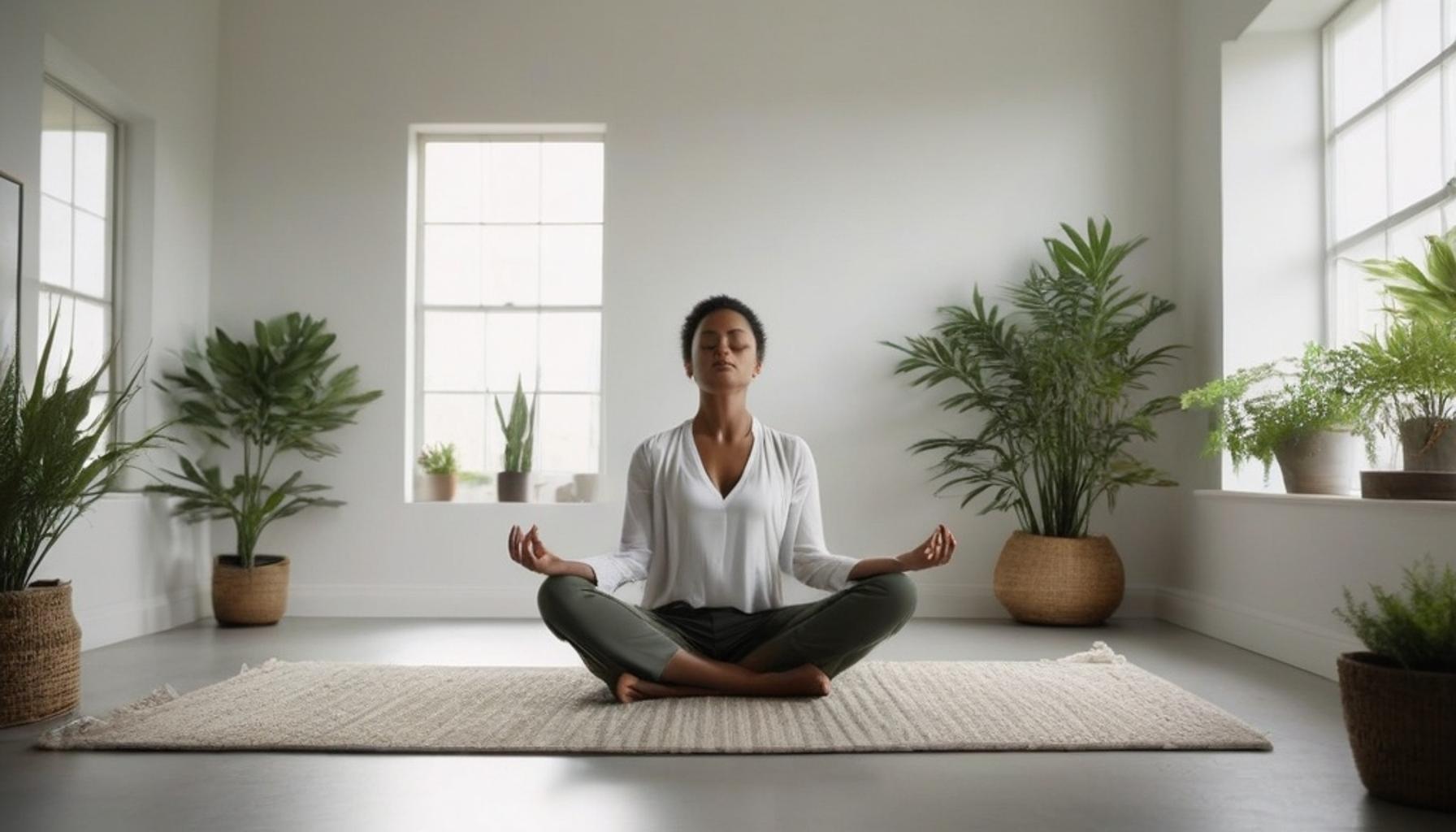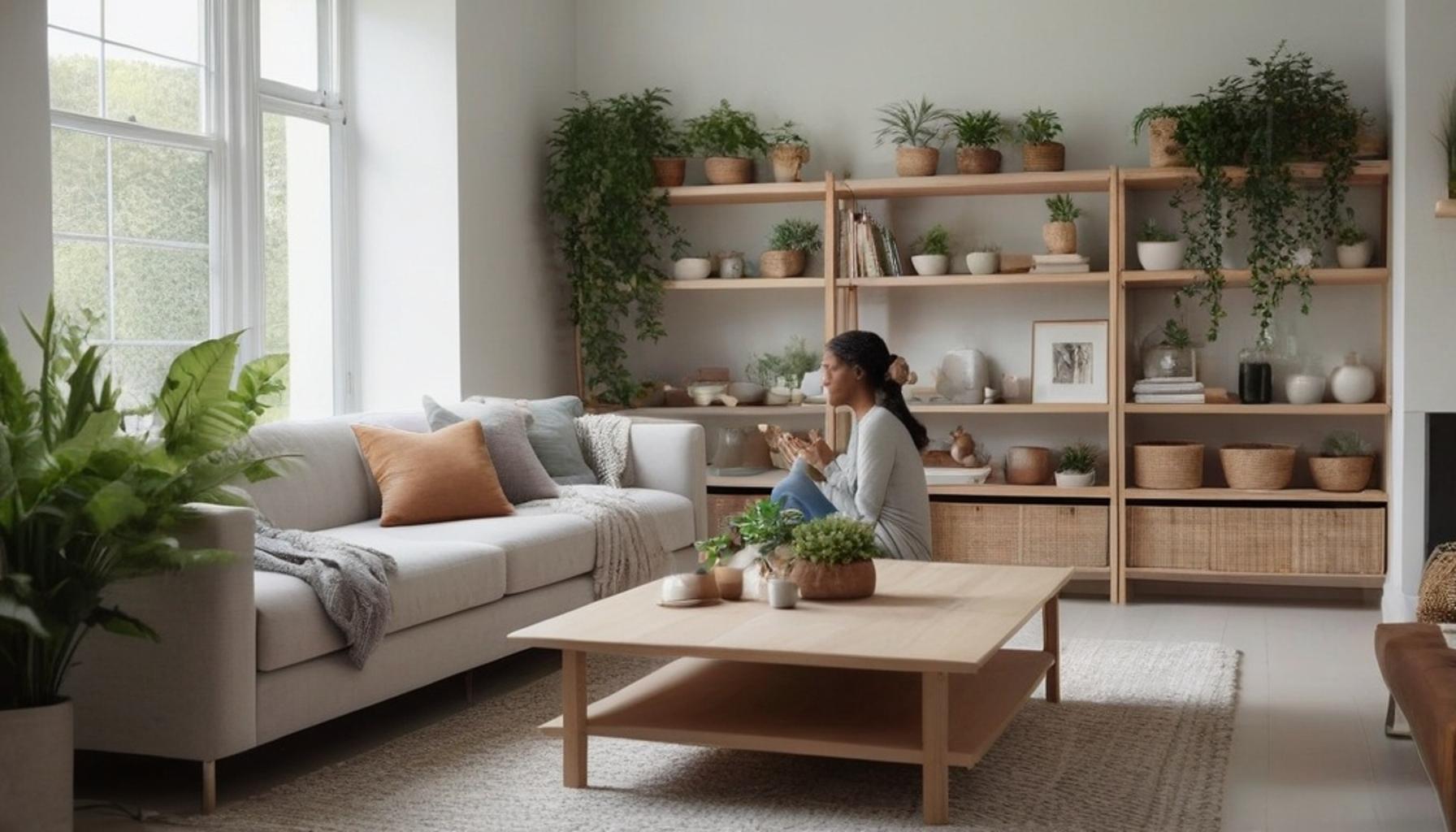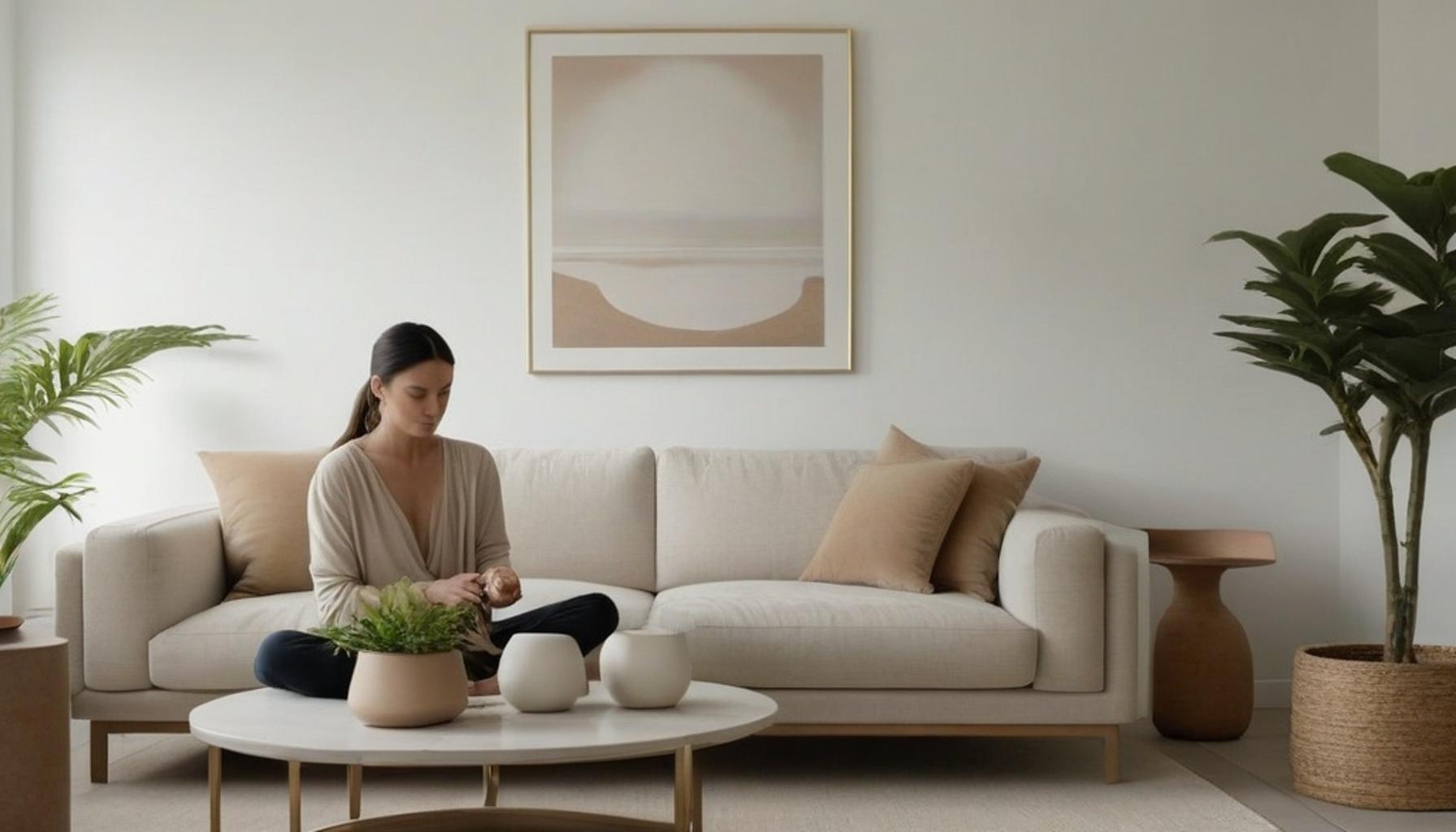
Mindfulness and Clutter-Free Living: Techniques for Small Space Organization
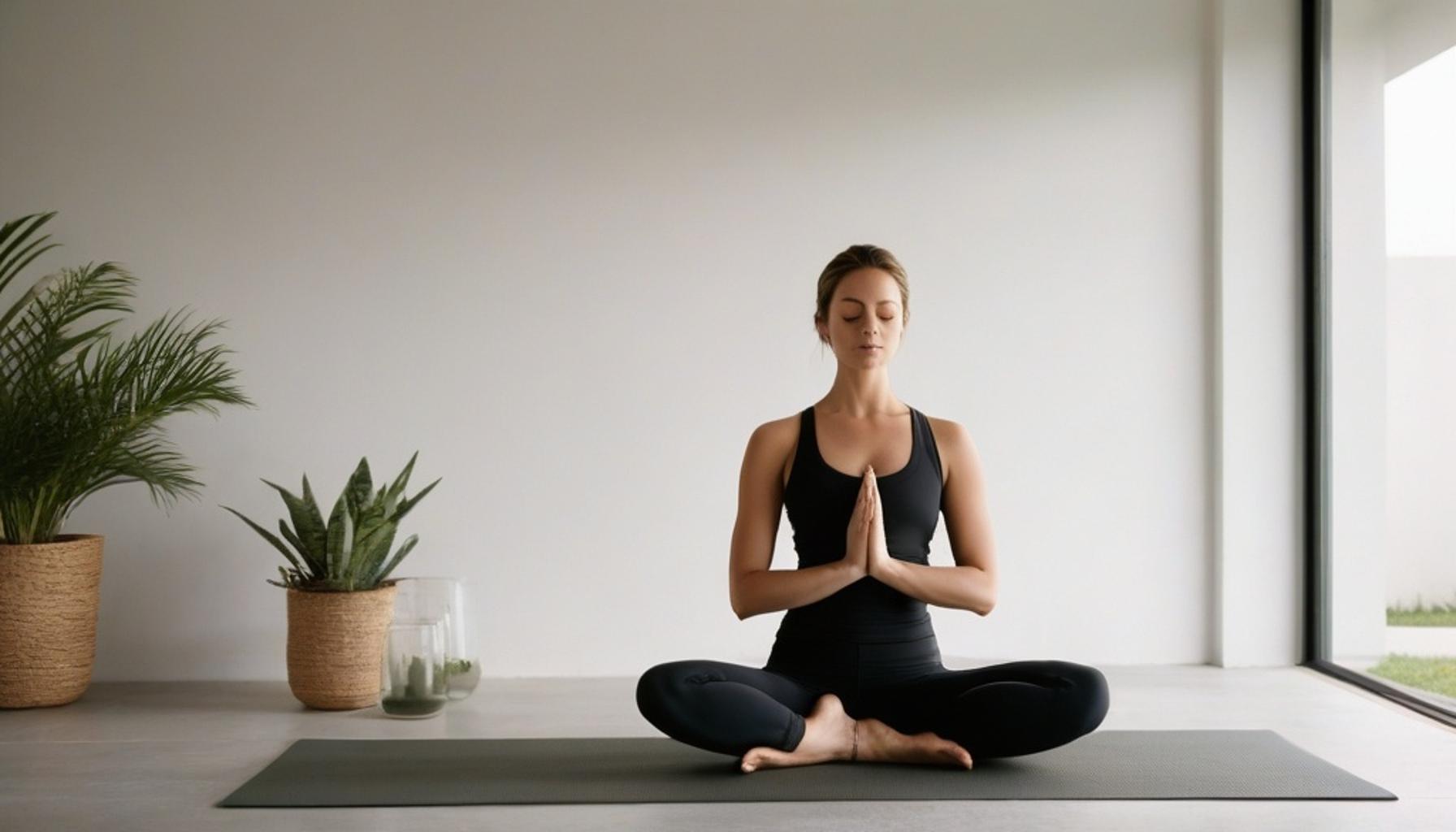
As urban living continues to rise, the reality of confined spaces has become a daily challenge for many. With nearly 33% of Americans residing in apartments measuring under 1,000 square feet, the art of effective clutter management is becoming increasingly essential. In these snug environments, a small issue—such as a single unwashed dish left in the sink—can escalate into a considerable source of frustration and stress. This dynamic highlights why mindfulness clutter-free living can serve as a transformative approach to creating a peaceful home environment.
Why Mindfulness Changes Everything
Conventional organizing techniques often fall short because they overlook the psychological dimensions of clutter. The overwhelming emotional attachments we form with our belongings can cloud our judgment when it comes to decluttering. By integrating mindfulness meditation for decluttering with practical organizational systems, individuals can tackle both the tangible mess that clutters physical spaces and the sentimental baggage that clutters the mind. This holistic approach ultimately results in a home—and a mental state—that feels genuinely lighter and more functional.
This methodology resonates deeply in busy urban areas such as New York, San Francisco, and Chicago, where residents frequently adapt to living in micro-apartments or studio units. In these cities, innovators in small-space living are developing unique small space organization techniques that enhance usability without compromising tranquility. For instance, in a one-room apartment, utilizing vertical wall space for shelving can free up floor area, creating both a practical workspace and a peaceful retreat.
What This Guide Covers
This article will delve into a variety of actionable strategies aimed at transforming cramped quarters into serene and functional environments. Here’s what you can expect to uncover:
- Simple mindfulness meditation for decluttering practices you can implement in just five minutes each day
- Proven tips for organizing small apartments, including insights on vertical storage solutions and versatile multi-use furniture
- Core minimalist lifestyle practices designed to alleviate decision fatigue and foster a sense of clarity
- Sustainable clutter-free home tips that extend well beyond an initial purge, ensuring lasting organization
Whether you’re living in a 400-square-foot studio or a cozy starter home, these methods illustrate that limited square footage does not equate to limited peace. With targeted mindfulness techniques and effective organizing strategies, anyone can cultivate a restful oasis amidst the hustle and bustle of daily life.
DISCOVER: Click here for expert tips on a clutter-free kitchen
# The Science Behind Small Space OverwhelmBefore diving into solutions, it helps to understand why clutter feels so much heavier in small spaces. Researchers at UCLA’s Center on Everyday Lives and Families found that women who described their homes as cluttered or stressful had higher levels of the stress hormone cortisol throughout the day. In a 300-square-foot studio, that visual noise is simply harder to escape.This is where mindfulness clutter-free living distinguishes itself from a typical weekend purge. Instead of treating clutter as purely a logistics problem, this approach recognizes that our nervous systems respond to visual chaos the same way they respond to unresolved tasks—both trigger a low-grade sense of unfinished business.
The Emotional Inventory Most People Skip
Traditional decluttering guides tell you to sort items into “keep,” “donate,” and “trash” piles. What they rarely mention is the mental negotiation happening in real time—the guilt over an unused wedding gift, the nostalgia tied to concert t-shirts, the “just in case” anxiety about tools you haven’t touched in three years.Mindfulness-based approaches address this directly. Before physically touching an item, practitioners are encouraged to pause and ask:
- Does this object serve my current life, or a version of myself that no longer exists?
- Am I keeping this out of genuine need, or fear of regret?
- Would I purchase this again today, knowing what I know now?
This brief mental checkpoint—often just 10 to 15 seconds per item—prevents the common trap of re-cluttering within weeks of a big cleanout, a cycle familiar to anyone who’s donated a bag of clothes only to refill the closet within a month.
Why Small Apartments Amplify the Problem
In cities like Boston, Seattle, and Los Angeles, where average studio apartments now rent for over $2,000 a month according to recent rental market data, every square foot carries real financial weight. Wasted space isn’t just an aesthetic issue; it’s money spent on storage you can’t actually use.This financial reality makes tips for organizing small apartments less about minimalist aesthetics and more about functional survival. A kitchen table buried under mail isn’t just unsightly—it’s a workspace, a dining area, and sometimes a desk, all rendered useless simultaneously.Understanding this connection between mental clarity and physical space sets the foundation for the practical techniques ahead, where small space organization techniques and daily mindfulness habits work together rather than as separate, competing tasks.
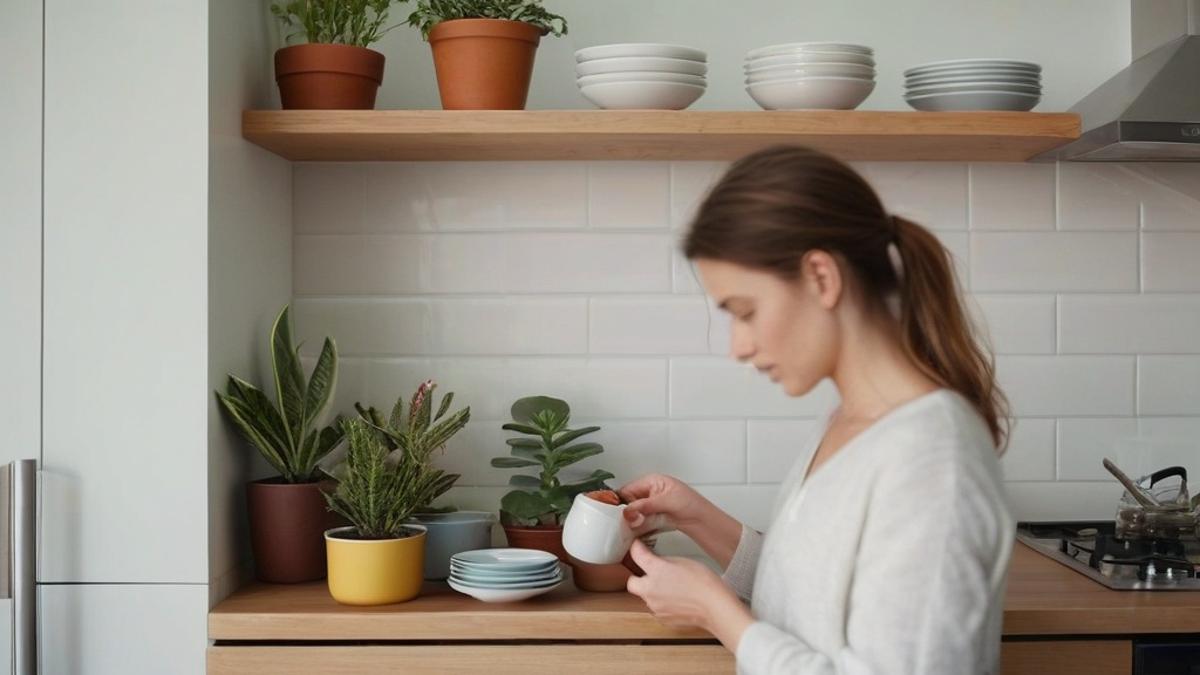
DISCOVER MORE: Click here for tips on kitchen organization
# Practical Techniques That Bridge Mind and SpaceOnce the emotional groundwork is laid, the next step involves concrete methods that merge psychological clarity with physical action. These aren’t abstract wellness concepts—they’re repeatable systems that fit into a busy Tuesday evening as easily as a lazy Sunday afternoon.
The One-Minute Breathing Reset Before You Organize
Professional organizers increasingly borrow from meditation practices, and for good reason. A quick body-scan breathing exercise before tackling a closet or junk drawer shifts the nervous system out of avoidance mode.Mindfulness meditation for decluttering doesn’t require an hour on a cushion. Try this instead:
- Sit for 60 seconds before opening a drawer or closet
- Notice any tension, dread, or overwhelm in the body
- Set a single, specific intention, such as “I’m only sorting mail today”
This tiny ritual prevents the common spiral where a fifteen-minute task balloons into a four-hour emotional excavation of the entire apartment.
The Ten-Minute Zone Method
Instead of attacking an entire studio apartment at once, mindfulness-based organizing favors narrow, contained zones. A kitchen counter. A single dresser drawer. The entryway table by the door.This approach mirrors a technique often called “micro-decluttering,” where small space organization techniques focus on ten-minute sessions rather than marathon weekend purges. Data from professional organizing firms suggests that consistent short sessions produce longer-lasting results than infrequent deep cleans, largely because they don’t trigger the decision fatigue that leads to abandoned projects halfway through.
Vertical Thinking for Horizontal Problems
New Yorkers living in 400-square-foot railroad apartments have long understood a principle that’s now backed by design research: floor space is finite, but wall space is underused.Tips for organizing small apartments increasingly emphasize vertical storage—wall-mounted shelving, over-the-door organizers, and pegboards in kitchens. This isn’t just a space-saving trick; it’s a visual one too. Clearing horizontal surfaces reduces the “visual noise” that researchers link to elevated stress responses.
The One-In, One-Out Discipline
Among minimalist lifestyle practices, few are as quietly effective as this simple rule: for every new item brought into the home, one existing item leaves.This isn’t about deprivation. It’s about maintaining equilibrium in spaces that simply cannot absorb unlimited accumulation. Apartment dwellers in Chicago and San Francisco, where storage units can cost an additional $150 to $300 monthly, often find this rule saves real money, not just square footage.These clutter-free home tips work best when treated as ongoing habits rather than one-time fixes, since small spaces demand continuous, gentle recalibration rather than dramatic overhauls.
Bringing It All Together: Small Spaces, Clearer Minds
The connection between mindfulness clutter-free living and everyday wellbeing isn’t a passing wellness trend—it’s a practical response to how Americans actually live now. With the average new apartment in cities like Boston and Seattle shrinking to under 750 square feet, according to recent housing data, the pressure on every square inch has never been higher.
What separates a chronically cluttered studio from a calm, functional one isn’t square footage. It’s the presence of a system.
Throughout this article, the recurring theme has been intentionality over intensity. A 60-second breathing pause before organizing outperforms a frantic four-hour purge. Ten-minute zone sessions outlast weekend-long overhauls. Vertical shelving solves problems that floor space never could.
These aren’t isolated hacks. Together, they form a coherent approach where small space organization techniques and psychological awareness reinforce each other.
A few final considerations worth carrying forward:
- Progress matters more than perfection—one drawer done mindfully beats an entire closet done resentfully
- Consistency, not intensity, sustains organized spaces long-term
- Physical clutter and mental clutter tend to rise and fall together, not separately
For anyone still searching for tips for organizing small apartments that actually stick, the answer may lie less in buying more bins and more in slowing down before tackling the mess at all.
Ultimately, minimalist lifestyle practices and clutter-free home tips succeed not because they demand less stuff, but because they demand more attention—brief, repeated, and intentional. In a country where living spaces keep shrinking, that shift in attention might be the most valuable square footage of all.
Frequently Asked Questions
How can mindfulness practices help in decluttering my small living space?
Mindfulness practices can enhance your awareness of belongings and their impact on your mental state. By taking time to reflect on what you truly need and value, you can make intentional decisions about what to keep and what to let go, leading to a clutter-free environment that supports your well-being.
What are some mindfulness techniques I can use while organizing my small apartment?
Techniques such as focusing on your breath while sorting items or engaging in a body scan can help ground you during the decluttering process. Additionally, setting a timer for short intervals and practicing gratitude for the items you choose to keep can create a more peaceful organizing experience.
Can adopting a minimalist mindset enhance my journey towards a clutter-free life?
Yes, adopting a minimalist mindset encourages you to prioritize quality over quantity, which aligns perfectly with mindfulness. By focusing on owning fewer, meaningful items, you reduce distractions and create a serene space that promotes mental clarity and relaxation.
How do I maintain mindfulness clutter-free living after I’ve organized my space?
To maintain mindfulness clutter-free living, regularly assess your belongings and practice mindful consumption when acquiring new items. Establish a daily routine that involves tidying up and reflecting on your space to ensure it continues to align with your values and promotes a peaceful atmosphere.

Beatriz
Beatriz Johnson is a seasoned minimalist and writer with a passion for simplifying the complexities of personal organization and intentional living. With over a decade of experience in decluttering strategies and mindful consumption, she specializes in topics like space optimization, habit simplification, and sustainable lifestyle choices. Through her work on our website, Beatriz empowers readers to embrace minimalism, reduce mental and physical clutter, and create more meaningful, organized lives in today's fast-paced world.