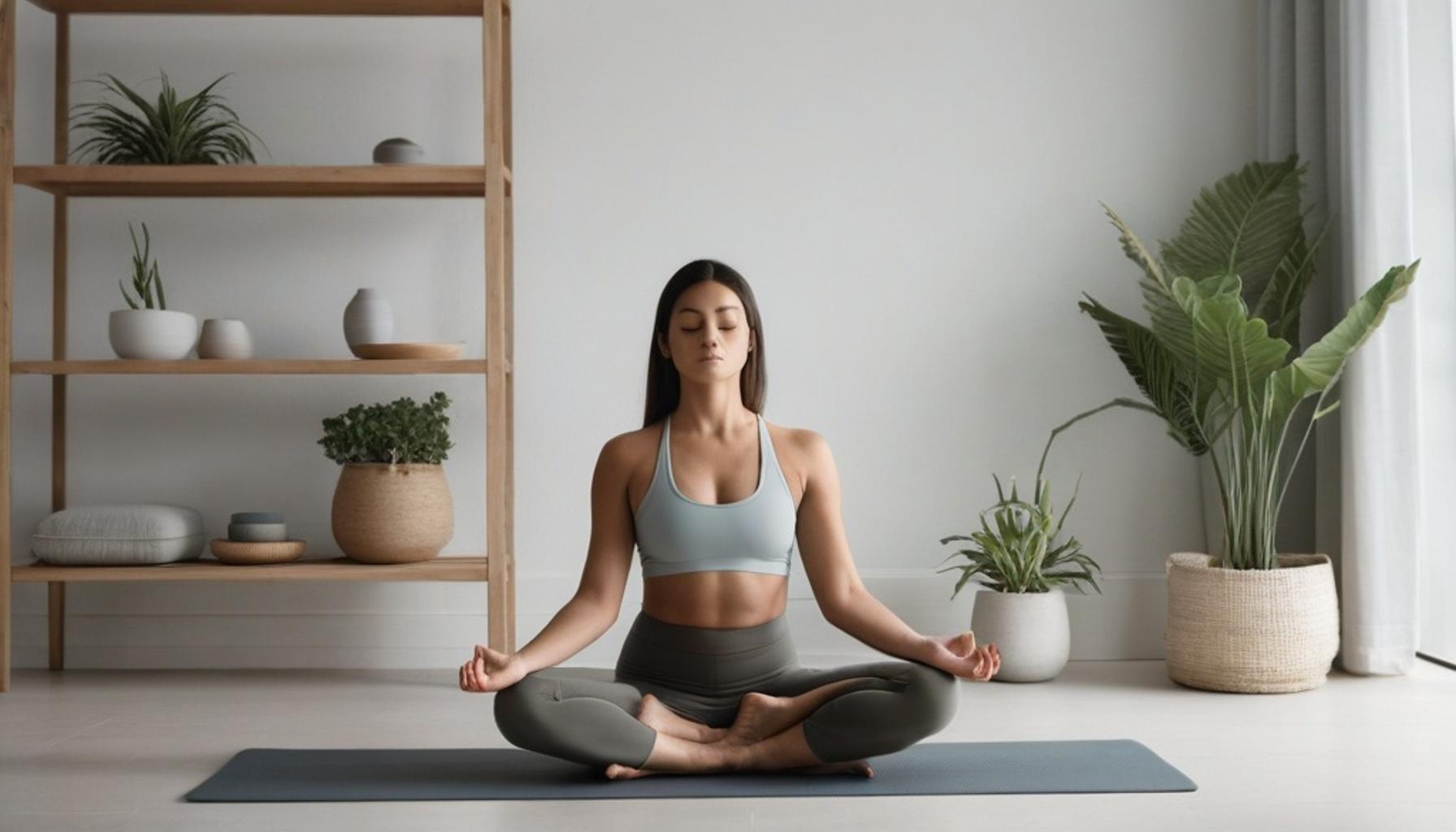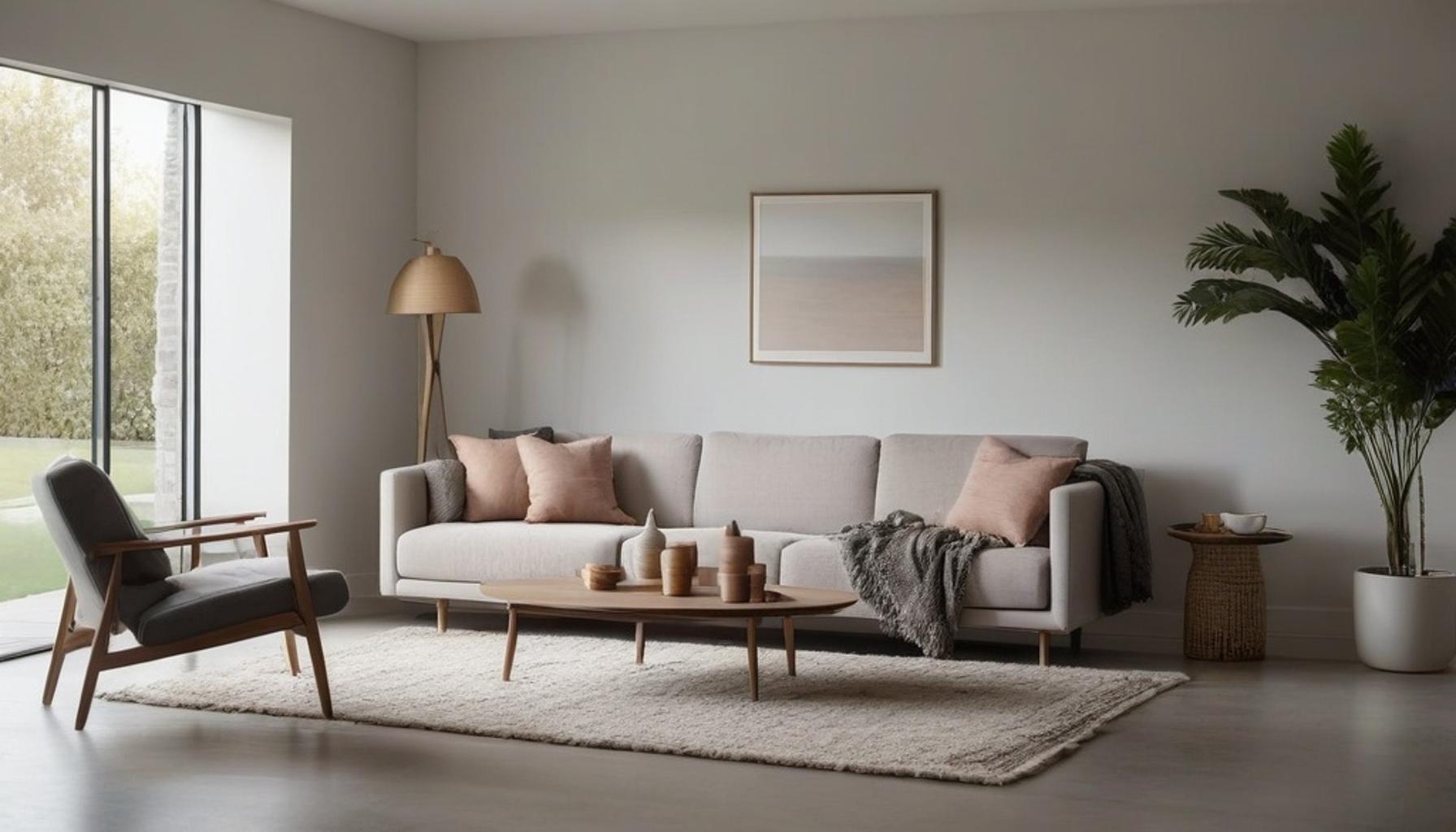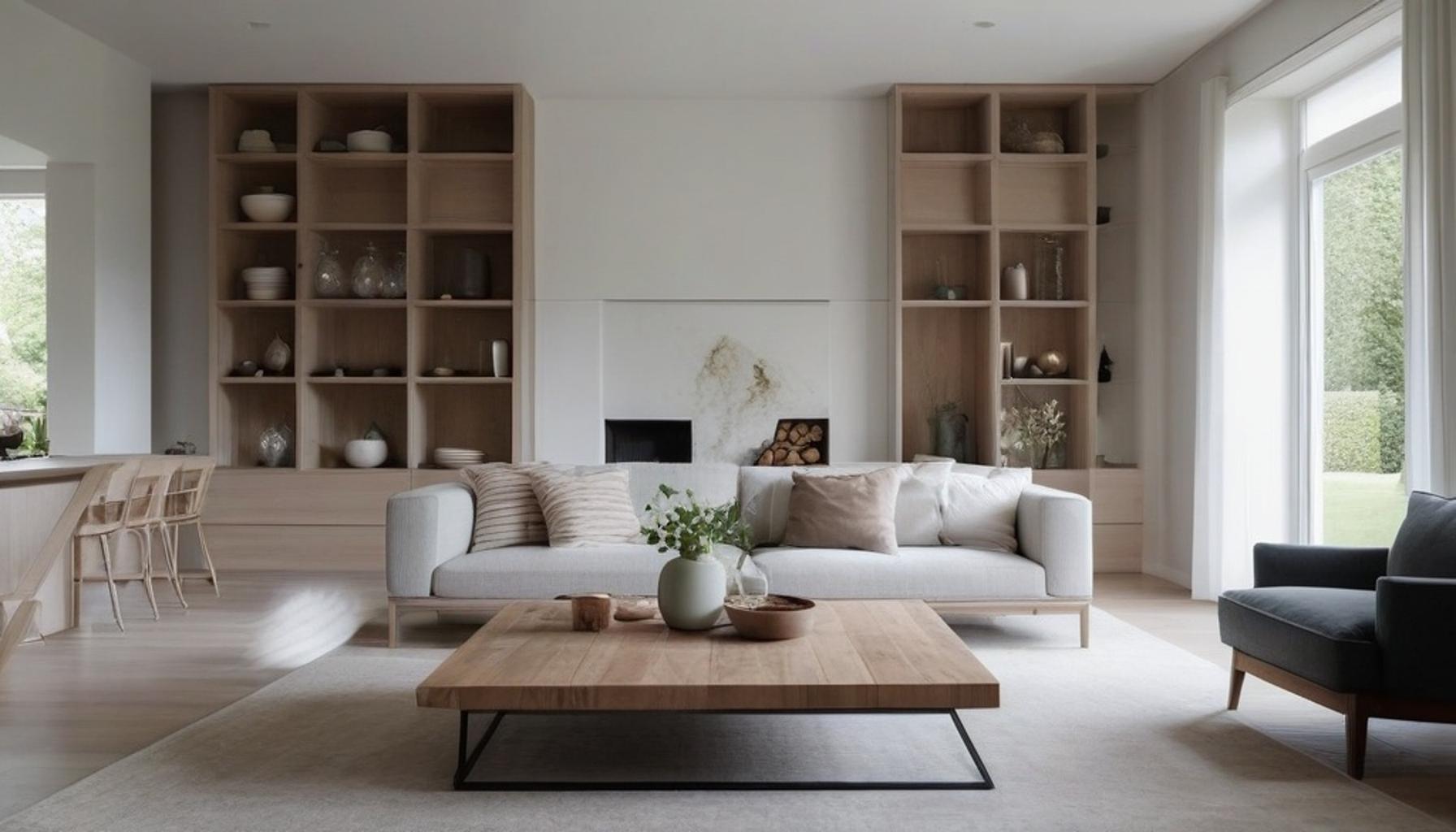
The Journey of Minimalism: How Simplified Living Can Improve Your Emotional Well-Being
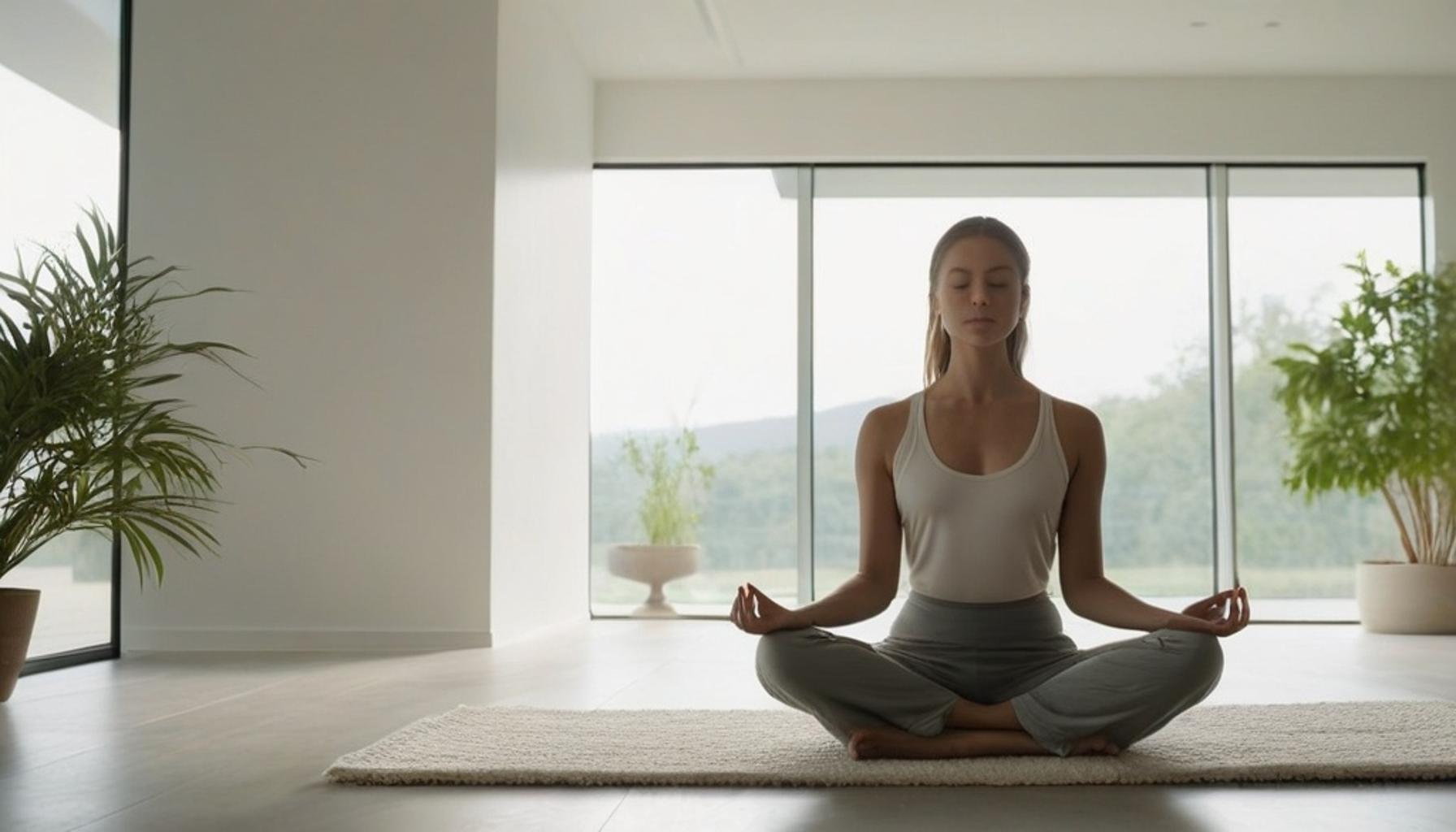
Across the United States, from cozy New York City apartments to expansive suburbs in Texas, a quiet revolution is unfolding. People are trading closets full of clothes and garages packed with gadgets for something less tangible but far more valuable: peace of mind. This shift toward minimalism and emotional well-being isn’t just a passing trend—it’s a thoughtful response to decades of consumer overload and the accompanying stress it brings.
Consider the startling statistics: the average American household contains over 300,000 items, cluttering not just physical space but also mental clarity. As a result, self-storage has burgeoned into a $39 billion industry nationwide, reflecting a societal inclination toward accumulating items rather than letting them go. Yet, recent studies consistently link clutter to elevated cortisol levels and chronic stress, suggesting that our obsession with stuff might be doing more harm than good.
What This Journey Really Involves
The path toward simplified living is diverse and varies from person to person. However, common threads emerge that many find beneficial. For instance, individuals often begin with:
- Decluttering physical spaces, tackling one room at a time to create organized environments that promote tranquility.
- Reassessing spending habits, from impulsive buys to reevaluating subscription services that often go underused or unappreciated.
- Limiting digital distractions and screen time, leading to more meaningful interactions and improved focus in both personal and professional settings.
- Prioritizing experiences over material possessions, fostering memories and relationships that contribute to personal growth and happiness.
These small, deliberate choices often ripple outward, positively affecting relationships, work performance, and overall life satisfaction. Individuals who embrace this minimalist journey frequently report feeling more in control of their lives and more satisfied with their daily experiences.
The Emotional Payoff
Research into the emotional benefits of decluttering reveals fascinating connections between our physical space and mental clarity. Psychologists emphasize that minimalism for mental health can significantly reduce decision fatigue. With fewer possessions, individuals face fewer daily choices, conserving cognitive energy for more important decisions.
This article showcases the deeper science behind these benefits of minimalism, tracing how simplifying one’s environment can lead to lasting emotional resilience. Along this exploration, practical strategies will be shared, making it accessible for anyone to implement changes in their lives, no matter where they start. From decluttering your home to changing your mindset, the journey toward minimalism is one that unfolds uniquely for each individual, offering rich rewards in peace of mind and emotional clarity.
RECOMMENDED: Efficient Living: Practical Organization Tips for Every Room in Your Home
The Science Behind Why Less Truly Feels Like More
As contemporary life becomes increasingly fast-paced and demanding, the notion of minimalism and emotional well-being has gained traction. This trend is not just a passing fad; it is grounded in substantial scientific research. Neuroscientists at Princeton University have conducted studies revealing that visual clutter exerts a significant toll on our cognitive functions. The brain, when surrounded by excessive stimuli, struggles to process information effectively and stays focused on tasks. This means that even a seemingly innocuous heap of unfiled papers or an overloaded kitchen countertop is more than just an aesthetic nuisance—it actively siphons off our mental energy.
This understanding might clarify why a diverse range of Americans, from overworked professionals in bustling cities like Chicago to retirees choosing to downsize in serene Florida settings, are increasingly drawn to simplified living. When our surroundings are stripped of distractions, our brains can redirect resources toward creative endeavors, effective problem-solving, and improved emotional regulation. This shift can lead to remarkable transformations not just in physical space but also in mental clarity.
Clutter, Cortisol, and the Stress Connection
Research published in the journal Personality and Social Psychology Bulletin adds another layer of insight into this phenomenon. The study discovered that women who characterized their homes as disorganized or cluttered exhibited elevated levels of cortisol, which is recognized as the body’s main stress hormone. In simple terms, this connection indicates that the emotional advantages of decluttering are quite profound: a more orderly environment does not merely enhance visual appeal; it can fundamentally alter our body’s response to stress.
The ramifications of living amidst clutter extend far beyond immediate psychological discomfort. Chronic environmental stress from clutter can have far-reaching effects, manifesting in several critical areas of life:
- Reduced sleep quality: Studies have revealed that cluttered bedrooms can hinder relaxation and increase nighttime anxiety, adversely affecting overall well-being.
- Lower productivity levels: Research has demonstrated that messy workspaces can correlate with procrastination and diminished task completion rates, which may impede professional advancement.
- Strained relationships: In shared living spaces, persistent disagreements over clutter can become a recurring source of tension, undermining domestic harmony and connection.
- Diminished self-esteem: The mental burden of unfinished organizational projects may contribute to a felt sense of failure or feeling perpetually overwhelmed, affecting mental health and overall self-image.
Our understanding of these dynamics is crucial in recognizing why minimalism for mental health has emerged as an appealing topic for both researchers and individuals seeking change. Far from being about aesthetics or simply following the latest design trends, true minimalism is about crafting a living environment that supports emotional health and stability, making it a matter of psychological necessity rather than mere preference.
Many who embark on the journey towards how to live minimally often stumble upon an unexpected benefit: a renewed sense of identity. As possessions that once defined their space reduce in number, many individuals gain clarity about what truly resonates with them. This newfound perspective can act as a catalyst for broader lifestyle changes, impacting not only how they approach physical space but also how they engage mentally, emotionally, and socially.
In conclusion, the appeal of minimalism is multifaceted, encompassing psychological, emotional, and social dimensions. As more Americans embrace this lifestyle, it becomes increasingly clear that adopting practices of simplicity can manifest substantial rewards, ultimately leading to healthier, more fulfilling lives. The evidence suggests that pursuing less can often yield far more—more clarity, more peace, and ultimately, more joy.
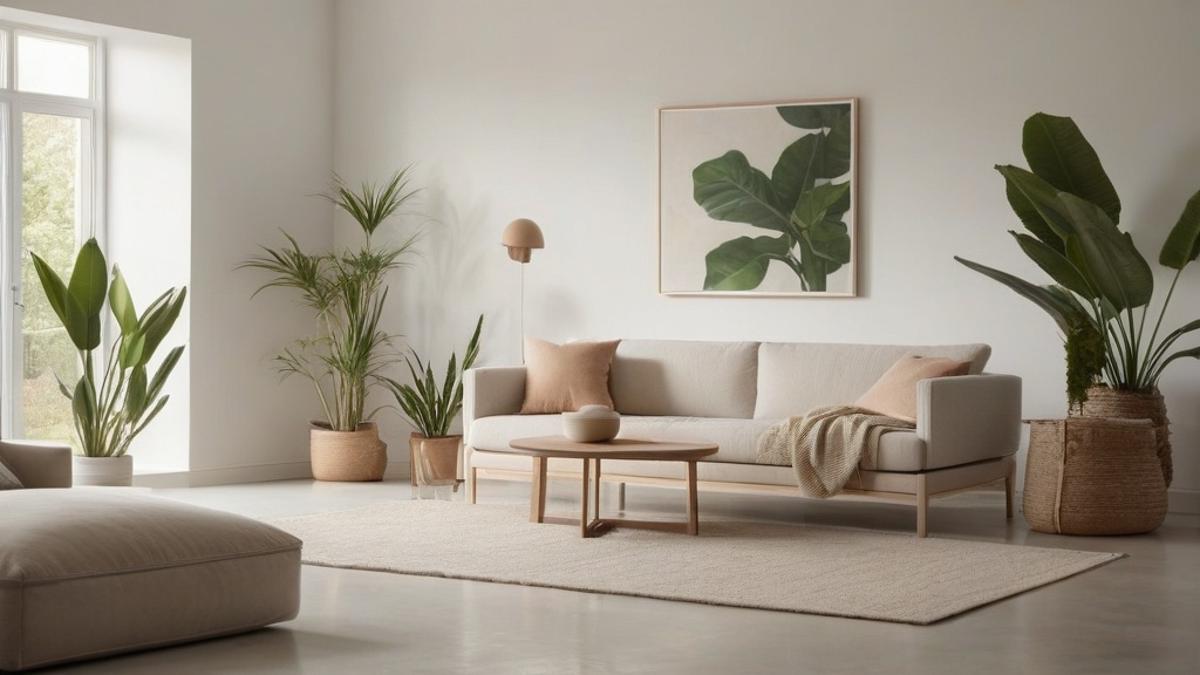
RECOMMENDED: Intentional Living: Designing Your Minimalist Home with Multifunctional Furniture
From Theory to Practice: Real-World Applications of Minimalist Living
Understanding the science behind clutter is one thing, but translating that knowledge into actionable change is where the real transformation begins. Across the United States, from tiny apartments in Brooklyn to suburban homes in Austin, people are discovering practical entry points into minimalism and emotional well-being that do not require drastic, overnight overhauls.
The Container Store’s 2023 annual survey found that 78 percent of Americans who organized their homes reported feeling less stressed and more in control of their lives. This statistic underscores an important truth: the emotional benefits of decluttering are not reserved for those who purge everything they own. Instead, meaningful change often starts with small, deliberate actions.
Practical Starting Points for Simplified Living
For those wondering how to live minimally without feeling deprived, experts suggest beginning with high-traffic areas that generate daily friction. Consider these approachable strategies:
- The one-in, one-out rule: For every new item brought into the home, one existing item is donated or discarded, preventing accumulation before it starts.
- The 90/90 rule: If an item has not been used in the past 90 days and is not anticipated to be used in the next 90, it likely does not serve a functional purpose in daily life.
- Digital decluttering: Unsubscribing from unnecessary email lists and organizing digital files can reduce cognitive overload just as effectively as clearing physical space.
- The 12-12-12 challenge: Finding twelve items to throw away, twelve to donate, and twelve to return to their proper place offers a manageable, low-pressure introduction to organizing.
These methods reflect a broader philosophy embedded in simplified living—that intentionality, rather than deprivation, drives lasting change. Minimalism is not about arbitrary restriction; it is about aligning possessions with genuine needs and values.
The Financial and Environmental Ripple Effects
Beyond emotional gains, the benefits of minimalism extend into practical territory that many Americans find equally compelling. A 2022 study by the American Psychological Association linked reduced consumerism to lower financial anxiety, particularly among millennials facing student debt and rising housing costs.
Households practicing minimalist principles often report saving hundreds of dollars monthly simply by resisting impulsive purchases driven by advertising or social comparison. This financial breathing room can, in turn, alleviate one of the most persistent sources of chronic stress in American life.
Environmental considerations also intersect with this lifestyle shift. The Environmental Protection Agency estimates that the average American generates over four pounds of waste daily. Choosing quality over quantity, and mindful consumption over habitual acquisition, allows individuals to reduce their ecological footprint while simultaneously supporting minimalism for mental health.
What emerges from these practical applications is a clear pattern: simplifying one’s physical environment tends to simplify emotional and financial landscapes as well, creating a ripple effect that touches nearly every aspect of daily life.
The Path Forward: Embracing Minimalism as an Ongoing Practice
The journey toward minimalism and emotional well-being rarely follows a straight line. It is less a destination than an evolving relationship with the objects, habits, and mental clutter that accumulate over time. What began centuries ago as philosophical restraint has become, for many Americans, a practical response to modern overwhelm.
Throughout this exploration, one theme surfaces repeatedly: the emotional benefits of decluttering extend far beyond tidy closets or empty countertops. They touch financial stability, environmental responsibility, and the quality of daily thought itself. When physical space clears, mental space often follows.
This does not mean minimalism looks identical for everyone. A family in Ohio might embrace simplified living by limiting toy purchases, while a young professional in Seattle might focus on digital decluttering and subscription audits. The methods vary, but the underlying goal remains consistent: reducing friction between people and their environments.
Considering What Comes Next
For readers curious about how to live minimally without upending their entire lifestyle, the research suggests starting small carries real weight. A single drawer, one unsubscribed newsletter, or a week without impulse purchases can reveal whether this approach resonates personally.
It is also worth acknowledging that minimalism for mental health is not a universal cure. Some individuals may find that other interventions, including therapy or community support, work better alongside decluttering efforts rather than in place of them.
Ultimately, the benefits of minimalism invite a broader question that extends beyond organizing tips: what would daily life feel like with fewer distractions competing for attention? That question, more than any checklist or rule, may be the true starting point worth exploring further.
Frequently Asked Questions
How does minimalism contribute to improved emotional well-being?
Minimalism contributes to improved emotional well-being by reducing clutter and distractions in your life, which can lead to decreased stress and anxiety. By focusing on what truly matters, individuals often find a greater sense of clarity and purpose, enhancing overall mental health.
Can adopting minimalism actually change my mindset about material possessions?
Yes, adopting minimalism can significantly change your mindset about material possessions. It encourages you to value experiences over things, leading to a healthier relationship with your belongings and diminishing the urge to accumulate more items, which can often cause emotional strain.
What practical steps can I take to start living a minimalist lifestyle?
To begin living a minimalist lifestyle, start by decluttering your living space—remove items that don’t bring you joy or serve a purpose. Additionally, establish a ‘one in, one out’ rule for new purchases to help maintain minimalism and create a more peaceful environment that supports your emotional well-being.
How can minimalism help with feelings of overwhelm and anxiety?
Minimalism helps alleviate feelings of overwhelm and anxiety by simplifying your environment and daily life, making it easier to focus on what truly matters. With fewer distractions and less clutter, you can prioritize self-care and mindfulness practices that boost emotional resilience.
Is minimalism suitable for everyone, or are there specific personality types that benefit more from it?
While minimalism can benefit a wide range of individuals, those who find themselves overwhelmed by too many choices or possessions may particularly thrive under a minimalist lifestyle. It tends to resonate well with people who seek clarity and peace in their lives, regardless of their personality type.
What are some emotional challenges I might face when transitioning to a minimalist lifestyle?
During the transition to a minimalist lifestyle, you may face emotional challenges such as attachment to items, feelings of loss, or anxiety about letting go of possessions. It’s important to approach this process gradually, allowing yourself to reflect on what adds value to your life while also practicing self-compassion.

Beatriz
Beatriz Johnson is a seasoned minimalist and writer with a passion for simplifying the complexities of personal organization and intentional living. With over a decade of experience in decluttering strategies and mindful consumption, she specializes in topics like space optimization, habit simplification, and sustainable lifestyle choices. Through her work on our website, Beatriz empowers readers to embrace minimalism, reduce mental and physical clutter, and create more meaningful, organized lives in today's fast-paced world.