Efficient Living: Practical Organization Tips for Every Room in Your Home
Clutter has a sneaky way of creeping into American households, from overflowing kitchen drawers to jam-packed hallway closets. According to the National Association of Productivity and Organizing Professionals, the average U.S. household contains 300,000 items, and most families spend up to 55 minutes a day searching for misplaced belongings. This tedious search time can add up to nearly a full workweek lost every year, a staggering amount when considering the impact on productivity and mental peace.
The bright side is that by implementing a few essential organization tips for every room, families can reclaim lost time and transform chaotic spaces into peaceful sanctuaries. Imagine walking into a kitchen where every pan and spice has its designated place or a serene bedroom where clothes aren’t strewn about but carefully organized. This vision is not only achievable but can also be done step-by-step within your own home.
What This Guide Will Cover
This article breaks down room-by-room organization strategies designed for real homes, not showroom fantasies. Expect practical, budget-friendly advice you can implement this weekend. We will explore:
- Simple decluttering tips for home spaces prone to chaos, like entryways with an influx of shoes and coats, or pantries overflowing with expired snacks.
- Space-saving solutions for small bedrooms, apartments, and shared living areas, which could include under-bed storage options or vertical shelving to maximize limited space.
- Smart storage systems for kitchens, bathrooms, and home offices, focusing on utilizing organizers and clear bins that keep everything visible and accessible.
- Sustainable home organization ideas that not only create order but also encourage practices to prevent clutter from creeping back in, such as adopting a one-in-one-out policy for new items.
Whether you’re tackling a garage overflowing with holiday decorations or a bathroom cabinet bursting with half-used products, there’s a system that fits every unique situation. These efficient living practices aren’t about achieving perfection; they aim to create functional spaces that work for your daily routine.
Ultimately, organizing is not merely about aesthetics; it can significantly improve your mental well-being. As you systematically go through each area, you’re likely to uncover forgotten treasures or rediscover favorite items hidden beneath layers of clutter. Ready to transform your home, one room at a time? Let’s embark on this journey towards a more organized lifestyle.
DISCOVER MORE: Click here for expert tips on kitchen organization
Taming the Entryway: Your Home’s First Impression
Every organizational journey should start where clutter first enters your home. The entryway serves as a daily checkpoint, yet it’s often the most neglected space in American households. Shoes pile up, mail accumulates on counters, and jackets end up draped over chairs instead of hooks. This chaos not only mars the aesthetic of your home but also sets a disorganized tone for the rest of your living space.
Research from professional organizers suggests that entryway chaos accounts for nearly 20% of daily household frustration, primarily because this space handles high foot traffic without adequate systems in place. Whether it’s children racing in after school or adults rushing in after work, the entryway is frequently overwhelmed. The good news? Small changes yield significant results here, transforming an unwieldy space into an organized haven.
Consider these decluttering tips for home entryways that actually work:
- Install a slim console table with drawers to catch keys, mail, and sunglasses instead of letting them scatter across surfaces. This dedicated space allows you to create a routine that maintains order by designating a spot for each item.
- Add a shoe rack or cubby system near the door, limiting footwear to seasonal rotations rather than every pair owned. Rotating seasonal shoes minimizes clutter while emphasizing functionality, making it easier to find what you need when you need it.
- Mount wall hooks at varying heights so both adults and children can hang coats and bags independently. This encourages responsibility among children while providing easy access for adults.
- Use a designated mail sorter with labeled slots for bills, catalogs, and items requiring immediate action. Having a “to-do” area ensures important documents don’t get lost in the shuffle.
These aren’t revolutionary concepts, but consistency in application transforms them from suggestions into lasting habits. By establishing a clear system in the entryway, you set a precedent for the rest of the house.
The Kitchen: Where Organization Meets Daily Function
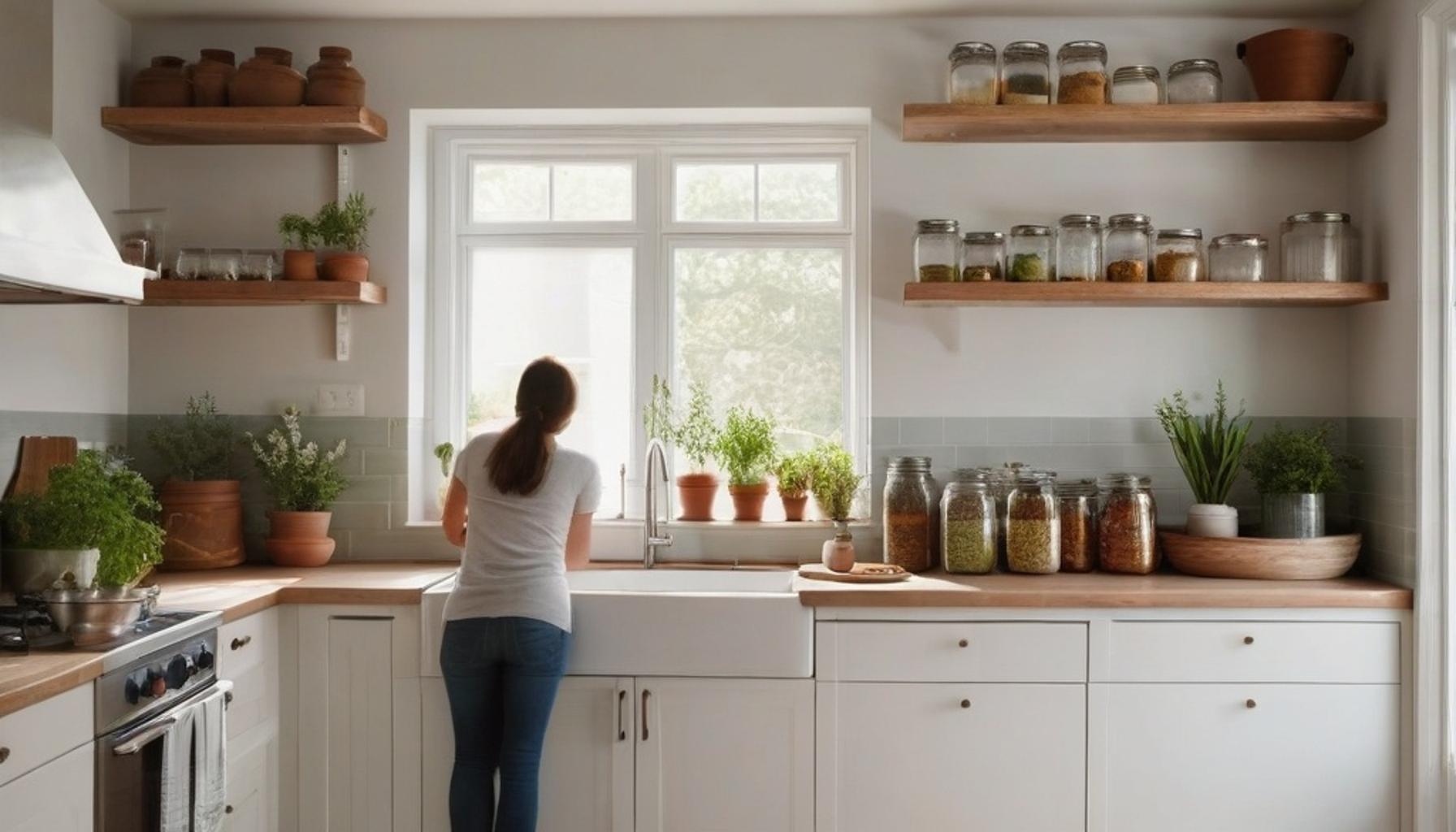
If the entryway is your home’s greeting, the kitchen is its beating heart. Unfortunately, it’s also where clutter multiplies fastest due to its multifaceted usage. Junk drawers become catchalls, pantries hide expired products, and cabinet space gets swallowed by mismatched containers, creating an impenetrable wall of disarray.
According to home organization surveys, the average American kitchen drawer contains 15 to 20 items that haven’t been used in over a year. That’s not just a sign of forgetfulness; it’s prime real estate wasted on forgotten gadgets and duplicate tools. This issue not only frustrates cooking endeavors but can also deter you from unleashing your culinary creativity.
Smart room by room organization starts with categorization. Group items by function: baking tools together, everyday utensils in one drawer, specialty gadgets in another. Clear, stackable bins in pantries make expiration dates visible instead of buried behind bulk-sized products. This simple change can drastically reduce food waste while keeping your pantry fresh and welcoming.
For cabinets, consider these space-saving solutions:
- Install pull-out shelving in lower cabinets to eliminate the need to crawl and dig for pots. This feature grants easy access and promotes systematic organization.
- Use vertical dividers for baking sheets and cutting boards instead of stacking them horizontally. Not only does this maximize storage space, but it also keeps items well-organized and easy to retrieve.
- Add under-shelf baskets to double storage capacity without renovation costs. These simple additions help keep small items contained and prevent chaos in the cabinet.
These adjustments require minimal investment but dramatically improve daily kitchen navigation, proving that thoughtful organization tips for every room don’t demand expensive overhauls—just intentional systems that prioritize functionality and accessibility.
DISCOVER MORE: Click here for kitchen organization tips
# Bedrooms and Closets: Reclaiming Your Personal SanctuaryYour bedroom should function as a retreat, not a storage overflow zone. Yet closets across America tell a different story, one where clothes hang three deep and forgotten items collect dust on top shelves.The National Association of Professional Organizers reports that the average American wears only 20% of their wardrobe regularly, leaving the remaining 80% as passive clutter taking up valuable square footage. This statistic alone should prompt a reevaluation of how bedroom storage gets utilized.Effective home organization ideas for bedrooms center on maximizing vertical space while minimizing visual chaos. Under-bed storage containers capture off-season clothing without consuming closet real estate. Closet systems with adjustable shelving accommodate changing needs, from bulky winter sweaters to compact summer basics.Consider these practical approaches:
- Implement the hanger-reversal method, turning all hangers backward at the season’s start, then flipping them forward once worn. After six months, anything still backward gets donated.
- Use drawer dividers for undergarments, socks, and accessories rather than tossing them into one chaotic space. This small investment prevents daily rummaging frustration.
- Install double-hang closet rods to instantly double hanging capacity for shirts and folded pants without expanding the closet footprint.
- Designate a donation box inside the closet itself, making it effortless to remove items the moment you realize they no longer serve you.
These systems transform bedrooms from cluttered afterthoughts into genuinely restful spaces.## Bathroom Storage: Small Space, Big ImpactBathrooms present unique organizational challenges due to their compact dimensions and moisture concerns. Yet this room offers some of the most rewarding space-saving solutions in the entire house.Medicine cabinets often become graveyards for expired products and half-used bottles. Industry data suggests the typical bathroom cabinet holds products worth over $200 that go unused annually, largely due to poor visibility and disorganized storage.Practical decluttering tips for home bathrooms include:
- Mounting over-toilet shelving units to capture vertical space that typically goes to waste.
- Using clear acrylic bins inside cabinets so products remain visible instead of hidden behind one another.
- Installing tension rods under sinks to hang spray bottles, freeing up flat surface space for bulkier items.
- Rotating seasonal products, storing sunscreen and bug spray separately from winter skincare routines.
This approach to room by room organization demonstrates that even the smallest spaces respond well to strategic planning. When every item has a designated home, morning routines become noticeably smoother, proving that efficient living practices extend far beyond obvious storage areas into every corner of daily life.
DISCOVER MORE: Click here for kitchen organization tips
## Bringing It All Together: A Room-by-Room Path to Lasting OrderOrganizing an entire home rarely happens overnight, and that’s actually the point. The most successful organization tips for every room share a common thread: small, sustainable systems outperform dramatic one-time purges every single time.From the kitchen’s zone-based cabinets to the bedroom’s hanger-reversal method, each strategy discussed throughout this guide relies on the same principle. Assign every item a home, and clutter loses its foothold before it starts.Room by room organization works because it acknowledges that different spaces demand different solutions. A tension rod under the bathroom sink solves a completely different problem than a donation box in the closet, yet both contribute to the same larger goal of reclaiming livable square footage.The data referenced throughout this article, from wardrobes with 80% unused clothing to bathroom cabinets holding hundreds of dollars in forgotten products, tells a consistent story. Most American homes aren’t short on space; they’re short on systems.Consider starting with just one room this week. Track how much time gets saved during daily routines once items have designated spots. That single change often becomes the motivation needed to tackle the next space.Efficient living practices ultimately aren’t about achieving a magazine-perfect house. They’re about reducing daily friction, cutting down decision fatigue, and creating rooms that support rather than hinder everyday life.Whether the goal involves space-saving solutions for a cramped apartment or comprehensive decluttering tips for home renovation projects, the underlying approach remains the same. Start small, stay consistent, and let each organized space build momentum toward the next.The home organization ideas shared here offer a starting point, not a finish line. Real transformation happens gradually, one drawer, one shelf, one closet at a time.
Frequently Asked Questions
What are some effective organization tips for keeping my kitchen clutter-free?
To maintain a clutter-free kitchen, start by decluttering your countertops and only keep essential items out. Use drawer organizers for utensils, and invest in clear containers for pantry staples to maximize space. Additionally, consider utilizing vertical space with shelves or hanging racks for pots and pans.
How can I organize my bedroom to create a more peaceful atmosphere?
To create a peaceful bedroom, start by decluttering surfaces and keeping only what you need and love. Utilize under-bed storage for out-of-season clothing or extra linens, and implement a system for organizing your closet by category or color. Incorporating calming colors and reducing visual distractions can also enhance the room’s tranquility.
What are some organization tips for a small bathroom with limited space?
In a small bathroom, maximizing vertical space is key. Use wall-mounted shelves for toiletries and decorative baskets for storing towels and personal items. Consider over-the-door organizers for additional storage and keep the counter clear by using drawer dividers for smaller items.
How can I optimize my home office for better productivity and organization?
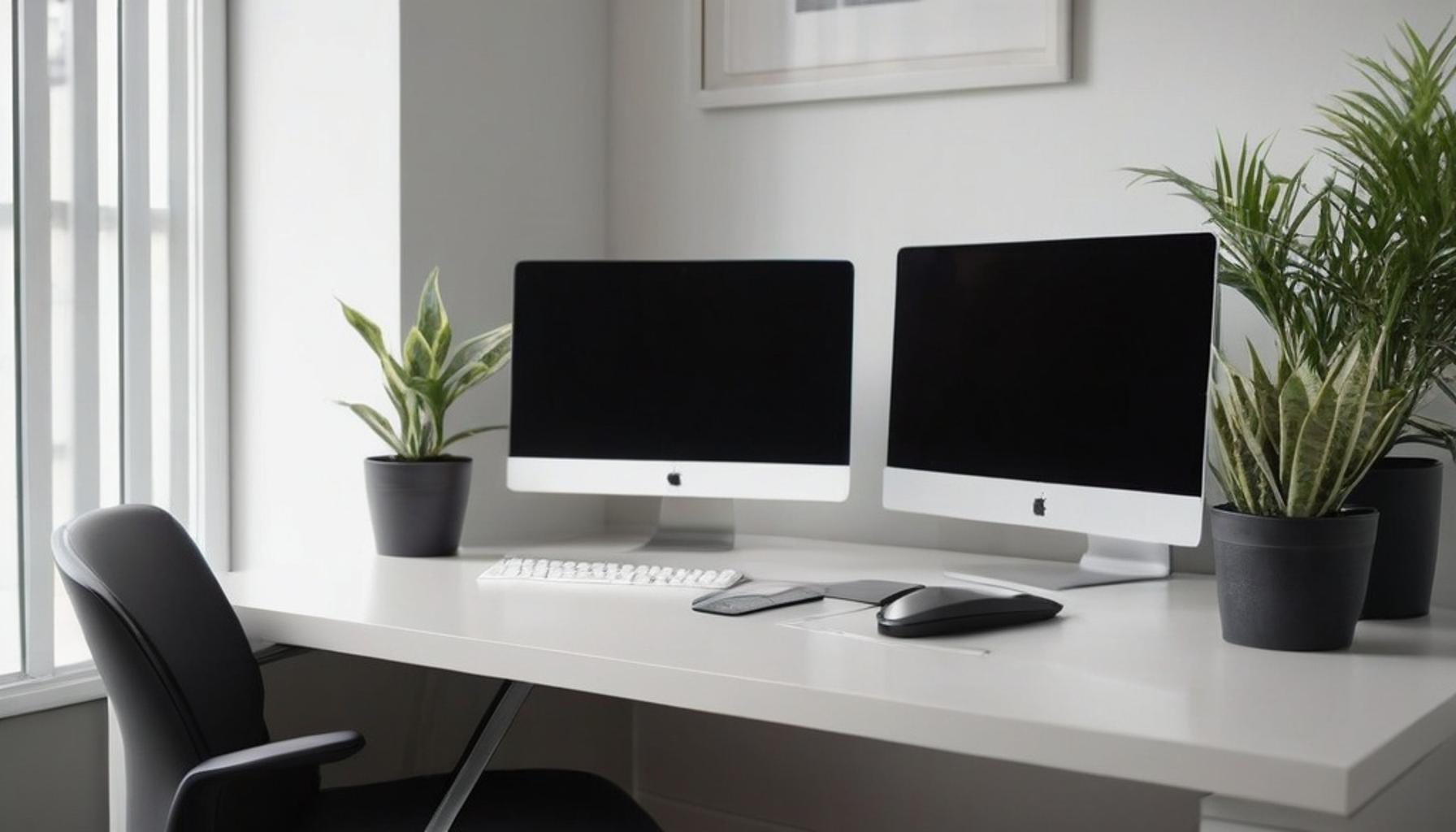
To optimize your home office for productivity, start by decluttering your workspace and only keeping necessary items within reach. Use file organizers to keep documents sorted and invest in cable management solutions to eliminate mess. Establish a dedicated zone for office supplies and consider color-coded systems to easily identify categories.

Beatriz
Beatriz Johnson is a seasoned minimalist and writer with a passion for simplifying the complexities of personal organization and intentional living. With over a decade of experience in decluttering strategies and mindful consumption, she specializes in topics like space optimization, habit simplification, and sustainable lifestyle choices. Through her work on our website, Beatriz empowers readers to embrace minimalism, reduce mental and physical clutter, and create more meaningful, organized lives in today's fast-paced world.