Efficient Living: Tips for Organizing Small Spaces with Multifunctional Furniture
Making the Most of Every Square Foot
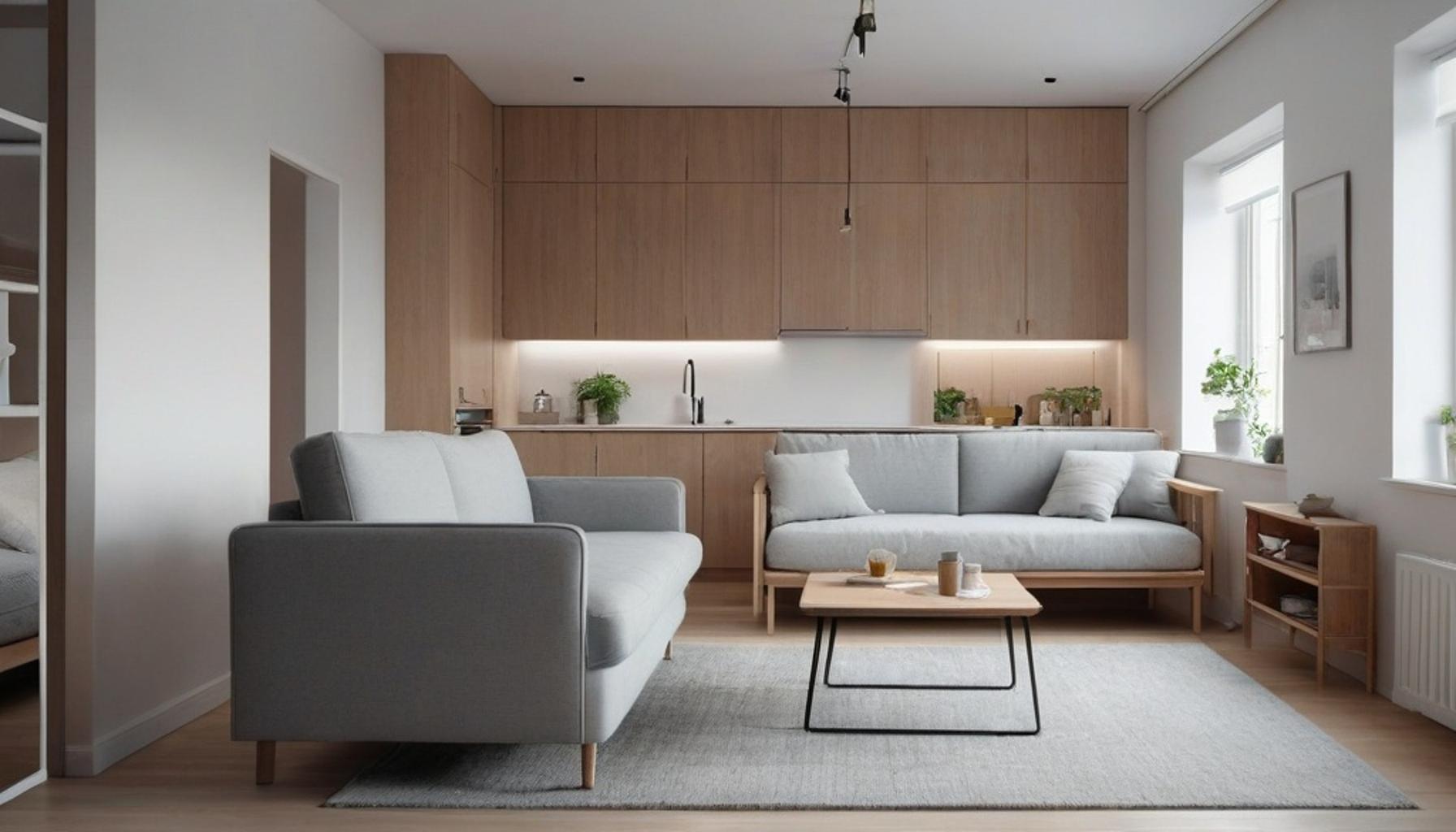
Across the United States, the average apartment size has shrunk to just 886 square feet, according to RentCafe data, pushing millions of Americans to rethink how they use their homes. From studio apartments in New York City to compact condos in San Francisco, organizing small spaces has become less of a design trend and more of a daily necessity.
The good news? A cluttered, cramped living area isn’t inevitable. With the right strategy, even a 400-square-foot studio can feel open, functional, and stylish.
Why Multifunctional Furniture Is a Game-Changer
This is where multifunctional furniture ideas come into play. Think Murphy beds that fold into the wall, ottomans that double as storage bins, or dining tables that expand only when guests arrive.
These space-saving furniture solutions aren’t just clever design choices — they’re practical investments that can transform how a home functions. Consider these popular options gaining traction in small-space living:
- Sofa beds with built-in storage compartments
- Nesting tables that stack away when not in use
- Wall-mounted desks that fold flat against the wall
- Modular shelving units that adapt to changing needs
This article breaks down actionable small apartment organization tips that go beyond simple decluttering. Readers will discover efficient living strategies used by interior designers and real homeowners alike, along with specific product recommendations and layout techniques.
Whether tackling a tiny studio or a compact family home, mastering home organization small spaces require doesn’t have to mean sacrificing comfort or style. The following sections reveal exactly how to strike that balance.
DISCOVER MORE: Click here for tips on a clutter-free kitchen
Assessing Your Space Before You Shop
Before buying a single piece of furniture, smart organizing small spaces starts with an honest audit. Interior designers call this the “footprint test” — measuring not just square footage, but how each zone of a room actually gets used throughout the day.
A 2023 survey by the National Association of Home Builders found that 68% of renters in units under 1,000 square feet reported feeling “constantly cluttered,” even when they owned relatively little. The issue wasn’t quantity of belongings — it was poor spatial planning.
Mapping Zones for Maximum Efficiency
Designers working in cities like Boston and Chicago, where prewar apartments often max out at 500 square feet, recommend breaking a room into functional zones rather than treating it as one open area. This approach forms the backbone of most efficient living strategies used today.
Try this simple zoning checklist before purchasing anything new:
- Identify the primary activity for each area (sleeping, working, dining, relaxing)
- Note which zones overlap during the day, such as a bed doubling as a home office
- Measure walkways to ensure at least 30 inches of clearance for movement
- Track vertical space — walls and ceilings are often the most underused real estate
- List furniture that serves only one purpose and flag it for possible replacement
This exercise typically reveals surprising inefficiencies. A coffee table that only holds magazines, for instance, could instead be a lift-top model offering hidden storage and a workspace.
The Psychology Behind Small-Space Stress
There’s also a mental component to home organization small spaces demand. Research from Cornell University’s Department of Design and Environmental Analysis suggests that visual clutter increases cortisol levels, making compact homes feel more stressful than their larger counterparts — regardless of actual square footage.
This is precisely why space-saving furniture solutions have surged in popularity across American cities. It’s not just about fitting more into less space; it’s about creating visual calm through intentional design.
Retailers have taken notice. Companies like IKEA and West Elm have expanded their compact-living lines by more than 40% since 2020, according to industry reports, responding directly to demand from urban dwellers in markets like Los Angeles, Seattle, and Washington, D.C.
Once the zoning and psychology are understood, the next step becomes clearer: selecting furniture that earns its place by doing double or triple duty. That’s where the real transformation begins.
DISCOVER MORE: Click here for a clutter-free kitchen
Choosing Multifunctional Furniture That Actually Works
Not every “space-saving” label lives up to its promise. Furniture retailers often market products as multifunctional when they merely fold or stack, without genuinely solving storage or flow problems. Discerning shoppers need a sharper set of criteria.
According to design consultants who specialize in micro-apartments in New York and San Francisco, the best multifunctional furniture ideas share three traits: they perform at least two distinct roles, they don’t require excessive setup time, and they fit through a standard 30-inch doorway — a detail many buyers overlook until moving day.
Furniture Categories Worth the Investment
Some categories consistently outperform others in real-world use. Below are pieces that designers repeatedly recommend for small apartment organization tips that actually stick:
- Storage ottomans that replace both coffee tables and linen closets
- Murphy beds paired with built-in shelving, freeing up to 40 square feet during waking hours
- Extendable dining tables that shrink to console width when not hosting guests
- Modular sofas with reversible chaise sections for changing room layouts
- Bed frames with built-in drawers, eliminating the need for separate dressers
A 2022 study from the Furniture Industry Research Institute found that households using at least three multifunctional pieces reported 27% more usable floor space than those relying on single-purpose furniture, even when total square footage was identical. That statistic alone explains why manufacturers keep expanding these product lines.
Vertical Thinking Changes Everything
Floor space isn’t the only resource worth protecting. Wall-mounted desks that fold flat, pegboard systems in kitchens, and ceiling-height bookcases all shift storage upward, a tactic increasingly common in cities like Austin and Denver where studio apartments dominate new construction.Loft-style storage beds, popular in college towns from Ann Arbor to Chapel Hill, illustrate this principle well. By elevating the sleeping area, renters gain a functional workspace or seating nook underneath — effectively doubling a room’s usable footprint without adding a single square foot.
Retailers have responded with increasingly clever hybrids. Sofa-bunk combinations, once a novelty item, now appear in mainstream catalogs from brands like CB2 and Resource Furniture, whose wall-bed systems have become fixtures in Manhattan micro-units under 400 square feet.
The common thread across all these examples is intentionality. Each piece earns its spot by solving two problems at once, proving that efficient living strategies depend less on minimalism for its own sake and more on furniture that pulls double duty without sacrificing comfort or style.
Rethinking What Small Spaces Can Become
Organizing small spaces isn’t about squeezing less into a room — it’s about asking more from every object in it. The examples throughout this article, from storage ottomans to loft beds, all point to the same conclusion: square footage matters less than how thoughtfully it’s used.
Renters and homeowners across cities like Boston, Chicago, and Seattle are proving that a 400-square-foot studio can function like a much larger home when furniture is chosen with intention rather than convenience alone.
Small Shifts, Measurable Gains
The data backs this up. That earlier statistic — 27% more usable floor space from just three multifunctional pieces — suggests that efficient living strategies don’t require gutting an apartment or spending a fortune. They require better decisions.
A few habits worth carrying forward:
- Measure doorways and hallways before buying anything labeled “space-saving”
- Prioritize pieces that solve two problems, not just one
- Look upward before assuming a room has no more storage potential
- Test furniture in person when possible, since folding mechanisms vary widely in quality
These small apartment organization tips aren’t one-time fixes. They’re ongoing habits that shape how a space feels day to day.
A Broader Takeaway
What’s emerging across the furniture industry is a quiet shift in mindset. Space-saving furniture solutions were once seen as compromises for people who couldn’t afford more room. Today, they’re increasingly chosen by design-conscious buyers who simply want less clutter and more flexibility, regardless of square footage.
That reframing matters. Home organization in small spaces is no longer just survival tactics for tiny apartments — it’s becoming a broader philosophy about intentional living, one that larger households may soon adopt as well.
Frequently Asked Questions
What types of multifunctional furniture are best for organizing small spaces?
Some of the best multifunctional furniture for small spaces includes sofa beds, storage ottomans, and expandable dining tables. These pieces not only serve multiple purposes but also provide additional storage options, helping you maximize your space effectively.
How can I effectively use a Murphy bed in a small room?
A Murphy bed is a great space-saving solution that allows you to fold the bed up against the wall when not in use. This can free up floor space for activities or furniture during the day, making your small room feel larger and more versatile.
What are some tips for organizing a small living room with multifunctional furniture?
To organize a small living room, choose furniture that doubles as storage, like a coffee table with drawers or a couch with built-in shelves. Arrange your furniture to create defined zones and ensure pathways are clear, allowing for easy movement and a more open feel.
How can I incorporate storage solutions into my small kitchen using multifunctional furniture?
In a small kitchen, consider using a kitchen island that features storage compartments or rolling carts that can serve as both prep space and storage. Look for bar stools that have built-in storage or nesting tables that can easily be tucked away when not in use.
What are the benefits of using multi-purpose furniture for small bedroom organization?
Multi-purpose furniture in small bedrooms, such as beds with drawers underneath or nightstands with shelves, helps to maximize space while keeping the area organized. This type of furniture reduces clutter and makes it easier to access necessary items without overwhelming the limited space.
How can I make a small workspace more efficient with multifunctional furniture?
To enhance a small workspace, opt for a desk that doubles as a bookshelf or a folding desk that can be tucked away when not in use. Adding a swivel chair that can be easily moved and stored can also help maintain a clutter-free and organized environment.

Beatriz
Beatriz Johnson is a seasoned minimalist and writer with a passion for simplifying the complexities of personal organization and intentional living. With over a decade of experience in decluttering strategies and mindful consumption, she specializes in topics like space optimization, habit simplification, and sustainable lifestyle choices. Through her work on our website, Beatriz empowers readers to embrace minimalism, reduce mental and physical clutter, and create more meaningful, organized lives in today's fast-paced world.