Maximizing Small Spaces: Smart Storage Solutions for a Clutter-Free Home
Small Space, Big Potential
Across the United States, the average new home size has shrunk to under 2,300 square feet, while urban apartments in cities like New York and San Francisco often hide beneath 750 square feet. Living smaller doesn’t mean living cluttered. With the right approach, even the tightest studio can feel open and organized.
This shift towards smaller living spaces has sparked a growing demand for smart storage solutions that do more with less. Homeowners and renters alike are rethinking every inch of their space, from closets to kitchen corners, creatively utilizing vertical and hidden space to maximize usability.
Why Maximizing Small Spaces Matters
Clutter isn’t just a visual problem. Studies show that disorganized homes are linked to higher stress levels, emotional exhaustion, and reduced productivity. This observation highlights why clutter-free home tips have become essential reading for those hoping to reclaim both space and peace of mind. An organized environment can foster better mental clarity and efficiency in daily tasks.
Effective home organization strategies can profoundly transform how a space functions. Consider these common trouble spots ripe for improvement:
- Overstuffed closets with wasted vertical space can be revitalized with tiered shelving and hanging organizers.
- Kitchen cabinets missing pull-out or stackable systems could benefit from adjustable shelving and lazy Susans for easy access to dishes and spices.
- Bedrooms lacking under-bed storage options can incorporate clear bins or rolling drawers to keep seasonal clothing and shoes out of sight yet easily reachable.
- Entryways without dedicated drop zones can use wall-mounted hooks or benches with storage compartments to create organized spaces for bags and shoes.
What This Guide Covers
This article dives into practical, budget-friendly ideas anyone can implement this weekend. Expect real-world examples of space-saving ideas, such as using sofa beds or ottomans with hidden compartments that serve dual purposes—providing seating or storage.
Readers will also discover efficient storage options tailored to apartments, tiny homes, and family houses alike. Innovative solutions such as wall-mounted bike racks or foldable wall tables maximize functionality without sacrificing style. The goal is simple: a home that feels bigger, calmer, and more functional—no renovation required.
As our living spaces continue to evolve, embracing the concept of minimalism and organization can lead not only to a more aesthetically pleasing environment but also to a healthier lifestyle. By adopting effective strategies, even the smallest of homes can deliver the illusion of spaciousness and tranquility.
DISCOVER MORE: Click here to uncover the secrets of a clutter-free kitchen
Walk into most cluttered homes and you’ll notice a pattern: the floor is packed, but the walls stand empty. This is where maximizing small spaces truly begins. The average American room offers roughly eight feet of vertical clearance, yet most storage sits below the four-foot mark. That leaves nearly half of every room’s potential completely unused. This neglected vertical space offers an exciting opportunity for those looking to declutter and reorganize their homes creatively.
Interior designers across the country have started calling this “the forgotten zone,” and for good reason. Cleverly maximizing vertical dimensions through floor-to-ceiling shelving, pegboards, and modular wall units can transform a bare wall into a functional storage wall without consuming precious square footage. Unlike bulky dressers or freestanding cabinets that can crowd a room, vertical systems keep walkways clear, allowing for a more open, airy feel. This approach is not only practical in terms of space, but it can also add an element of modernity and style to home interiors.
Here are some of the most effective space-saving ideas for reclaiming vertical real estate:
- Install floating shelves above doorways and windows, spaces almost universally left empty in American homes. These shelves can display books, art, or plants, and their elevation draws the eye upward, making the space feel larger.
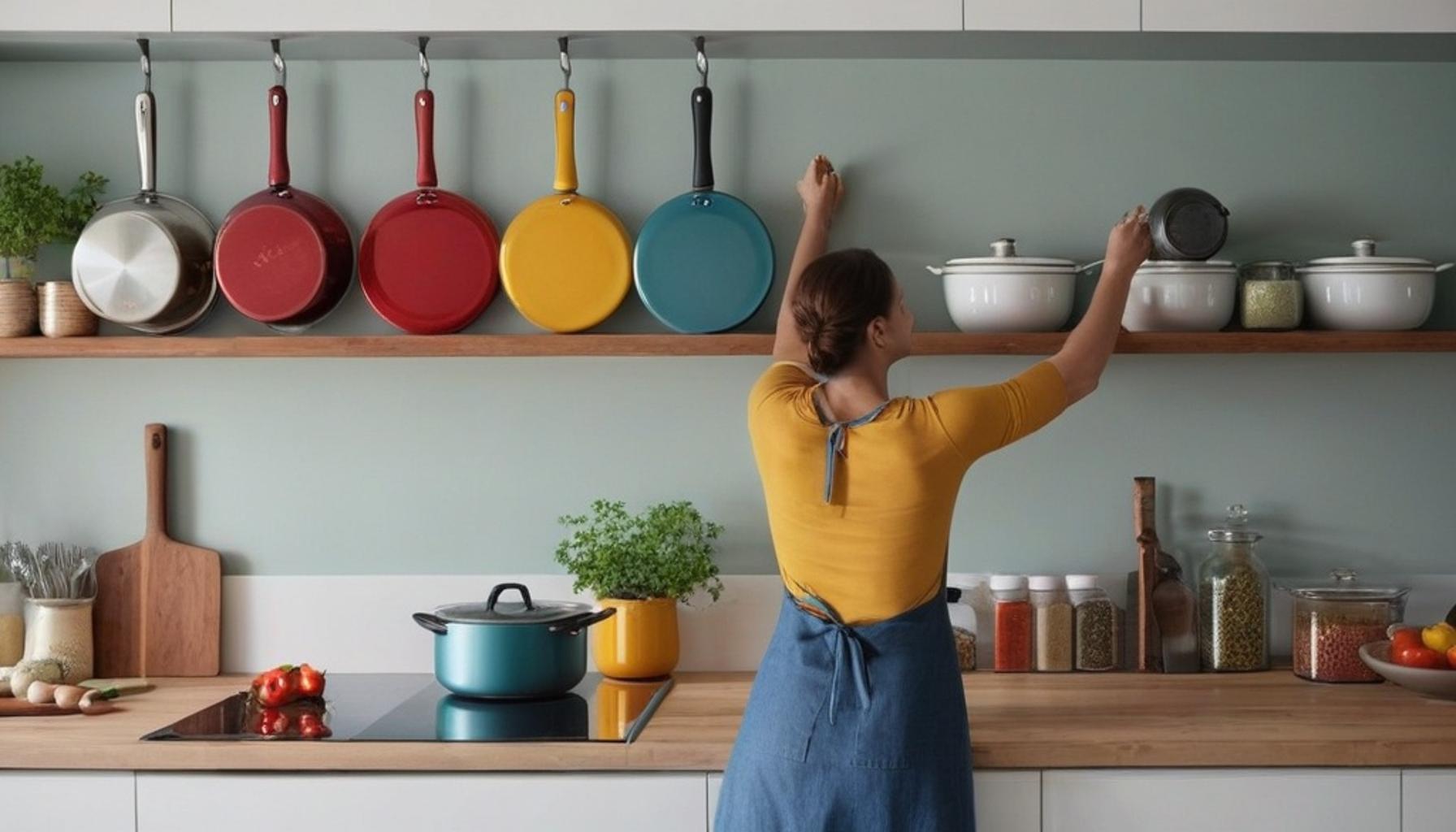
- Use a pegboard system in the kitchen or garage to hang tools, pots, or craft supplies within arm’s reach. Pegboards are incredibly versatile; they can be painted or customized to match any decor style, transforming functionality into an aesthetic charm.
- Mount slim bookcases that run to the ceiling instead of low, wide units that consume floor space. Tall bookcases not only provide ample storage for books but can also serve as an eye-catching focal point in any room, filled with decorative items or personal collections.
- Add a hanging shoe organizer to the back of closet doors, a trick popular in New York City apartments where closet space is scarce. This approach can also be adapted for organizing accessories, cleaning supplies, or craft materials, showcasing the versatility of over-the-door solutions.
Multi-Functional Furniture: Doing More With Less
Another cornerstone of smart storage solutions is furniture that pulls double duty. In cities like Boston and Chicago, where one-bedroom apartments often average under 700 square feet, homeowners have turned to convertible pieces out of necessity rather than trend. This is not just a fleeting fad; it is a response to an evolving lifestyle that embraces efficiency and space optimization.
Storage ottomans, daybeds with built-in drawers, and coffee tables that lift to reveal hidden compartments are no longer niche products—they are becoming standard inventory in furniture stores across the nation. According to recent housing market reports, searches for “multi-functional furniture” have surged significantly over the past three years, reflecting a national shift in how Americans furnish smaller homes. Stores are recognizing this trend, catering to consumers by expanding their selections of versatile, stylish pieces.
These home organization strategies work because they eliminate the need for separate storage furniture altogether. A bed frame with built-in drawers, for instance, can effectively replace an entire dresser, freeing up several square feet that would otherwise go toward bulky furniture. By thinking creatively about space and form, individuals can maximize their home’s utility without sacrificing aesthetics.
The takeaway is clear: before buying anything new for a small space, ask whether it can serve more than one purpose. That single question can prevent unnecessary clutter from entering the home and leads to a more mindful approach to consumption. Embracing these principles of vertical thinking and multipurpose furniture not only enhances functionality but can also turn a cramped area into a stylish sanctuary.
DISCOVER MORE: Click here to unlock clutter-free kitchen tips
Hidden Storage: The Art of Concealment
Beyond furniture and wall space, some of the most efficient storage options are the ones nobody sees. Professional organizers in cities like Los Angeles and San Francisco, where closet space is often treated like a luxury amenity, have increasingly turned toward concealed storage as a primary strategy. The logic is simple: if clutter isn’t visible, a home instantly feels calmer and more spacious.
Under-bed storage remains one of the most underutilized areas in American homes. A queen-sized bed can accommodate rolling bins that hold seasonal clothing, extra linens, or even shoes, all while remaining completely out of sight. Retailers have responded to this demand with bed risers and specialized under-bed containers designed to slide in and out effortlessly, some capable of holding up to 60 pounds.
Staircases, particularly in older homes throughout New England, present another opportunity. Built-in drawers beneath each step can replace an entire hallway closet, a renovation trend that has gained traction among homeowners looking to add function without expanding square footage.
Kitchen and Bathroom: Small Rooms, Big Potential
Kitchens and bathrooms tend to accumulate clutter faster than any other room, largely because they house so many small, oddly shaped items. This makes them prime candidates for clutter-free home tips that focus on customization rather than generic storage bins.
Consider these approaches that professional organizers frequently recommend:
- Install pull-out drawers inside existing base cabinets to eliminate the need to crouch and dig through the back of a cabinet, a simple upgrade that can increase usable storage by nearly 30 percent.
- Use tension rods inside cabinets to create makeshift dividers for cutting boards, baking sheets, and trays that typically topple over in a single stacked pile.
- Mount a magnetic strip inside a bathroom cabinet door to hold tweezers, nail clippers, and other small metal tools that otherwise clutter a drawer.
- Add stackable, clear bins to under-sink areas so cleaning supplies remain visible and accessible instead of buried in a chaotic jumble.
Clear, labeled containers have become particularly popular across American households because they remove the guesswork. A 2023 survey from a national home goods retailer found that households using labeled storage systems reported spending significantly less time searching for everyday items compared to those relying on unmarked boxes.
What ties all these smart storage solutions together is intentionality. Every drawer, bin, and shelf serves a defined purpose, which prevents the slow creep of miscellaneous clutter that tends to fill unused space. Small rooms, it turns out, don’t need more square footage to function well. They need a system that respects the space already there.
Rethinking Small Spaces for the Long Term
Across every room examined, one truth stands out: maximizing small spaces has less to do with square footage and everything to do with strategy. From under-bed bins in a Brooklyn studio to pull-out cabinet drawers in a Midwest bungalow, the households succeeding at organization are the ones treating storage as a system rather than an afterthought.
The smart storage solutions discussed throughout this article share a common thread. They prioritize purpose over accumulation. Whether it’s a staircase drawer replacing a hallway closet or a magnetic strip clearing out a junk-filled bathroom drawer, each solution asks the same question: does this space earn its place in the home?
What’s worth remembering going forward is that home organization strategies aren’t static. As lifestyles shift, seasonal storage needs change, and new products enter the market, the systems put in place today may need small adjustments next year. Homeowners who revisit their setups annually, checking whether bins, labels, and dividers still match their actual habits, tend to maintain clutter-free spaces far longer than those who organize once and never look back.
For anyone just starting out, the most practical space-saving ideas are rarely the most expensive ones. A few tension rods, some clear containers, and a willingness to reassess unused corners can outperform costly renovations.
Ultimately, these clutter-free home tips point to a broader shift in how Americans are approaching housing itself. As square footage remains costly in many cities, the demand for efficient storage options will likely keep growing. The homes that adapt best won’t necessarily be the largest ones, but the ones organized with the most intention.
Frequently Asked Questions
What are some inexpensive smart storage solutions for small apartments?
Inexpensive smart storage solutions for small apartments include utilizing vertical space with shelving units, using under-bed storage bins, and incorporating multi-functional furniture like ottomans that open for storage. You can also hang items such as bicycles or pots on wall-mounted racks to keep the floor space clear.
How can I effectively organize a small closet using smart storage solutions?
To organize a small closet effectively, use slim, cascading hangers to maximize hanging space and integrate shelf dividers to sort items neatly. Adding hooks or pegboards on the inside of the closet door can also create additional storage for accessories, while clear bins help keep smaller items visible and accessible.
What are some smart storage solutions for small kitchens with limited cabinet space?
For small kitchens, consider installing a pegboard to hang utensils and pots, which keeps them easily accessible and frees up cabinet space. Stackable shelving units and magnetic strips for spice jars can also provide extra organization without occupying much room.
Can I incorporate smart storage solutions into my living room decor?
Absolutely! Smart storage solutions can enhance your living room decor by using decorative baskets for throws or magazines, and choosing coffee tables with built-in storage. Floating shelves can display decor while providing space for books or other items, keeping the area tidy and stylish.
How do I choose the right smart storage solution for my specific space?
Choosing the right smart storage solution depends on your space dimensions, the types of items you need to store, and your personal style. Measure your area carefully, consider multifunctional options that complement your decor, and prioritize solutions that utilize vertical and hidden space to maintain a clutter-free environment.

Beatriz
Beatriz Johnson is a seasoned minimalist and writer with a passion for simplifying the complexities of personal organization and intentional living. With over a decade of experience in decluttering strategies and mindful consumption, she specializes in topics like space optimization, habit simplification, and sustainable lifestyle choices. Through her work on our website, Beatriz empowers readers to embrace minimalism, reduce mental and physical clutter, and create more meaningful, organized lives in today's fast-paced world.