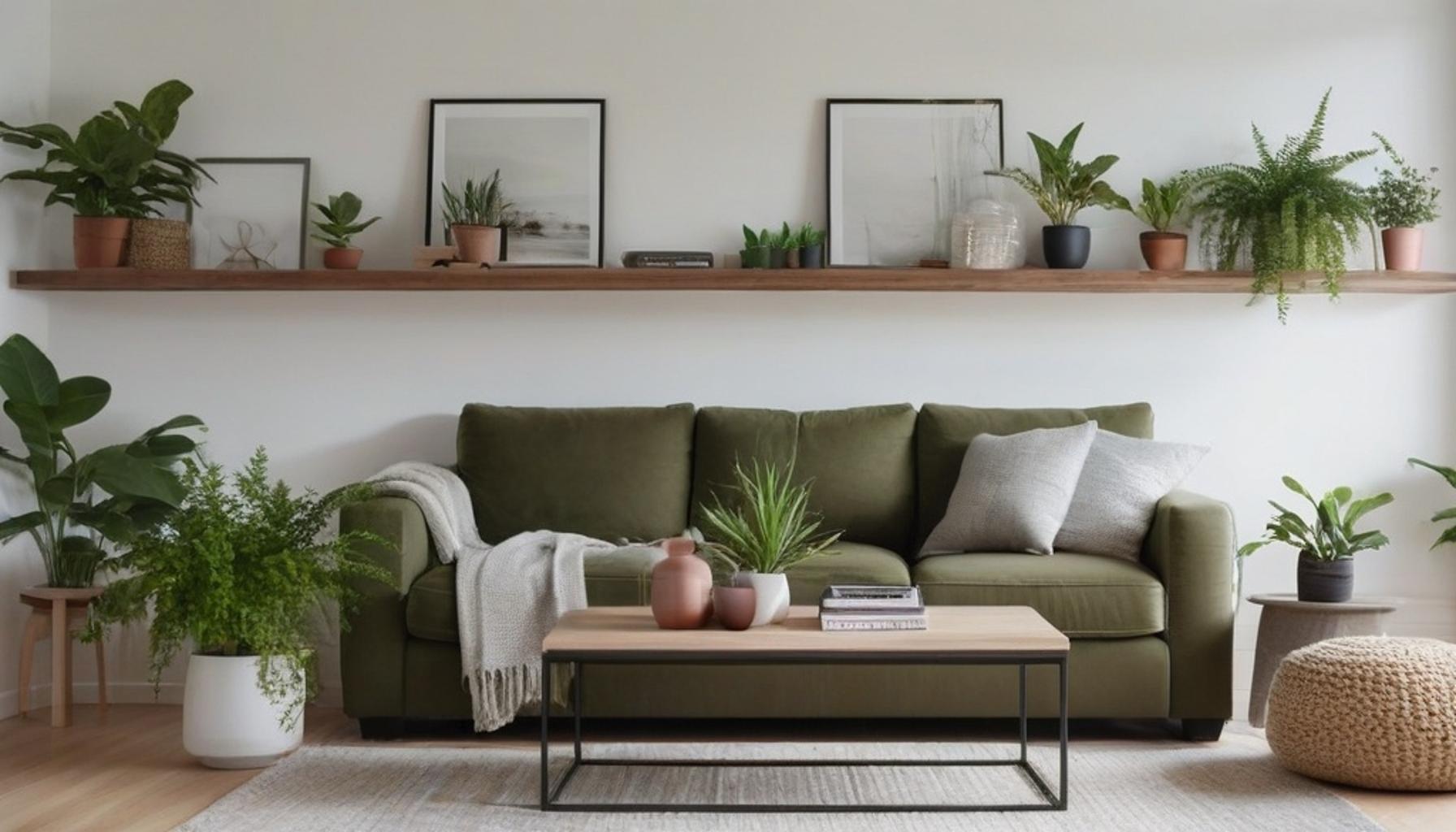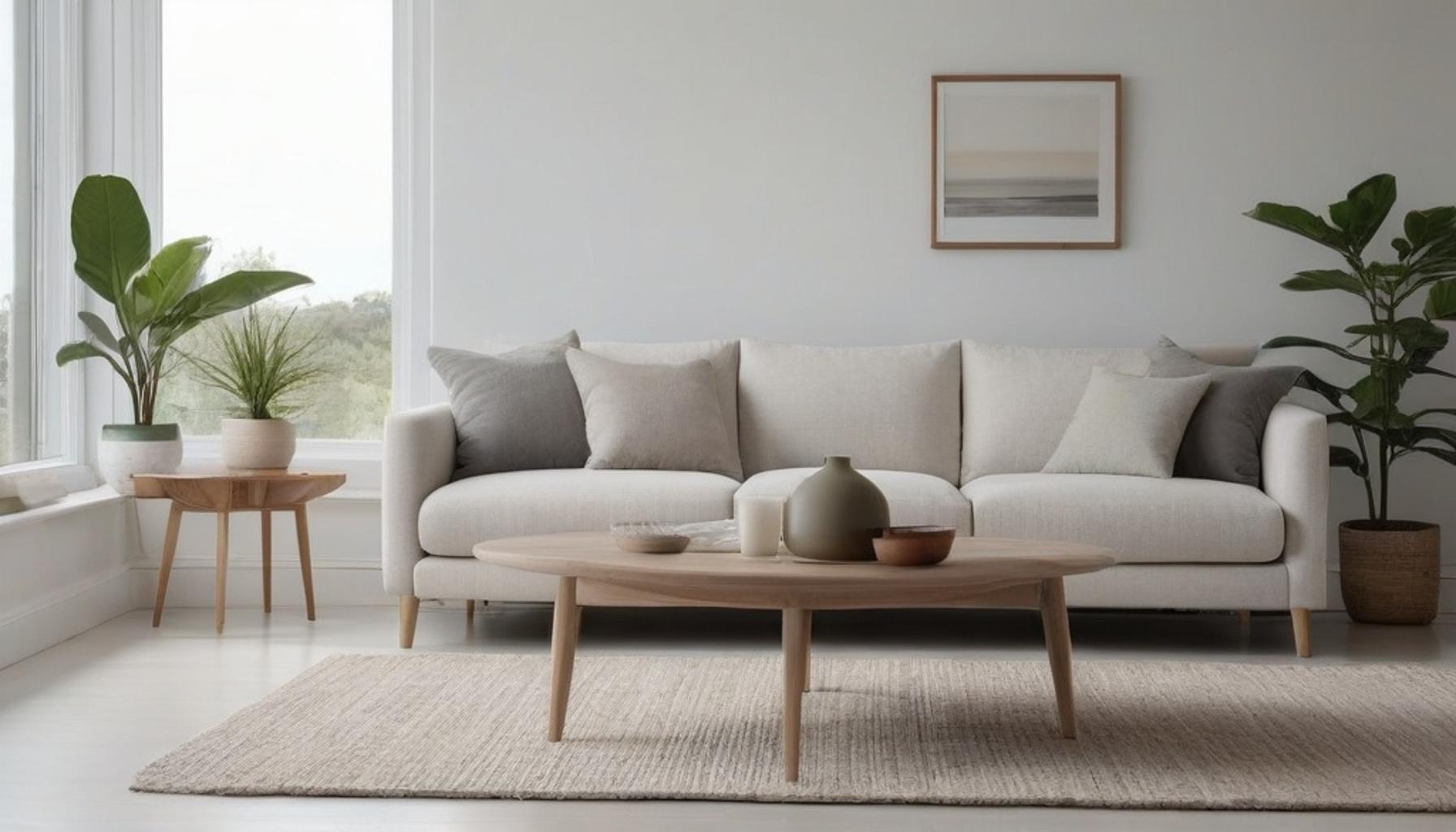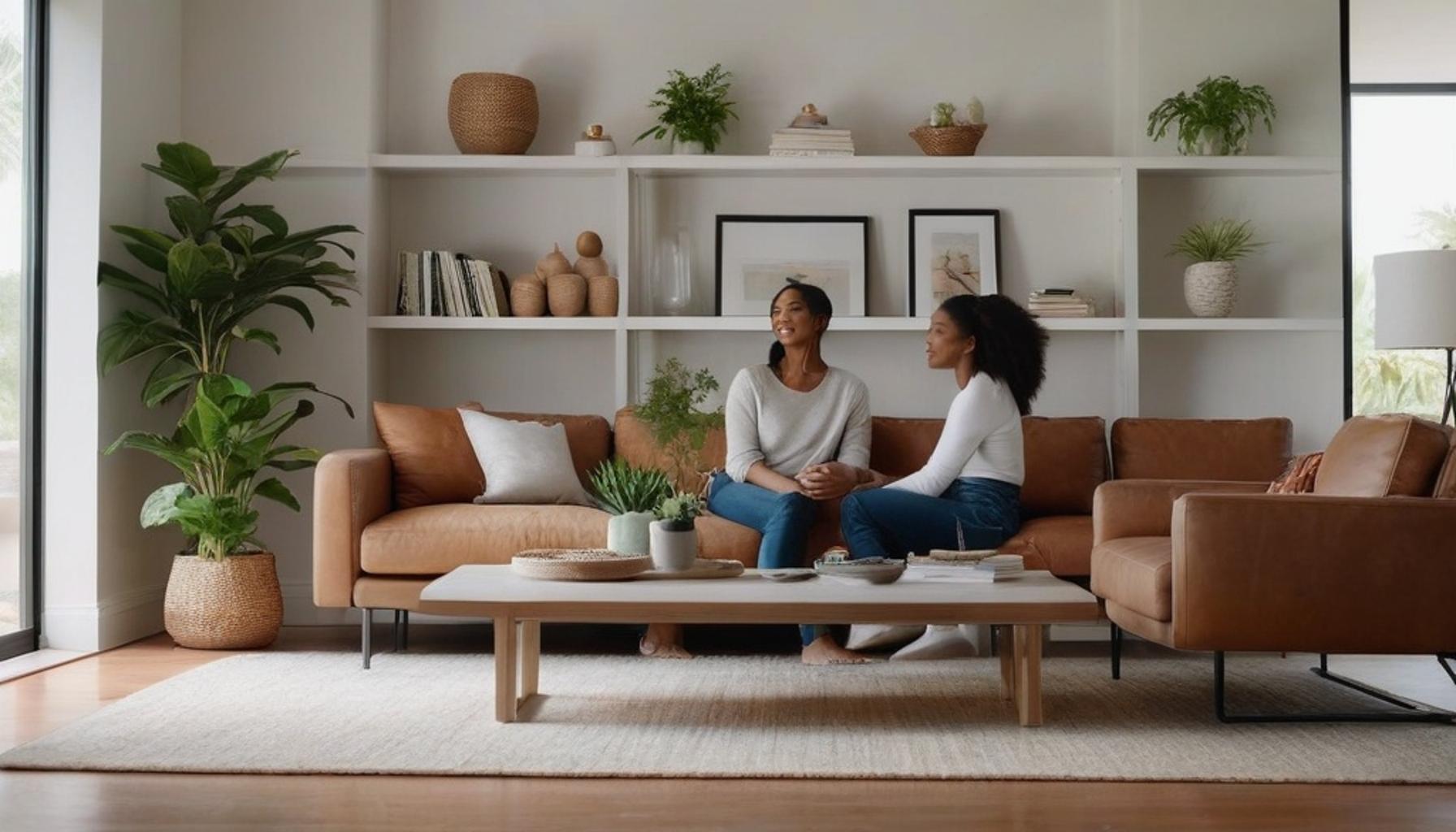
The Impact of Space Optimization on Mental Health and Well-Being in a Minimalist Lifestyle
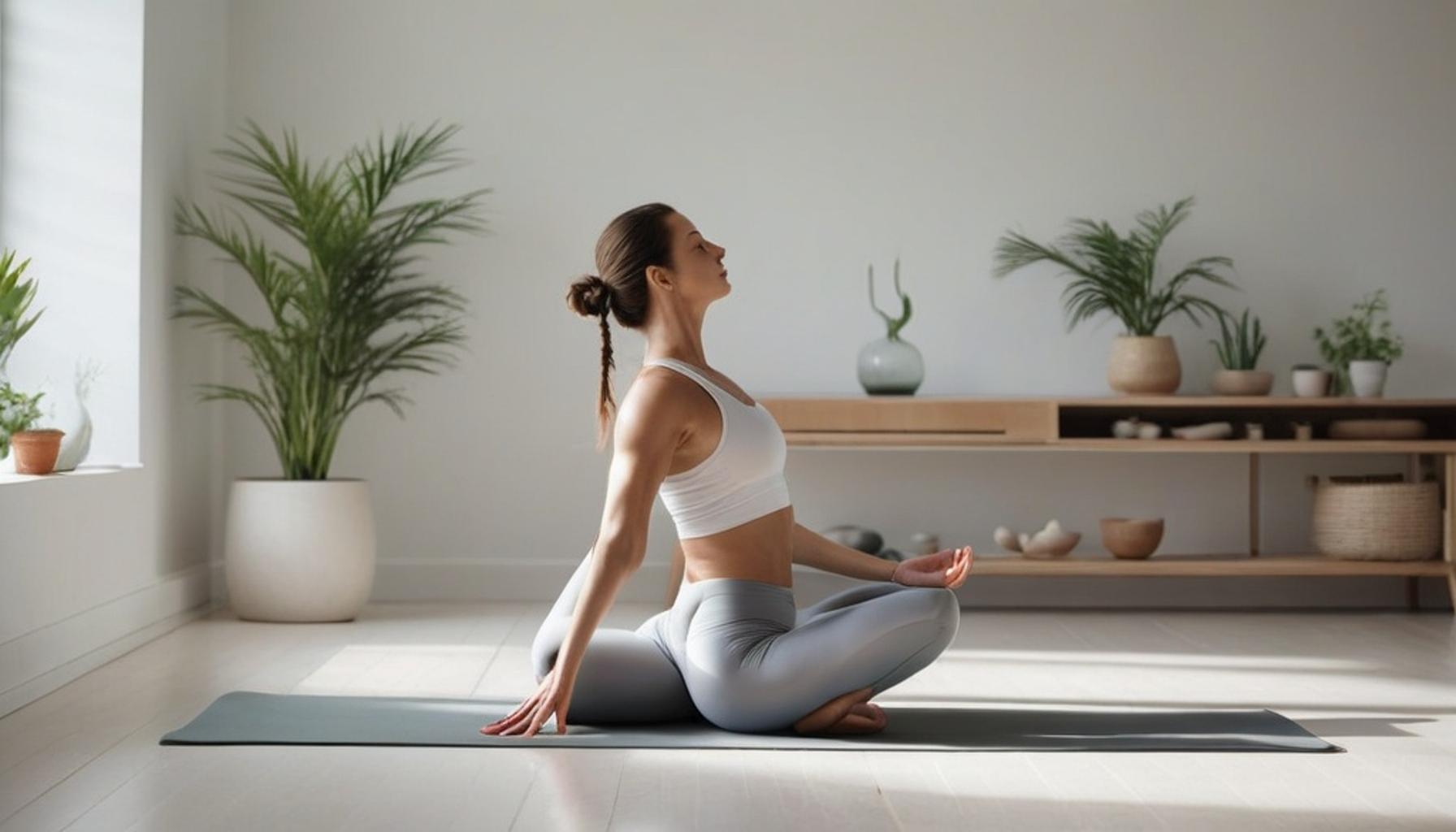
Rethinking How Your Home Shapes Your Mind
Across the United States, a growing number of people are discovering that Space Optimization and Mental Health are more connected than most homeowners realize. From cramped city apartments in New York to suburban houses overflowing with belongings, clutter is quietly influencing stress levels and daily mood.
The correlation between our environments and our psychological state is becoming an increasingly important area of research. Numerous studies have shown that disorganized spaces can trigger feelings of anxiety, impede concentration, and even disrupt sleep quality. For instance, a study conducted by the Princeton Neuroscience Institute found that clutter can hinder the brain’s ability to process information. When our surroundings are chaotic, our minds can feel similarly overwhelmed, making it challenging to focus on tasks or relax fully in our own sanctuaries.
This pervasive issue is where the minimalist movement enters the conversation, offering a practical and appealing alternative. Minimalism encourages individuals to strip away excess belongings and clear mental and physical space, ultimately promoting a sense of clarity and control.
Why This Topic Deserves Your Attention
Minimalism is no longer just an aesthetic trend seen on social media; it has morphed into a lifestyle strategy deeply linked to mental health and minimalism research, fostering real psychological benefits supported by scientific data.
Consider some of the documented advantages individuals report as they transition to simplified surroundings:
- Lower cortisol levels linked to reduced visual clutter, which is particularly significant in high-stress environments like urban settings.
- Improved concentration and productivity, especially for professionals working from home who may struggle with distractions.
- Better sleep patterns in decluttered bedrooms, leading to more restful nights, which are crucial for overall well-being.
- A stronger sense of control over daily life, as individuals take charge of their physical environments and, in turn, their mental states.
These minimalist lifestyle benefits prompt an important inquiry: just how much of our daily stress is silently caused by the spaces we live in? The answer could be more significant than many realize, especially in times when mental health issues are more prevalent than ever.
What This Article Will Explore
This piece dives into the science behind decluttering effects on mood, examining case studies, expert insights, and practical strategies that anyone can implement, regardless of their living situation. For instance, urban dwellers can adopt smart storage solutions or organize communal spaces, while suburban homeowners might consider adjusting room layouts to create a more open environment.
Whether you inhabit a downtown loft or a spacious family home, the principles explored herein aim to reshape how you view your own four walls. By embracing these changes, you may not only redefine your physical environment but also transform your overall mental landscape, leading to a healthier and more fulfilling lifestyle.
CHECK OUT: Maximizing Small Spaces: Smart Storage Solutions for a Clutter-Free Home
Understanding the Connection Between Space and Well-Being
To truly grasp the impact of space on well-being, it is essential to explore the underlying biology that drives our reactions to our surroundings. Neuroscientists have identified that visual clutter competes for our attention much like multiple browser tabs demand a computer’s processing power. Just as a device can lag when overloaded, our minds experience a subtle but constant mental drain from disorganized environments, even when we are not consciously aware of it. This phenomenon highlights the intricate connection between our physical environments and mental states.
In a pivotal study conducted by researchers at UCLA’s Center on Everyday Lives and Families, a compelling link was established between the density of household objects and elevated levels of stress hormones. The findings indicated that this effect was particularly pronounced among women who identified as the primary managers of their households. This underscores how space optimization and mental health are not merely abstract wellness concepts; they represent quantifiable, hormonal realities unfolding within the typical home environment. The implications are clear: an overwhelmingly cluttered space can have real psychological effects.
Beyond the physiological stress responses, clutter significantly impacts our sense of identity and self-worth. Many individuals in the United States connect overflowing closets or garages to a proliferation of unfinished projects, financial anxiety, or a lack of control. Over time, these associations can silently erode self-esteem and cultivate feelings of inadequacy. For instance, a study by the American Psychological Association found that individuals surrounded by clutter tend to describe their home environment as a source of stress, leading to higher anxiety levels, particularly among busy families juggling work and personal obligations.
How Organized Spaces Promote Emotional Regulation
When living spaces are intentionally curated and organized, our brain experiences fewer competing stimuli. This reduction allows the prefrontal cortex—the area responsible for decision-making and emotional control—to operate more effectively. Consequently, it is no surprise that optimizing living space for wellness has become a recommended approach among mental health professionals, particularly for those experiencing anxiety and burnout.
The emotional regulation benefits linked to decluttered and purposeful spaces are noteworthy and include:
- Reduced decision fatigue: With fewer possessions to manage, individuals face fewer daily choices about what to wear, use, or maintain, leading to a more streamlined and less stressful daily routine.
- Increased feelings of accomplishment: Visibly organized spaces serve as tangible proof of control and progress, which can boost confidence and motivation.
- Enhanced emotional safety: Organized spaces provide a calming environment that can be especially beneficial for those recovering from traumatic life events, such as divorce or job loss, fostering a sense of stability.
- Greater mindfulness: Minimalist environments encourage individuals to engage in slower, more intentional activities, facilitating a deeper awareness of their actions and surroundings.
These beneficial outcomes align with broader findings on decluttering effects on mood, suggesting that the advantages extend well beyond mere aesthetics. A notable 2022 survey conducted by the National Association of Productivity and Organizing Professionals revealed that 78 percent of Americans reported feeling calmer within just one week of decluttering a single room. This statistic is powerful, illustrating how quickly our minds can respond to positive environmental changes.
In conclusion, optimizing our living spaces can play a crucial role in supporting mental health and emotional well-being. Understanding this relationship compels us to consider the importance of our surroundings and encourages individuals to actively engage in creating environments that enhance rather than detract from their mental clarity and emotional stability.
| Category | Details |
|---|---|
| Decluttering Effects on Mood | Studies indicate that minimizing clutter can significantly improve mental clarity and reduce anxiety. |
| Wellness-Optimized Spaces | Creating open, organized areas fosters a sense of peace and enhances decision-making capabilities. |
| Increased Productivity | Space optimization can lead to higher levels of focus, resulting in better work performance. |
| Connection to Nature | Incorporating natural elements promotes relaxation and contributes positively to mental health. |
CHECK OUT: The Art of Decluttering: Minimalist Techniques for Efficient Home Organization
The Minimalist Lifestyle as a Practical Framework for Mental Clarity
The minimalist lifestyle is more than just a trend; it is a movement grounded in the pursuit of mental clarity and emotional well-being. As clutter becomes synonymous with stress, many Americans are turning to minimalist lifestyles as a solution to the chaos that surrounds them. This shift is evident in various forms, ranging from individuals opting for tiny homes in rural Oregon to urban dwellers downsizing their living spaces in places like Brooklyn, New York. The focus on the benefits of minimalism transcends mere aesthetic appeal, rooted instead in substantial psychological and emotional improvements that can enhance the quality of life.
Interestingly, the average American home now spans over 2,300 square feet, nearly double the size of homes built during the 1950s. Yet, this increase in square footage has not resulted in less clutter or stress. Self-storage facilities are popping up across the nation at an alarming rate, highlighting a counterintuitive trend: more space often leads to more possessions. This cycle of accumulation suggests that the size of our homes does little to alleviate psychological burdens; instead, it may contribute to a state of overwhelm.
Sleep Quality and the Bedroom Environment
One of the most impactful areas in which space optimization can enhance mental health is the bedroom. According to the National Sleep Foundation, individuals who sleep in cluttered environments experience significantly more sleep disturbances than those in tidy spaces. When the bedroom is free from distractions like piles of laundry or crowded nightstands, individuals can slip into rest mode more seamlessly. This aspect becomes even more critical for those with demanding jobs or familial responsibilities in bustling cities such as Chicago and Houston, where irregular schedules can already threaten sleep quality.
A spacious, uncluttered bedroom invites relaxation, enabling the mind to unwind and body to rejuvenate, ultimately leading to better sleep quality. Furthermore, incorporating elements such as calming colors, soft lighting, and minimal decor can enhance the serene ambiance necessary for restful sleeping environments.
Workspace Design and Cognitive Performance
Beyond the bedroom, the connection between environment and mental health extends into workplaces. A study conducted by Princeton University’s Neuroscience Institute revealed that visual clutter in workspaces competes for neural resources, detracting from a person’s ability to focus and efficiently process information. This finding holds particular significance as millions of Americans transitioned to remote work during the pandemic, reshaping traditional office culture.
To optimize productivity in home offices, simple adjustments can make a profound difference:
- Designating a single-purpose workspace: Establishing distinct areas for work and relaxation allows the brain to associate certain spaces with particular mental states, fostering greater focus.
- Limiting desk items to essentials: Reducing visible clutter not only creates a clean visual environment but also minimizes cognitive load during demanding tasks.
- Incorporating natural light and greenery: Research from Texas A&M University has shown that access to natural elements can lower cortisol levels and enhance concentration.
These strategies clearly demonstrate that living spaces can be optimized for wellness throughout all functional areas of daily life, not just in bedrooms or living rooms. Workspaces, where many Americans spend the majority of their time, also provide fertile ground for implementing minimalist principles. By creating environments conducive to productivity and mental calm, individuals can take active steps toward improving their overall well-being.
Ultimately, adopting minimalism as a lifestyle choice can result in more than just decluttered spaces; it can pave the way for greater mental clarity, emotional resilience, and a deeper connection to one’s surroundings. Whether it’s through a well-designed bedroom or an intentional workspace, the benefits of simplicity resonate across various facets of life, encouraging individuals to explore and expand upon this practical framework for well-being.
SEE ALSO: Vertical Storage Strategies: Transforming Your Home with Smart Shelving Ideas
Rethinking Space as a Tool for Lasting Well-Being
From coast to coast, the evidence points to a clear conclusion: space optimization and mental health are deeply intertwined. Whether it’s a tiny home in Oregon or a downsized apartment in Brooklyn, the data consistently show that intentional living arrangements reduce stress and support emotional stability far more effectively than simply acquiring more square footage.
The research cited throughout this discussion, from Princeton’s findings on visual clutter to the National Sleep Foundation’s insights on bedroom environments, reinforces a single truth. Physical space directly shapes psychological experience. This is the essence of the impact of space on well-being, and it explains why so many Americans are rethinking how they use their homes and offices.
The minimalist lifestyle benefits extend beyond tidiness. They touch sleep quality, focus, emotional regulation, and even hormonal responses to stress. The decluttering effects on mood are not anecdotal; they are measurable, supported by institutions ranging from Texas A&M to leading neuroscience labs.
Looking ahead, the conversation around mental health and minimalism is likely to expand further. As remote work persists and urban housing costs rise, more households will face pressure to do more with less space. This reality makes the principles of optimizing living space for wellness increasingly relevant, not as a passing trend, but as a practical, evidence-based strategy for navigating modern life.
Consider this a starting point rather than a conclusion. Small changes, a cleared nightstand, a single-purpose desk, a shelf with fewer but meaningful items, can accumulate into significant shifts in mental clarity. The path toward better well-being may not require a bigger home. It may simply require a more intentional one.
Frequently Asked Questions
How does space optimization contribute to reduced anxiety levels?
Space optimization helps create an organized and clutter-free environment, which can reduce feelings of anxiety. When spaces are tidy and efficiently used, it becomes easier to focus and relax, ultimately promoting a sense of calm and well-being.
Can a minimalist lifestyle lead to improved focus and productivity through space optimization?
Yes, a minimalist lifestyle can enhance focus and productivity by minimizing distractions in your environment. When you optimize your space to include only essential items, it allows for clearer mental pathways, making it easier to concentrate on tasks at hand.
What are practical ways to optimize space in a small apartment for better mental health?
To optimize space in a small apartment, consider implementing multifunctional furniture, such as a bed with storage drawers or a desk that folds away. Additionally, decluttering regularly and utilizing vertical storage can help maintain an open and peaceful environment, fostering a healthier mindset.
How does the concept of ‘less is more’ in minimalist living impact mental well-being?
‘Less is more’ in minimalist living promotes the idea that reducing material possessions can lead to greater mental clarity and satisfaction. By focusing on quality over quantity and surrounding yourself with meaningful items, you can enhance emotional well-being and decrease stress levels.
Are there psychological benefits to a well-organized living space beyond aesthetics?
Yes, a well-organized living space offers psychological benefits that extend beyond mere aesthetics. It helps create a sense of stability and control, reduces feelings of overwhelm, and can even improve mood by fostering a more inviting and comforting atmosphere.
How can I maintain a minimalist space while managing family possessions?
To maintain a minimalist space with family possessions, involve everyone in the decluttering process and emphasize the importance of keeping only items that bring joy or serve a practical purpose. Establish clear storage solutions and regularly reassess belongings to ensure that shared spaces remain harmonious and conducive to mental well-being.

Beatriz
Beatriz Johnson is a seasoned minimalist and writer with a passion for simplifying the complexities of personal organization and intentional living. With over a decade of experience in decluttering strategies and mindful consumption, she specializes in topics like space optimization, habit simplification, and sustainable lifestyle choices. Through her work on our website, Beatriz empowers readers to embrace minimalism, reduce mental and physical clutter, and create more meaningful, organized lives in today's fast-paced world.