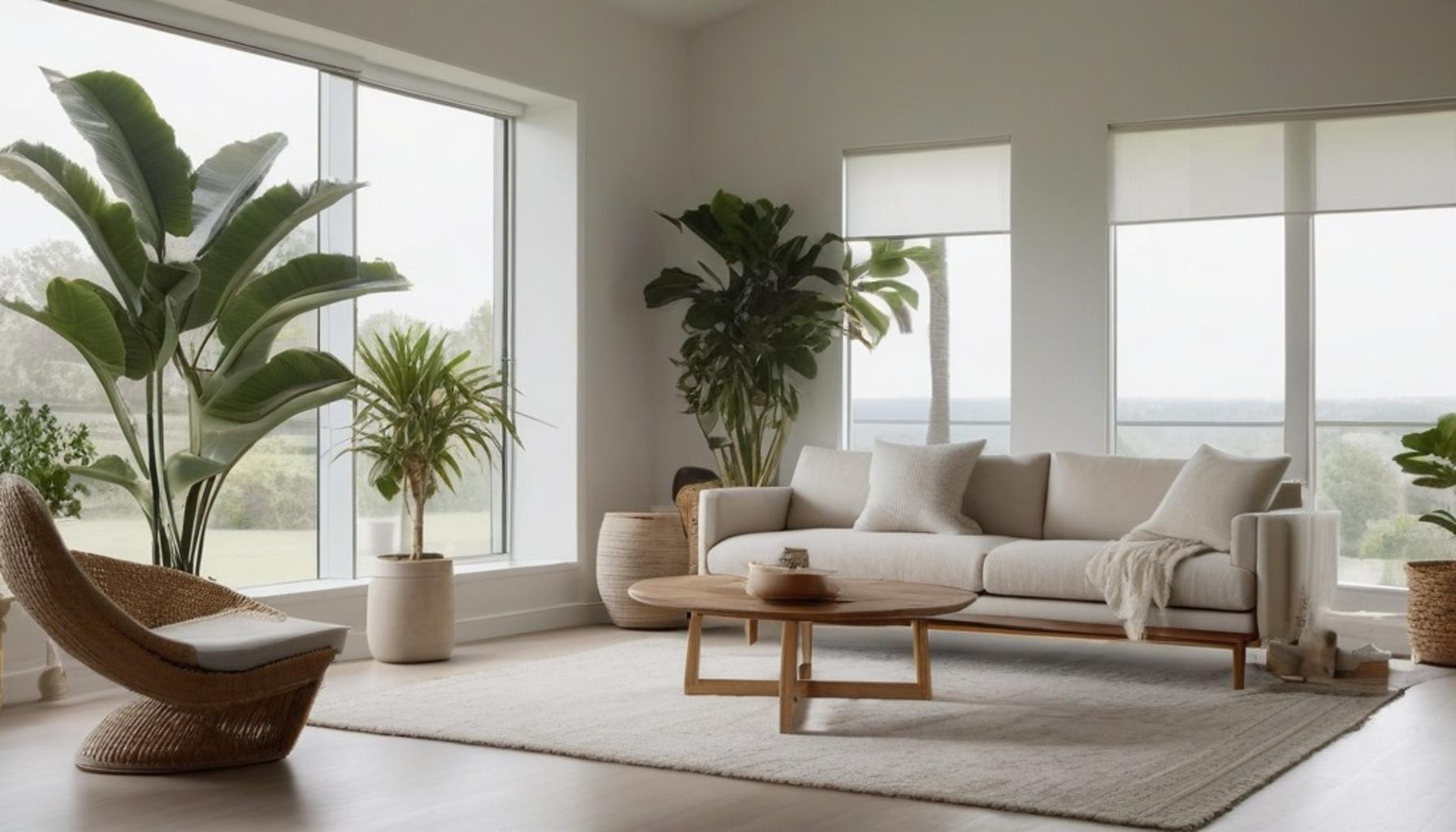
Nurturing a Mindful Mindset: Transforming Your Home Organization Routine into a Minimalist Practice
The Hidden Impact of Mindset on Clutter
In the quest for organization, many Americans gravitate towards purchasing new storage solutions, funneling an estimated $11 billion annually into this market. However, this investment often leads to temporary relief rather than lasting change. The underlying issue is that clutter management frequently addresses only the symptoms of disarray, neglecting the deeper mindset that fuels accumulation.
The core of a sustainable solution lies in mindful home organization. This practice encourages individuals to engage with their personal belongings through a lens of intentional awareness, rather than merely relocating items into bins or boxes. It compels one to rethink their relationship with possessions, fostering a mindset that nurtures clarity and purpose within the home environment.
What You’ll Discover in This Guide
This guide will equip you with the tools necessary to blend mindfulness in organizing with practical minimalist principles. You’ll learn how to transition from haphazard tidying to implementing a flexible, values-driven framework that can be maintained over time. Expect to uncover:
- How minimalist home organization significantly diminishes decision fatigue and reduces daily stress
- Simple yet effective tips for minimalism at home that accommodate the hectic lives of American families
- Step-by-step home organization routines you can easily initiate this weekend
- Innovative methods for transforming your space without the need for costly renovations
Research published in the Journal of Environmental Psychology highlights a striking correlation between cluttered surroundings and heightened cortisol levels, particularly among women who are managing households. A mindful approach not only recognizes but also seeks to alleviate the stress stemming from clutter right at its source.
A New Way to Think About “Stuff”
Rather than asking “Where should this go?” mindful practitioners reframe the question to “Does this serve my life right now?” This pivotal shift in thinking can revolutionize your organizational habits and ultimately lead to a more harmonious home environment.
By the conclusion of this guide, you will possess a comprehensive understanding of how mindful living practices can transform your abode into a tranquil, intentional space—where each drawer, each decision, and each breath contribute to a holistic feeling of well-being.
This journey isn’t just about decluttering; it’s about cultivating a lifestyle that prioritizes purpose and meaning, ensuring that every item in your home plays a vital role in your life.
DISCOVER MORE: Click here to streamline your kitchen!
# Understanding the Psychology Behind Every PileBefore you can master mindful home organization, it helps to understand why clutter accumulates in the first place. Most disorganization isn’t a character flaw or a lack of discipline—it’s a predictable byproduct of decision fatigue, emotional attachment, and outdated habits that no longer serve our actual lives.Psychologists point to a phenomenon called “decision debt.” Every unopened package, every shirt that doesn’t fit, and every gadget shoved in a drawer represents a decision you’ve postponed. Multiply that by the average American household, which reportedly contains over 300,000 items, and it’s easy to see why organizing feels overwhelming.
Why Traditional Organizing Falls Short
Conventional organizing tends to focus on containment rather than confrontation. You buy a bin, label it, and stuff it full—without ever asking whether the contents deserve space in your home at all. This approach treats symptoms, not causes.Mindfulness in organizing flips this model. Instead of asking “How do I store this?” you ask “Why do I still have this?” That single shift transforms tidying from a chore into a practice of self-awareness.Consider these common triggers behind clutter accumulation:
- Emotional attachment — keeping items tied to memories, even when they no longer bring joy
- “Just in case” thinking — hoarding items for hypothetical future scenarios
- Sunk-cost mentality — holding onto expensive purchases out of guilt, not utility
- Decision avoidance — leaving items in limbo because deciding feels harder than ignoring
Recognizing these patterns is the first real step toward minimalist home organization that actually sticks.
The Science of Slowing Down
A 2021 study from UCLA’s Center on Everyday Lives and Families found that women who described their homes as “cluttered” or “unfinished” experienced elevated stress hormones throughout the day—regardless of how much free time they had. Interestingly, the issue wasn’t the volume of belongings, but the *feeling* of chaos and lack of control.This finding reinforces a central idea in mindful living practices: organization isn’t about achieving a picture-perfect aesthetic. It’s about creating an environment where your mind can rest, rather than constantly scanning for unfinished tasks.When you slow down and evaluate possessions intentionally, you interrupt the autopilot behavior that leads to clutter in the first place. This is where sustainable home organization routines begin—not with a trip to the container store, but with a shift in how you perceive your belongings and, ultimately, your space.
| Aspect | Details |
|---|---|
| Mindfulness Techniques | Incorporating mindfulness in organizing can enhance focus and reduce stress. Practices such as meditation before organizing can help ground your thoughts. |
| Decluttering Strategies | Adopting minimalist home organization techniques encourages a thoughtful approach to possessions, prioritizing items that truly serve a purpose or bring joy. |
| Routine Transformation | Revising home organization routines to be more intentional and less overwhelming paves the way for sustainable, minimalist practices that fit your lifestyle. |
| Creating Serenity | Transforming your space into a mindful living environment not only improves aesthetics but also promotes a greater sense of peace and clarity in daily life. |
DISCOVER MORE: Click here for kitchen organization tips
# Building a Room-by-Room Ritual That SticksOnce you understand the psychology driving clutter, the next step in mindful home organization is designing a practical system that works with your brain, not against it. This means abandoning the weekend-long purge in favor of smaller, repeatable rituals.Professional organizers increasingly recommend the “one-zone” method: tackling a single, clearly defined area—like a junk drawer or bathroom cabinet—in 15 to 20 minutes. Neuroscience backs this up. Research on attention spans suggests that decision-making quality drops significantly after prolonged periods of choice-making, a concept known as decision fatigue. Short, focused sessions preserve the mental clarity needed to make intentional choices.
The Four-Question Filter
Instead of the generic “keep or toss” binary, try filtering possessions through more probing questions. This approach, rooted in mindfulness in organizing, forces genuine reflection rather than snap judgments.
- Have I used this in the past 12 months?
- Would I buy this again today, at full price?
- Does this item support the life I’m currently living—not the one I imagined five years ago?
- If this disappeared tomorrow, would I actually replace it?
Answering “no” to most of these is a strong signal the item no longer belongs in your home.
Data-Driven Motivation
Numbers can be surprisingly persuasive. According to a 2022 survey by the National Association of Productivity and Organizing Professionals (NAPO), the average American spends 2.5 days per year searching for misplaced items. That’s roughly 60 hours annually lost to disorganization—time that could otherwise support work, rest, or family.Meanwhile, a UCLA-affiliated consumer study found that households using minimalist home organization principles reported spending 20% less on duplicate purchases, simply because they could see what they already owned.
Creating Sustainable Home Organization Routines
Consistency matters more than intensity. Consider these tips for minimalism at home that reinforce long-term habits:
- Set a recurring 10-minute “reset” at the end of each day for high-traffic zones like entryways and kitchen counters
- Adopt a “one in, one out” rule for clothing and household goods
- Schedule quarterly reviews of storage areas—garages, closets, basements—before seasonal transitions
These small, repeated actions compound over time, gradually transforming your space without requiring drastic overhauls.
Why Ritual Beats Willpower
Behavioral scientists note that willpower is a depletable resource, but rituals bypass this limitation by becoming automatic. When organizing becomes a scheduled, low-stakes habit rather than an emotionally charged event, it aligns naturally with broader mindful living practices—turning maintenance into a form of ongoing self-care rather than a reactive scramble.
Rethinking Clutter as a Mirror, Not a Mess
At its core, mindful home organization is less about storage bins and more about self-awareness. Every drawer, closet, and countertop reflects decisions—conscious or not—about how you want to live.
The strategies outlined throughout this piece, from the one-zone method to the four-question filter, aren’t quick fixes. They’re tools for building a relationship with your belongings based on intention rather than accumulation.
The Ripple Effect of Small Changes
What’s striking is how far-reaching these shifts can be. Households that adopt minimalist home organization principles don’t just report tidier spaces—they describe reduced anxiety, better sleep, and even improved focus during work hours.
This tracks with broader research on environmental psychology, which consistently links visual clutter to elevated cortisol levels. In other words, a calmer home may quite literally translate to a calmer nervous system.
Where to Go From Here
Consider starting small this week. Choose one drawer. Apply the four-question filter. Notice how it feels to make deliberate choices instead of defaulting to habit.
Sustainable home organization routines aren’t built overnight, and they don’t require perfection. They require consistency, curiosity, and a willingness to treat your space as an evolving reflection of your priorities.
As you continue transforming your space, remember that the goal isn’t an empty room—it’s a home that supports how you actually live, work, and rest.
Ultimately, mindfulness in organizing and broader mindful living practices share the same foundation: paying attention. Once you start applying that attention to your belongings, it tends to spill into other areas of life—time, relationships, and even finances—proving that a decluttered home can be the starting point for a much larger transformation.
Frequently Asked Questions
How can I start implementing mindful home organization practices in my daily routine?
Begin by setting aside dedicated time to declutter and organize one area of your home at a time. Focus on items that hold personal value or functionality, and be intentional about what you keep. Incorporating mindfulness techniques, such as deep breathing before you start, can help you stay present during the process.
What are some key benefits of adopting a minimalist approach to home organization?
Adopting a minimalist approach helps reduce stress and anxiety by creating a calmer, more organized space. It also fosters greater clarity and focus, allowing you to find things easily and enjoy a more serene living environment. Ultimately, it encourages a lifestyle that prioritizes experiences over possessions.
Can mindful home organization help with reducing clutter in small apartments?
Yes, mindful home organization is particularly effective in small spaces where clutter can quickly accumulate. By intentionally selecting and organizing items based on their importance and use, you create more functional areas and can utilize available storage more efficiently. Every item should have a designated place, making it easier to keep your space tidy.
What techniques can help create a mindful mindset while organizing my home?
Practices such as deep breathing, visualization, or meditation can be used to cultivate a mindful mindset before you begin organizing. Create a tranquil atmosphere by playing calming music or removing distractions, and focus on the joy and purpose behind each item you decide to keep or part with. This approach encourages connection to your space and possessions.
How does mindful home organization differ from traditional decluttering methods?
Mindful home organization emphasizes intentionality and presence, rather than just the physical act of decluttering. While traditional methods may focus on clearing out items quickly, mindful practices encourage you to reflect on the emotional and functional value of each piece, fostering a deeper understanding of your relationship with your belongings. This makes it a more sustainable approach.
Is it necessary to adopt a full minimalist lifestyle to benefit from mindful home organization?
No, you don’t need to adopt a fully minimalist lifestyle to benefit from mindful home organization. You can integrate mindful practices into your current routine to enhance your living space without drastically reducing your belongings. The key is to focus on intentionality and clarity in your organization efforts, regardless of the overall amount of items you keep.

Beatriz
Beatriz Johnson is a seasoned minimalist and writer with a passion for simplifying the complexities of personal organization and intentional living. With over a decade of experience in decluttering strategies and mindful consumption, she specializes in topics like space optimization, habit simplification, and sustainable lifestyle choices. Through her work on our website, Beatriz empowers readers to embrace minimalism, reduce mental and physical clutter, and create more meaningful, organized lives in today's fast-paced world.