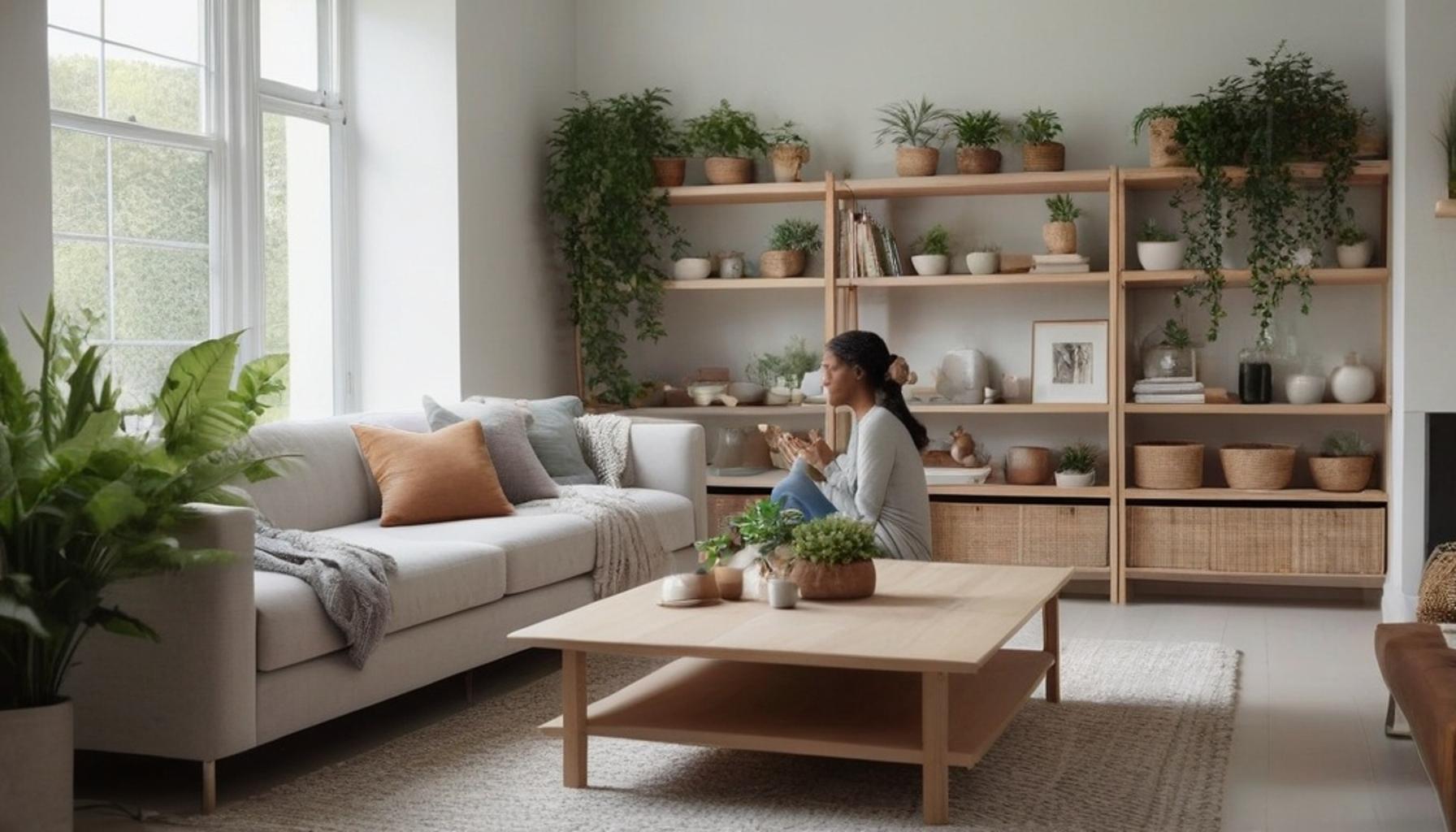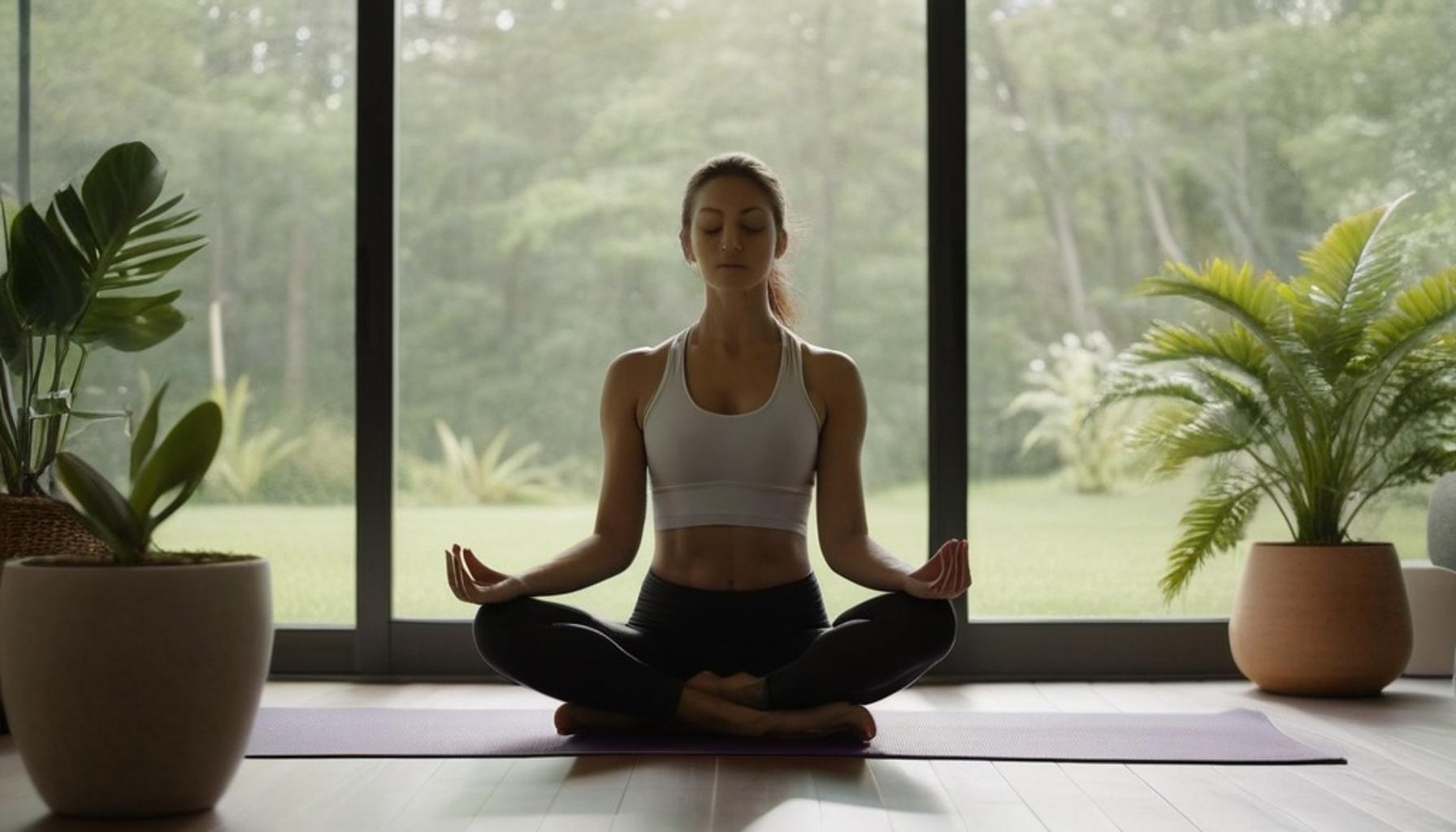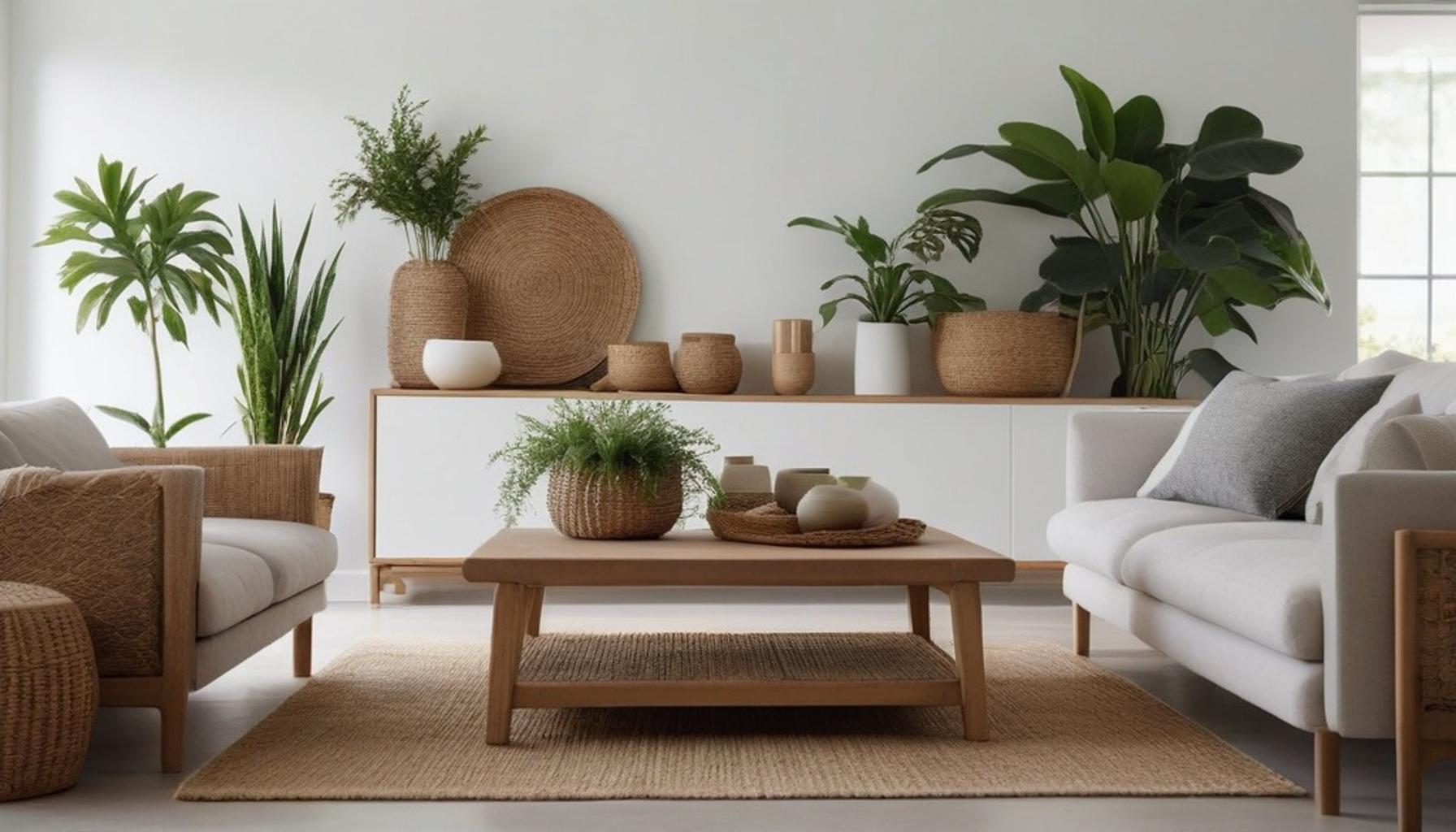
Mindfulness and Minimalism: Cultivating a Clutter-Free Home for Enhanced Well-Being
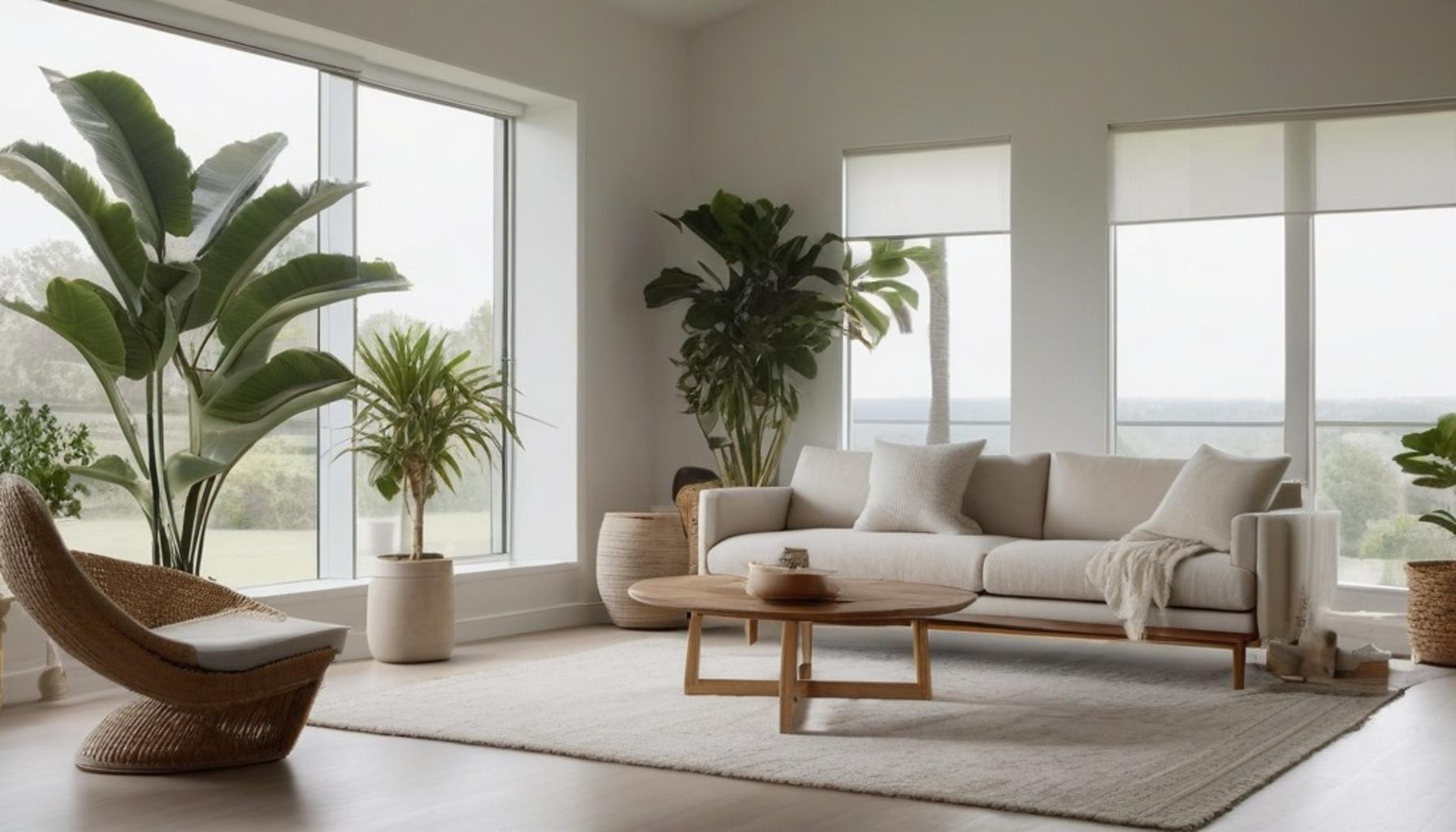
The Impact of Your Home Environment on Mental Clarity
The average American home is said to contain over 300,000 items, according to the LA Times. This statistic points not just to a culture of accumulation, but highlights a pressing concern: our living spaces may have transformed into sources of stress rather than sanctuaries of peace. In this context, Mindfulness and Minimalism emerge as valuable tools designed to combat the overwhelming crisis of possession overload.
People across the United States, from cramped apartments in urban areas like Brooklyn to vast suburban homes in Texas, are increasingly reassessing what “enough” truly signifies. This movement is not solely about eliminating possessions; it leans toward a lifestyle defined by intentionality and purpose.
What You’ll Discover in This Guide
This article delves into how the synthesis of mindful awareness and minimalist principles can rejuvenate not only your physical space but also your mental clarity. Here, you will uncover:
- The scientific link between a clutter-free home and decreased anxiety, highlighting studies that support this claim.
- Key benefits of minimalism, which transcend mere visual appeal and foster enhanced daily productivity.
- Practical mindfulness practices that can be seamlessly integrated into your decluttering endeavors.
- Targeted decluttering tips specifically devised for the demanding schedules of American families.
Research conducted by Princeton University reveals that visual clutter competes for our attention, diminishing our capacity to concentrate and process information effectively. This indicates that chaotic countertops and stuffed closets are not simply unattractive; they actively siphon off our cognitive energy, leading to mental fatigue.
Fortunately, the journey toward a more organized lifestyle does not necessitate an all-or-nothing approach. Even small, mindful changes can lead to remarkable improvements in overall well-being. The principles of minimalism and mindfulness work in tandem to cultivate environments that nourish our desires and goals, making them indispensable in today’s fast-paced world.
This exploration invites you to consider the relationship between your home and your mind. As you read on, expect to be equipped with the necessary knowledge to embark on a transformative journey that may redefine both your physical space and mental clarity.
DIVE DEEPER: Click here for expert tips on kitchen organization
The Science Behind Clutter and the Stressed-Out Mind
Walk into any American garage on a Saturday morning, and you’ll likely find a scene repeated in millions of households: bins stacked upon bins, holiday decorations tangled with forgotten exercise equipment, and boxes that haven’t been opened since the last move. This isn’t just a storage problem. It’s a mental health issue hiding in plain sight.
Researchers at UCLA’s Center on Everyday Lives and Families found that women who described their homes as cluttered or unfinished had higher levels of cortisol, the body’s primary stress hormone, throughout the day. In contrast, those who described their spaces as restful and restorative showed healthier stress patterns. The takeaway is clear: your surroundings physically alter your body’s chemistry, whether you notice it or not.
Why the Brain Struggles with Excess Stuff
Neuroscientists have identified a phenomenon where excessive visual stimuli overload the brain’s processing capacity. When your kitchen counter is buried under mail, gadgets, and unopened packages, your brain doesn’t get a break. It keeps working, quietly, to sort through the visual noise, even when you think you’re relaxed.
This is where the practice of Mindfulness and Minimalism becomes more than a lifestyle trend; it becomes a legitimate strategy for reclaiming cognitive bandwidth. A clutter-free home isn’t about achieving a sterile, Pinterest-perfect aesthetic. It’s about reducing the number of decisions and distractions your brain has to manage every single day.
Consider these documented effects of chronic clutter, based on findings from environmental psychology studies:
- Increased difficulty focusing on tasks, even simple ones like reading or cooking.
- Higher reported levels of fatigue and irritability among household members.
- Reduced quality of sleep when bedrooms contain excessive items or unfinished projects.
- A measurable delay in decision-making speed when too many options are visually present.
For American families juggling school schedules, remote work, and social obligations, these effects compound quickly. A disorganized entryway or a chaotic home office doesn’t just look messy; it actively works against productivity and peace of mind.
The good news is that awareness itself is the first step. Once you recognize how your physical environment shapes your mental state, you gain the power to change it. This is precisely where mindfulness practices intersect with minimalist principles, offering a grounded, research-backed path toward calmer, more intentional living.
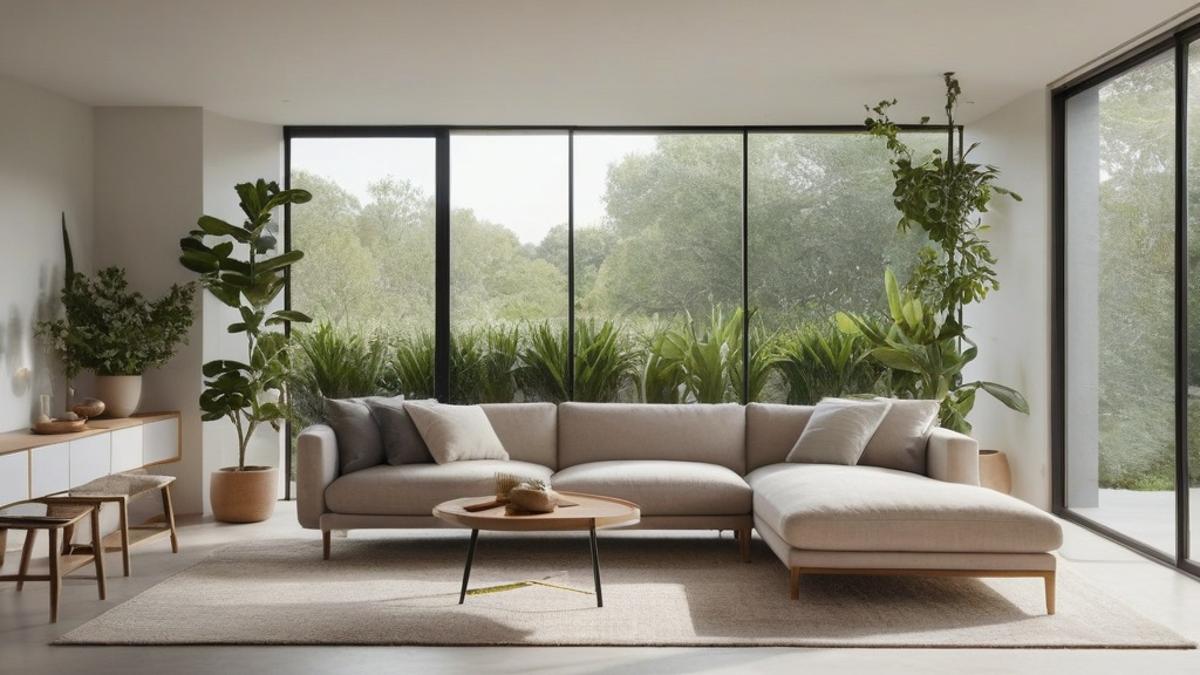
| Key Aspect | Description |
|---|---|
| Decluttering Techniques | Implementing specific decluttering tips, such as the “one in, one out” rule, can significantly reduce clutter, fostering a calmer atmosphere. |
| Mindfulness Practices | Engaging in mindfulness practices while organizing promotes emotional clarity and helps prioritize what truly matters in your living space. |
| Emotional Benefits | A clutter-free home greatly contributes to enhanced well-being, reducing stress and anxiety while improving overall life satisfaction. |
| Sustainable Living | Adopting mindfulness and minimalism encourages sustainable living by focusing on quality over quantity, promoting eco-friendly choices. |
DISCOVER MORE: Click here for kitchen organization tips
Mindful Decluttering: A Room-by-Room Approach to Lasting Change
Most people who attempt to declutter their homes make the same mistake: they treat it like a weekend sprint rather than a sustainable practice. They rent a dumpster, purge an entire closet in one exhausting afternoon, and burn out before the momentum sticks. Mindfulness and Minimalism, when combined properly, work differently. They ask you to slow down, not speed up.
This distinction matters. A 2019 study published in the Journal of Consumer Research found that people who made deliberate, values-based decisions about their belongings reported greater satisfaction with their space than those who decluttered quickly for the sake of appearance alone. Slower, more intentional choices simply stick better.
Starting Small: The Power of One Drawer
Professional organizers across the country consistently recommend starting with a single, low-stakes area, think a junk drawer or a bathroom cabinet, before tackling anything emotionally loaded like a childhood bedroom or a deceased relative’s belongings. This approach builds confidence and teaches you to recognize the physical sensation of relief that comes with releasing unnecessary items.
Try this simple framework, adapted from popular decluttering tips used by professional organizers nationwide:
- Remove everything from the space and clean the empty surface first.
- Sort items into three categories: keep, donate, and discard.
- Pause before returning each “keep” item and ask whether it serves a real purpose or holds genuine meaning.
- Limit yourself to one category or room per session to avoid decision fatigue.
The Living Room and Kitchen: America’s Clutter Hotspots
According to a 2022 survey by the National Association of Productivity and Organizing Professionals, the kitchen and living room rank as the two most cluttered spaces in American homes. Mail piles, charging cables, unused appliances, and toys tend to accumulate fastest in these high-traffic zones.
Addressing these areas with a clutter-free home mindset doesn’t require expensive storage solutions. It requires consistent habits: a designated landing spot for mail, a nightly five-minute reset of shared spaces, and honest evaluation of countertop appliances that haven’t been used in six months.
Incorporating mindfulness practices into this process means paying attention to how each space actually makes you feel, not just how it looks. A tidy shelf that still causes stress every time you glance at it hasn’t solved the underlying problem. The goal isn’t visual perfection; it’s an environment that genuinely supports calm, focus, and the benefits of minimalism that so many households are actively searching for today.
DISCOVER MORE: Click here for essential tips on kitchen organization
Bringing It All Home: Why Less Truly Becomes More
The research is clear, and so is the lived experience of millions of Americans rethinking their relationship with belongings. Mindfulness and Minimalism aren’t fleeting design trends destined for the same fate as fad diets. They represent a measurable shift in how people define comfort, success, and even happiness inside their own four walls.
Throughout this discussion, one theme keeps resurfacing: intention beats intensity. A single drawer, tackled thoughtfully, teaches more than an entire weekend of frantic purging ever could. Small, repeatable habits, not dramatic overhauls, are what sustain a clutter-free home over the long haul.
What This Means for Your Next Step
Consider starting this week, not someday. Pick one hotspot, perhaps that kitchen counter or the mail pile by the front door, and apply the keep, donate, discard framework already outlined. Notice how the space feels afterward, not just how it looks.
That emotional check-in is where mindfulness practices and physical organization truly intersect. The goal was never a magazine-worthy living room; it was a home that supports mental clarity and reduces daily friction.
The benefits of minimalism extend well beyond tidy shelves. Reduced anxiety, better focus, and more meaningful spending habits all surface repeatedly in consumer research on intentional living. These are not abstract promises; they are documented outcomes reported by people who chose to slow down and evaluate what actually earns a place in their homes.
Whether you’re motivated by enhanced well-being, financial clarity, or simply a desire to stop tripping over unused gym equipment, the path forward relies on the same principle: consistent, mindful decluttering tips practiced over time outperform any single dramatic cleanout. Your home, and quite possibly your mind, will notice the difference.
Frequently Asked Questions
How can adopting mindfulness practices support my journey towards minimalism?
Adopting mindfulness practices can help you become more aware of your thoughts and feelings regarding possessions, making it easier to identify what truly matters to you. By focusing on the present moment, you can cultivate a deeper appreciation for the things you choose to keep, ultimately guiding your decluttering process.
What specific strategies can I use to combine mindfulness and minimalism in my home?
You can combine mindfulness and minimalism by starting with a mindful inventory of your belongings, reflecting on which items bring you joy or serve a purpose. Implement mindful decluttering sessions, where you consciously decide what to keep, donate, or discard, while being aware of your thoughts and feelings throughout the process.
How does a clutter-free environment contribute to my overall well-being?
A clutter-free environment can reduce stress and anxiety by creating a more peaceful and organized space, allowing for clearer thinking. Minimalism often fosters a sense of control and freedom, promoting mental well-being and enabling you to focus on activities that enhance your quality of life.
Can mindfulness help me manage the emotional attachment I have to my belongings?
Yes, mindfulness can help you navigate emotional attachments by encouraging you to observe your feelings without judgment. Practicing mindfulness techniques, such as breathing exercises or meditation, can assist you in processing these emotions, making it easier to let go of items that no longer serve you.
What are some common misconceptions about minimalism and how can mindfulness address them?
A common misconception about minimalism is that it requires completely eliminating all possessions, which can seem overwhelming. Mindfulness helps address this by emphasizing intentional living and quality over quantity, allowing you to curate a collection of items that genuinely enhance your life without the pressure to adhere to strict rules.

Beatriz
Beatriz Johnson is a seasoned minimalist and writer with a passion for simplifying the complexities of personal organization and intentional living. With over a decade of experience in decluttering strategies and mindful consumption, she specializes in topics like space optimization, habit simplification, and sustainable lifestyle choices. Through her work on our website, Beatriz empowers readers to embrace minimalism, reduce mental and physical clutter, and create more meaningful, organized lives in today's fast-paced world.