Maximizing Space with Mindfulness: Intentional Living and Smart Storage Solutions
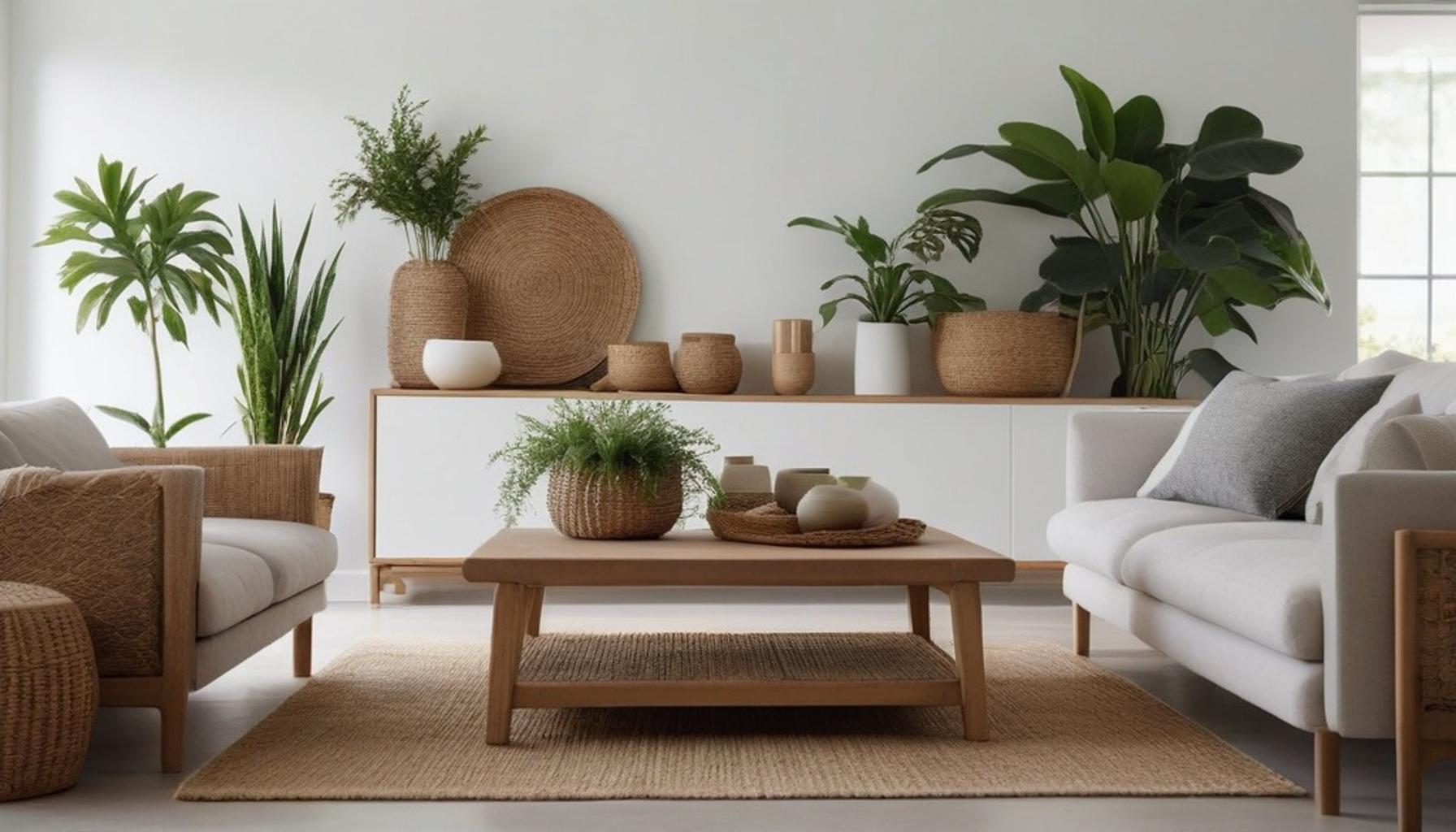
Rethinking How We Fill Our Homes
The average American home has nearly tripled in size since the 1950s, yet clutter complaints have never been higher. Closets overflow, garages become storage graveyards, and countertops disappear under piles of “maybe someday” items. The problem isn’t square footage—it’s how mindfully that space gets used.
Intentional living storage solutions offer a different approach entirely. Rather than simply buying bigger bins or renting off-site units, this philosophy asks a sharper question: does this item, and the space it occupies, actually serve your life?
Why Mindful Space Organization Matters Now
Consumer research shows the typical household contains over 300,000 items, according to the LA Times. That statistic alone explains the surge in interest around decluttering techniques and minimalist frameworks across cities from Brooklyn apartments to Austin bungalows.
This growing movement blends practical organization with a mindset shift. It’s less about strict minimalism and more about creating breathing room—both physical and mental.
- Smart storage ideas that maximize vertical and hidden space
- Decision-making frameworks for what stays and what goes
- Room-by-room strategies to maximize small spaces
- Sustainable habits that prevent clutter from creeping back
What This Guide Will Cover
This article explores practical, tested strategies for smaller footprints and larger homes alike. Readers will discover how minimalist living tips intersect with clever design choices to transform chaotic rooms into calm, functional spaces.
From multi-purpose furniture to digital decluttering, every section delivers actionable steps rather than vague inspiration. The goal: a home that feels lighter, functions better, and reflects genuine intention.
DISCOVER MORE: Click here to simplify your kitchen
# The Psychology Behind Cluttered SpacesWalk into any big-box retailer, and the storage aisle tells a story. Stackable bins, closet organizers, garage shelving systems—an entire industry built on the assumption that Americans simply need more places to put things. But researchers at UCLA’s Center on Everyday Lives and Families found something counterintuitive: households with the most storage products often reported feeling just as overwhelmed as those without.The issue isn’t containment. It’s accumulation.
The Hidden Cost of “Just in Case”
Every item stored, whether in a closet or a rented unit, carries a cost that rarely shows up on a receipt. Self-storage has become a $39.5 billion industry in the United States, according to the Self Storage Association—much of it filled with belongings people haven’t touched in over a year.That’s not organization. That’s deferred decision-making.Mindful space organization flips the script by asking a harder question upfront: why keep something that isn’t actively improving daily life? This isn’t about austerity. It’s about intention.Consider these common culprits behind space-related stress:
- Duplicate kitchen tools bought “just in case” the first one breaks
- Clothing kept for a body size or season that no longer applies
- Sentimental items stored out of guilt rather than genuine attachment
- Gadgets and gifts that seemed useful but never left the box
A Shift in How Americans Define “Enough”
Cities like Portland, Denver, and Minneapolis have seen a rise in accessory dwelling units and micro-apartments—compact living spaces that force smarter choices by design. Residents in these smaller footprints often report higher satisfaction with their homes, not despite the size, but because of it.Limited square footage eliminates the option to procrastinate on decisions. Every item earns its place.This is where decluttering techniques and thoughtful design intersect. It’s not simply about removing possessions—it’s about creating systems that make maintaining order effortless rather than exhausting.The following sections break down exactly how to apply this thinking, room by room, using strategies that work whether the goal is to maximize small spaces in a studio apartment or bring calm to a sprawling suburban home.
| Category | Details |
|---|---|
| Mindful Space Organization | Incorporates intentional living storage solutions that reflect personal values and aesthetics. |
| Smart Storage Ideas | Utilizes innovative furniture and design strategies to effectively maximize small spaces and reduce clutter. |
| Decluttering Techniques | Encourage regular assessments of belongings, promoting a minimalist living mindset to enhance functionality. |
| Personalized Solutions | Customizes storage strategies, enabling unique approaches to smart storage while maintaining a sense of peace. |
DISCOVER MORE: Click here for tips on a clutter-free kitchen
# Room-by-Room Strategies That Actually StickTheory only goes so far. The real test happens in kitchen drawers, bedroom closets, and that one junk drawer nobody wants to open.Intentional living storage solutions work best when they’re tailored to how a space is actually used, not how a magazine says it should look.
The Kitchen: Where Clutter Multiplies Fastest
Kitchens accumulate gadgets faster than almost any other room in the house. A 2022 survey by the National Kitchen and Bath Association found that the average American kitchen contains 12 utensils used regularly out of 40 or more owned.That’s a 70 percent idle rate sitting in drawers.Practical fixes include:
- Drawer dividers sized to actual utensils owned, not generic slots
- Vertical shelving inside cabinets to double usable space
- A “one in, one out” rule for small appliances
These aren’t just smart storage ideas—they’re behavioral nudges that make clutter harder to accumulate in the first place.
Closets and the Myth of Seasonal Rotation
Fashion resale platform ThredUp reports that the average American garment is worn only seven times before being discarded or forgotten. Closets, as a result, become storage units for regret.Capsule wardrobes have gained traction in cities like Austin and Seattle, where residents rotate a limited set of pieces rather than storing off-season clothing indefinitely. The approach reduces decision fatigue each morning while freeing significant closet real estate.
Home Offices and the Digital-Physical Divide
Remote work reshaped millions of American homes, often cramming a desk into whatever corner was available. But physical paper clutter—old bills, printed manuals, outdated files—remains a top complaint among home organizers.Digitizing documents through scanning apps eliminates entire filing cabinets. Cloud storage now handles what drawers used to.
Small Living Rooms and Multi-Purpose Furniture
To maximize small spaces, furniture increasingly does double duty. Ottomans with hidden storage, wall-mounted drop-leaf tables, and modular shelving units have become staples in apartments across New York and San Francisco, where square footage often costs more than $1,000 per month per room.These aren’t cosmetic upgrades. They’re structural decluttering techniques built directly into the furniture.
The Common Thread
Across every room, the pattern repeats: less inventory, more intention. Minimalist living tips aren’t about empty rooms—they’re about spaces where everything present has a clear, active purpose.The next section examines how to maintain these systems long-term, once the initial decluttering momentum fades.
Bringing It All Together: Space as a Reflection of Values
The evidence points to a clear conclusion: cluttered homes rarely result from a lack of storage. They result from a lack of decision-making about what deserves space in the first place.
Intentional living storage solutions succeed not because they involve fancier bins or trendier shelving, but because they force households to confront what they actually use versus what they’ve simply accumulated.
What the Data Really Suggests
From kitchen drawers holding three times more utensils than necessary to closets storing garments worn only a handful of times, the numbers tell a consistent story. Americans are surrounded by inventory, not utility.
Mindful space organization addresses this by treating every object as a candidate for justification rather than automatic retention.
This shift matters more in 2024 than in previous decades. With urban square footage costing more each year, particularly in cities like New York, Boston, and Los Angeles, wasted space carries a real financial cost, not just an aesthetic one.
Looking Beyond the Bins and Shelves
The tools discussed throughout this piece—drawer dividers, capsule wardrobes, multi-purpose furniture—are only as effective as the habits behind them.
Smart storage ideas without ongoing intention tend to revert to clutter within months, according to professional organizers who track client outcomes.
Lasting change comes from routine evaluation, not one-time overhauls.
A Final Consideration
Readers looking to maximize small spaces should treat this as an evolving practice rather than a finished project. Needs shift, seasons change, and households grow or shrink.
The most effective decluttering techniques and minimalist living tips aren’t rigid rules—they’re flexible frameworks that adapt alongside daily life, keeping homes functional, spacious, and genuinely livable.
Frequently Asked Questions
What are some effective intentional living storage solutions for small apartments?
For small apartments, consider multifunctional furniture that doubles as storage, like ottomans or coffee tables with compartments. Utilizing vertical space with shelves and wall-mounted storage can also help maximize your space. Additionally, decluttering regularly allows you to keep only what you need, making it easier to organize.
How can I incorporate mindfulness into my storage solutions?
Incorporating mindfulness into storage solutions involves being intentional about what you keep and how you organize it. Take time to evaluate each item and ask yourself if it serves a purpose or brings you joy. This practice not only aids in decluttering but also enhances your living environment by reducing stress.
What minimalist principles can I apply to my storage strategies?
Minimalist principles emphasize simplicity, functionality, and quality over quantity. To apply these to your storage strategies, focus on keeping only essential items that support your lifestyle while utilizing stylish, efficient storage options that blend with your decor. This approach keeps your space tidy and more peaceful.
Can you provide tips for organizing seasonal items in an intentional living space?
When organizing seasonal items, start by categorizing them into bins labeled for each season. Store these bins in less accessible spaces, like under beds or in closets, and swap them out as the seasons change. This method keeps your living area organized while making it easy to access items when needed.
How can I create a more intentional living space without spending a lot of money on storage solutions?
To create a more intentional living space on a budget, repurpose items you already own. For example, use wooden crates or old baskets for storage instead of buying new boxes. Thrift stores and garage sales can also provide unique storage options at a fraction of the cost, allowing you to combine creativity with functionality.
What role does decluttering play in effective intentional living storage solutions?
Decluttering is essential in creating effective intentional living storage solutions as it helps you clear out unused or unnecessary items. By regularly reassessing your possessions and removing what no longer serves you, you create more space for meaningful items, making it easier to organize and maintain a mindful living environment.

Beatriz
Beatriz Johnson is a seasoned minimalist and writer with a passion for simplifying the complexities of personal organization and intentional living. With over a decade of experience in decluttering strategies and mindful consumption, she specializes in topics like space optimization, habit simplification, and sustainable lifestyle choices. Through her work on our website, Beatriz empowers readers to embrace minimalism, reduce mental and physical clutter, and create more meaningful, organized lives in today's fast-paced world.