The Intersection of Mindfulness and Minimalism: Creating a Clean Mental and Physical Space
The Growing Popularity of Mindfulness and Minimalism
Despite living in an age characterized by unprecedented affluence, many Americans find themselves grappling with rising levels of anxiety and stress. As possessions accumulate—ranging from the latest gadgets to a multitude of clothes that often go unworn—the physical and mental clutter can exacerbate feelings of overwhelm. In homes across the country, closets are stuffed beyond capacity, and digital devices ping incessantly, reminding us of tasks left undone. This modern lifestyle has resulted in a striking paradox: the more we own, the less peace we experience.
Enter the philosophies of Mindfulness and Minimalism. Instead of advocating for deprivation, these approaches promote intentional living, encouraging individuals to focus on what genuinely matters in their lives. By adopting minimalism, people can clarify their priorities, stripping away the non-essential to make room for the experiences and relationships that bring true joy.
A Movement Backed by Data
Research from the Journal of Environmental Psychology reveals a compelling connection between our environments and our mental states. As clutter increases, cortisol levels—the hormone associated with stress—also rise, leading to reduced focus and overall mental fatigue. This creates a cycle where disorganization can actually hinder our productivity and well-being.
Interestingly, mindfulness practices present a solution to this issue. Studies published by Harvard Medical School indicate that such practices can decrease stress levels by up to 30 percent, suggesting that mindfulness isn’t just helpful; it can be transformational.
The statistics highlight a shift in societal values: minimalism for mental clarity is more than a fleeting trend. It reflects a fundamental change in how many Americans are choosing to live their lives. Implementing these lifestyle changes can manifest in various practical ways:
- Creating a capsule wardrobe that simplifies daily decisions and reduces mental clutter.
- Incorporating five-minute mindfulness breaks throughout the day to restore focus and calm.
- Adopting decluttering techniques, such as the one-in-one-out rule, which encourages reconsideration of what we truly need.
- Establishing tech-free zones in the home, creating spaces where individuals can disconnect and engage fully with their surroundings.
These strategies are not merely theoretical. They represent a growing trend that reshapes how many Americans perceive comfort and success. This article delves into the connection between a minimalist environment and emotional well-being, exploring how mindfulness can elevate those spaces beyond just mere emptiness. Together, they create a roadmap toward a lifestyle marked by fewer distractions and a deeper sense of presence.
SEE ALSO: Mindful Decluttering Techniques for Efficient Living: Space Optimization in Small Spaces
How Physical Clutter Shapes Mental Clarity
Walk into any American garage, and you’re likely to find a graveyard of good intentions: exercise equipment gathering dust, holiday decorations spanning multiple seasons, and boxes labeled “miscellaneous” that haven’t been opened in years. This situation illustrates a far-reaching issue that goes beyond mere disorganization—it’s deeply intertwined with psychological well-being.
Neuroscientists at Princeton University discovered that visual clutter competes for our attention, straining our cognitive resources and hindering our ability to process information efficiently. In a world filled with distractions, our environments can immensely impact our mental clarity. Hence, that overflowing junk drawer isn’t merely an eyesore; it’s a barrier to your brain’s capacity to focus and perform tasks efficiently. Research indicates that spaces cluttered with unorganized items continuously siphon away psychological energy, making it increasingly challenging to concentrate on meaningful tasks.
The Science Behind Minimalism for Mental Clarity
Research into the psychological implications of decluttering showcases compelling evidence regarding its benefits. When participants in various studies reduced their physical possessions, they reported not only cleaner living spaces but also lower anxiety levels within a remarkably short span, often just a few weeks. This correlation between environmental conditions and emotional states underscores how our surroundings can shape our mental health significantly.
Practical decluttering techniques align perfectly with mindful living strategies. Many professional organizers advocate a methodical approach when tackling accumulated belongings. Here are some practical steps:
- Start with one category at a time—focus on clothing, books, or kitchen items rather than overwhelming yourself with the entire home.
- Ask whether each item has a genuine purpose or genuinely brings joy; distinguishing between habitual attachment and meaningful connection is crucial.
- Set a 15-minute timer for short, focused decluttering sessions to prevent feelings of overwhelm and decision fatigue.
- Commit to donating or repurposing items within 24 hours of deciding they’re unnecessary to avoid falling into the “maybe later” trap.
These strategies are not arbitrary but are informed by behavioral psychology, suggesting that reducing decision fatigue can free up significant mental bandwidth, allowing for more meaningful decision-making throughout the day. By minimizing the mental load of clutter, individuals can create space for creativity and emotional clarity.
Beyond the Aesthetic: Creating a Minimalist Space with Purpose
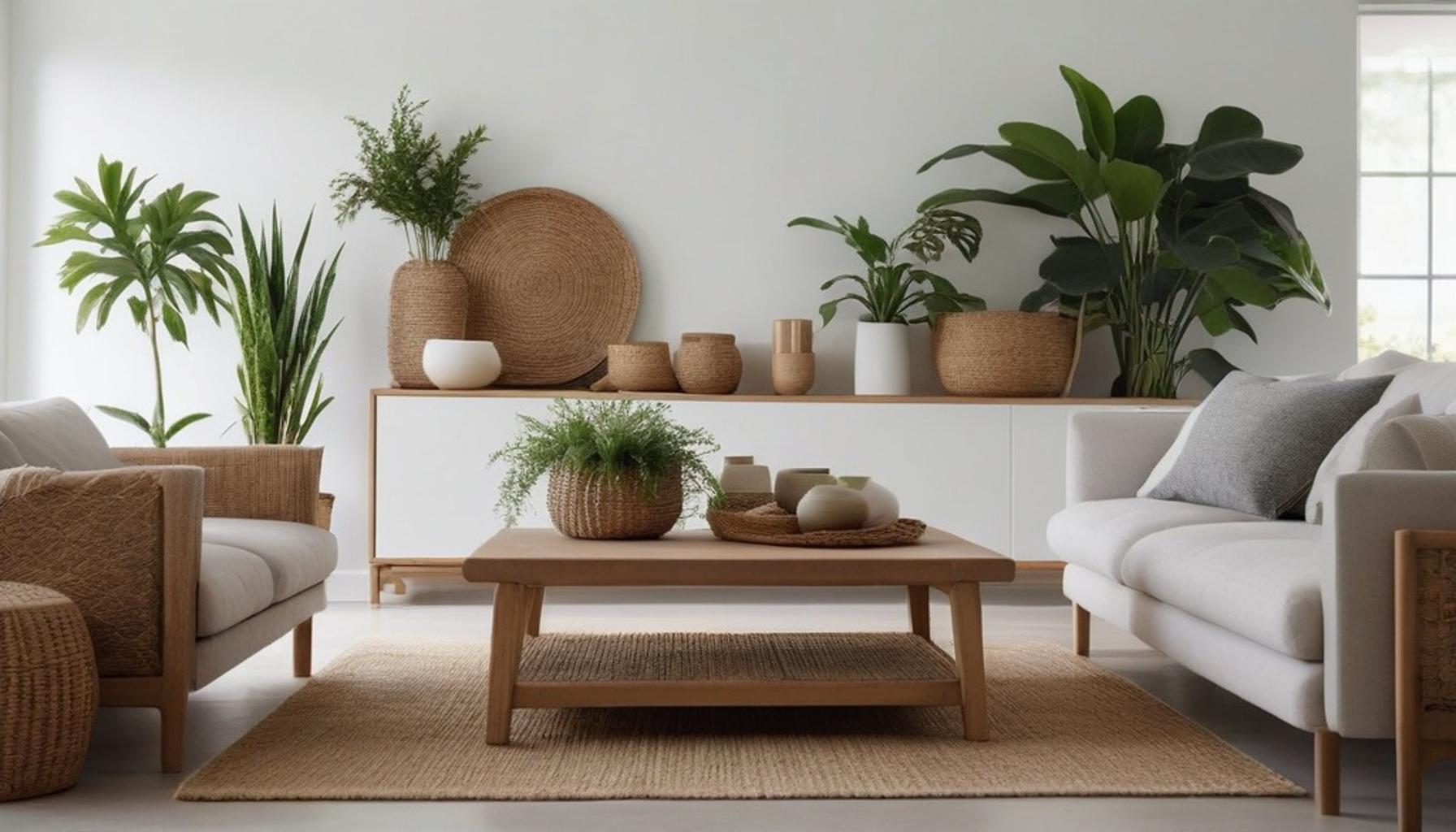
While it’s tempting to view minimalism solely through the lens of visual aesthetics—white walls, empty countertops, and a houseplant poised in a sunlit corner—the merits of mindfulness in a minimalist environment extend far beyond these appealing visuals.
Take into account the average American household, which the LA Times reports contains over 300,000 items, ranging from mundane paperclips to substantial pieces of furniture. Each one of these objects symbolizes a micro-decision: determining where to store it, managing cleaning chores, or contemplating whether to keep it. When you multiply the cognitive workload linked to these countless decisions, the mental burden becomes astonishing.
Thus, crafting a minimalist space transcends mere deprivation; it embodies the principle of intentional curation. This process involves thoughtfully selecting what remains in your environment based on function, emotional resonance, or genuine joy while letting go of everything else. This philosophy is a natural ally to mindfulness practices that require presence, awareness, and sincere self-reflection about what genuinely matters in life.
In the grand scheme, embracing a minimalist lifestyle can foster a profound transformation, equipping individuals not only to reclaim their physical spaces but also to achieve greater mental clarity. It underscores the importance of conscious living, where the decision to surround oneself only with that which inspires or serves a purpose results in an emotionally balanced life.

| Category | Key Aspects |
|---|---|
| Mindful Decluttering | Engage in decluttering techniques that promote mindfulness by removing items that no longer serve your mental or physical space. |
| Benefits of Minimalism | Minimalism for mental clarity enhances focus, reduces anxiety, and leads to a clearer mindset, which can improve overall well-being. |
| Creating a Minimalist Space | Utilize mindful living tips to curate a space that encourages tranquility by incorporating only essential and meaningful items. |
SEE ALSO: Mindfulness and Space Management: Cultivating a Simplified Home Environment
Mindful Living Tips for Sustaining a Clutter-Free Mindset
Once the physical purge is complete, the real work begins. Anyone who has watched a meticulously organized closet slide back into chaos within months knows that decluttering is not a one-time event but an ongoing practice. This is precisely where mindfulness enters the equation, transforming minimalism from a weekend project into a sustainable lifestyle.
Mindfulness and minimalism share a common foundation: both demand that practitioners pause before acting. A Harvard Business Review study on consumer behavior found that Americans make an average of 35,000 decisions daily, many involving what to buy, keep, or discard. Applying mindful awareness to these choices—asking “Do I need this, or do I simply want it in this moment?”—can dramatically reduce future clutter accumulation.
Digital Minimalism: The Overlooked Frontier
While physical clutter receives most of the attention, digital clutter presents an equally pressing concern. The average American smartphone user checks their device 96 times per day, according to data from Asurion, often triggered by notification overload and disorganized apps.
Consider these digital decluttering techniques for mindfulness that mirror physical organization methods:
- Unsubscribe from email newsletters that no longer serve a genuine purpose, targeting inbox zero as a monthly goal rather than a daily obsession.
- Turn off non-essential notifications, reserving alerts only for communications requiring immediate attention.
- Organize digital photos and files into clearly labeled folders, mirroring the “one category at a time” approach used for physical belongings.
- Schedule specific times for checking social media instead of allowing constant, reflexive scrolling to dictate your attention.
These practices reflect a broader truth about minimalism for mental clarity: the principle applies equally to tangible possessions and virtual spaces, both of which compete for finite cognitive resources.
Building Rituals That Reinforce Mindful Living
Sustainable minimalism relies heavily on ritual. Japanese decluttering expert Marie Kondo popularized the idea of thanking objects before discarding them, a practice rooted in Shinto tradition that encourages gratitude rather than guilt.
American practitioners have adapted similar rituals, incorporating brief morning reflections or evening “reset” routines where surfaces are cleared and tomorrow’s priorities are mentally organized. This nightly practice, according to behavioral researchers, helps signal to the brain that the day’s cognitive load has been processed, promoting better sleep and reduced morning anxiety.
Ultimately, the benefits of mindfulness paired with intentional living extend into nearly every corner of daily existence—from the contents of a kitchen pantry to the apps cluttering a smartphone home screen. Establishing these consistent, small rituals often proves more effective than dramatic, one-time purges in maintaining long-term clarity.
Where Mindfulness and Minimalism Ultimately Lead
Stripped of buzzwords, this exploration reveals something surprisingly simple: Mindfulness and Minimalism are not passing trends but responses to a culture of excess. Whether the clutter fills a garage, an inbox, or a racing mind at 2 a.m., the antidote remains consistent—slow down, evaluate, and keep only what serves a genuine purpose.
The research cited throughout this discussion, from decision fatigue statistics to smartphone-checking habits, points to a measurable truth. Americans are overwhelmed not because they lack willpower, but because modern life rarely encourages pause. Creating a minimalist space, whether physical or digital, reintroduces that pause deliberately.
What makes this intersection compelling is its accessibility. No expensive retreat or complete lifestyle overhaul is required to experience the benefits of mindfulness. A five-minute morning reset, a single unsubscribed newsletter, or one drawer cleared of unused items can trigger a ripple effect toward greater clarity.
Skeptics might argue that minimalism for mental clarity sounds appealing in theory but proves difficult in a consumer-driven society. That tension is worth acknowledging rather than dismissing. Progress, not perfection, tends to define lasting change.
Looking ahead, expect these ideas to expand further into workplace wellness programs, urban design, and even financial planning, as more Americans seek ways to reduce overwhelm. The decluttering techniques for mindfulness discussed here are merely a starting point.
Anyone curious about next steps might consider starting small: choose one mindful living tip from this article, apply it for a single week, and observe the shift. Sometimes the clearest path toward a calmer mind begins with nothing more than an empty shelf and a moment of intentional stillness.
Frequently Asked Questions
How can practicing mindfulness enhance my experience of minimalism?
Practicing mindfulness allows you to become more aware of your thoughts, feelings, and surroundings, which can help you make intentional choices about what to keep or discard. This conscious awareness can lead to a deeper understanding of what truly adds value to your life, resulting in a more meaningful and minimal living space.
What are some practical steps to start blending mindfulness and minimalism in my daily life?
Start by assessing your current environment and identifying items that you no longer need or use. Implement daily mindfulness practices, such as meditation or mindful breathing, to cultivate awareness of your thoughts and space, helping you make more intentional decisions about what to keep in your life.
Can mindfulness help with the emotional attachment to clutter?
Yes, mindfulness can assist in recognizing and processing the emotions tied to clutter. By practicing mindfulness, you can explore the reasons behind your attachment and approach the decluttering process with compassion and clarity, making it easier to let go of items that no longer serve you.
What role does a clean physical space play in promoting mental clarity through mindfulness?
A clean physical space can significantly reduce distractions and create an environment that encourages focus and clarity. When your surroundings are minimal and organized, it can enhance your mindfulness practice, allowing for a deeper connection with your thoughts and feelings.
How do I maintain a balance between minimalism and the desire for comfort in my home?
Maintaining balance involves selecting a few meaningful, comfortable items that resonate with you while eliminating excess clutter. Focus on quality over quantity, and use mindfulness to regularly evaluate your belongings to ensure they contribute positively to your living environment without overwhelming it.

Beatriz
Beatriz Johnson is a seasoned minimalist and writer with a passion for simplifying the complexities of personal organization and intentional living. With over a decade of experience in decluttering strategies and mindful consumption, she specializes in topics like space optimization, habit simplification, and sustainable lifestyle choices. Through her work on our website, Beatriz empowers readers to embrace minimalism, reduce mental and physical clutter, and create more meaningful, organized lives in today's fast-paced world.