Transforming Your Closet: Smart Storage Hacks for a Minimalist Lifestyle
Why Your Closet Deserves a Minimalist Makeover
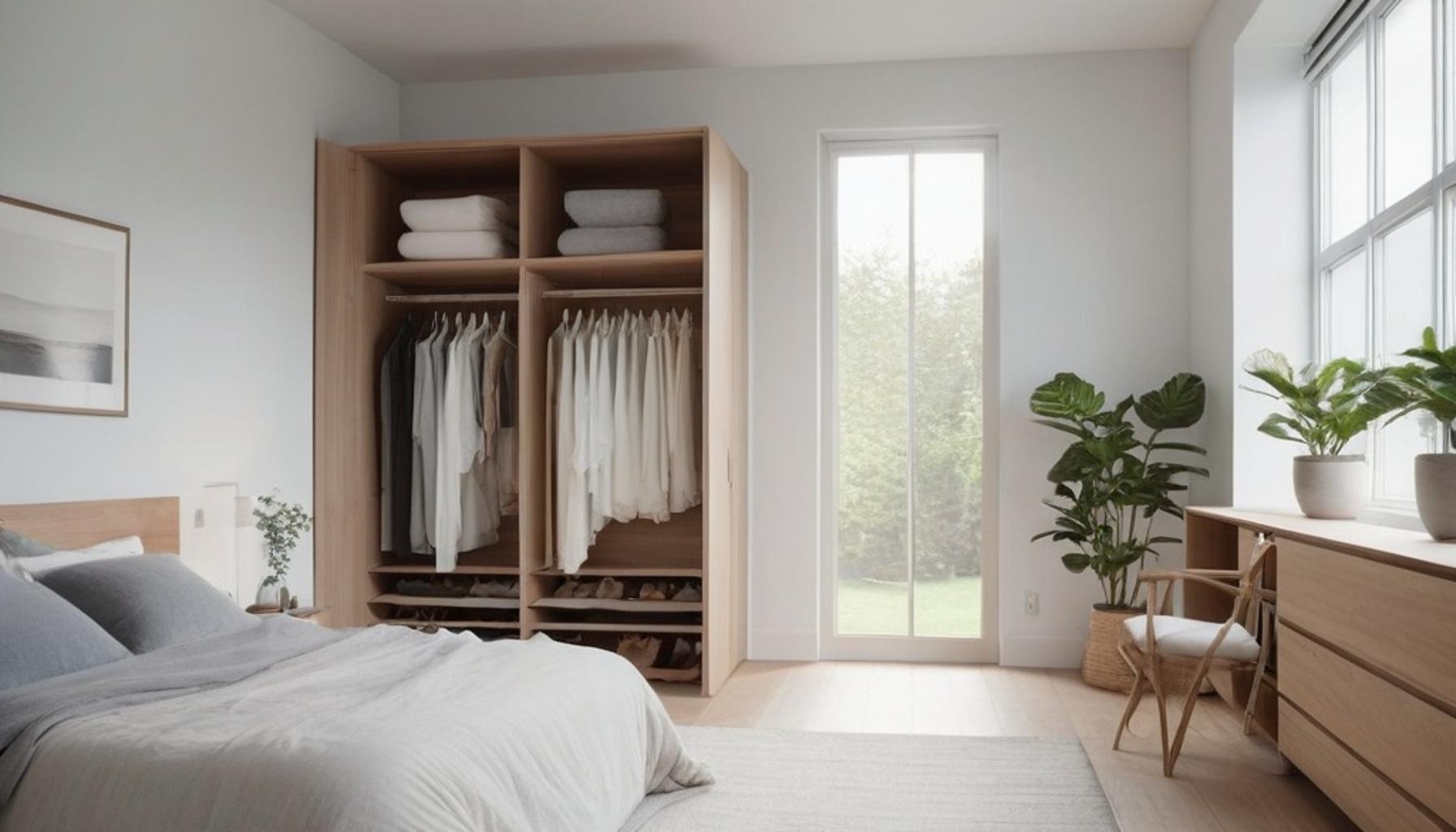
Across the wealth of clothing options available in the United States, the average American finds themselves the owner of an astonishing 103 items of clothing. However, studies reveal a surprising statistic: most people only wear a mere 20% of their wardrobe regularly. This incongruity leaves a staggering amount of closet space consumed by items gathering dust, often creating not just clutter, but a source of daily frustration.
This is where smart storage hacks become essential. These techniques extend beyond mere tidiness; they actively work to reclaim valuable space in your home, save precious time in your grooming routine, and promote mental clarity by simplifying your environment.
The Rise of Minimalist Closet Organization
In recent years, a notable trend has emerged in homes across the nation, as homeowners and renters alike turn to minimalist lifestyle tips to streamline daily tasks. Imagine starting your day without the added stress of rummaging through a jumbled collection of clothing—an organized closet can save you as much as 15 minutes each morning, time that can be far better spent elsewhere.
So, how does one begin the process of transformation? The answer lies in implementing a few key strategies:
- Decluttering your wardrobe using the one-year rule: If you haven’t worn an item in the last year, consider donating or selling it.
- Investing in modular closet storage solutions: Adjustable shelving or hanging organizers can accommodate different clothing types and maximize the functionality of your space.
- Applying vertical space techniques to maximize square footage: Installing hooks, racks, or using tiered hangers can facilitate better organization.
- Using labeled bins and dividers for quick visibility: This allows for a more efficient layout where everything has its place, making choices easier and quicker.
What You’ll Discover in This Guide
This article will delve into efficient closet hacks that have proven to be effective, showcasing everything from budget-friendly DIY projects to sophisticated closet systems embraced by professional organizers. You will discover that even minor adjustments can dramatically shift a chaotic cluttered space into a functional and soothing environment.
Are you ready to embark on a journey towards a practical, clutter-free wardrobe? Let’s dive into the enlightening details that await.
DISCOVER MORE: Click here to unlock kitchen organization tips
# Mastering the Art of Vertical Space and Zone-Based OrganizationOnce you’ve committed to the minimalist path, the next question becomes obvious: where do you actually start? The most successful closet storage solutions rely on a principle professional organizers swear by—thinking vertically rather than horizontally.Most closets in American homes waste up to 40% of their available space simply because clothing is hung at a single height, leaving the area above and below criminally underused. By installing double-hang rods, stackable shelves, or over-the-door organizers, you effectively double or even triple your storage capacity without expanding your closet’s footprint.## Creating Zones That Actually Work for Your RoutineMinimalist closet organization isn’t just about fitting more into less space—it’s about creating intuitive zones that match how you actually get dressed. Consider dividing your closet into distinct sections:
- Daily wear zone: Keep your most-used items—work outfits, go-to jeans, everyday shoes—at eye level and within arm’s reach.
- Seasonal rotation zone: Store off-season items like heavy coats or swimwear in higher shelves or under-bed bins, freeing up prime real estate.
- Special occasion zone: Reserve a smaller, less accessible area for formalwear or rarely-worn pieces.
- Accessory zone: Use small drawer dividers or hanging pouches for belts, scarves, and jewelry to prevent tangling and loss.
This zoning method aligns perfectly with decluttering your wardrobe, since it forces you to confront exactly how much space each category truly deserves.## The Power of Uniform Hangers and Color CodingHere’s a detail that surprises many first-time closet reformers: switching to uniform slimline hangers can reclaim up to two inches of hanging space per garment. Multiply that across dozens of items, and suddenly your closet feels twice as spacious—without removing a single piece of clothing.Color coding takes this a step further. Organizing garments by hue not only creates a visually calming effect, but it also speeds up decision-making. Stylists report that color-sorted closets can cut morning selection time by nearly a third, reinforcing the broader promise of efficient closet hacks that save time while reducing daily stress.## Why Data-Driven Decluttering MattersNumbers don’t lie, and they’re particularly persuasive when tackling wardrobe overload. Try the hanger-reversal trick: turn every hanger backward at the start of the season, then flip it forward each time you wear that item. After three months, anything still facing backward is a clear candidate for donation.This simple, data-driven approach embodies the essence of minimalist lifestyle tips—removing guesswork and replacing it with evidence of your actual habits, rather than assumptions about what you “might” wear someday.
| Category | Key Features |
|---|---|
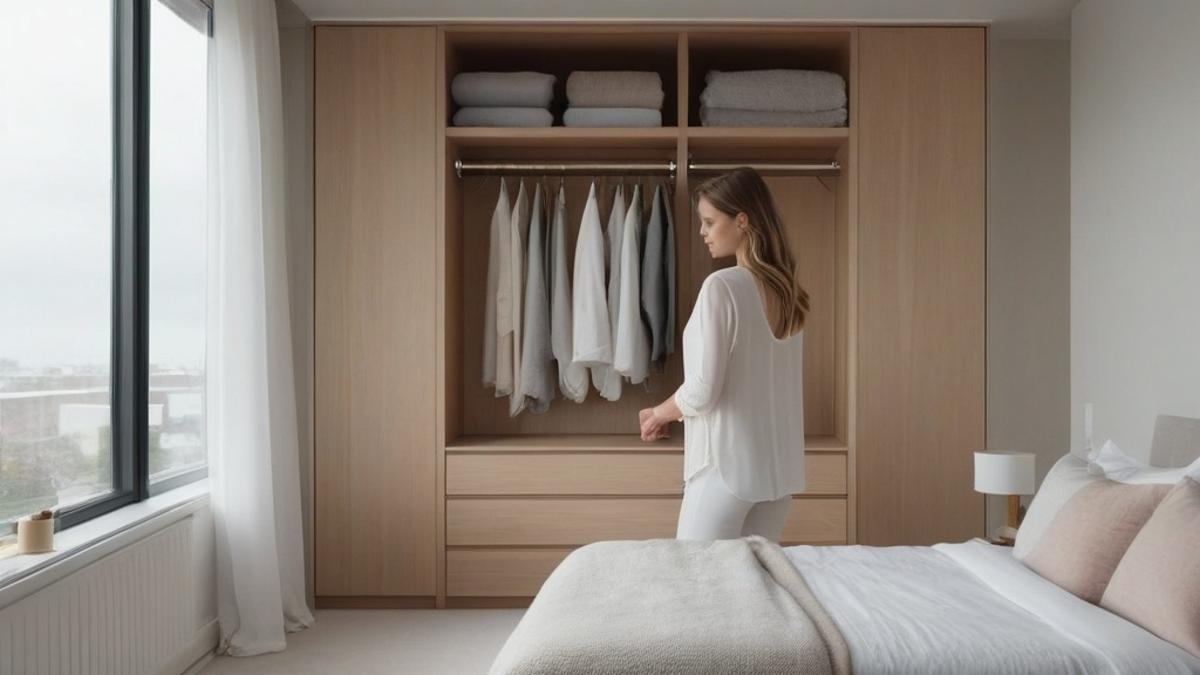
| Vertical Space Utilization | Utilizing shelves and wall-mounted racks maximizes storage without sacrificing floor space. |
| Drawer Organizers | Customizable inserts keep accessories tidy and easily accessible, streamlining your morning routine. |
| Multi-functional Furniture | Ottomans or benches with storage compartments provide dual functionality and save space. |
| Seasonal Rotation | Storing out-of-season clothes in labeled bins enhances organization and frees up space. |
DISCOVER MORE: Click here for expert tips on a clutter-free kitchen
# Investing in Modular Systems and Multi-Functional StorageOnce vertical space and zoning are in place, the next frontier of smart storage hacks involves rethinking the containers themselves. Modular closet systems—those adjustable shelving and drawer combinations found at retailers like The Container Store or IKEA’s PAX line—allow you to customize configurations as your wardrobe evolves.Unlike fixed shelving, these systems can be reconfigured in minutes. A drawer that once held bulky sweaters can be swapped for slim pull-out bins when your seasonal needs change. This adaptability is a cornerstone of long-term closet storage solutions, since it prevents the frustration of outgrowing a setup within a year.## The Case for Clear Bins and Labeled SystemsTransparency, quite literally, changes behavior. Clear acrylic bins let you see contents at a glance, eliminating the need to dig through opaque boxes. Professional organizers note that households using labeled, see-through storage report locating items up to 50% faster than those relying on memory alone.Labeling systems reinforce this efficiency further:
- Category labels: Mark bins by type—”workout gear,” “winter accessories”—to streamline retrieval.
- Rotation labels: Add a date tag when storing seasonal items, prompting a review each year.
- Donation labels: Keep a designated bin clearly marked for items pending donation, making decluttering your wardrobe an ongoing habit rather than an annual chore.
## Multi-Functional Furniture as Hidden StorageMinimalist living often means maximizing furniture that serves double duty. Ottomans with hollow interiors, bed frames with built-in drawers, and bench seating with lift-up tops can absorb overflow items without cluttering the closet itself.This approach ties directly into broader minimalist lifestyle tips, where every object in the home earns its place by serving more than one purpose. A single storage ottoman, for instance, can replace an entire dresser drawer’s worth of off-season scarves and gloves.## Small-Space Solutions for Apartment DwellersCity dwellers facing notoriously tiny closets—common in urban markets like New York City or San Francisco—benefit from specialized tools. Slim velvet hangers, door-mounted shoe racks, and stackable canvas cubes can transform a cramped 3-foot closet into a functional wardrobe hub.According to a 2023 survey by the National Association of Productivity and Organizing Professionals, nearly 60% of urban renters cited lack of closet space as their top home organization challenge. Implementing even two or three efficient closet hacks—like vertical shoe racks or hanging drawer units—can noticeably ease that daily friction, proving that square footage matters less than strategic design.
Bringing It All Together: Your Closet, Reimagined
Transforming a cluttered closet into a streamlined, functional space is not a one-weekend miracle—it’s a series of deliberate choices. From vertical shelving and zoning to modular systems and multi-purpose furniture, each strategy discussed here builds toward the same goal: a wardrobe that works with your life instead of against it.
The beauty of these smart storage hacks lies in their flexibility. You don’t need a walk-in closet or a professional renovation budget to see results. Even renters in cramped city apartments can achieve minimalist closet organization using door racks, stackable bins, and a handful of clear, labeled containers.
Small Changes, Lasting Impact
Consider starting with just one zone this week. Swap a single overstuffed drawer for a modular bin system, or add labels to your existing storage. These incremental shifts compound over time, turning decluttering your wardrobe into a sustainable habit rather than a stressful overhaul.
It’s worth remembering that closet storage solutions are deeply personal. What works for a studio apartment in Chicago may look entirely different from a suburban walk-in closet in Austin. The principles—vertical space, multi-functionality, visibility—remain constant, but the execution should reflect your actual lifestyle and wardrobe needs.
Looking Ahead
As minimalist living continues to gain traction across the United States, expect to see even more innovative products designed for small spaces. Smart closets with sensor-based inventory tracking and app-connected organization systems are already emerging on the market.
For now, the most effective minimalist lifestyle tips remain refreshingly low-tech: purge regularly, categorize intentionally, and choose storage that adapts as your needs change. Applying even a few efficient closet hacks from this guide can turn your closet from a source of daily frustration into one of quiet, functional calm.
Frequently Asked Questions
What are some effective smart storage hacks for small closets?
To maximize space in a small closet, consider using multi-functional furniture, such as storage ottomans or under-bed storage boxes. Implement vertical space solutions, like adjustable shelves or hanging organizers. Using cascading hangers and over-the-door hooks can also help keep items visible and easily accessible.
How can I create a minimalist closet using smart storage hacks?
Start by decluttering your closet, keeping only items that you love and use regularly. Use smart storage hacks like clear bins and labeled boxes to categorize and store seasonal items or lesser-used clothing. Arrange your clothes by color or type to make it easier to find what you need while maintaining a clean, streamlined appearance.
Are there specific smart storage hacks for shoes in a closet?
To optimize shoe storage in your closet, consider using over-the-door shoe organizers, which keep them visible and easily accessible. Stackable shoe racks or clear shoe bins can also save space while allowing you to see your collection at a glance. Additionally, vertical shelving can help utilize often-wasted space above your regular storage.
What types of storage solutions work best for minimalist accessories?
For accessories, opt for compact storage solutions like drawer dividers and small fabric bins that can fit on shelves. Hanging organizers are also great for scarves, belts, and jewelry. By keeping these items contained and organized, you’ll maintain a tidy look while maximizing your closet’s functionality.
Can smart storage hacks be used in a walk-in closet?
Absolutely! In a walk-in closet, take advantage of the extra space by incorporating personalized shelving units, hanging rods at varying heights, and built-in drawers. Use baskets and decorative boxes to group similar items together, and consider adding a small bench for additional seating and storage. This approach will help maintain a minimalist aesthetic while ensuring organization.

Beatriz
Beatriz Johnson is a seasoned minimalist and writer with a passion for simplifying the complexities of personal organization and intentional living. With over a decade of experience in decluttering strategies and mindful consumption, she specializes in topics like space optimization, habit simplification, and sustainable lifestyle choices. Through her work on our website, Beatriz empowers readers to embrace minimalism, reduce mental and physical clutter, and create more meaningful, organized lives in today's fast-paced world.