Maximizing Small Spaces: Minimalist Strategies for Efficient Space Optimization
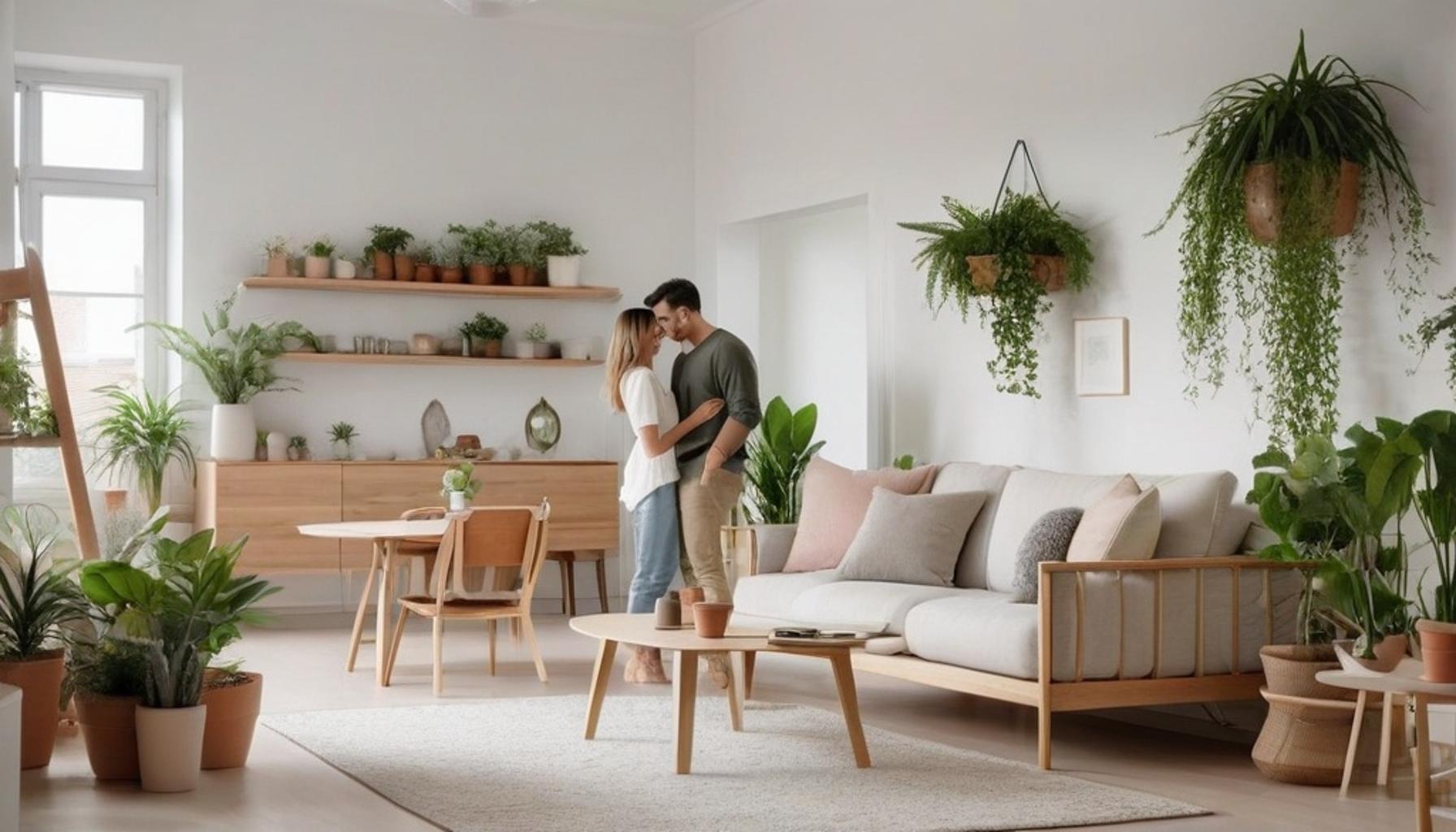
In recent years, a seismic shift has been observed in the living arrangements of many Americans. With the U.S. population increasingly gravitating towards urban environments and city centers, the necessity to adapt to smaller living spaces has never been more critical. As per the U.S. Census Bureau, the average new apartment size has shrunk by nearly 8% over the past decade. This trend has led millions of residents—whether they are renters or homeowners—to reconsider not just the space they occupy, but how they occupy it.
Maximizing Small Spaces has transcended the realm of mere aesthetics; it has become an essential aspect of modern living. From the tight quarters of a Brooklyn studio apartment to the compact micro-units prevalent in cities like San Francisco, inhabitants are embracing innovative solutions to make the most out of every square foot.
Why Minimalist Space Optimization Matters Now
With rising rent costs making larger housing options increasingly unattainable, clutter has evolved from a simple nuisance into a significant barrier. It affects not only the aesthetic appeal of a home but also influences key factors such as comfort, productivity, and mental well-being. Recent studies indicate that a cluttered environment can lead to increased stress and distraction, making efficient space management more crucial than ever.
Fortunately, there are numerous small space design tips that can transform even the most cramped quarters into chic and functional retreats. This article delves into practical strategies that can yield impressive results:
- Multi-functional furniture: Sofas that transform into beds and coffee tables that double as storage units are becoming staples in small homes, allowing one piece of furniture to serve multiple purposes.
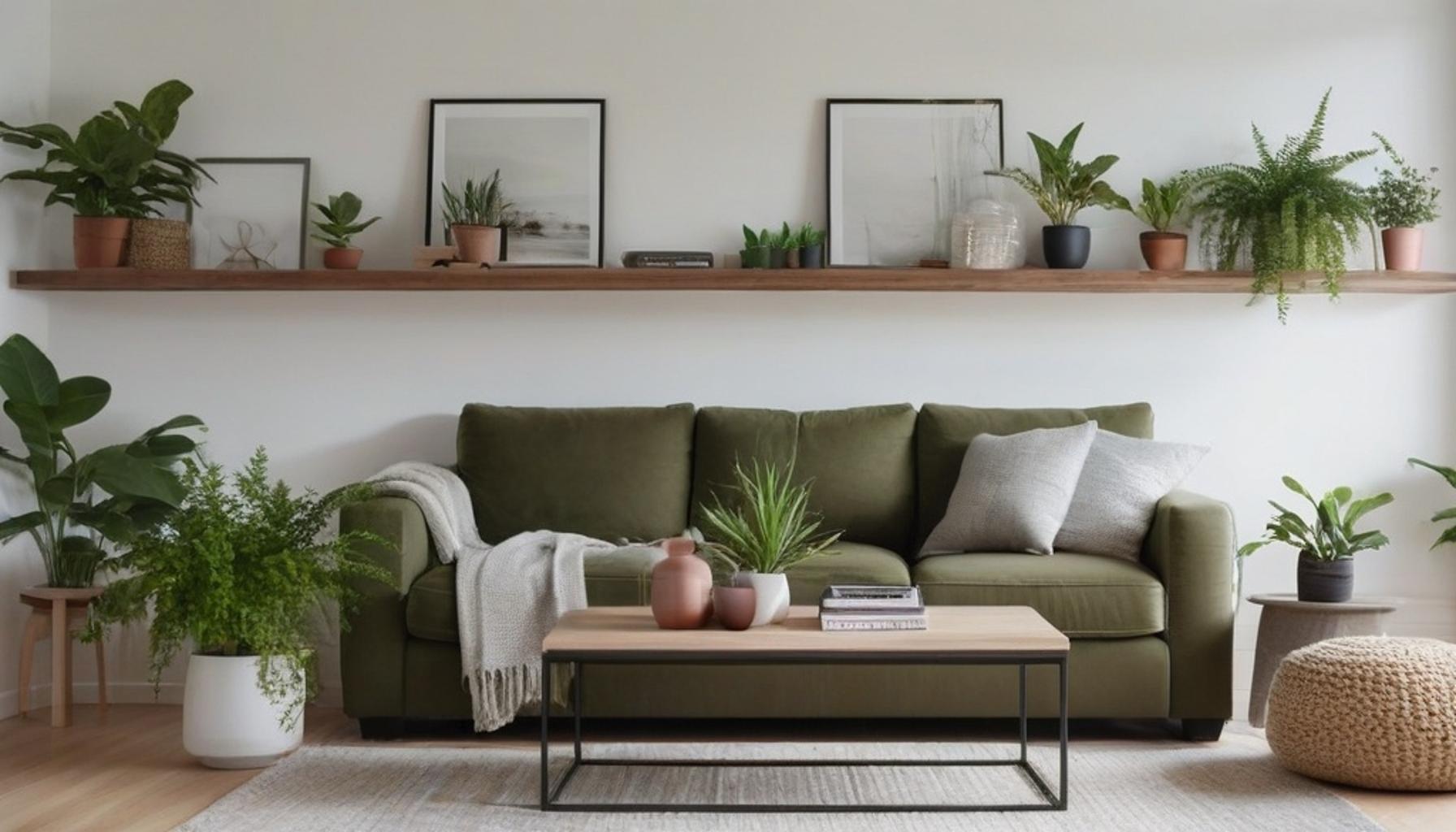
- Vertical storage solutions: Utilizing wall-mounted shelves and hooks can free up valuable floor space that can be better used for movement or additional furniture.
- Decluttering small areas: Implementing proven minimalist frameworks, such as the KonMari Method, encourages individuals to keep only those items that “spark joy,” substantially reducing clutter.
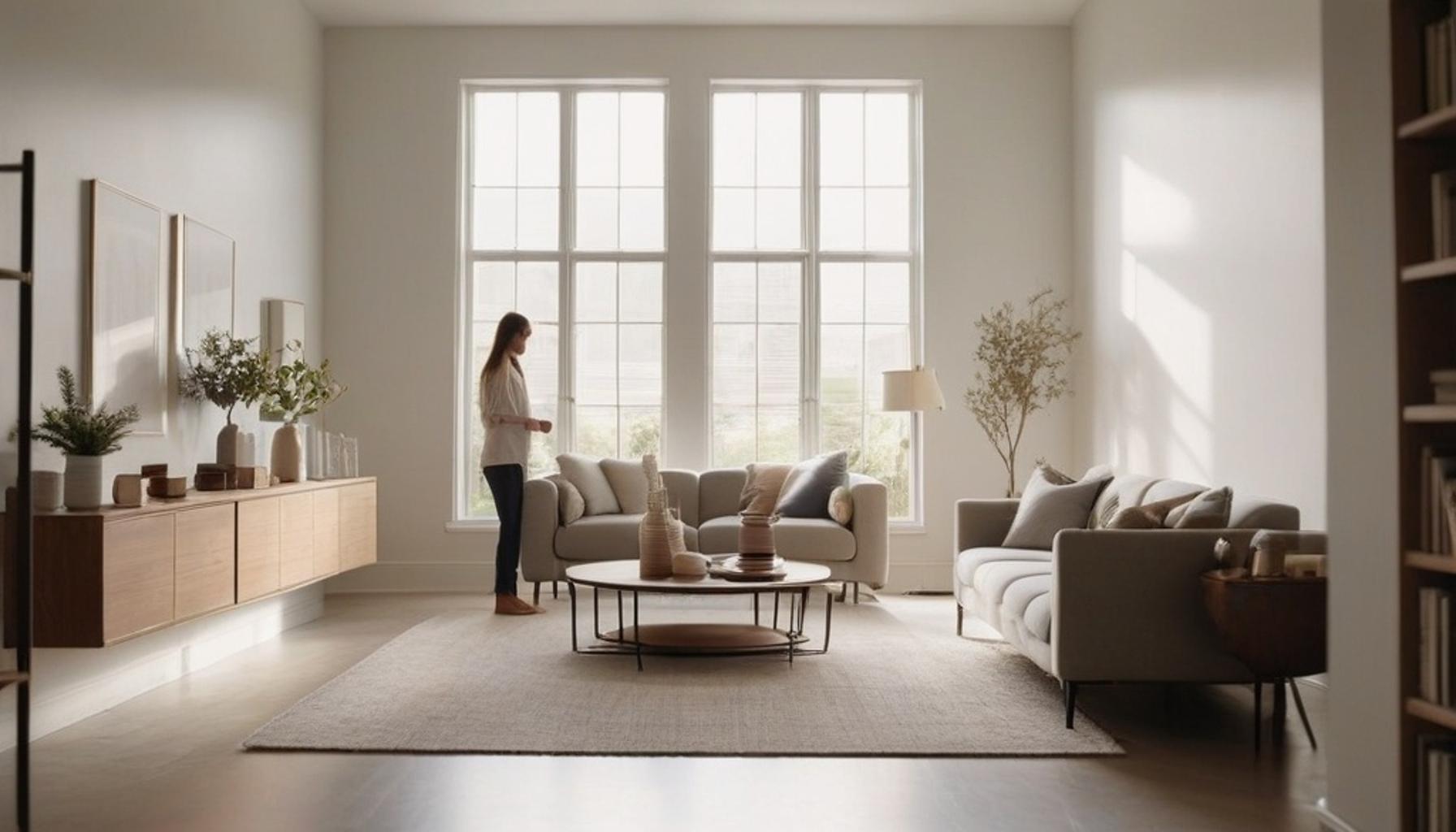
- Lighting and color techniques: Utilizing light-colored paints and strategically placed mirrors can create an illusion of openness and make even the most confined spaces feel more expansive.
- Creative storage solutions: Think outside the box by integrating storage into everyday objects, like benches with compartments or ottomans that hide belongings within.
What You’ll Discover
The journey to achieving efficiency in small homes is not solely about sacrificing style or comfort; rather, it is about making intentional choices that maximize every square inch. Whether you are grappling with a 400-square-foot studio or strategizing to declutter a larger residence, these methodologies provide actionable solutions. As we explore these intelligent design strategies, you’ll uncover how they are reshaping the way Americans approach their living environments, leading to a lifestyle defined by smarter living rather than simply larger spaces.
YOU MAY ALSO LIKE: Vertical Storage Strategies: Transforming Your Home with Smart Shelving Ideas
The Rise of Multi-Functional Furniture in American Homes
Walk into any furniture showroom in Chicago or Austin today, and you’ll notice a remarkable change: furniture pieces that refuse to conform to a single purpose. This transformation highlights a practical small space design tip that is rapidly gaining traction across the United States. Responding to the growing challenge of shrinking square footage, furniture manufacturers have adapted their offerings to meet a burgeoning demand for versatility and functionality.
Take the Murphy bed, for instance. Once seen as a relic from the 1920s tenement apartments, it’s now undergoing a modern renaissance. Today, these ingenious designs can be spotted in contemporary micro-units from Seattle to Miami. These multi-functional systems efficiently combine sleeping quarters with spaces for work and dining, allowing a single room to effortlessly transition into a bedroom, office, and dining area within mere minutes. For example, a single studio apartment can feature a Murphy bed that folds away to reveal a desk setup or dining area, thereby maximizing utility without sacrificing aesthetics.
Popular Multi-Functional Pieces Transforming Small Homes
Retailers across the country report specific categories of multi-functional furniture that consistently outperform their traditional counterparts in maximizing small spaces. Among these, notable examples include:
- Storage ottomans: These versatile pieces serve multiple purposes, functioning as both seating and footrests while offering hidden compartments for blankets, magazines, or books.
- Extendable dining tables: Designed for everyday use in compact configurations, these tables can be expanded to accommodate family gatherings, holidays, or friendly dinner parties, making them indispensable in small homes.
- Loft beds with built-in desks: Particularly popular in studio apartments and dorm rooms, these elevated beds free up valuable floor space beneath for desks, seating, or storage solutions, transforming a cramped room into a functional living area.
- Sofa beds with storage drawers: Blending comfort with practicality, these pieces cater to overnight guests while offering concealed compartments for linens or pillows, hence maximizing both seating and sleeping arrangements.
- Nesting tables: These stackable designs can be expanded for entertaining guests and compactly stored when not in use, striking a balance between style and space efficiency.
According to a 2023 survey by the American Home Furnishings Alliance, a significant 42% of urban renters reported purchasing at least one multi-functional furniture item within the past two years. This statistic marks a broader cultural shift toward minimalist space optimization, compelling individuals to weigh every purchase against its spatial return on investment. There is a growing recognition that efficient living in urban settings requires a balance of functionality, aesthetics, and minimal clutter.
The movement toward multi-functional furniture has also catalyzed a wave of home renovation initiatives specifically tailored to small living spaces. Contractors in cities such as Boston and Denver report increased requests for built-in cabinetry and custom shelving that blend seamlessly into walls. This trend emphasizes the belief that efficiency in small homes often relies more on thoughtful design than sheer square footage alone. By innovatively utilizing vertical space and creating custom solutions, homeowners can enhance the functionality of their environments.
What makes this trend particularly appealing is its accessibility. Unlike significant renovations that require substantial capital investment, many multi-functional furniture options are available at price points comparable to traditional pieces. Hence, they provide an attractive entry point for anyone looking to explore a more organized and spacious-feeling home.
As this movement gains momentum, it encourages a new generation of homeowners and renters to rethink their living spaces creatively, sparking interest in innovative design solutions that combine style with practicality.
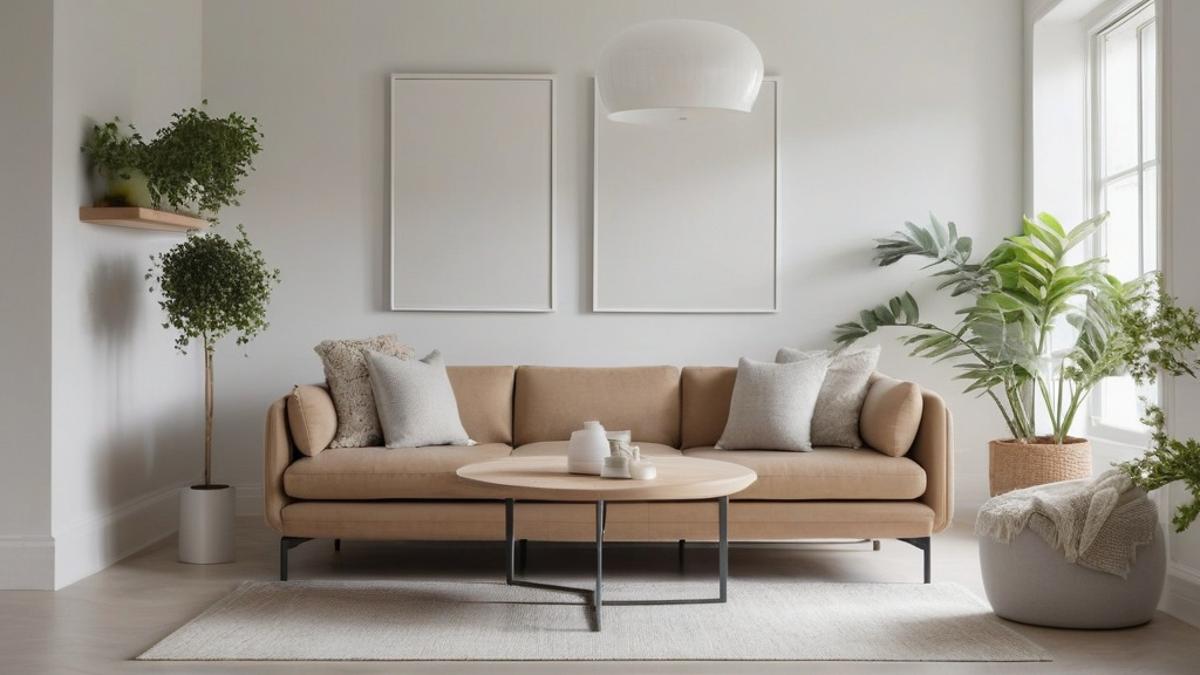
| Category | Description |
|---|---|
| Multifunctional Furniture | Incorporating multifunctional furniture such as sofa beds and nesting tables can significantly enhance space efficiency. |
| Underutilized Areas | Creative solutions for underutilized spaces like corners and vertical walls can free up precious floor area. |
| Decluttering | Regular decluttering not only keeps your space organized but also promotes a serene and inviting atmosphere. |
CHECK OUT: The Art of Decluttering: Minimalist Techniques for Efficient Home Organization
Vertical Thinking: Creative Storage Solutions That Defy Square Footage
If multi-functional furniture represents one pillar of maximizing small spaces, vertical storage is quickly becoming its equally powerful counterpart. Interior designers from Portland to Philadelphia now emphasize a simple mantra: when floor space runs out, look up. This shift toward vertical organization has redefined what’s considered usable space in apartments and starter homes across the nation.
Floor-to-ceiling shelving units, once reserved for libraries and offices, have migrated into kitchens, bathrooms, and even hallways. These installations exploit unused wall space, often stretching nine or ten feet upward in older buildings with generous ceiling heights. In cities like New York, where average apartment sizes hover around 700 square feet, this approach has become less of a design choice and more of a necessity.
Practical Applications Gaining Ground Nationwide
Several creative storage solutions have emerged as favorites among space-conscious homeowners and renters. These include:
- Pegboard wall systems: Originally popular in garages, these customizable panels now organize kitchen utensils, craft supplies, and even jewelry, allowing users to rearrange configurations as needs change.
- Over-the-door organizers: Simple yet effective, these units capitalize on typically wasted space behind doors, accommodating everything from shoes to pantry goods.
- Wall-mounted fold-down desks: Perfect for remote workers in compact apartments, these desks collapse flat against the wall when not in use, reclaiming several square feet instantly.
- Ceiling-hung pot racks: Common in small kitchens across cities like San Francisco, these racks free up cabinet space while adding a functional visual element.
- Under-stair drawers: Increasingly popular in townhomes, these built-in units transform previously dead space into practical storage for shoes, linens, or seasonal items.
A 2022 report from the National Association of Home Builders found that homes incorporating vertical storage solutions saw a 15% increase in perceived spaciousness, according to resident surveys, despite no actual change in square footage. This data underscores an important psychological component: minimalist space optimization isn’t solely about physical space but also about how that space is perceived and experienced daily.
Decluttering small areas also plays a critical role in this equation. Professional organizers in markets like Los Angeles report that clients who pair vertical storage installations with routine decluttering sessions report significantly higher satisfaction with their living environments. The combination of strategic storage and intentional minimalism appears to amplify results beyond what either approach achieves alone.
Closet systems have similarly evolved, with modular components allowing homeowners to customize configurations based on specific wardrobe needs rather than relying on one-size-fits-all rod-and-shelf setups. Companies specializing in these systems have reported double-digit growth over the past three years, particularly in markets with older housing stock featuring notoriously small closets.
This vertical approach to efficiency in small homes demonstrates that spatial constraints often inspire more innovative solutions than abundant square footage ever could.
Rethinking Square Footage: Where Small Space Living Goes From Here
From multi-functional furniture to floor-to-ceiling shelving, the path toward maximizing small spaces isn’t a single trick but a layered strategy. Convertible sofas, fold-down desks, and pegboard systems all point to the same conclusion: constraint breeds ingenuity. Homeowners and renters across the country, from Boston brownstones to Austin bungalows, are proving that square footage matters less than how intentionally it’s used.
The data reinforces this. That 15% jump in perceived spaciousness reported by the National Association of Home Builders suggests minimalist space optimization is as much psychological as physical. A well-organized 700-square-foot apartment can feel more livable than a cluttered space twice its size.
What’s clear is that efficiency in small homes depends on combining approaches rather than relying on one fix. Vertical storage without decluttering only postpones chaos. Multi-functional furniture without thoughtful placement can still feel cramped. The most successful spaces integrate several tactics simultaneously.
Looking ahead, a few considerations deserve attention:
- Customization over uniformity: Modular systems that adapt to individual needs consistently outperform generic solutions.
- Routine maintenance: Ongoing decluttering small areas regularly matters more than one-time organizational overhauls.
- Design as function: The best small space design tips treat storage as part of the aesthetic, not an afterthought.
As housing costs continue climbing in major metros nationwide, these strategies will likely move from trend to necessity. Builders, designers, and renters alike are already signaling that smaller footprints don’t have to mean smaller living. With the right creative storage solutions and a willingness to rethink conventional layouts, limited square footage can become a canvas for smarter, more intentional living rather than a limitation to work around.
Frequently Asked Questions
What are some key minimalist strategies for maximizing small spaces in my apartment?
To maximize small spaces in your apartment, focus on multifunctional furniture, such as a sofa bed or a coffee table with storage. Utilize vertical space by installing shelves and using wall-mounted storage solutions. Decluttering regularly will also help maintain an open and airy feel.
How can I effectively use color to make my small space look larger?
Opt for light, neutral colors for the walls and large furniture pieces to create an illusion of openness. Adding a few pops of brighter colors through accessories can enhance the aesthetic without overwhelming the space. Mirrors can also reflect light and make the area feel more expansive.
What types of storage solutions are best for maximizing small closet spaces?
Consider using vertical shelving, hanging organizers, and under-bed storage bins to maximize your closet space. Incorporating hooks or pegboards on the inside of the door can also provide additional storage for accessories. Using uniform hangers can create a more organized and efficient look.
Can you suggest some plants that are good for small spaces?
For small spaces, consider low-maintenance plants like succulents, snake plants, or pothos, which can thrive in limited light and in smaller pots. Hanging plants or wall-mounted planters can also add greenery without taking up floor space, helping to create a vibrant atmosphere in compact areas.
How do I create a functional workspace in a small room?
To create a functional workspace in a small room, use a compact desk and consider wall-mounted shelves for office supplies. Positioning your desk near a window can take advantage of natural light, improving productivity. Folding or extendable desk options allow you to save space when not in use.
What are some easy ways to declutter a small living room without feeling overwhelmed?
Start by selecting a few key items to keep and deciding on a specific place for each one. Use baskets, boxes, and hidden storage solutions to manage smaller items efficiently. Schedule regular decluttering sessions and focus on one area at a time to avoid feeling overwhelmed.

Beatriz
Beatriz Johnson is a seasoned minimalist and writer with a passion for simplifying the complexities of personal organization and intentional living. With over a decade of experience in decluttering strategies and mindful consumption, she specializes in topics like space optimization, habit simplification, and sustainable lifestyle choices. Through her work on our website, Beatriz empowers readers to embrace minimalism, reduce mental and physical clutter, and create more meaningful, organized lives in today's fast-paced world.