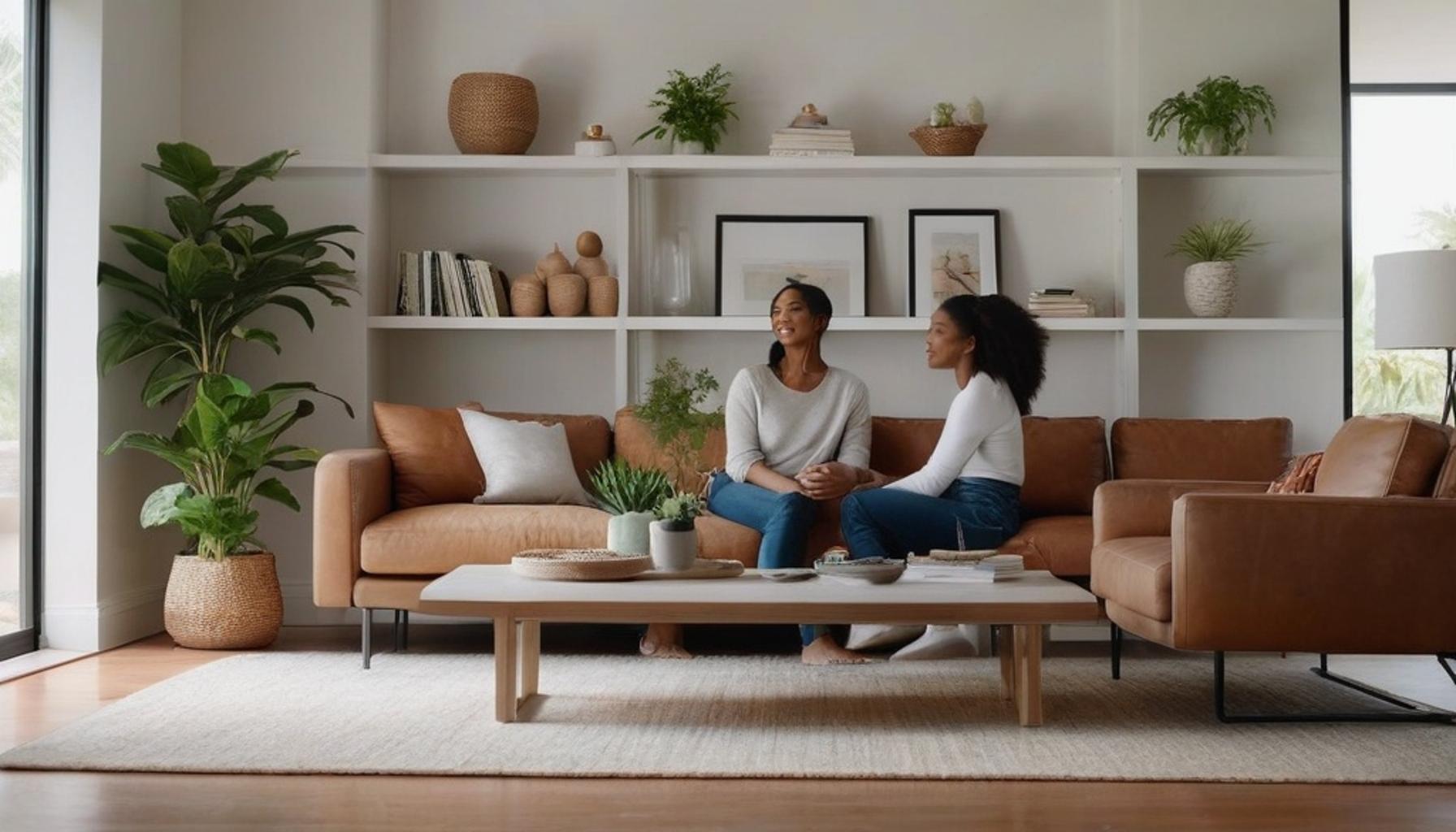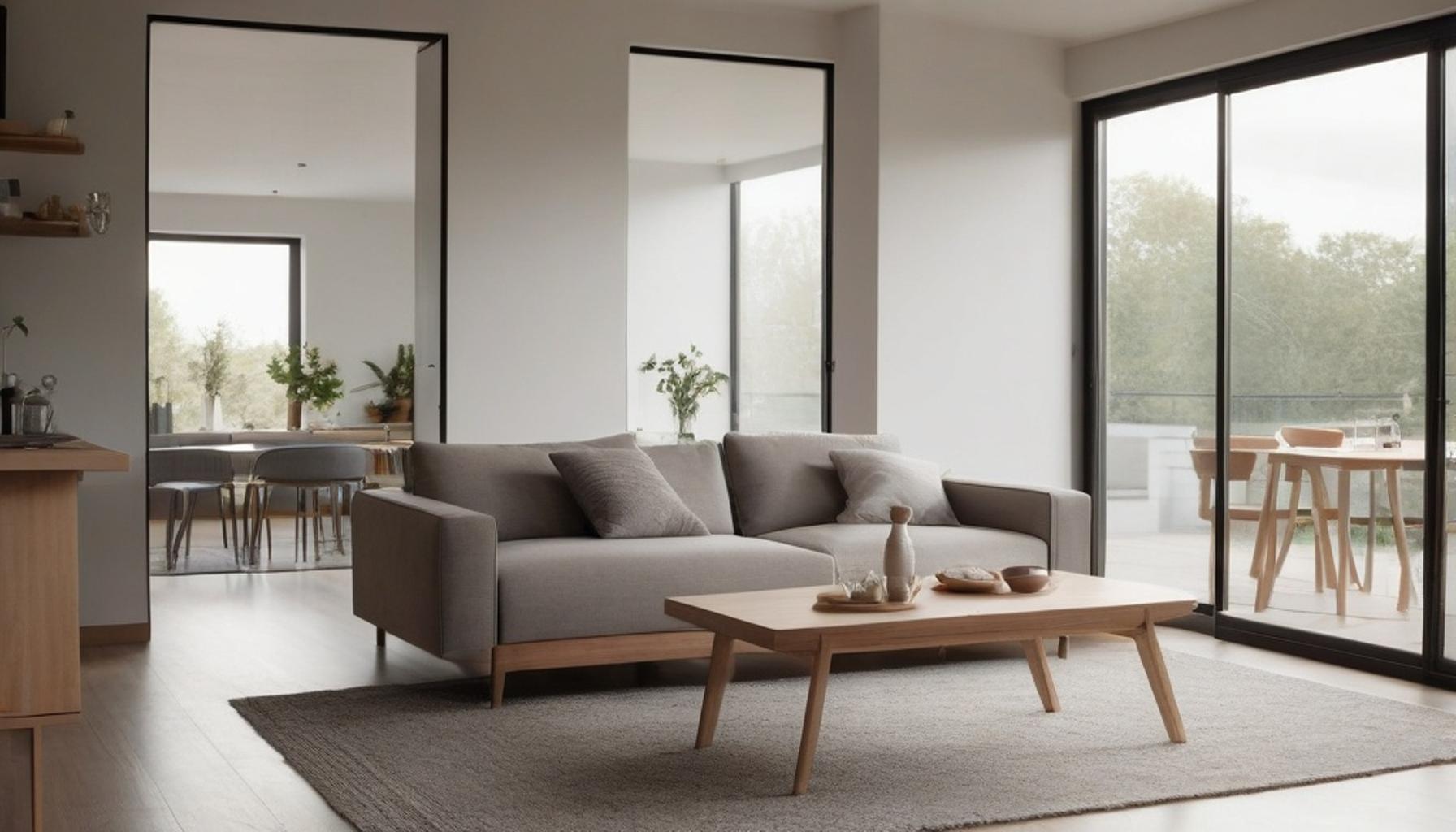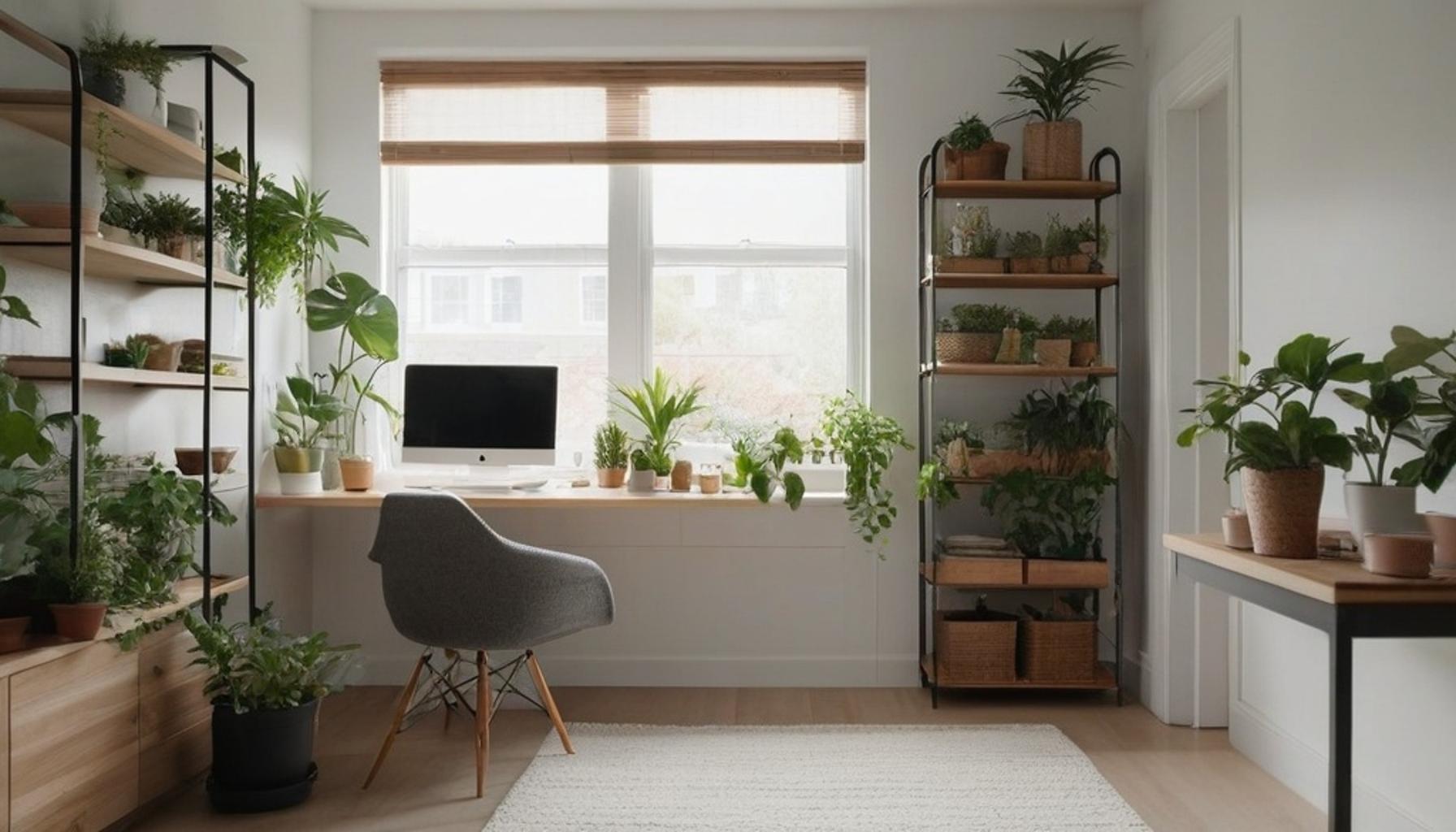
The Art of Decluttering: How Minimalism Enhances Space Optimization in Personal Organization
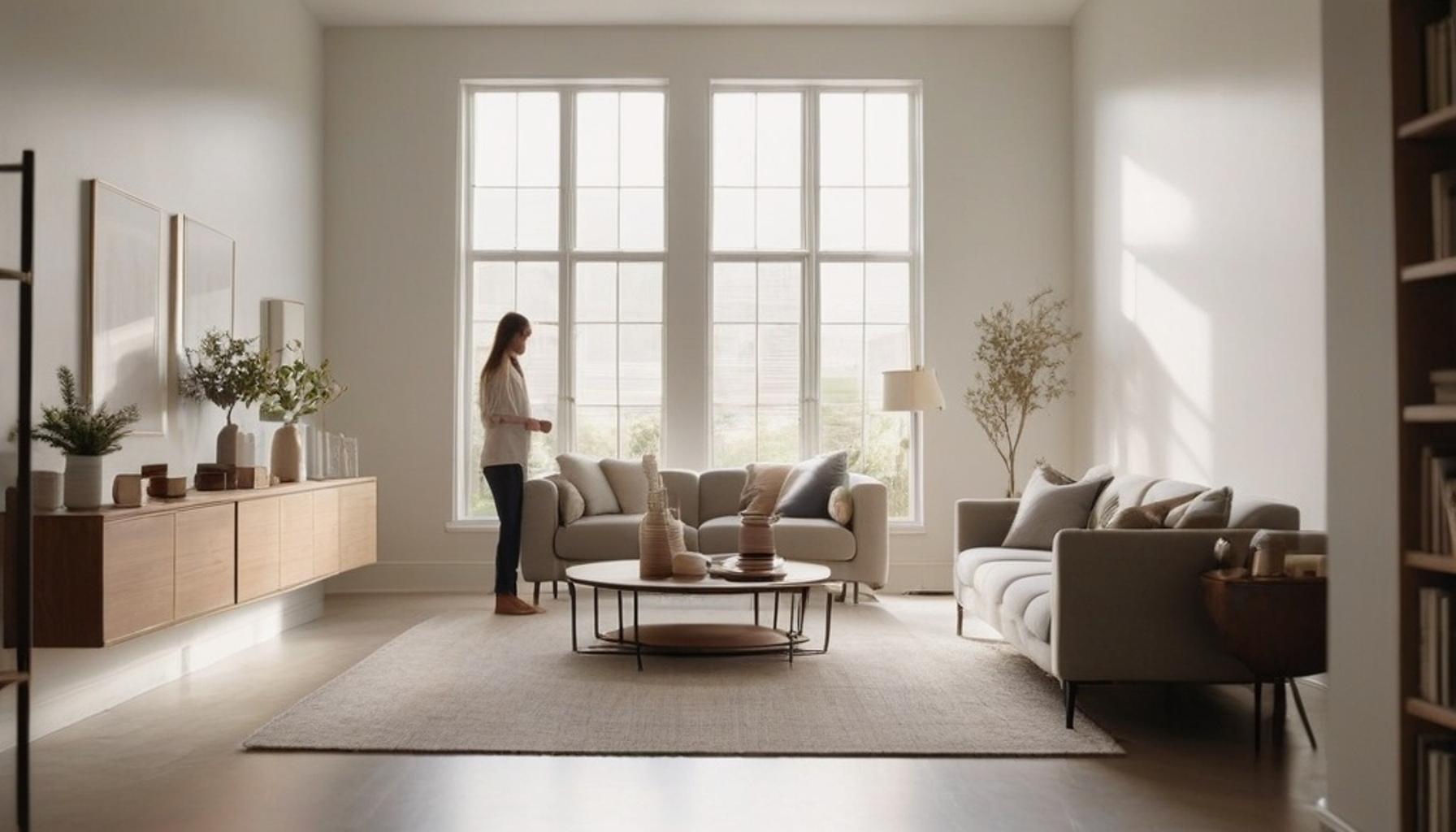
Why Your Cluttered Closet Might Be Costing You More Than Space
Americans spend an estimated $1.7 trillion annually on items they rarely use, according to industry storage reports. This staggering figure highlights a consumer culture driven by the constant desire for the newest and latest. Meanwhile, the average U.S. household contains over 300,000 items, ranging from kitchen gadgets to forgotten holiday decorations, which often leads to disorganized living spaces. This growing accumulation has sparked a nationwide movement towards the art of decluttering, a practice that transcends mere organization to touch on aspects of mental well-being, financial prudence, and sustainable living.
The Rise of Minimalism and Space Optimization
Across the country, homeowners and renters alike are discovering that less truly is more. Minimalism and space optimization aren’t just trendy buzzwords; they’re practical solutions to modern living challenges that resonate with diverse demographics. For instance, many younger generations are finding solace in minimalism to counteract the weight of overwhelming consumerism.
- Smaller urban apartments demanding smarter storage solutions, such as multi-functional furniture that serves as both storage and seating.
- Rising interest in sustainable, intentional consumption, pushing individuals to prioritize quality over quantity and consider secondhand shopping.
- Mental health benefits linked to organized environments, shown to reduce stress and foster clarity in both personal and professional lives.
These factors are driving people to search for personal organization tips that actually yield long-term results. The impact of a well-organized space can be profound, influencing everything from productivity levels to emotional stability.
What This Article Will Explore
Understanding how to declutter your home effectively requires more than just tossing items into donation bins or stuffing them into storage containers. It’s a strategic approach that transforms both a physical environment and daily mindset.
This piece will break down the proven benefits of decluttering, practical techniques, and the surprising minimalist lifestyle advantages that extend far beyond tidy shelves. For example, studies show that a decluttered environment can markedly improve focus and creativity. Imagine a workspace free of distractions leading to increased productivity—this is a powerful motivator for many.
- Step-by-step decluttering frameworks, such as the KonMari method, which emphasizes joy and gratitude in the decision-making process.
- Room-by-room organization strategies that make the task less daunting, allowing homeowners to tackle small areas over time.
- Long-term maintenance habits that ensure clutter does not resurface, like setting aside time weekly for quick checks on accumulated items.
Ready to reclaim your space—and your peace of mind? Let’s dive into the transformative world of intentional living, where every item in your home serves a purpose and contributes to a lifestyle that values clarity over chaos.
SEE ALSO: Maximizing Small Spaces: Smart Storage Solutions for a Clutter-Free Home
Before diving into practical solutions for cleaning up one’s home and mind, it’s essential to understand some of the underlying reasons why many Americans accumulate more stuff than they realistically need. Behavioral psychologists often reference the endowment effect, wherein individuals assign greater value to items simply because they own them. This psychological phenomenon can help to explain why that broken blender from 2015 still takes up prime real estate in a pantry instead of being discarded or donated. A person develops an affinity for their belongings, sometimes creating a sense of responsibility toward items that no longer serve a purpose. Why is that broken blender still there? Because, deep down, the owner remembers the potential for delicious smoothies and feels the ache of wasted possibilities.
Understanding this psychological attachment is a crucial first step toward mastering the art of decluttering. It goes beyond just freeing up physical space; it involves reevaluating how we emotionally and psychologically relate to our possessions. Acknowledging the stories linked to particular items can be liberating, yet this attachment often results in chaos and confusion, muddling one’s personal environment and increasing stress levels.
The Hidden Costs of Clutter
In addition to the emotional burdens, cluttered spaces are often boxed with tangible, real-world consequences. A study conducted by the National Association of Professional Organizers revealed that the average American spends an astonishing 55 minutes per day searching for misplaced items, which translates into a significant loss of approximately 12 entire days each year spent on disorganization. This time wasted is merely the tip of the iceberg.
Consider the array of unexpected financial burdens associated with maintaining cluttered environments:
- Duplicate purchases frequently occur when one cannot locate an item, leading to unnecessary expenditures on everything from kitchen utensils to office supplies. How many of us have bought a new pair of scissors simply to find an old, perfectly good pair lurking in the junk drawer later?
- Many Americans fall into the trap of renting storage units, which average about $180 per month. Often, these units house items that the owners rarely retrieve, turning into a costly holding bay for things that could be easily discarded.
- The cleaning required to keep clutter at bay often takes additional hours. Dust bunnies become a more frequent sight in areas that are hard to maintain, leading to increased time spent on mundane chores.
- There is also an increased risk of heightened stress-related healthcare costs. Numerous studies indicate that cluttered environments are associated with elevated cortisol levels, contributing to poor mental health and overall well-being.
These figures unveil the sobering truth: clutter is not merely an aesthetic issue but a considerable lifestyle drain that compounds over time.
Minimalism as a Response to Modern Excess
The recent rise in the appeal of minimalism and space optimization signifies a cultural shift away from the long-held “bigger is better” mentality that dominated past decades. Urban centers like San Francisco and New York are at the forefront of this trend, where square footage comes at a premium. Here, residents are showcasing that adopting minimalism is not rooted in deprivation; rather, it is about intentionality and smart living choices.
In these bustling cities, individuals are choosing quality over quantity. For instance, the innovative design of a Murphy bed that doubles as a usable workspace exemplifies how smart solutions maximize limited square footage and minimize unnecessary possessions. Such thoughtful choices reflect a modern lifestyle better equipped to cope with the demands of urban living.
This cultural shift sets the groundwork for understanding how to effectively declutter your home in sustainable ways, which will be explored further in the sections ahead. As we embrace more intentional living, it becomes possible to reframe our relationship with our belongings and ultimately lead a more fulfilling and organized life.
| Category | Description |
|---|---|
| Essentials Focus | Evaluating items that matter to create a clear, functional space. |
| Mindful Consumption | Conscious choices in purchasing to enhance space efficiency. |
| Psychological Benefits | Reduced stress and boosted creativity through organized environments. |
| Personal Growth | Shed emotional baggage; clarify values and goals. |
RECOMMENDED: The Art of Minimalist Living: Effective Decluttering Techniques for Home Organization
Practical Frameworks for Sustainable Space Optimization
Once the psychological groundwork has been laid, the next logical step in the art of decluttering involves adopting structured methodologies. Professional organizers across the country often point to systems that transform abstract intentions into concrete habits, ensuring that progress doesn’t stall after the initial burst of motivation fades.
One widely referenced approach is the Four-Box Method, which requires labeling containers as “Keep,” “Donate,” “Trash,” and “Relocate.” This system forces immediate decision-making rather than allowing items to linger in a nebulous “maybe” pile. Similarly, the “one-in, one-out” rule—popular among minimalist households in cities like Portland and Austin—mandates that for every new item brought home, an existing one must leave. This practice curbs the accumulation cycle before it even begins.
The 90/90 Rule and Digital Clutter
Another practical guideline gaining traction is the 90/90 rule: if an item hasn’t been used in the past 90 days and isn’t likely to be used in the next 90, it’s a candidate for removal. This straightforward litmus test eliminates the guesswork often associated with sentimental attachment discussed earlier.
However, physical clutter isn’t the only concern in today’s connected world. Digital clutter—overflowing email inboxes, redundant files, and forgotten app subscriptions—has emerged as a parallel drain on mental clarity. A recent survey found that the average American maintains over 100 unused mobile applications across their devices, subtly consuming storage and cognitive bandwidth alike. Effective personal organization tips now routinely extend beyond the physical closet into the digital realm.
Room-by-Room Strategies That Work
Tackling an entire home at once often leads to burnout. Instead, organizational experts recommend a room-by-room approach, starting with high-traffic areas that yield immediate satisfaction.
- In the kitchen, consolidating duplicate gadgets and donating rarely used appliances can free up to 30 percent of cabinet space, according to organizing consultants in Chicago.
- Bedroom closets benefit from the “hanger trick,” where all hangers face one direction and get flipped after wearing an item—after six months, unflipped hangers reveal clothing that’s rarely touched.
- Home offices, especially since the rise of remote work, often accumulate paper clutter; digitizing documents can drastically reduce physical storage needs.
These targeted strategies demonstrate the tangible benefits of decluttering, transforming abstract minimalist philosophy into measurable, room-specific outcomes. Each small victory builds momentum, reinforcing the broader goal of how to declutter your home without feeling overwhelmed by the scale of the task.
Ultimately, these frameworks illustrate that minimalism and space optimization aren’t reserved for design magazines or aspirational Instagram feeds—they’re accessible, actionable practices that any household, regardless of size or budget, can implement starting today.
Bringing It All Together: A Lifelong Practice, Not a One-Time Project
The art of decluttering is rarely a single weekend project that concludes with a spotless closet and a triumphant donation run. Instead, it’s an evolving practice that reshapes how Americans interact with their belongings, their time, and even their finances. From understanding the psychological roots of accumulation to applying structured systems like the Four-Box Method and the 90/90 rule, the journey toward a clutter-free home is built on small, repeatable decisions rather than dramatic overhauls.
What makes minimalism and space optimization so compelling isn’t simply the aesthetic payoff of a tidy living room—it’s the ripple effect on daily life. Households that commit to these principles often report reduced cleaning time, lower household expenses from impulse purchases, and a noticeable dip in daily decision fatigue.
The benefits of decluttering extend into unexpected territory as well. Consider the financial angle: resale platforms like Poshmark and Facebook Marketplace have turned unwanted items into secondary income streams for thousands of sellers nationwide. Meanwhile, the growing awareness around digital clutter suggests that future personal organization tips will increasingly blend physical and virtual spaces into a single, cohesive strategy.
For anyone still wondering how to declutter your home without feeling overwhelmed, the answer lies in starting small, staying consistent, and resisting the urge to measure success by perfection. Progress, not flawlessness, defines sustainable minimalism.
As more Americans discover the minimalist lifestyle advantages—from reduced stress to reclaimed square footage—it becomes clear that decluttering is less about discarding possessions and more about curating a life with intention. The space you create today may well become the clarity you experience tomorrow.
Frequently Asked Questions
What are the first steps to start practicing the art of decluttering in my home?
To begin the art of decluttering, start by identifying the areas in your home that feel cluttered or overwhelming. Choose one small space, such as a drawer or a corner of a room, and sort through your items. Decide what to keep, donate, or discard based on whether each item adds value to your life.
How does minimalism play a role in the art of decluttering?
Minimalism encourages you to simplify your living spaces by focusing on quality over quantity. By adopting a minimalist mindset, you prioritize essential items that bring joy or serve a purpose, making the art of decluttering easier as you let go of excess belongings.
Can decluttering improve my mental health?
Yes, engaging in the art of decluttering can lead to reduced stress and anxiety levels. A clutter-free environment promotes a sense of calm, allowing you to think more clearly and be more productive as you create a space that reflects your personal values and lifestyle.
What techniques can I use to maintain a clutter-free home after the initial decluttering process?
To maintain a clutter-free home, implement the ‘one in, one out’ rule, where you remove an item every time you acquire something new. Regularly schedule decluttering sessions, and build a habit of reassessing belongings every few months to ensure you only keep what you need or love.
Is the art of decluttering applicable to digital spaces as well as physical spaces?
Absolutely! The art of decluttering can also extend to your digital life. Organizing files, emails, and apps efficiently can create a sense of order and enhance productivity, demonstrating that minimalism can benefit both physical and digital spaces.

Beatriz
Beatriz Johnson is a seasoned minimalist and writer with a passion for simplifying the complexities of personal organization and intentional living. With over a decade of experience in decluttering strategies and mindful consumption, she specializes in topics like space optimization, habit simplification, and sustainable lifestyle choices. Through her work on our website, Beatriz empowers readers to embrace minimalism, reduce mental and physical clutter, and create more meaningful, organized lives in today's fast-paced world.